
Activation & Deactivation: The Power to Control Abilities at Will
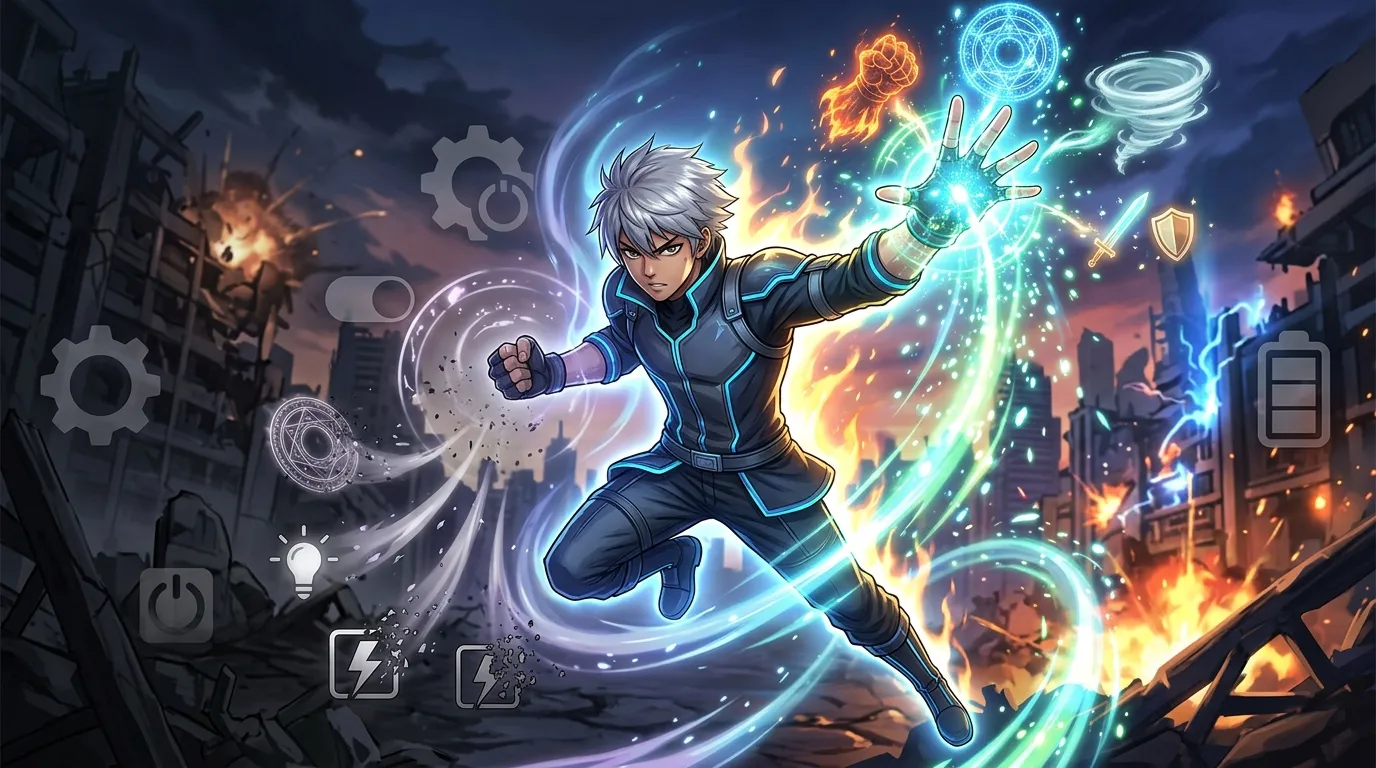
Activation & Deactivation Video Demo 🎬
Table of Contents
- Activation & Deactivation Video Demo 🎬
- What Is Activation & Deactivation
- Core Abilities of Activation & Deactivation
- Application / Tactical Advantages in Combat
- Level: Level 1 🏙️, Level 2 🌇, Level 3 🌃
- Limitations of Using the Activation & Deactivation
- Weakness Against What Other Superpowers
- Synergistic Power Combos
- Known Users
What Is Activation & Deactivation
Activation & Deactivation is a highly versatile superpower that allows a user to switch abilities, systems, or devices on and off at will. Whether it involves turning powers on for combat efficiency or shutting them down to conserve energy, Activation & Deactivation provides precise control over both internal and external forces. This superpower is especially valuable in dynamic situations where timing and adaptability are critical.
At its core, Activation & Deactivation revolves around control. The user can enable or disable powers, machinery, biological enhancements, or even environmental effects with intent. Unlike passive abilities, this power ensures nothing is wasted—every action is deliberate and optimized.
For readers exploring a wide range of abilities, visit the full collection at superpower list or discover something unexpected using the random superpower generator.
Core Abilities of Activation & Deactivation
Power Switching
The user can activate or deactivate their own abilities at will. For example, turning on super strength only when needed or disabling invisibility to interact normally with others.
External Device Control
Activation & Deactivation extends beyond the self. Users can power machines, weapons, or technological systems on and off remotely or through proximity.
Energy Regulation
This power allows efficient energy management. Abilities that consume stamina, mana, or fuel can be toggled to prevent exhaustion.
Ability Suppression
In advanced cases, the user can deactivate the abilities of others, rendering opponents powerless temporarily.
Conditional Triggers
Users may set conditions—such as automatic activation under threat or deactivation when safe—creating a semi-autonomous system of control.
Application / Tactical Advantages in Combat
Activation & Deactivation offers strategic superiority rather than brute force. Its strength lies in timing, efficiency, and disruption.
Precision Engagement
Instead of maintaining constant power output, the user activates abilities only at the exact moment needed. This reduces predictability and conserves energy.
Counterplay and Disruption
Deactivating an opponent’s powers mid-attack can instantly shift the tide of battle. Imagine neutralizing a fire-based attack before it even ignites.
Stealth and Deception
By toggling abilities on and off, the user can appear powerless, baiting enemies into false confidence before activating hidden strengths.
Environmental Control
Turning systems on or off—like lights, defenses, or machinery—can reshape the battlefield in real time.
Resource Optimization
In prolonged fights, conserving energy becomes critical. Activation & Deactivation ensures the user remains effective longer than opponents who rely on constant output.
Level: Level 1 🏙️, Level 2 🌇, Level 3 🌃
Level 1 🏙️ – Basic Control
At this stage, the user can activate or deactivate their own abilities and nearby devices. The range is limited, and timing may require conscious effort.
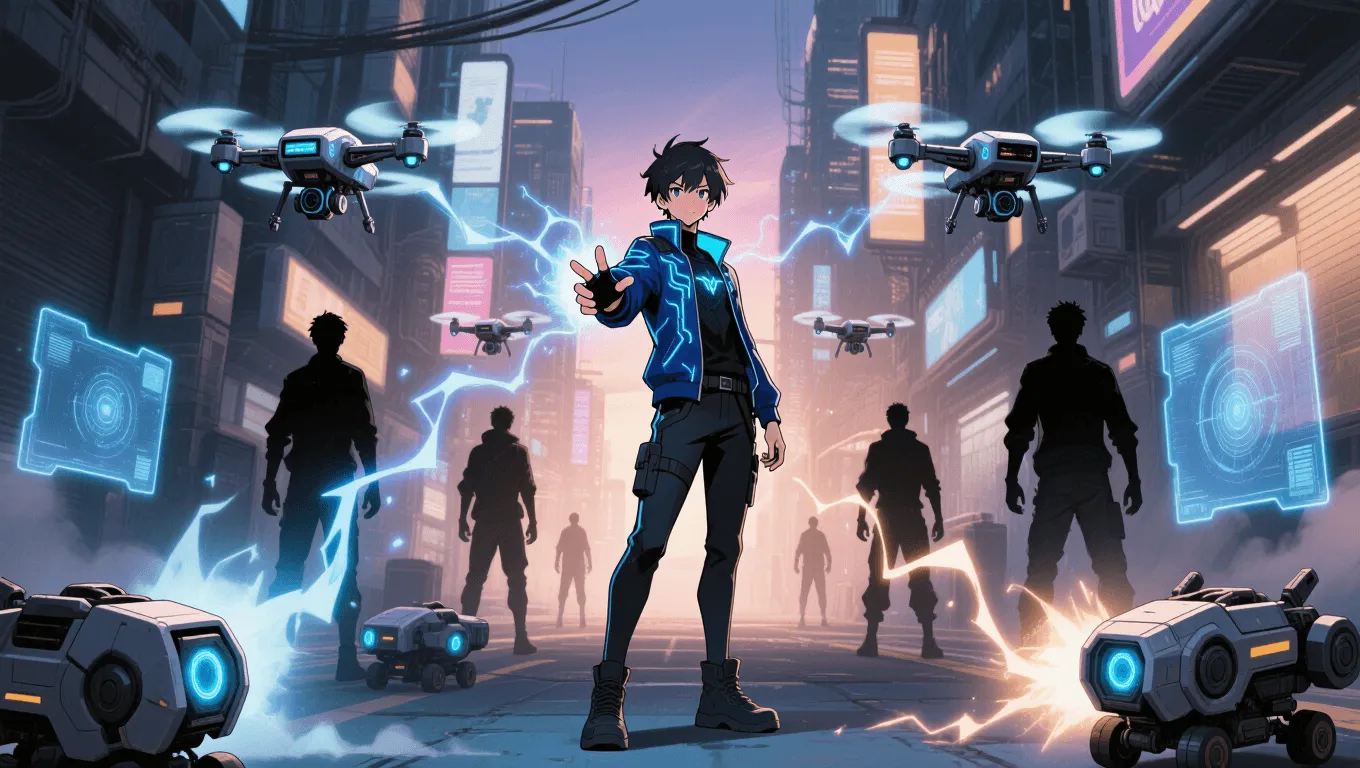
- Toggle personal powers
- Control simple machinery
- Basic energy conservation
Level 2 🌇 – Expanded Influence
The power evolves to include external targets and more complex systems.
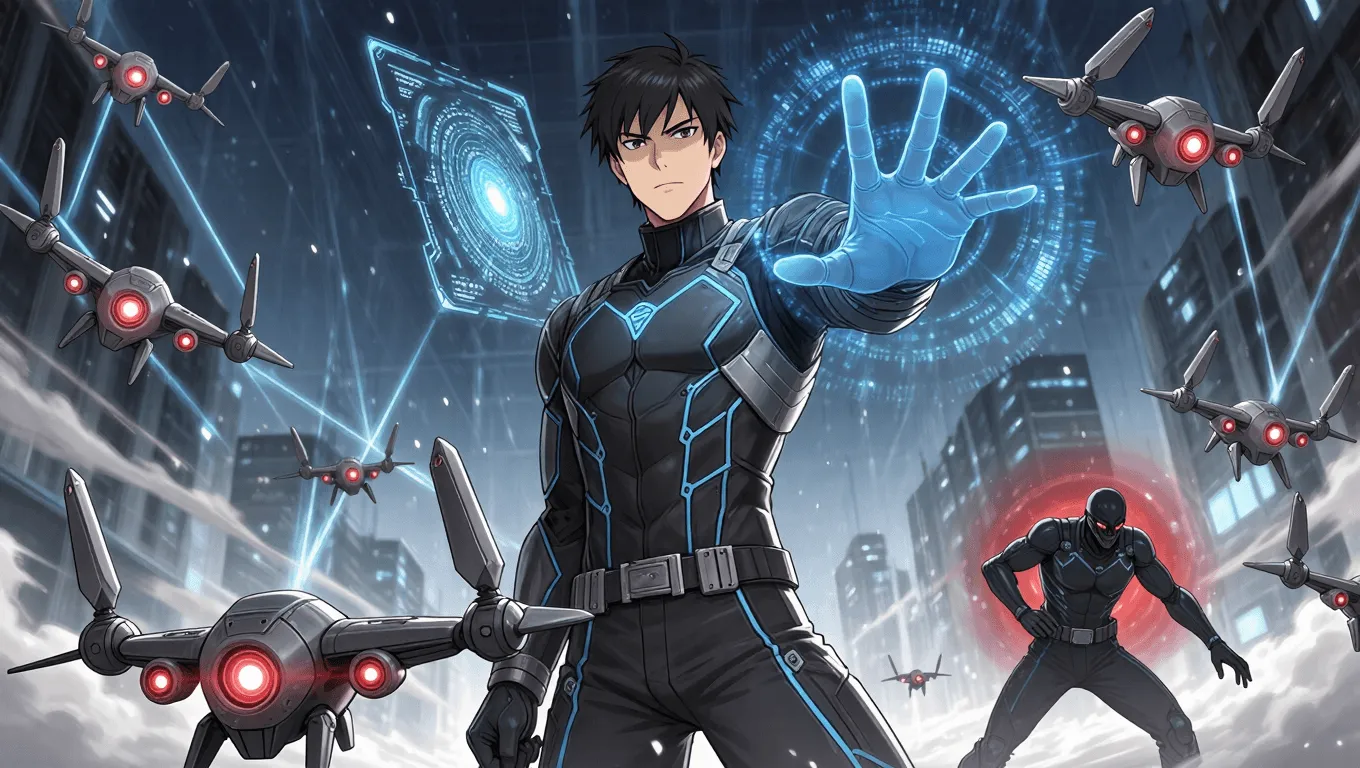
- Deactivate enemy abilities temporarily
- Control advanced technology
- Set conditional triggers
- Faster reaction time
Level 3 🌃 – Absolute Control
At peak mastery, the user gains near-total command over activation states across a wide area.
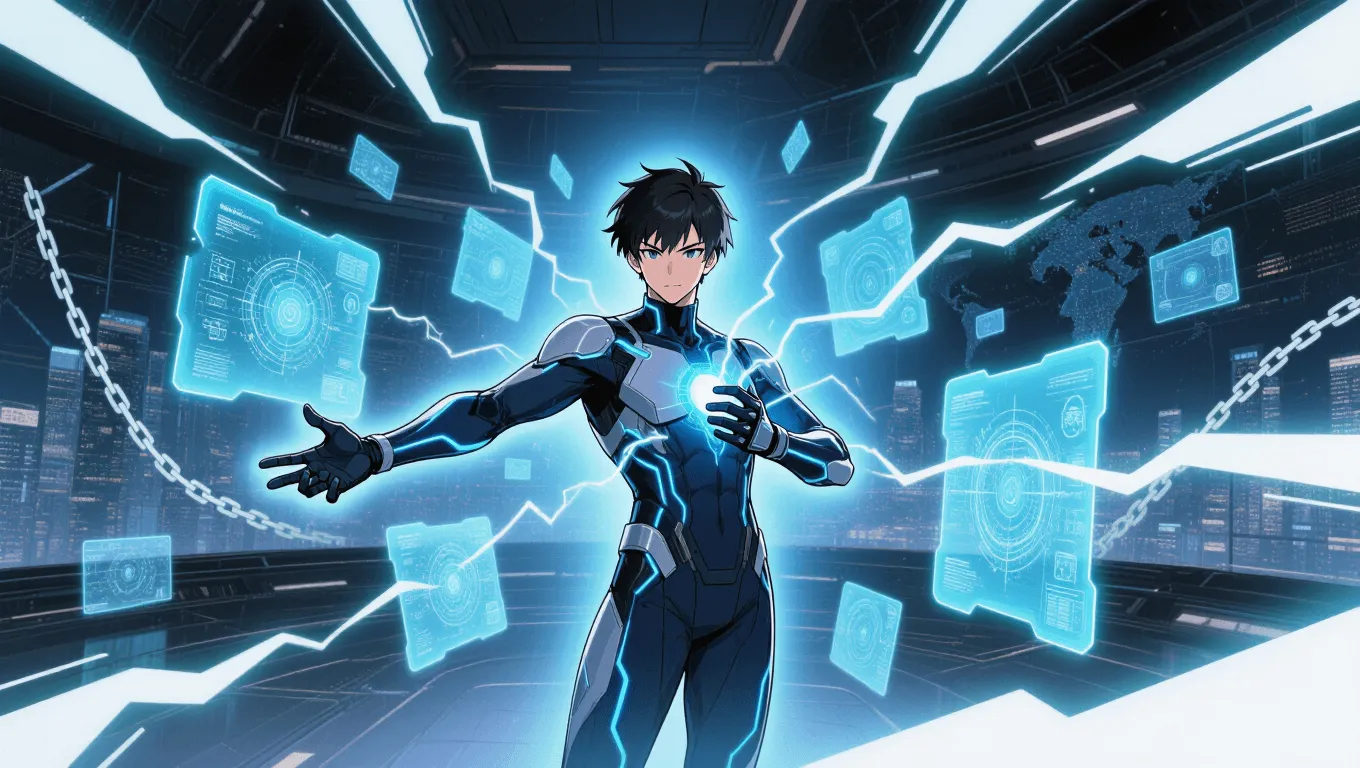
- Instantly toggle multiple systems simultaneously
- Permanently suppress or lock abilities
- Affect large environments or networks
- Autonomous activation logic
Limitations of Using the Activation & Deactivation
Despite its versatility, Activation & Deactivation comes with notable constraints.
Range Restrictions
The ability may only work within a certain distance, limiting its effectiveness against distant targets.
Mental Load
Managing multiple activations and deactivations simultaneously can overwhelm the user, especially in chaotic situations.
Resistance and Immunity
Powerful beings or advanced systems may resist deactivation, requiring greater focus or energy.
Dependency on Awareness
The user must be aware of what they are activating or deactivating. Hidden or unknown abilities may remain unaffected.
Cooldowns and Delays
Some versions of this power include brief delays between toggles, which can be exploited by opponents.
Weakness Against What Other Superpowers
Activation & Deactivation is powerful, but not unbeatable. Certain abilities can counter it effectively.
Passive Abilities
Powers that are always active and cannot be toggled—such as inherent durability—are difficult to deactivate.
Reality Warping
Reality manipulators can override activation states entirely, rendering this power ineffective.
Speed-Based Powers
Extremely fast opponents may act before the user can deactivate their abilities.
Mental Interference
Telepathy or mind control can disrupt the user’s focus, preventing proper activation or deactivation.
Energy Absorption
Abilities that absorb or redirect energy may negate the effects of activation entirely.
Synergistic Power Combos
Activation & Deactivation becomes exponentially stronger when combined with other abilities.
Energy Manipulation
Pairing with energy control allows precise regulation of power output, maximizing efficiency and minimizing waste.
Technopathy
Combining with technological control enables total dominance over machines, networks, and digital systems.
Time Perception
Enhanced perception or slowed time gives the user more opportunities to toggle abilities with perfect timing.
Invisibility
The user can remain hidden with powers deactivated, then instantly activate them for surprise attacks.
Adaptive Evolution
With adaptive abilities, Activation & Deactivation ensures only the most useful traits are active at any given moment.
Known Users
While Activation & Deactivation is not always explicitly named in fiction, several characters demonstrate similar control-based abilities.
One notable example is Peter Petrelli from the TV series Heroes. His power replication ability requires conscious activation and control over which powers are in use, closely resembling Activation & Deactivation mechanics.
Another example is Erasure (Shota Aizawa) from My Hero Academia, whose ability allows him to deactivate others’ powers temporarily, making him a strong representation of the deactivation aspect of this superpower.
For more character-inspired abilities and power breakdowns, explore superpower list or generate a new idea instantly at random superpower generator.