
Additional Limbs

Additional Limbs Video Demo 🎬
Table of Contents
Additional Limbs is a superpower that allows a character to grow or manifest extra arms, legs, or other appendages on command. These extra limbs can be permanent or temporary, physical or energy-based, and may resemble human limbs, monstrous claws, mechanical arms, or prehensile tails. With Additional Limbs, a user becomes a multi-limbed fighter, capable of multitasking in ways that normal anatomy cannot match, shifting the balance in combat, movement, and everyday problem-solving.
What Is Additional Limbs?
Additional Limbs is a form of adaptive physiology where the user can manifest more than the standard number of human limbs. This can range from one extra arm to a full ring of spider-like legs growing from the back, or even floating telekinetic arms that move as if they were part of the body.
These extra limbs can appear in several ways:
-
Grown from the user’s body (organic flesh, bone, or chitin)
-
Summoned as spectral or energy constructs
-
Generated as mechanical extensions controlled by the nervous system or telepathy
In many universes and RPG systems, Additional Limbs is classified as a physical mutation, a body-modification power, or part of a shape-shifting or body-morphing ability. It often overlaps with powers like enhanced dexterity, superhuman strength, or enhanced reflexes, making the user a terrifying close-quarters combatant.
For more unusual and creative abilities, players and writers can browse a broader superpower wiki to pair this ability with other powers.
Core Abilities of Additional Limbs
At its core, the Additional Limbs power expands how much a character can physically do at one time. Common traits include:
Enhanced Multitasking
Extra arms and hands let the user perform multiple actions at once: wielding several weapons, blocking and attacking simultaneously, or operating complex machinery while still defending themselves. In roleplaying terms, this often translates to extra actions, bonus attacks, or advantage on tasks that require coordination.
Expanded Attack Angles
With more limbs, the user can strike from several directions at once. A four-armed fighter can dual-wield weapons in each hand, grapple and strike at the same time, or attack multiple opponents in close range. This gives them improved crowd control and makes them much harder to flank.
Superior Grappling and Restraint
Multi-limbed characters are naturally suited to grappling. They can:
-
Pin multiple enemies
-
Lock weapons or limbs in place
-
Restrain a target while still leaving hands free to attack or cast powers
In many systems, they gain bonuses to grappling, disarming, or restraining checks.
Mobility and Climbing
If the Additional Limbs include extra legs, insect-like limbs, or tentacles, the user can climb walls, hang from ceilings, or move quickly over uneven terrain. This can simulate spider-climb style movement, improved balance, and the ability to brace against recoil or impacts.
Specialized or Non-Human Appendages
Some versions of Additional Limbs grant specialized appendages:
-
Tentacles with suction cups for gripping
-
Bladed limbs used like natural weapons
-
Prehensile tails for balance or disarming foes
-
Wing-like limbs for gliding or short bursts of flight
These variations expand the power from simple “extra arms” to a full package of body-based utility.
Application / Tactical Advantages in Combat
In combat, Additional Limbs is more than a visual gimmick; it shapes a character’s entire fighting style.
Multi-Weapon Fighting
A user could:
-
Wield a sword in each hand plus shields or daggers in the extras
-
Combine melee weapons and ranged weapons at the same time
-
Maintain a weapon while still having hands free for grappling or spellcasting
This makes them ideal as frontline bruisers or aggressive skirmishers.
360-Degree Defense
Extra limbs can constantly guard the user’s blind spots, parrying strikes from behind or intercepting projectiles. Even if the user cannot see an attack, they can “feel” incoming threats through their extended reach and brace with spare arms or legs.
Battlefield Control
By grabbing, tripping, and restraining multiple opponents at once, a multi-limbed character can lock down key enemies:
-
Holding a mage and a sniper in place
-
Blocking a doorway with multiple braced limbs
-
Creating a living barrier to protect allies behind them
This is especially powerful in close-quarters fights and narrow terrain.
Support and Utility Roles
Additional Limbs also helps outside pure offense:
-
Catching falling allies or objects
-
Operating large vehicles or artillery with fewer crew
-
Carrying heavy gear while keeping weapons readied
-
Performing delicate tasks under pressure (diffusing bombs, hacking, medical aid)
In RP and story terms, this power can make the character the team’s multitasking specialist.
If players want an ability at random to surprise themselves or their table, they can use a random superpower generator and see how Additional Limbs might synergize with whatever comes up.
Level: Level 1 🏙️, Level 2 🌇, Level 3 🌃
To fit RPG progression systems, Additional Limbs can be broken into power tiers.
Level 1 🏙️ – Basic Extra Limbs
At this level, the user manifests one or two additional arms or a single extra appendage (such as a tail).
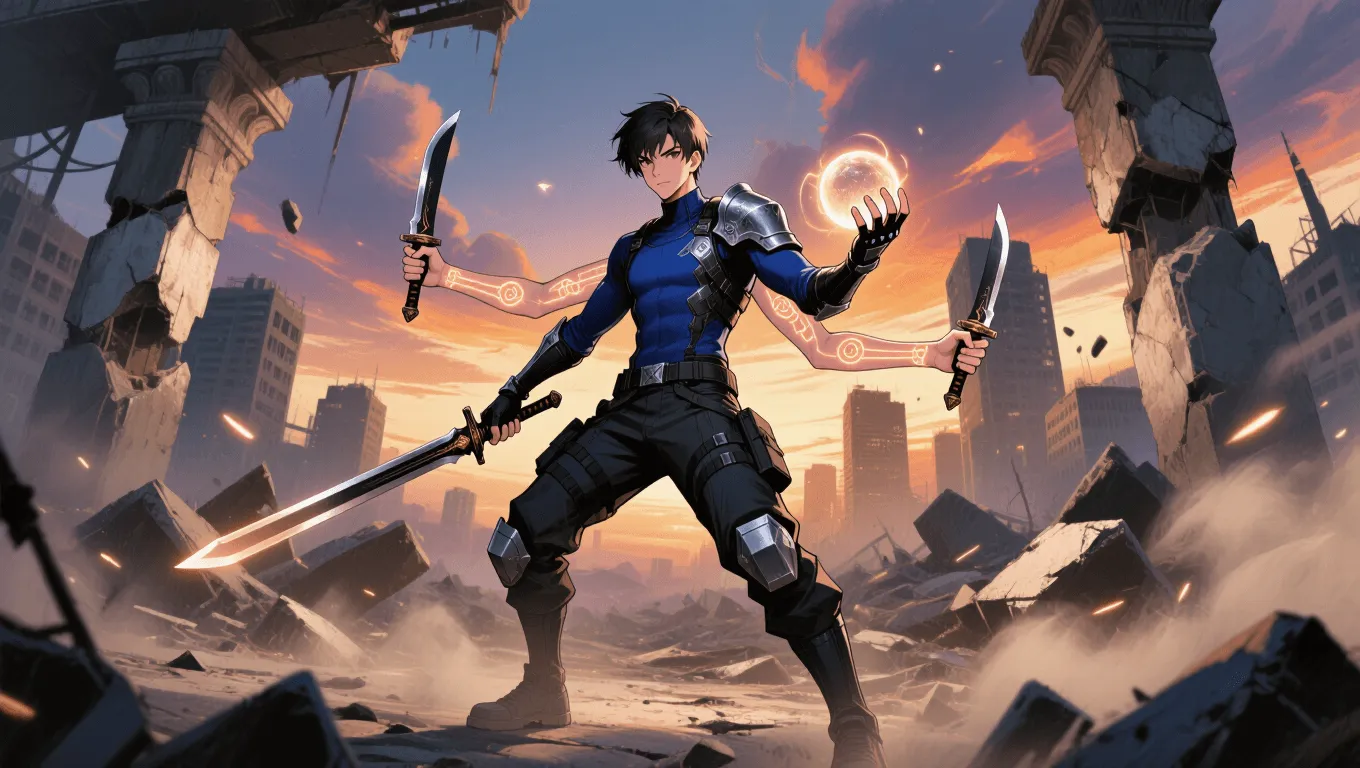
Typical traits:
-
Slight advantage in grappling and item management
-
Can dual-wield more comfortably, possibly gaining a small bonus to off-hand attacks
-
Extra limb may be weaker than the main limbs at first
Limitations at Level 1:
-
Extra limbs may be clumsy or uncoordinated
-
Extended use can cause fatigue or pain
-
The transformation might be slow or obvious, making stealth difficult
Level 2 🌇 – Trained Multi-Limbed Combatant
The user now has multiple extra limbs (four arms, extra legs, or a combination of arms and tentacles) and has trained to use them effectively.
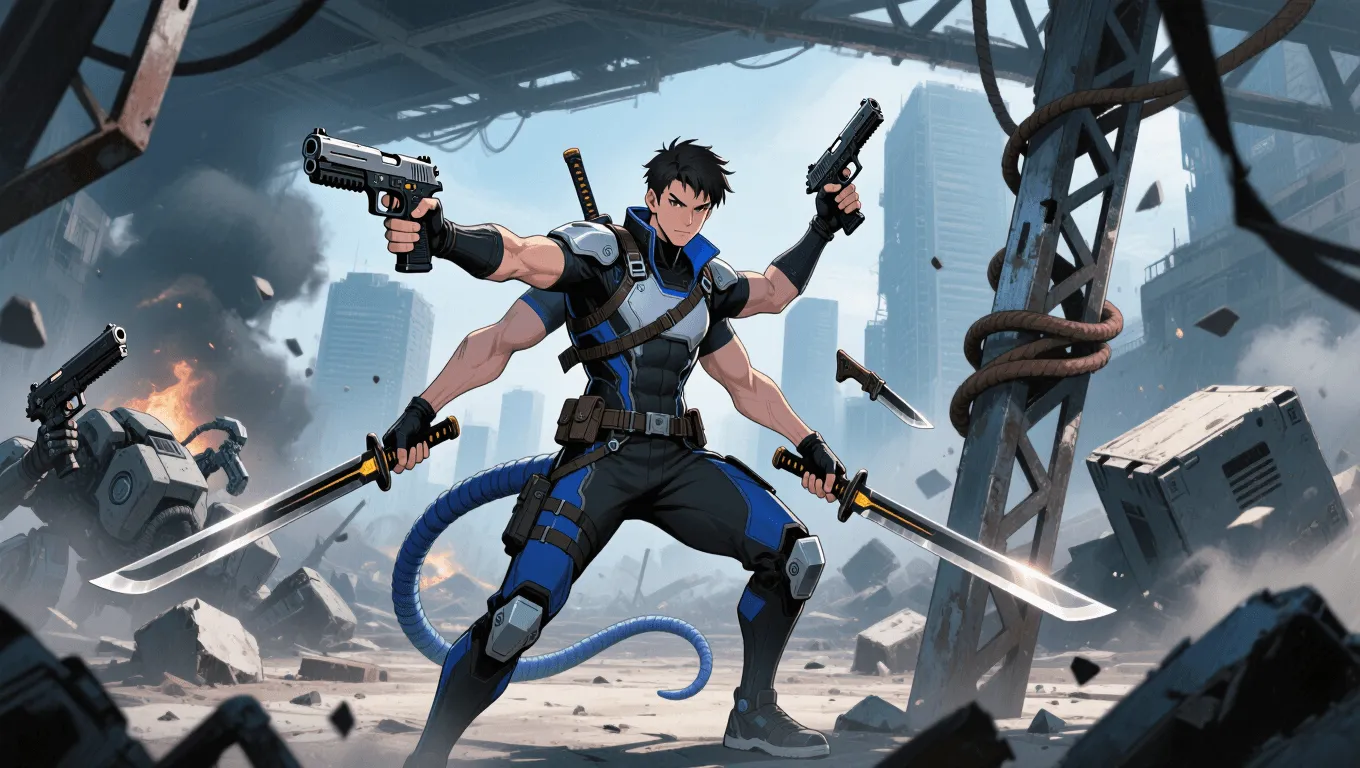
Typical traits:
-
Full control over all limbs with near-equal strength
-
Multiple attacks per round or extra reactions
-
Strong bonuses to climbing, bracing, and grappling
-
Can manage gear, reload weapons, and perform complex tasks in combat
At this level, the user’s body has adapted, reducing strain and increasing coordination. Their silhouette on the battlefield becomes intimidating and iconic.
Level 3 🌃 – Master of Additional Limbs
At the highest tier, the user’s Additional Limbs power becomes a defining feature of their combat style and physiology.
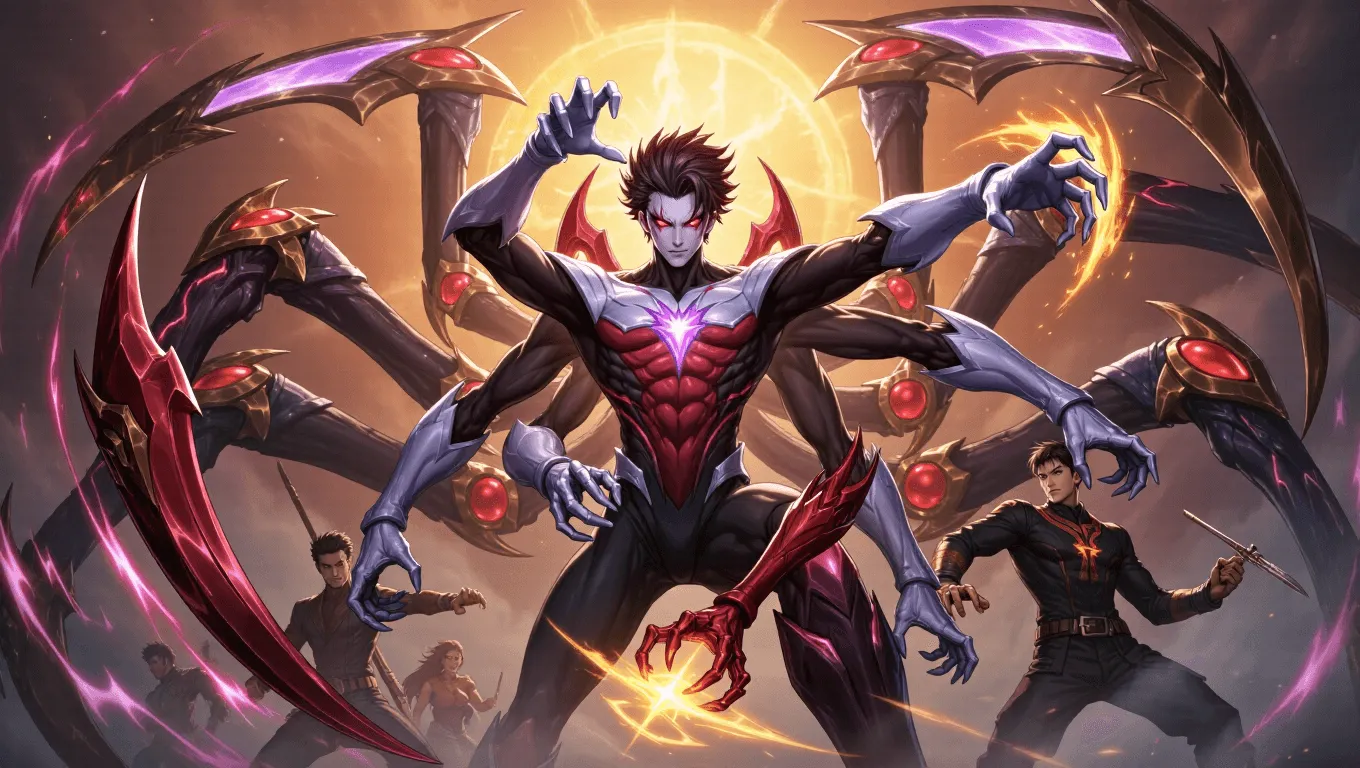
Typical traits:
-
Many limbs (up to spider-like or deity-like forms)
-
Perfect coordination, allowing elaborate combo attacks
-
Can defend multiple allies at once, intercepting strikes all around
-
May gain supernatural aspects: energy limbs, detachable arms, or regenerating appendages
At Level 3, the user may briefly transform into a fully multi-limbed war form, optimized for all-out battles or boss encounters.
Limitations of Using the Additional Limbs
Despite its advantages, Additional Limbs comes with clear drawbacks and narrative hooks.
-
Energy and stamina cost: Maintaining extra limbs may drain stamina, mana, or health over time. Prolonged use can cause exhaustion or muscle strain.
-
Body strain and pain: Sudden growth or retraction of limbs can be painful or disorienting, leaving the user vulnerable if they overuse the power.
-
Size and mobility issues: Extra limbs can get stuck in tight spaces, make it harder to disguise oneself, or limit the user’s ability to fit into vehicles or small corridors.
-
Vulnerability to targeted attacks: Enemies may specifically target extra limbs to disable the user’s advantages, causing additional pain or temporary limb loss.
-
Social and psychological issues: In more grounded settings, an overtly multi-limbed form might cause fear, prejudice, or self-image problems, adding roleplaying depth.
Game masters and writers can also rule that the user must learn to coordinate the limbs over time, starting clumsy and gradually gaining full control through training and experience.
Weakness Against What Other Superpowers
Additional Limbs is strong in physical combat, but it has clear counters:
-
Power Negation / Power Erasure: Abilities that nullify or remove powers can instantly strip away the extra limbs, leaving the user overextended or suddenly off-balance.
-
Telekinesis and Force Manipulation: Telekinetic users can pin or twist each extra limb, turning the advantage into a liability as more limbs become more targets.
-
Elemental Area Attacks: Firestorms, explosions, or acid clouds don’t care how many arms the user has. Larger surface area means more damage taken from wide-area effects.
-
Precision Ranged Powers: Snipers, energy projectors, or spatial cutters can sever extra limbs from a safe distance, weakening the user before they can close in.
-
Illusion and Mind Control: Extra limbs do nothing if the user cannot perceive reality correctly or is forced to turn their many arms against their allies.
In many systems, focusing on mental, elemental, or reality-warping powers is the most effective way to bypass a multi-limbed brute.
Synergistic Power Combos
Additional Limbs pairs extremely well with several other superpowers, creating devastating builds:
-
Super Strength: Extra limbs plus enhanced strength make for monstrous grappling and striking power, ideal for boss-level bruisers.
-
Weapon Summoning or Arsenal Creation: More limbs mean more weapons. Combined with conjured blades or guns, the user becomes a walking armory.
-
Elasticity or Body Morphing: Stretchy or shapeshifting limbs extend reach, allowing the user to hit from a distance or wrap around entire groups of enemies.
-
Enhanced Reflexes or Precognition: Seeing attacks before they occur and having enough limbs to respond from every angle makes the user nearly untouchable in melee.
-
Armor or Hardening Powers: Reinforced extra limbs can act as mobile shields, blocking attacks and protecting allies behind them.
-
Spider-Climb or Wall-Crawling: Multi-limbed wall-crawlers become terrifying ambush predators, attacking from ceilings and vertical surfaces with superior positional advantage.
In RPG design, mixing Additional Limbs with one or two complementary abilities can turn a standard fighter into a unique, memorable character or villain.
Known Users
Many popular characters across media use some form of Additional Limbs, even if their stories explain it as mutation, cybernetics, or sorcery.
-
Doctor Octopus – A classic Marvel villain who uses four mechanical tentacle-arms to fight, manipulate machinery, and move with terrifying agility.
-
Goro – The four-armed Shokan warrior from the Mortal Kombat series, known for brutal multi-limbed grappling and overpowering close-range attacks.
-
Asura – From Asura’s Wrath, who can manifest multiple powerful arms in his rage-fueled forms to unleash flurries of blows against godlike foes.
These characters demonstrate how versatile Additional Limbs can be: as a horror element, a symbol of overwhelming power, or a tactical advantage that defines a character’s visual identity and combat style.