
Animation
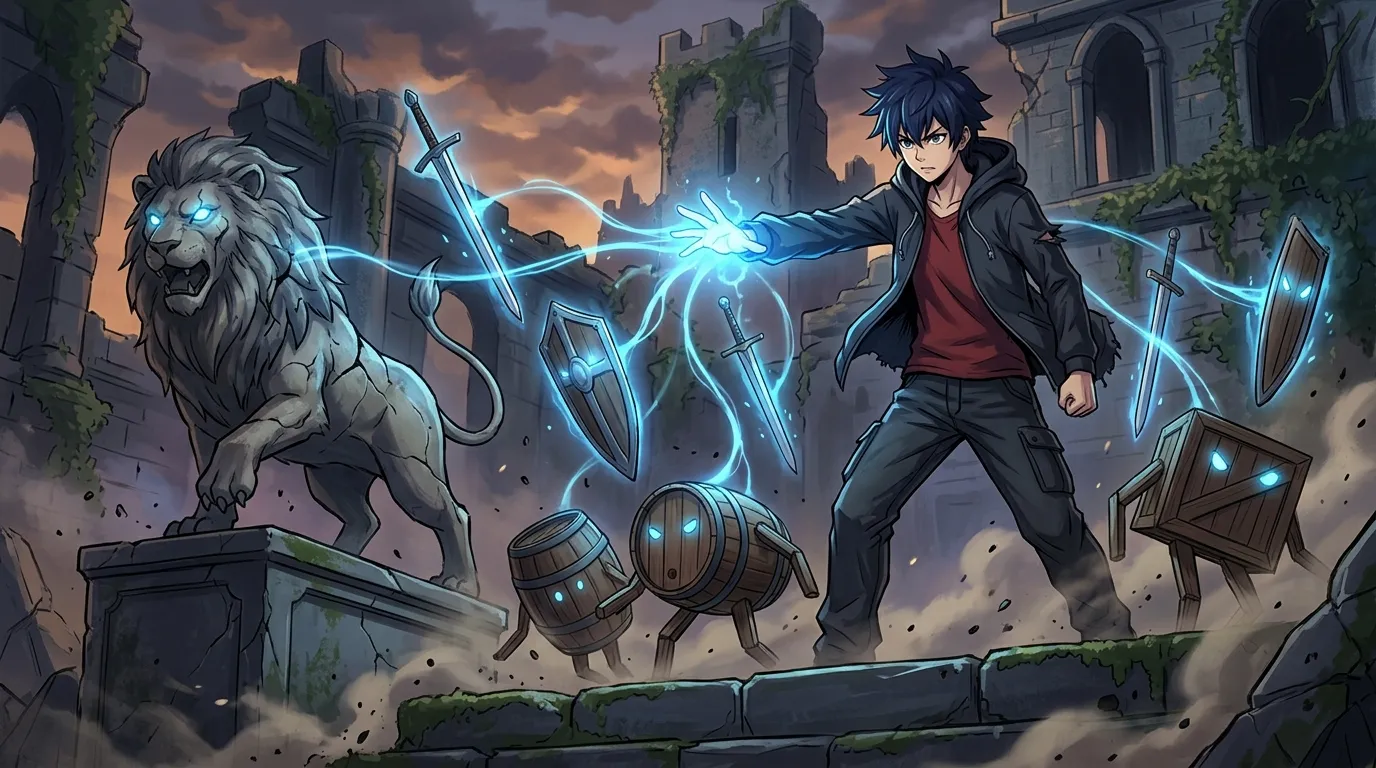
Animation Video Demo 🎬
Table of Contents
Animation is a fascinating superpower that allows a character to bring inanimate objects to life and control them as loyal servants, weapons, or companions. From animated statues and living toys to moving buildings and enchanted weapons, Animation gives users the ability to transform ordinary surroundings into powerful allies. This ability appears in fantasy, comics, animation, mythology, and supernatural fiction because it combines creativity, strategy, and overwhelming battlefield control.
Unlike powers that rely solely on raw destruction, Animation rewards imagination. A user can weaponize nearly anything nearby, turning harmless environments into dangerous combat zones. Readers exploring different abilities on the superpower list often find Animation especially unique because its effectiveness depends heavily on intelligence and creativity rather than brute strength.
For those looking to discover more unusual powers, the random superpower generator can reveal countless variations of Animation and similar reality-altering abilities.
What Is Animation
Animation is the power to grant movement, awareness, and sometimes personality to objects that are normally lifeless. The user can awaken items such as furniture, statues, dolls, machines, weapons, or even entire structures and command them to perform tasks.
Depending on the fictional setting, animated objects may simply follow orders like puppets or possess independent intelligence. Some users temporarily enchant objects, while others permanently create living constructs.
Animation is commonly associated with:
- Object manipulation
- Enchantment
- Construct creation
- Telekinetic command
- Magical awakening
- Artificial life creation
The power often overlaps with magic, psychic abilities, spiritual energy, or reality manipulation. In some worlds, Animation is treated as a branch of sorcery, while in others it functions through advanced technology or psychic energy.
Core Abilities of Animation
Object Awakening
The most basic function of Animation is granting motion and life to objects. A chair may walk, a sword may fly independently, or a puppet may fight like a trained soldier.
The user usually determines:
- Which objects awaken
- How long they remain active
- Their level of intelligence
- Their physical capabilities
Remote Command
Animated objects obey the user’s commands even from a distance. This allows simultaneous multitasking and battlefield control.
Examples include:
- Sending animated tools to repair machinery
- Ordering statues to guard an entrance
- Using living ropes to capture enemies
- Controlling animated vehicles remotely
Construct Army Creation
Advanced users can command multiple objects at once, creating entire armies of animated constructs. Everyday environments become dangerous because nearly anything can be transformed into a weapon.
A skilled user may animate:
- Hundreds of blades
- Entire libraries of flying books
- Living suits of armor
- Swarms of toys or dolls
Enhanced Object Performance
Animated objects often become stronger than their ordinary versions. A wooden chair could strike with tremendous force, while a small toy might move with unnatural speed.
Some universes grant animated objects:
- Superhuman durability
- Regeneration
- Flight
- Enhanced agility
- Resistance to pain
Autonomous Intelligence
At higher levels, animated objects gain personalities, emotions, and tactical thinking. They may act independently even without direct supervision.
This creates possibilities such as:
- Loyal living companions
- Intelligent guardians
- Self-operating machines
- Sentient magical artifacts
Environmental Weaponization
Animation becomes especially dangerous in crowded or urban areas. Nearly every object can become a weapon or spy.
Possible tactics include:
- Bringing traffic signs to life
- Controlling animated chains
- Using furniture for ambushes
- Creating living walls for defense
Application / Tactical Advantages in Combat
Animation excels in versatility and environmental dominance. Users rarely fight alone because the battlefield itself becomes their ally.
Battlefield Control
Animated objects can surround opponents from every direction. Enemies may struggle to predict attacks because harmless items suddenly become hostile.
This creates:
- Constant distractions
- Defensive barriers
- Flanking attacks
- Area denial
Numerical Superiority
Even a physically weak Animation user can overwhelm stronger enemies through sheer numbers. Hundreds of animated objects attacking simultaneously can exhaust powerful opponents.
Long-Range Combat
The user may remain hidden while animated servants engage enemies directly. This reduces personal risk and allows strategic control from safety.
Improvised Weaponry
Animation users never truly lack weapons. Anything nearby can become useful:
- Coins become projectiles
- Chains become restraints
- Lamps become attackers
- Doors become shields
Psychological Warfare
Animated objects create fear and confusion. Watching harmless household items suddenly attack can destabilize opponents mentally.
This fear factor becomes stronger when:
- Objects move unnaturally
- Dolls speak or laugh
- Statues suddenly awaken
- Entire buildings begin moving
Defensive Utility
Animation is not purely offensive. Users can:
- Create moving shields
- Animate armor
- Command objects to intercept attacks
- Build protective barricades
Level: Level 1 🏙️, Level 2 🌇, Level 3 🌃
Level 1 🏙️ — Basic Animator
At this level, the user can animate small objects individually.
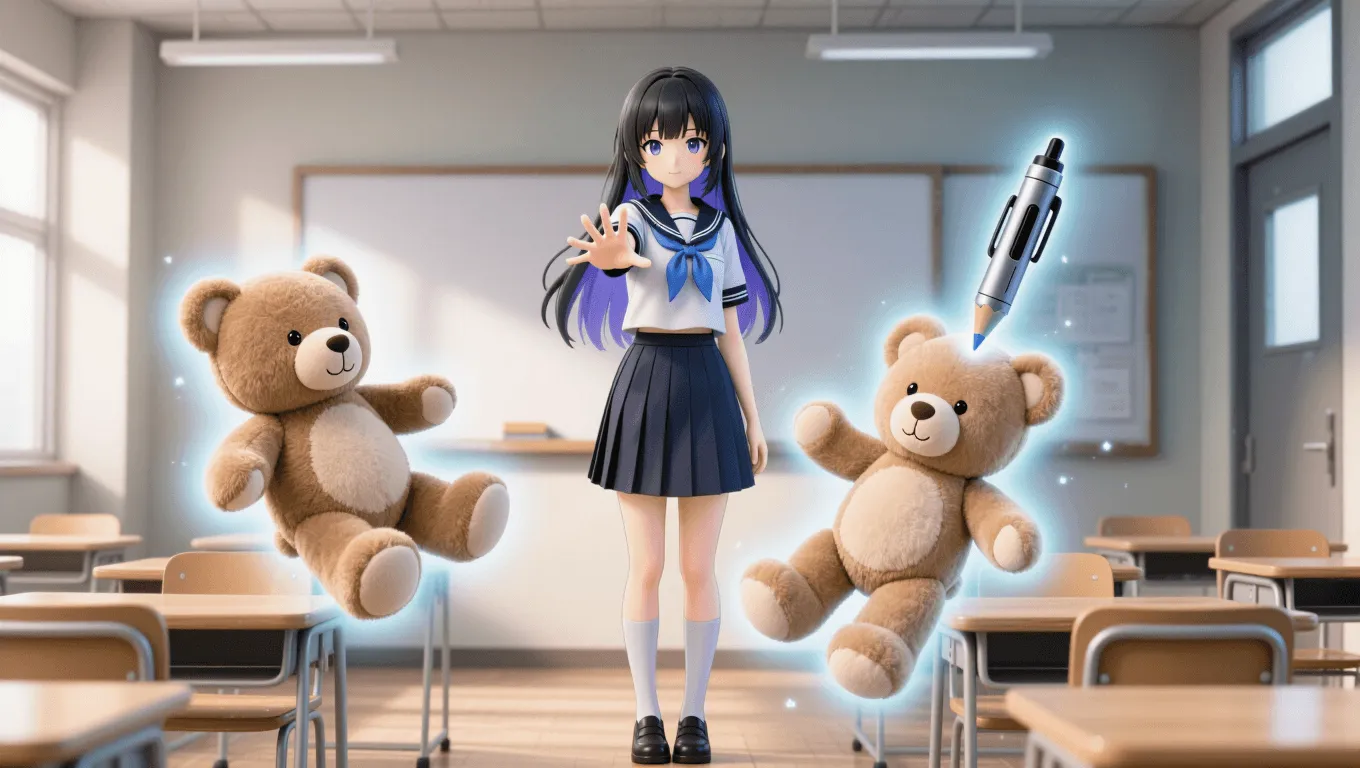
Capabilities include:
- Bringing toys or tools to life
- Controlling simple movements
- Maintaining limited command range
- Animating objects temporarily
Weaknesses:
- Small number of controlled objects
- Limited durability
- Poor intelligence in creations
A beginner may animate only one or two items at a time.
Level 2 🌇 — Advanced Animator
The user gains stronger control and can animate larger or more complex objects.
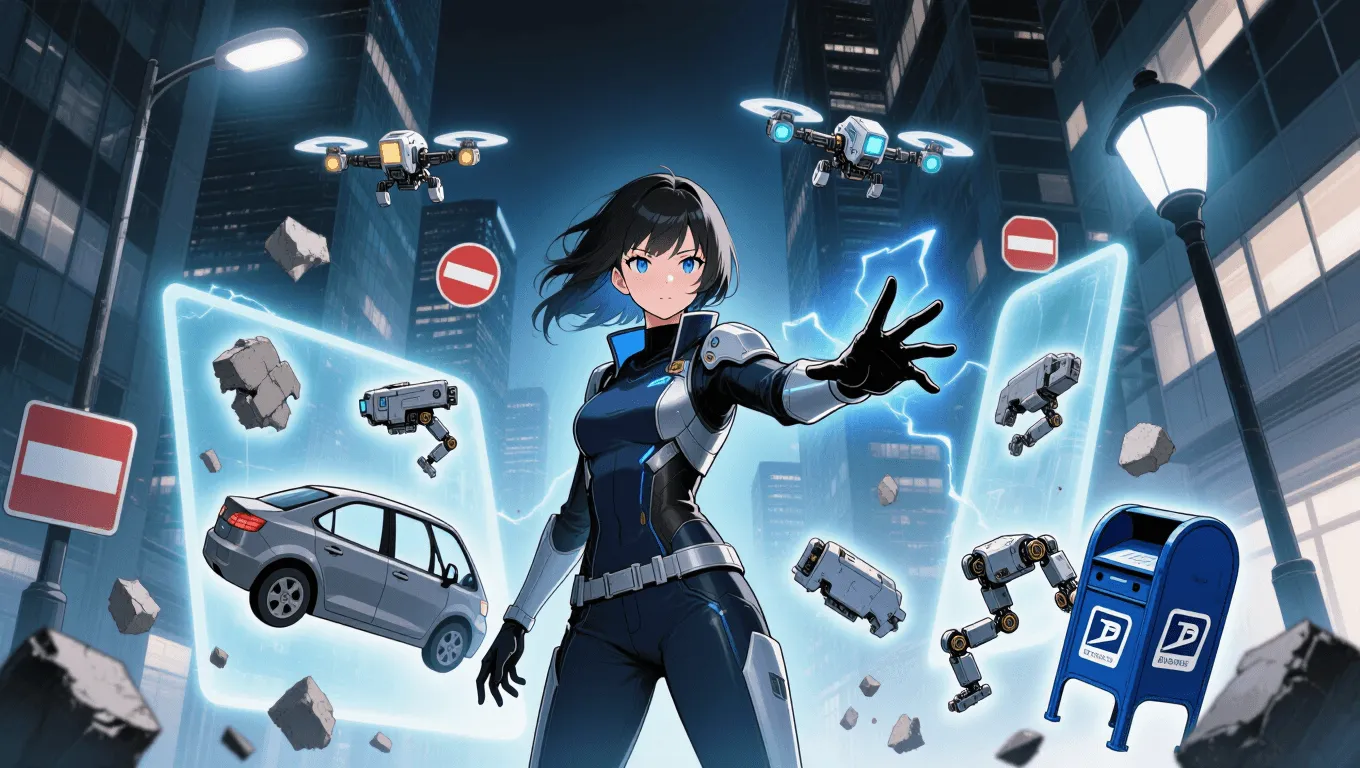
Capabilities include:
- Simultaneous multi-object control
- Tactical combat coordination
- Semi-intelligent constructs
- Enhanced durability in animated objects
At this stage, the user can dominate rooms, streets, or buildings by weaponizing the environment.
Level 3 🌃 — Master Animator
At maximum power, the user can animate massive structures or create entire living armies.
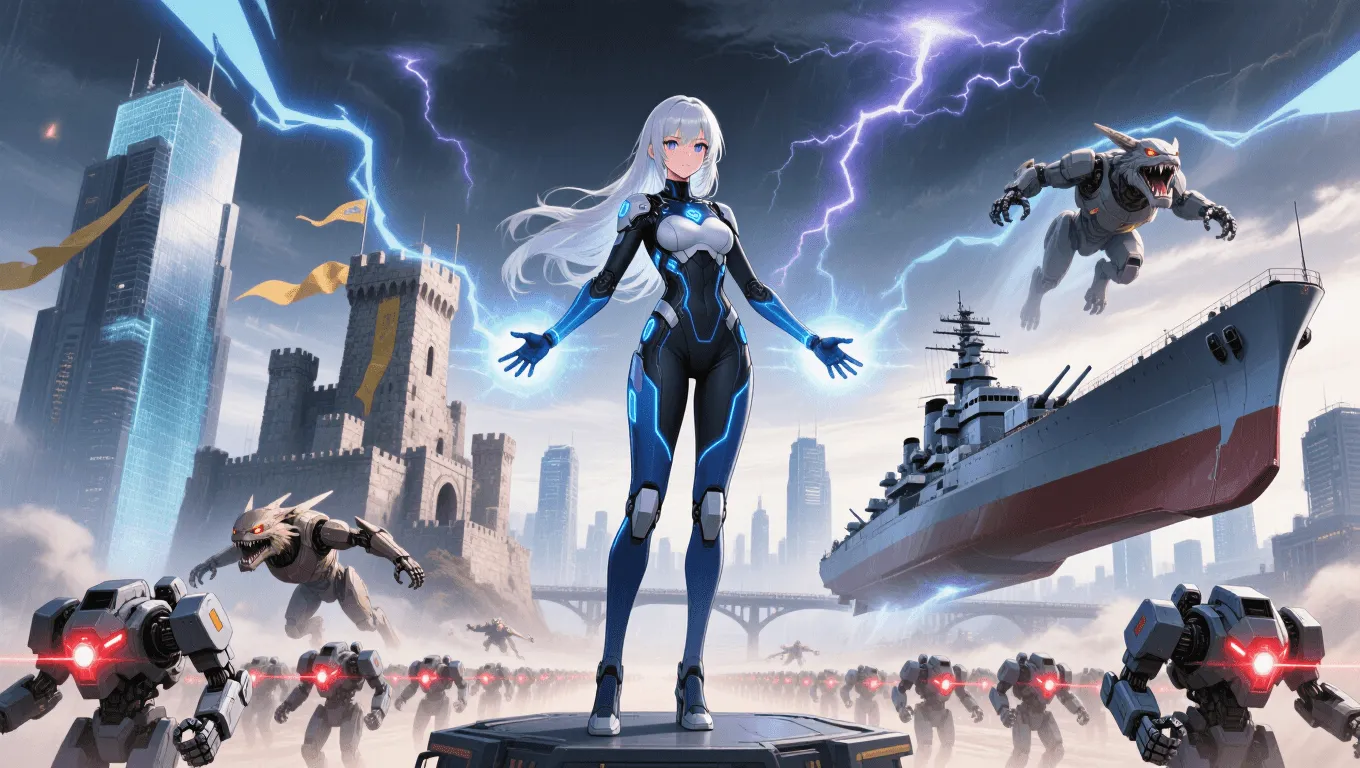
Capabilities include:
- City-scale environmental control
- Sentient construct creation
- Autonomous animated armies
- Permanent life creation
- Massive object manipulation
A master Animator could theoretically awaken castles, ships, skyscrapers, or entire mechanical armies.
Limitations of Using the Animation
Despite its versatility, Animation has several weaknesses that prevent it from being unstoppable.
Requires Nearby Objects
Users depend heavily on available materials. Empty environments provide fewer resources to animate.
Mental Strain
Controlling many animated constructs simultaneously can overwhelm concentration and mental stamina.
Distance Restrictions
Some users lose control when objects move too far away.
Fragile Creations
Animated objects often retain the weaknesses of their original material. Wooden constructs can burn, glass creations can shatter, and metal may rust or melt.
Energy Consumption
Powerful animations may drain magical energy, stamina, or psychic power rapidly.
Complex Objects Are Harder to Control
Machines, vehicles, or massive structures may require enormous skill and concentration.
Vulnerability to Disruption
Anti-magic abilities, electromagnetic interference, or psychic disruption can disable animated constructs.
Weakness against what other superpowers
Animation can be countered effectively by several other powers.
Telekinesis
A telekinetic opponent may seize control of animated objects or overpower them with superior force manipulation.
Technopathy
Technology-based animated constructs become vulnerable to hacking or electronic control.
Fire Manipulation
Many animated materials are vulnerable to flames, especially wood, cloth, or paper creations.
Matter Disintegration
Disintegration powers can instantly destroy constructs regardless of size.
EMP Abilities
Mechanical or robotic animated objects may shut down under electromagnetic attacks.
Mind Control Resistance
Since many animated constructs lack true consciousness, powers based on emotional manipulation may fail against them. However, intelligent creations may still become vulnerable.
Super Speed
Extremely fast opponents can bypass slower animated armies before the user reacts.
Synergistic Power Combos
Animation becomes significantly more dangerous when combined with complementary abilities.
Animation + Telekinesis
The user gains precise aerial control over animated objects, allowing complex attack patterns and improved mobility.
Animation + Size Manipulation
Tiny animated objects become stealth assassins, while giant animated structures become devastating siege weapons.
Animation + Elemental Powers
An animated fire statue or living ice weapon becomes far more dangerous than ordinary constructs.
Animation + Reality Warping
Reality manipulation allows impossible creations that ignore physics entirely.
Animation + Shadow Manipulation
Living shadows combined with animated objects create terrifying stealth-based constructs.
Animation + Artificial Intelligence
Technology users may create fully sentient robotic armies.
Animation + Summoning
The user can combine summoned creatures with animated environments for overwhelming battlefield presence.
Known Users
Many fictional characters and magical beings demonstrate powers similar to Animation.
Pinocchio
One of the most famous examples of an animated object becoming alive is Pinocchio, the wooden puppet transformed into a living being. Although not a combat-oriented user, the story perfectly represents the concept of Animation. Learn more at Disney.
Fantasia Brooms
The enchanted brooms from Fantasia demonstrate uncontrolled object animation, where ordinary cleaning tools become self-operating magical constructs.
Alphonse Elric
Alphonse’s soul bound to armor reflects a variation of Animation involving spiritual binding and living constructs.
Tsukumogami
In Japanese mythology, Tsukumogami are everyday household objects that gain life after existing for many years, making them classic examples of animated objects.
The Sorcerer’s Apprentice
The Sorcerer’s Apprentice demonstrates the dangers of uncontrolled Animation magic when enchanted tools multiply beyond control.