
Ash Generation
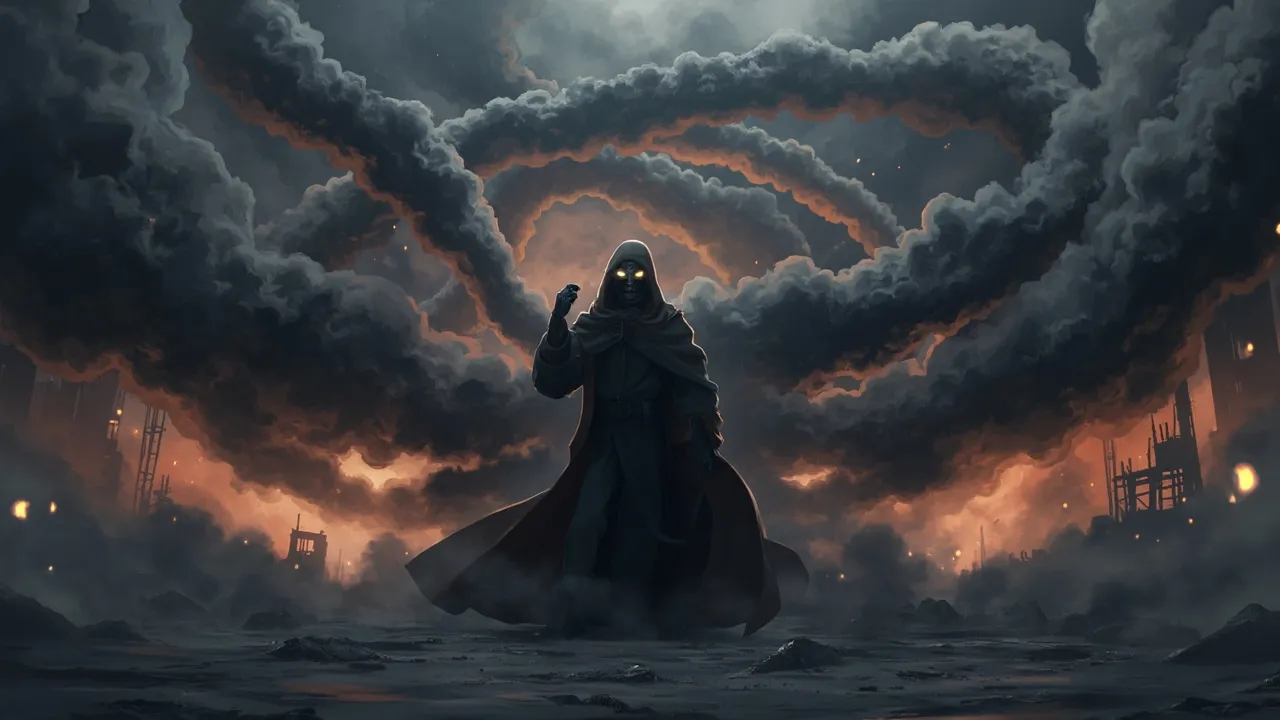
Ash Generation Video Demo 🎬
Table of Contents
Ash Generation is the ability to create and control ash clouds from burnt material, shaping combustion residue into a tactical resource. Rather than relying on raw flames, a user weaponizes what fire leaves behind: soot, cinders, and fine particulate matter. In the wider superpower ecosystem documented on the Superpower Wiki list, Ash Generation stands out for its mix of stealth, crowd control, and battlefield manipulation—especially in environments where burning, rubble, or prior destruction already exists. For a quick inspiration spark, it also pairs naturally with ideas pulled from the random superpower generator.
Core abilities of Ash Generation
Ash Generation revolves around two linked talents: production and control.
-
Ash creation from burnt material: The user can draw ash from existing burned sources (charred wood, scorched fabric, ruined structures, fire pits, volcanic deposits, crematory remains in darker settings, etc.). Depending on the setting, this can be framed as summoning ash out of “spent fuel,” or accelerating the breakdown of already-burnt matter into usable particulate.
-
Ash cloud control: The user can move, expand, compress, or split ash clouds with precision. This overlaps with particulate manipulation, soot control, and cinder generation themes.
-
Density shifting: By compacting ash, the user can create thicker curtains for concealment, semi-solid barriers, or impact-dampening pads. By dispersing it, they create wide-area haze for denial and confusion.
-
Shaping and “ash constructs”: With enough finesse, ash can be sculpted into simple forms—blunt weapons, wedge-like shields, caltrop-like spreads, or binding wraps. These constructs are typically fragile compared to metal or stone, but they excel at distraction, obstruction, and temporary restraint.
-
Sensory interference: Fine ash irritates eyes, coats lenses, clogs filters, and muddles scent trails. In superhero terms, it is a debuff tool: lowering enemy accuracy, disrupting line-of-sight powers, and breaking target locks.
-
Residual heat and ember trickery: Even when “ash” is the focus, the user can exploit lingering hot cinders for minor burn hazards, feints, or zone control—without needing full fire generation.
Because ash behaves like a hybrid of dust and smoke, Ash Generation often feels like a cousin to smoke manipulation and sand manipulation—but with a distinct identity tied to burned matter, gray/black particulate, and the symbolism of aftermath.
Application / Tactical Advantages in Combat
Ash Generation is rarely about a single decisive strike. It wins fights by changing what a fight is allowed to look like.
-
Concealment and repositioning: A well-placed ash veil breaks sightlines, enabling flanks, retreats, rescues, or stealth takedowns. It can also hide allies’ movements or conceal traps.
-
Area denial: Ash can make zones “unpleasant” to occupy—irritating eyes and lungs, reducing traction, and forcing opponents to reposition. It is especially effective against ranged teams that rely on clear lines of fire.
-
Target disruption: Ash coats optics, drones, and visors; it can also obscure hand signs, weapon aim, or subtle tells in close combat.
-
Crowd control without lethal force: In many portrayals, ash can be used to disarm, separate, and corral opponents rather than outright injure them—pinning feet, clogging mechanisms, or creating soft barriers.
-
Anti-tracking and escape: Ash muddles footprints and scent trails, and it can be used as a countermeasure against surveillance by “snowing” particulate over cameras and sensors.
-
Environmental synergy: Any location with prior fire damage, industrial soot, campfires, or volcanic dust becomes a resource node. In a ruined city, Ash Generation can feel nearly limitless.
In team combat, Ash Generation is a force multiplier: it makes allies harder to hit, easier to hide, and safer to reposition—while making enemies hesitate and misread the battlefield.
Level: Level 1 🏙️, Level 2 🌇, Level 3 🌃
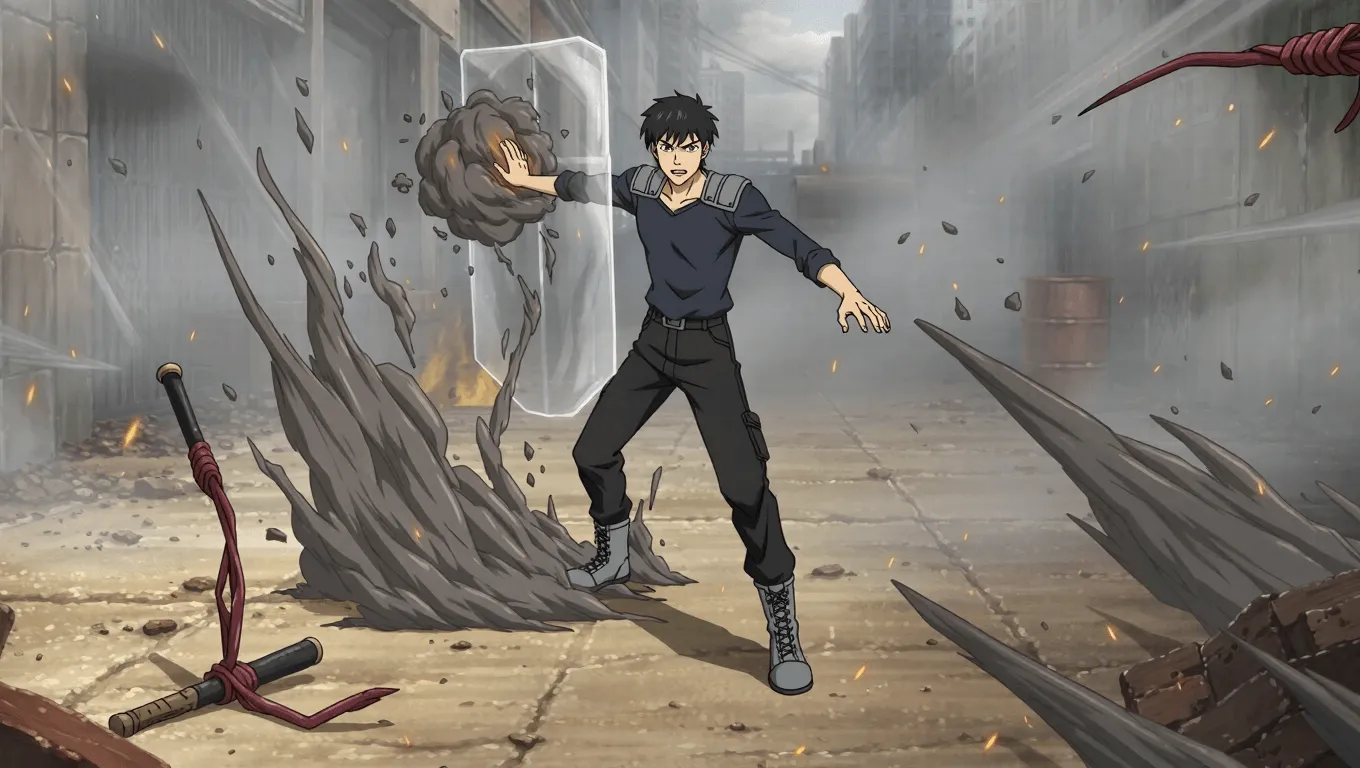
Level 1 🏙️: Street-Scale Ash Handling
At Level 1, the user can reliably summon and guide small-to-moderate ash clouds from nearby burnt sources.
-
Creates short-lived ash screens for cover or getaway
-
Throws compact “ash bursts” to blind or stagger
-
Forms simple shapes (thin shields, clumsy clubs, gritty binds) that crumble under sustained force
-
Controls ash within a limited radius and struggles against strong wind or heavy rain
This level is ideal for ambushes, escapes, and close-quarters control, but it depends heavily on terrain and available burned material.
Level 2 🌇: Tactical Battlefield Control
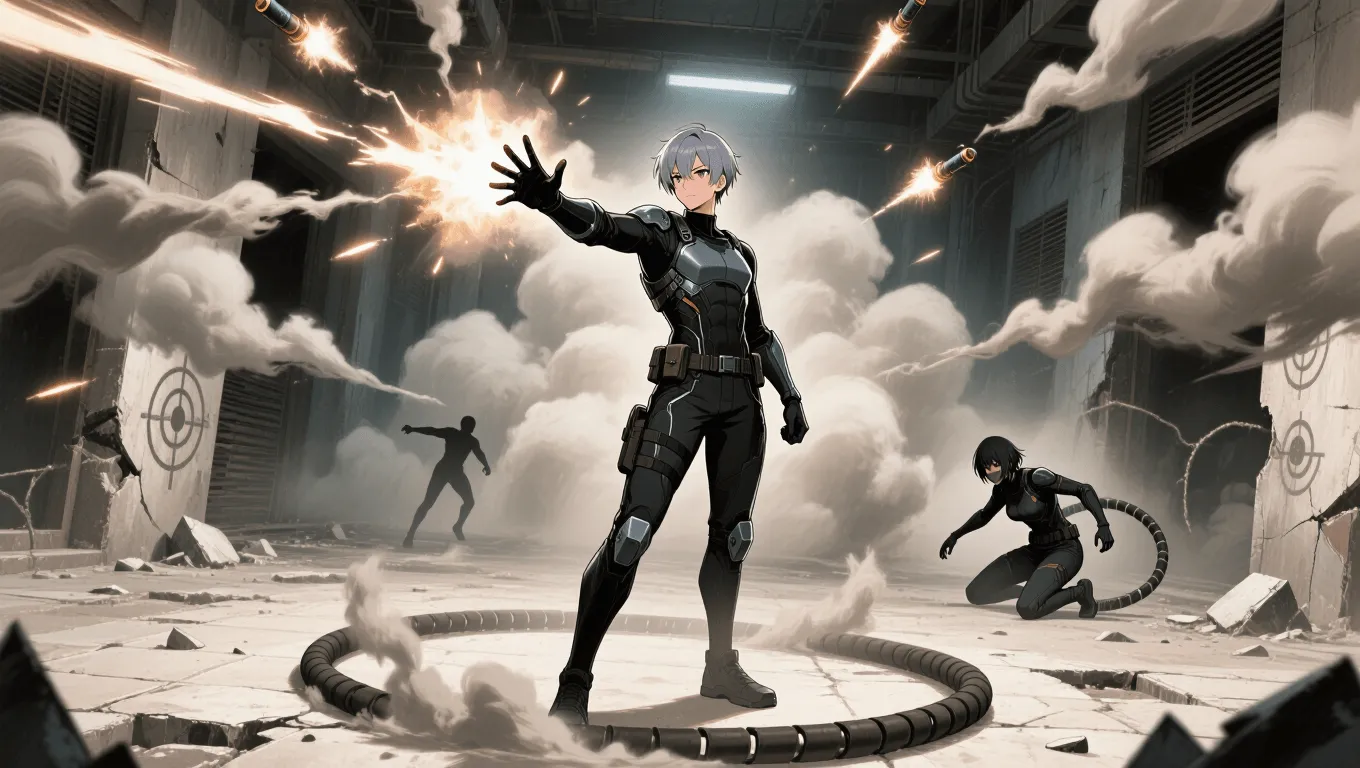
At Level 2, Ash Generation becomes a true battlefield toolkit.
-
Sustains wider ash storms across multiple lanes or rooms
-
Compresses ash into denser walls that can briefly deflect projectiles or dampen explosions
-
Splits control into multiple “streams” (one cloud blinds, another anchors footing, a third masks an ally)
-
Improves precision: ash can be threaded through vents, under doors, or around corners
-
Starts to “write” with ash—marking targets, tracking movement by coating surfaces, or forming decoy silhouettes
At this tier, the user can dictate tempo: forcing enemies to fight on ash terms, not their own.
Level 3 🌃: City-Dominating Ash Mastery
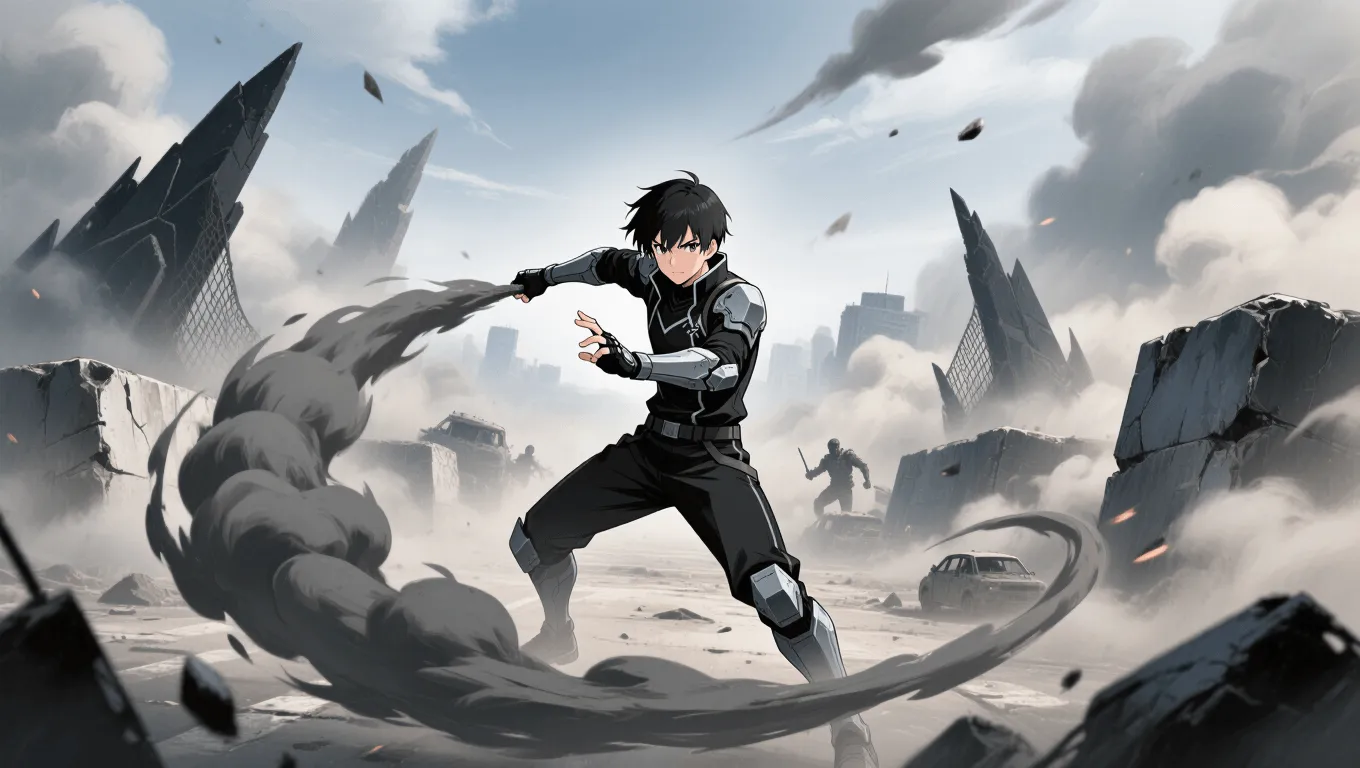
At Level 3, Ash Generation can reshape large-scale engagements and create signature set pieces.
-
Generates massive ash fronts from widespread burn zones or accumulated soot, turning districts into low-visibility arenas
-
Forms hardened ash bulwarks through extreme compression (still brittle compared to rock, but surprisingly resistant in the moment)
-
Creates layered ash ecosystems: outer haze for confusion, mid-layer for choking/irritation, inner layer for targeted binds and “construct” strikes
-
Executes precision “ash sculpting” quickly: spikes, nets, ramps, and moving cover
-
Uses ash as a battlefield sensor: subtle shifts in cloud flow can reveal enemy movement, much like reading ripples in water or dust in light
At this tier, opponents must treat ash as a permanent hazard—like fighting inside a controlled storm.
Limitations of using the Ash Generation
Ash Generation is powerful, but it is not free.
-
Dependency on burnt material: The core constraint is supply. In a pristine, wet, or sterile environment with no burned matter, the user may be severely limited.
-
Weather vulnerability: Strong wind disperses ash and breaks formations. Heavy rain, mist, or high humidity causes ash to clump, fall, and lose its “cloud” utility.
-
Filtration and sealed systems: Enemies with sealed armor, respirators, or robust filtration reduce ash’s irritation and choke value.
-
Control complexity: Managing density, motion, and shape takes focus. Multitasking in chaos can cause clouds to drift, thin out, or backfire on allies.
-
Friendly fire risk: Ash does not discriminate. Without discipline and coordination, it can blind teammates, contaminate allies’ lungs, or disrupt friendly sensors.
-
Cleanup and persistence: Ash settles. Prolonged use can leave telltale residue, reveal where the user has been, or create slippery terrain that affects everyone.
-
Limited stopping power: Even compressed ash barriers are typically temporary. Against heavy hitters, Ash Generation often buys time rather than wins through raw force.
Weakness against what other superpowers
Certain abilities naturally counter Ash Generation by removing, neutralizing, or exploiting particulate matter.
-
Wind manipulation and air blasts: Strong airflow disperses clouds, breaks constructs, and clears visibility.
-
Water manipulation and rain creation: Moisture forces ash to clump and drop, turning clouds into harmless sludge.
-
Vacuum creation / air removal: If the battlefield loses air movement entirely—or becomes a vacuum—ash loses its typical cloud behavior and becomes harder to “steer” as a screen.
-
Forcefields and barrier powers: Solid energy shields block ash infiltration, preventing the irritation and sensor-fouling that makes ash so annoying.
-
Light manipulation and enhanced vision: Some sight-based powers can pierce haze (thermal vision, echolocation, aura sight), reducing ash’s concealment advantage.
-
Heat manipulation (vitrification): Extreme heat can fuse ash into glassy slag, ruining its cloud utility and forcing it into heavier, less controllable chunks.
-
Magnetism (situational): If the ash is contaminated with metallic particulates, magnet users can yank it away—or weaponize it back at the ash user.
Ash Generation tends to dominate “normal” senses, so counters often come from environmental control (wind/water) or alternative perception (non-visual tracking).
Synergistic Power Combos
Ash Generation becomes nastier—and smarter—when paired with complementary abilities.
-
Fire generation: The classic partner. Fire creates the burned material pipeline; ash then becomes the follow-up control layer after the flames do their job.
-
Smoke manipulation: Smoke provides immediate concealment; ash adds weight, lingering residue, and the ability to form denser barriers and binds.
-
Sand manipulation / dust control: Sand provides mass and structure; ash provides stealth and fine particulate infiltration. Together, they can create storms that both obscure and strike.
-
Telekinesis: Telekinesis can stabilize ash constructs or throw compressed ash “slugs” with better impact than ash alone.
-
Air manipulation (friendly version): While enemy wind is a counter, allied micro-air control can sculpt ash precisely—keeping it off teammates while funneling it into enemy sightlines.
-
Darkness manipulation: Darkness plus ash turns visibility into a losing game, creating layered concealment that defeats most conventional aiming and targeting.
-
Heat resistance / toxic immunity (self-buff): If the user is immune to irritation and heat, they can fight inside their own ash storms without penalty, making the environment uniquely hostile to everyone else.
These combos push Ash Generation from “annoying control power” into “battlefield architecture.”
Known Users
Because Ash Generation is a niche ability, it’s often represented through adjacent “ash/cinder/aftermath” powers in comics—characters who turn matter to ash, weaponize cinders, or operate thematically in the residue of fire.
-
Ash (Event Comics) — A firefighter-themed superhero whose powers are primarily fire-based and heat-centric, but often discussed in the same conceptual neighborhood as cinders, smoke, and aftermath-style abilities.
-
Ash (Dakotaverse) — A DC character described with the power to disintegrate inorganic matter, thematically aligning with “turning things to ash/dust” effects that resemble ash production in practice.
-
Ash II (Prime Earth) — A DC character tied to volcano-based powers, which commonly implies ash, soot, and volcanic debris as part of the visual and tactical kit in ash-adjacent portrayals.
For broader “ash manipulation” examples across fiction, many databases group ash control under ash manipulation as a defined capability category.