
Aversion

Aversion Video Demo 🎬
Table of Contents
Aversion is a superpower built entirely around a specific weakness. A character with Aversion is disempowered when exposed to a chosen object, event, or emotion, turning that vulnerability into a core part of their identity. Rather than being a simple drawback, Aversion can shape every aspect of a hero or villain’s story, combat style, and roleplaying choices. In many RPGs and superhero settings, Aversion acts like a kryptonite-style flaw that balances otherwise overwhelming abilities and creates dramatic tension.
What Is Aversion?
Aversion is a superpower where the character’s strength is directly tied to avoiding a trigger. That trigger can be:
-
A particular object or material (silver, iron, mirrors)
-
A specific event (sunrise, eclipses, broken promises)
-
An intense emotion (fear, guilt, rage, love)
When exposed to this trigger, the character’s powers weaken, fail, or even shut down entirely. In some settings, Aversion might also inflict extra penalties such as pain, confusion, or paralysis.
Crucially, Aversion is not just “being afraid” of something. It is a supernatural, metaphysical, or narrative rule that governs how the character’s powers function. This makes it highly customizable for tabletop RPGs, superhero campaigns, or character creation tools like a random superpower generator.
For worldbuilders and GMs, Aversion is a powerful design tool that turns an overpowered character into a balanced, story-rich hero. When used alongside other abilities from a broader superpower wiki, it can define a character’s fate as much as any flashy attack.
Core Abilities of Aversion
Trigger-Bound Disempowerment
The primary effect of Aversion is simple: exposure to the trigger disempowers the character.
Common results include:
-
Loss of all active abilities
-
Severe weakening of strength, speed, or magic
-
Reduced durability or defenses
-
Increased damage taken from all sources
Mechanically, this might translate to disadvantage on rolls, halved damage, reduced stats, or full power nullification. Narratively, it feels like a switch being flipped: the unstoppable becomes vulnerable in an instant.
Flexible Trigger Design
Aversion’s “ability” lies in its flexibility. The trigger can be tailored to match:
-
The character’s backstory (guilt tied to a tragic event)
-
The setting’s lore (holy symbols affecting dark magic users)
-
The campaign’s themes (love or hope weakening a ruthless warlord)
This flexibility makes Aversion a modular superpower that can be layered onto any main ability set—energy manipulation, time control, soul magic, and more—without changing the core mechanics of those powers.
Psychological and Narrative Impact
Even though Aversion is a weakness, it comes with narrative strength:
-
It shapes how the character behaves and plans.
-
It creates tension in scenes where the trigger might appear.
-
It gives enemies a concrete way to threaten the hero beyond raw damage.
Some characters may develop a sixth sense for their trigger, an obsessive vigilance, or rituals to avoid it. This psychological component can be roleplayed heavily, turning Aversion into a defining personality trait.
Application / Tactical Advantages in Combat
At first glance, Aversion looks purely disadvantageous. However, it can offer unique tactical and storytelling advantages when used thoughtfully.
Risk–Reward Combat Style
Knowing they can be shut down, Aversion users tend to:
-
Strike fast and decisively before the trigger appears.
-
Build strategies around mobility, misdirection, and control.
-
Keep fights away from locations or people that can invoke their Aversion.
This encourages aggressive, high-impact play. The character may be terrifyingly strong under normal conditions, making encounters feel more cinematic while keeping a clear lever for balance.
Mind Games and Information Warfare
If the trigger is secret, Aversion becomes a psychological weapon:
-
The user must protect that secret at all costs.
-
Enemies are incentivized to investigate, interrogate, and manipulate.
-
Revealing or misdirecting about the trigger becomes part of the strategic game.
A clever Aversion user might even plant false rumors about a different weakness to bait enemies into bad plans.
Story and Roleplaying Hooks
In a roleplaying-heavy campaign, Aversion is pure gold:
-
Emotional triggers tie directly into character arcs (love, regret, betrayal).
-
Event-based triggers hook into setting events (eclipses, festivals, wars).
-
Object-based triggers can drive quests (destroying cursed relics, purifying holy symbols).
This makes Aversion a natural fit for characters whose power is as much about story as it is about damage numbers.
Level: Level 1 🏙️, Level 2 🌇, Level 3 🌃
As characters grow, Aversion doesn’t just vanish. Instead, it evolves, becoming more nuanced and sometimes more dangerous.
Level 1 🏙️ – Simple Vulnerability
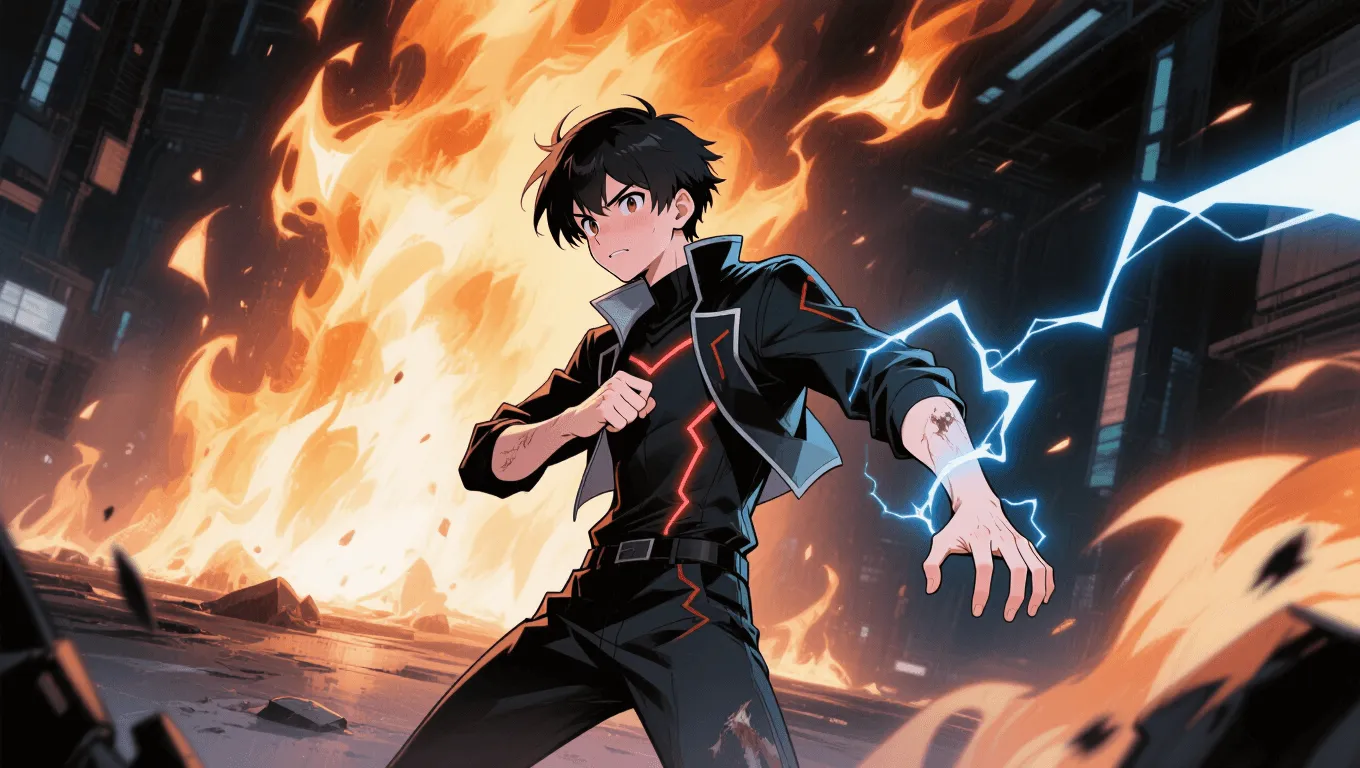
At Level 1, Aversion is straightforward:
-
The trigger is clear and easily understood (e.g., direct exposure to fire, the sight of blood).
-
When exposed, the character loses access to their main power set or suffers a major penalty.
-
There is little or no way to resist the effect.
This stage works well for early-game heroes or new players learning how weaknesses shape play. The trigger is obvious, and the consequences are predictable.
Level 2 🌇 – Complex Conditions
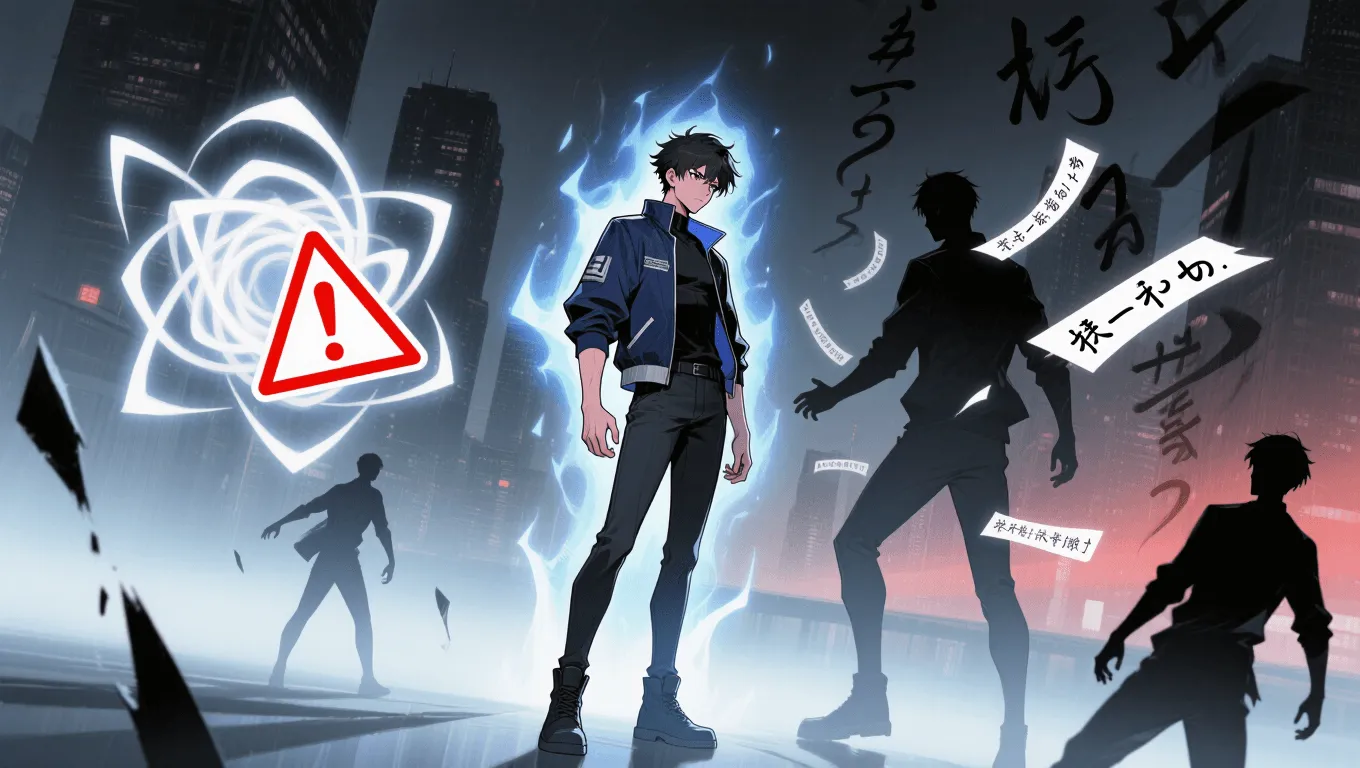
At Level 2, Aversion becomes more layered:
-
The trigger might be more abstract (e.g., hearing a specific phrase, failing to uphold a vow, feeling intense guilt).
-
The disempowerment can scale with intensity. Mild exposure causes penalties; direct exposure fully shuts down powers.
-
The character may gain limited resistance, such as brief moments of defiance or the ability to function at partial strength.
Here, Aversion is harder to manage but also more interesting. The GM or storyteller can weave the trigger into social encounters, moral choices, and long-term plots.
Level 3 🌃 – Double-Edged Fate
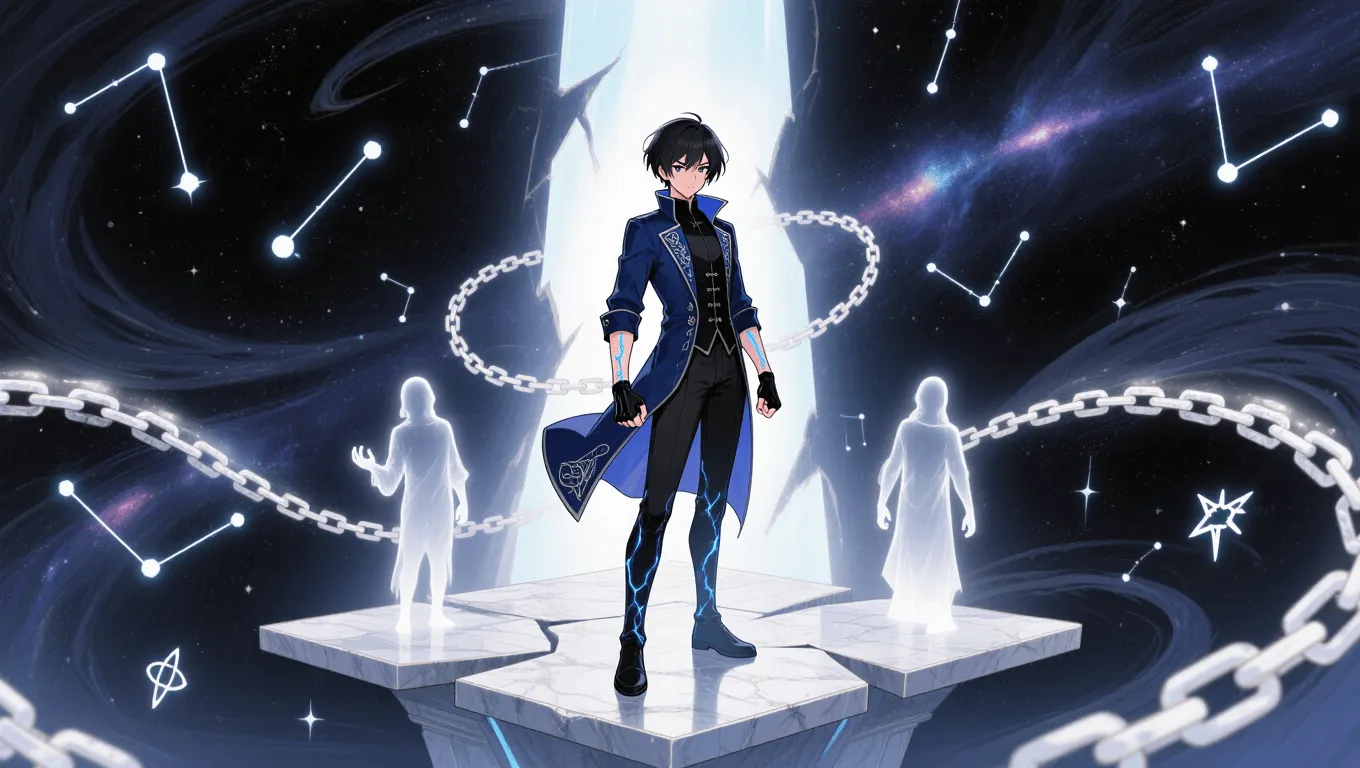
At Level 3, Aversion is deeply entwined with destiny:
-
The trigger may be tied to prophecy, cosmic law, or the character’s own soul.
-
Exposure not only disempowers but can trigger story-altering effects (visions, possession, transformation, or forced choices).
-
The character might gain powerful benefits when far from their trigger, making their baseline stronger than most, at the cost of catastrophic weakness when exposed.
At this highest level, Aversion becomes a defining axis of the campaign. The party might plan entire operations around keeping the Aversion user away from certain places, people, or emotions.
Limitations of Using the Aversion
Because Aversion is fundamentally a weakness-based superpower, it comes with clear limitations:
-
Predictable Exploit: Once enemies know the trigger, they have a reliable way to neutralize the character.
-
Narrative Dependency: If the trigger rarely appears, the Aversion feels irrelevant. If it appears constantly, the character feels useless.
-
Emotional Load: Emotion-based Aversion can be intense to roleplay, especially if it leans on trauma, guilt, or fear.
-
Steep Cost: Unlike ordinary powers, Aversion never “turns into” a pure advantage. It is always a trade-off.
For game balance, GMs should coordinate with players to ensure the trigger appears often enough to matter, but not so often that the character is permanently sidelined.
Weakness Against What Other Superpowers
Aversion is especially vulnerable to certain types of superpowers and abilities:
-
Emotion Manipulation: Characters who can force emotions (fear, love, rage) can deliberately trigger an emotional Aversion, shutting the user down at will.
-
Illusion and Fearcraft: Illusionists can simulate the trigger (e.g., fake blood, visions of a tragic event) to evoke Aversion responses even without the real trigger present.
-
Environmental Control: Weather or terrain control can repeatedly expose object- or event-based Aversion (such as constant sunlight, storms, or sound).
-
Mind Control and Domination: Even if the Aversion user wants to avoid their trigger, mental control can force them into direct exposure.
-
Power Nullification: Because Aversion is already about losing power, any nullification or suppression ability stacks with it, leaving the user utterly helpless.
Understanding these counter-superpowers helps both sides of the table: Aversion users know what to fear, and GMs or adversaries know how to build compelling threats.
Synergistic Power Combos
Despite being a weakness, Aversion pairs surprisingly well with other abilities. Some strong combos include:
Aversion + Power Bestowal
A character who can grant powers to others but suffers Aversion themselves might:
-
Empower allies who are immune to the trigger.
-
Stay behind the scenes, acting as a strategist and support unit.
-
Create tense moments when their own trigger appears and they must rely entirely on their empowered team.
Aversion + Emotion Manipulation
If the Aversion user can manipulate emotions but has an emotional trigger, they live in constant danger of their own powers:
-
They can weaponize their trigger in others while struggling not to feel it themselves.
-
Scenes can revolve around them barely holding it together emotionally to stay functional in battle.
Aversion + Soul Manipulation
With soul-related abilities, Aversion might be tied to spiritual states:
-
Certain sins, memories, or soul-wounds trigger their disempowerment.
-
They can cleanse or reshape other souls while being haunted by their own unresolved scars.
Aversion + Defensive or Tank Powers
Giving an invincible or nearly invincible character a severe Aversion is a classic balancing trick:
-
Under normal circumstances, they are a wall of defense.
-
Once the trigger appears, they drop from unbreakable fortress to ordinary human.
-
This encourages thoughtful positioning and backup plans.
These combos are especially fun to design using a wide range of abilities from a broader superpower list, such as what you might find in a dedicated superpower wiki (/superpower-wiki/), or by rolling randomly on a generator (/).
Known Users
Because Aversion is a conceptual, weakness-based superpower, it often appears under different names or forms across fiction and RPGs. Common character types that embody Aversion include:
-
The cursed champion whose powers vanish in the presence of a sacred symbol.
-
The emotion-fueled warrior who becomes powerless when forced to confront their deepest guilt.
-
The sorcerer bound by cosmic law, losing all magic if they break a specific oath or taboo.
In mainstream comics, comparable ideas appear in characters whose powers are nullified by specific conditions. A classic example is Superman, whose otherwise overwhelming abilities fail in the presence of kryptonite. While this is not called Aversion in canon, it represents the same core concept: a defined, exploitable trigger that disempowers a mighty hero.
In your own campaigns, Aversion might be carried by:
-
A tragedy-marked paladin whose light fades when they witness innocent suffering.
-
A shadow mage whose darkness dissolves under direct midday sun.
-
A telepath who loses all psychic ability when they feel genuine romantic love.
Each of these characters uses Aversion not only as a balancing mechanic but as a storytelling engine, ensuring their greatest power always walks hand in hand with their greatest vulnerability.