
Bionic Physiology: Cybernetic Enhancement Explained

Bionic Physiology Video Demo 🎬
Table of Contents
Bionic Physiology is a powerful superhuman ability that involves replacing or enhancing biological body parts with cybernetic components. This transformation grants individuals extraordinary strength, durability, precision, and other enhanced physical capabilities beyond natural human limits. Often seen in science fiction and superhero universes, Bionic Physiology blends advanced technology with organic systems to create beings that are stronger, faster, and more resilient. As a featured ability in our superpower list, it stands out for its versatility and adaptability across both combat and everyday scenarios.
What Is Bionic Physiology
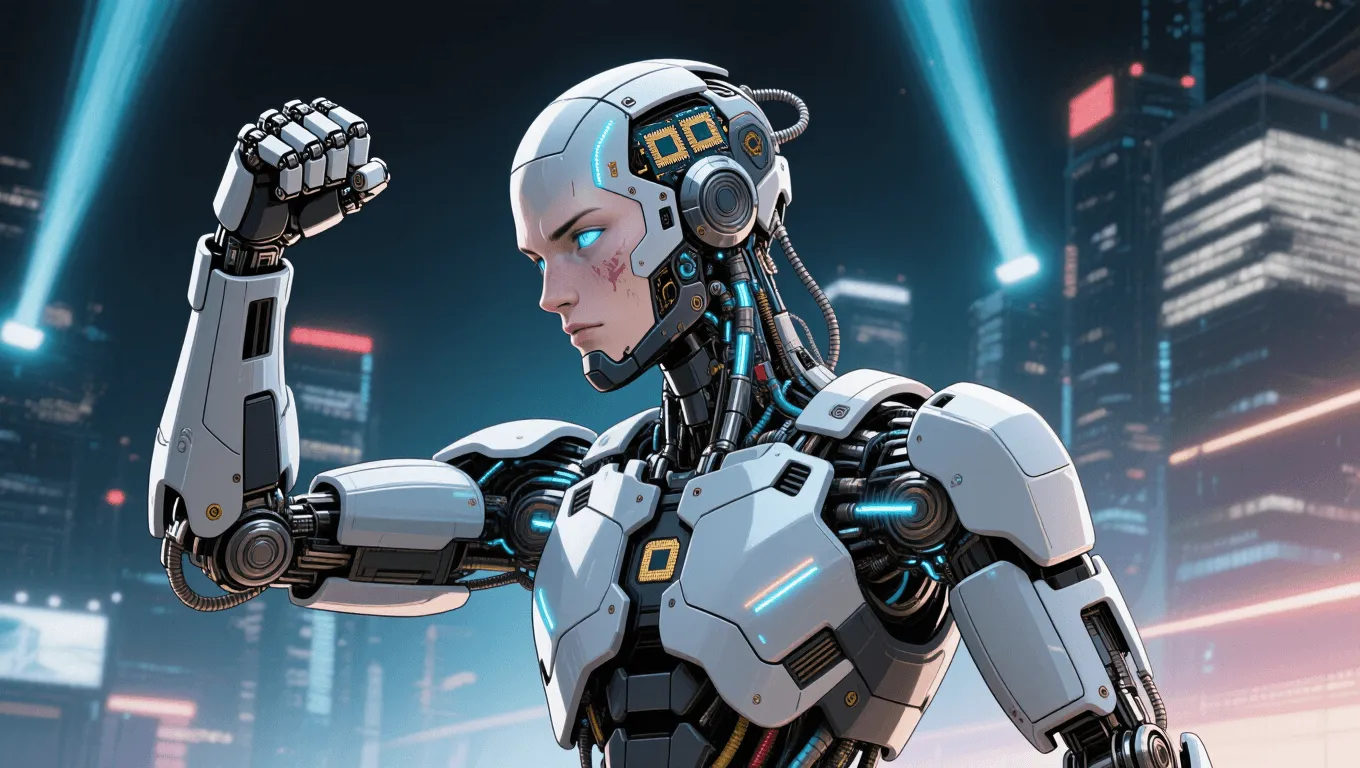
Bionic Physiology refers to a condition where a person’s body is partially or entirely augmented with mechanical or electronic components. These enhancements can range from simple prosthetic limbs with increased strength to fully integrated cybernetic systems that enhance sensory perception, reflexes, and cognitive processing.
Unlike natural superpowers, Bionic Physiology is often acquired through scientific or technological means rather than genetic mutation or mystical forces. It is closely related to concepts like cybernetic enhancement, biomechanical integration, and transhumanism.
Individuals with Bionic Physiology may retain their human consciousness while benefiting from machine-level efficiency. Depending on the level of augmentation, they can surpass peak human performance in nearly every physical category.
For more randomized abilities, explore the random superpower generator.
Core Abilities of Bionic Physiology
Enhanced Strength
Cybernetic limbs can generate far greater force than human muscles. Users can lift heavy objects, break through barriers, or overpower opponents with ease.
Superhuman Speed and Reflexes
Mechanical enhancements reduce reaction time and increase movement efficiency. Neural interfaces allow signals to travel faster than biological systems.
Durability and Damage Resistance
Bionic components are typically made from reinforced alloys or advanced materials, making the user highly resistant to physical damage, bullets, or environmental hazards.
Integrated Weapon Systems
Some users may have built-in weapons such as energy blasters, hidden blades, or projectile launchers embedded directly into their bodies.
Advanced Sensory Systems
Enhanced vision (infrared, night vision), auditory amplification, and scanning capabilities allow users to perceive their surroundings with extreme precision.
Self-Repair Mechanisms
High-level Bionic Physiology may include automated repair systems that fix damaged components without external assistance.
Application / Tactical Advantages in Combat
Bionic Physiology offers significant combat advantages due to its hybrid nature of machine precision and human adaptability.
- In close combat, enhanced strength and durability make the user extremely difficult to defeat. They can withstand hits that would incapacitate normal humans while delivering devastating counterattacks.
- At range, integrated targeting systems and built-in weapons provide superior accuracy and firepower. Users can calculate trajectories, predict enemy movement, and strike with precision.
- Tactically, enhanced sensors allow battlefield awareness far beyond human limits. Thermal imaging can detect hidden enemies, while motion tracking predicts incoming attacks.
- Additionally, the reduced need for rest or recovery allows prolonged engagement in combat scenarios, making bionic users ideal for endurance battles.
Level: Level 1 🏙️, Level 2 🌇, Level 3 🌃
Level 1 🏙️ – Basic Augmentation
At this stage, users have limited cybernetic enhancements such as a single prosthetic limb or minor sensory upgrades. They gain modest strength and durability improvements but still rely heavily on their biological body.

Level 2 🌇 – Advanced Integration
The user has multiple cybernetic parts integrated into their body. Strength, speed, and perception are significantly enhanced. Neural interfaces allow seamless coordination between organic and mechanical systems.

Level 3 🌃 – Full Cybernetic Body
At the highest level, the user is almost entirely mechanical with only minimal biological components remaining. They possess extreme strength, near-invulnerability, advanced AI-assisted processing, and self-repair capabilities.
Limitations of Using the Bionic Physiology
Despite its advantages, Bionic Physiology comes with several drawbacks.
- One major limitation is dependency on technology. Mechanical parts may require maintenance, repairs, or energy sources to function properly. If these systems fail, the user may become weakened or immobilized.
- Another issue is vulnerability to hacking or electromagnetic interference. Advanced cybernetic systems can be disrupted, disabled, or even controlled by external forces.
- There is also the psychological impact. Users may struggle with identity issues, especially if a large portion of their body is no longer human.
- Additionally, excessive reliance on mechanical components can reduce adaptability in unpredictable environments where technology may fail.
Weakness Against What Other Superpowers
Bionic Physiology is particularly vulnerable to certain types of abilities.
- Electromagnetic manipulation can disable or disrupt cybernetic systems, rendering the user ineffective.
- Technopathy is another major threat, as it allows opponents to control or corrupt the user’s mechanical components.
- Corrosion or acid-based powers can damage metal parts more easily than organic tissue.
- Energy-draining abilities may also affect power sources, limiting functionality.
- Finally, powers that target the mind or consciousness can bypass the physical advantages of Bionic Physiology entirely.
Synergistic Power Combos
Bionic Physiology becomes even more powerful when combined with complementary abilities.
- Pairing it with Artificial Intelligence Integration enhances decision-making and combat efficiency.
- Regeneration abilities can compensate for damaged biological components, creating a near-unstoppable hybrid system.
- Energy Manipulation can power cybernetic systems indefinitely, removing reliance on external energy sources.
- Enhanced Intelligence or Tactical Genius abilities allow users to fully utilize their cybernetic upgrades in strategic ways.
- Combining Bionic Physiology with Flight or Mobility Powers creates a highly versatile combatant capable of dominating both ground and aerial battles.
Known Users
Several iconic characters are known for possessing Bionic Physiology:
- RoboCop – A police officer transformed into a powerful cybernetic enforcer.
- Cyborg – A member of the Justice League with advanced technological enhancements.
- Adam Jensen – A heavily augmented human with cutting-edge cybernetic abilities.
- Alita – A warrior with a fully mechanized body and exceptional combat skills.
These characters demonstrate the vast potential of Bionic Physiology across different universes, showcasing its adaptability in both combat and storytelling.