
Camouflage Superpower Guide

Camouflage Video Demo 🎬
Table of Contents
The Camouflage superpower allows a character to visually blend with their surroundings, becoming extremely hard to detect with normal sight. Whether used by a patient sniper, a clever thief, or a stealth-focused hero, Camouflage turns the environment itself into a hiding place. In many fantasy, sci-fi, and superhero settings, this ability sits alongside invisibility, stealth, and illusion as one of the most iconic tools for surprise attacks and silent escapes.
As with all abilities in your setting, Camouflage can be customized, scaled, and combined with other powers. It can be subtle—softly muting colors to break up an outline—or almost supernatural, perfectly matching light, texture, and even motion. Understanding how it works, where it shines, and what counters it gives game masters and writers a powerful tool for storytelling and game balance. For more ideas and related skills, you can always browse your wider list of superpowers or roll something unexpected with a random superpower generator.
What Is Camouflage?
Camouflage is a visual stealth ability that lets a user adjust their appearance so they blend into their surroundings. Instead of becoming fully invisible, the user’s body mimics the colors, patterns, and sometimes textures of nearby objects—walls, foliage, shadows, crowds, or even digital environments.
In some settings, Camouflage functions like a living chameleon skin, shifting pigment on command. In others, it behaves more like adaptive armor or a cloaking field projected around the user. The key idea is always the same: the user remains physically present, but extremely difficult to see with normal vision.
Common in-universe explanations include:
-
Biological adaptation (chameleon-like skin, alien physiology, or magical metamorphosis)
-
Technological cloaking devices woven into armor or suits
-
Magical glamours that bend light or confuse observers’ perception
-
Psionic tricks that gently nudge attention away from the user
Compared to full invisibility, Camouflage is often slightly weaker but more grounded. It usually requires some environmental context: a user hiding in a featureless white room is much easier to spot than one crouching in a forest or urban alleyway. At the same time, Camouflage can be flavored as more flexible, allowing partial blending, pattern mimicry, and subtle distortion instead of a binary “visible/invisible” state.
Core Abilities of Camouflage
The Camouflage superpower can manifest in several core abilities, which you can mix and match depending on how strong you want the user to be.
Environmental Color Matching
The most basic feature is matching colors and general light levels. The user’s body and clothing shift to mirror dominant hues in the area—green and brown in forests, gray in concrete jungles, blue in dim neon-lit streets. This reduces contrast and makes it harder for observers to pick them out at a glance.
Pattern and Texture Imitation
More advanced versions allow mimicking patterns: brickwork, foliage shapes, rocky surfaces, or patterned flooring. At higher levels, the user can replicate fine details like cracks, stains, or leaf clusters, making them look like an actual part of the scene rather than a vaguely colored blob.
Dynamic Adaptation
A powerful Camouflage user can adapt on the fly. As they move from shadow to light or from one background to another, their appearance shifts in real time. This makes them effective not just at hiding statically, but also at sneaking through varied environments without easily drawing the eye.
Silhouette Disruption
Even if colors match, a human-shaped outline is still suspicious. Silhouette disruption subtly distorts the user’s outline, breaks up their body shape, or creates misleading edges. In game terms, this can translate into penalties for enemies trying to target them, or bonuses to stealth checks.
Conditional Transparency
Some interpretations of Camouflage blur the line with invisibility. The user may become slightly translucent, particularly at the edges, making it harder to focus on them. They might not vanish completely, but their presence becomes ghostlike, forcing opponents to actively search rather than simply look.
Application / Tactical Advantages in Combat
Camouflage is primarily a stealth power, but it has a wide range of tactical uses in combat and infiltration scenarios.
-
Ambush and surprise attacks: The most straightforward use is to hide until the perfect moment, then strike. This can grant bonuses to the first attack, automatic surprise rounds, or additional damage from stealth.
-
Sniping and ranged harassment: Characters can remain hidden on rooftops, in trees, or behind rubble while picking off targets from afar. It makes counter-sniping them much harder.
-
Infiltration and reconnaissance: Camouflage users excel at slipping through guarded areas, listening in on conversations, or mapping enemy positions. They can easily serve as scouts for a team.
-
Escape and evasion: When things go wrong, blending into the environment lets the user shake pursuers, break line of sight, and escape through side alleys, vents, or forest paths.
-
Psychological warfare: Enemies that never know where the next attack is coming from quickly become paranoid and disorganized. Camouflage can be used to sow fear, misinformation, and confusion.
In many systems, Camouflage provides mechanical bonuses such as:
-
Advantage or bonuses on stealth and hiding attempts
-
Disadvantage or penalties for enemies trying to detect, shoot, or track the user
-
Reduced chance to be targeted by area-of-effect attacks that require line of sight
Game masters can also treat Camouflage as a tool to create tension scenes, such as invisible stalkers in a jungle or a stealthy hero infiltrating a villain’s fortress.
Level: Level 1 🏙️, Level 2 🌇, Level 3 🌃
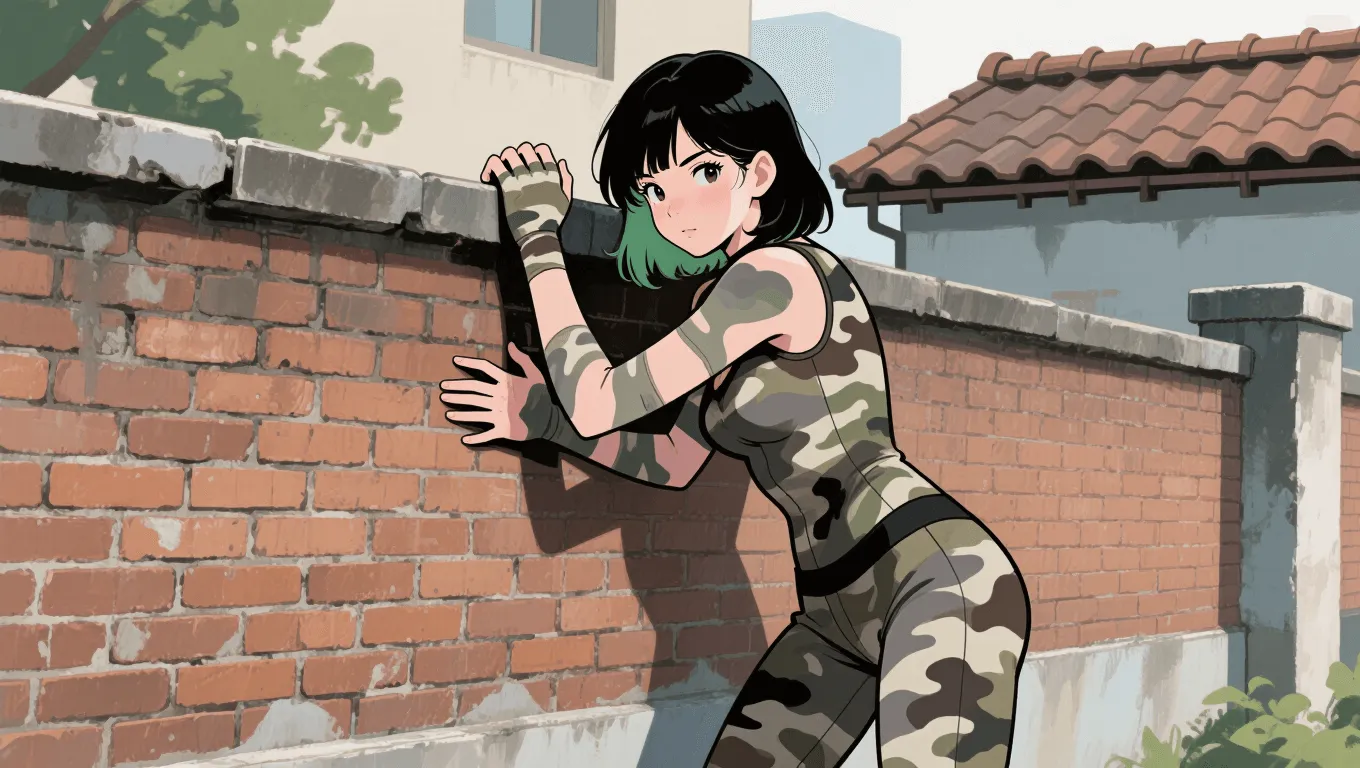
Level 1 🏙️ – Urban Street Camouflage
At Level 1, Camouflage is limited but still useful.
-
The user can roughly adjust their colors and brightness to match common backgrounds (brick walls, rooftops, alleyways, simple foliage).
-
The effect works best while stationary or moving very slowly. Quick movement breaks the illusion.
-
Complex patterns like graffiti or detailed textures are beyond their abilities; they can only blend in broad strokes.
Mechanically, Level 1 might grant small bonuses to stealth in dim light, shadows, or cluttered environments. It is situational and easily foiled with active search, bright lights, or motion sensors.
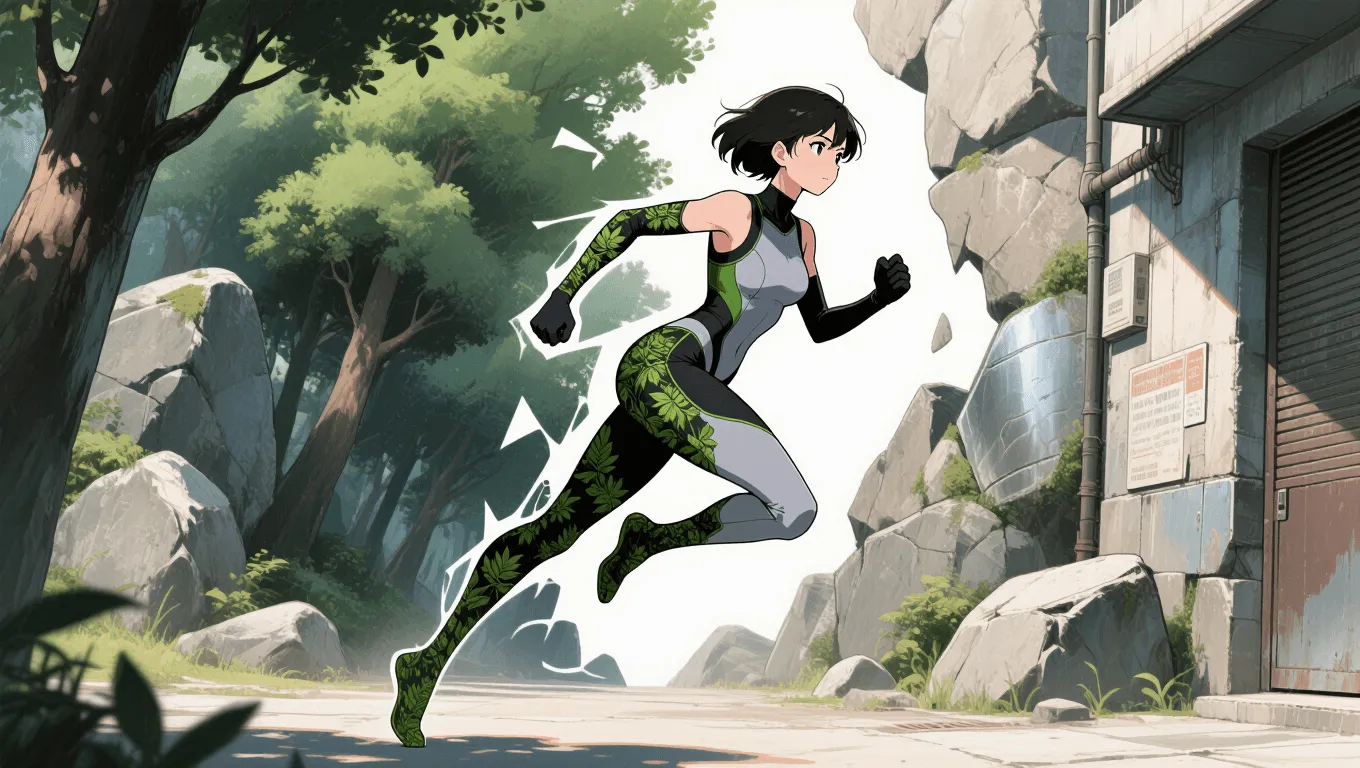
Level 2 🌇 – Adaptive Environmental Camouflage
At Level 2, the power becomes more advanced and versatile.
-
The user can dynamically adapt when moving between different backgrounds, staying partially hidden even while walking or running.
-
Patterns and textures are mimicked with greater fidelity, including foliage, stone, metal, or basic signage.
-
Silhouette disruption begins to appear, making it harder for foes to track the user’s outline in combat.
In game terms, Level 2 provides strong bonuses to stealth, makes surprise attacks easier, and can even impose detection penalties on enemies who are distracted, injured, or fighting in poor conditions. Characters at this level are effective infiltrators and skirmishers.
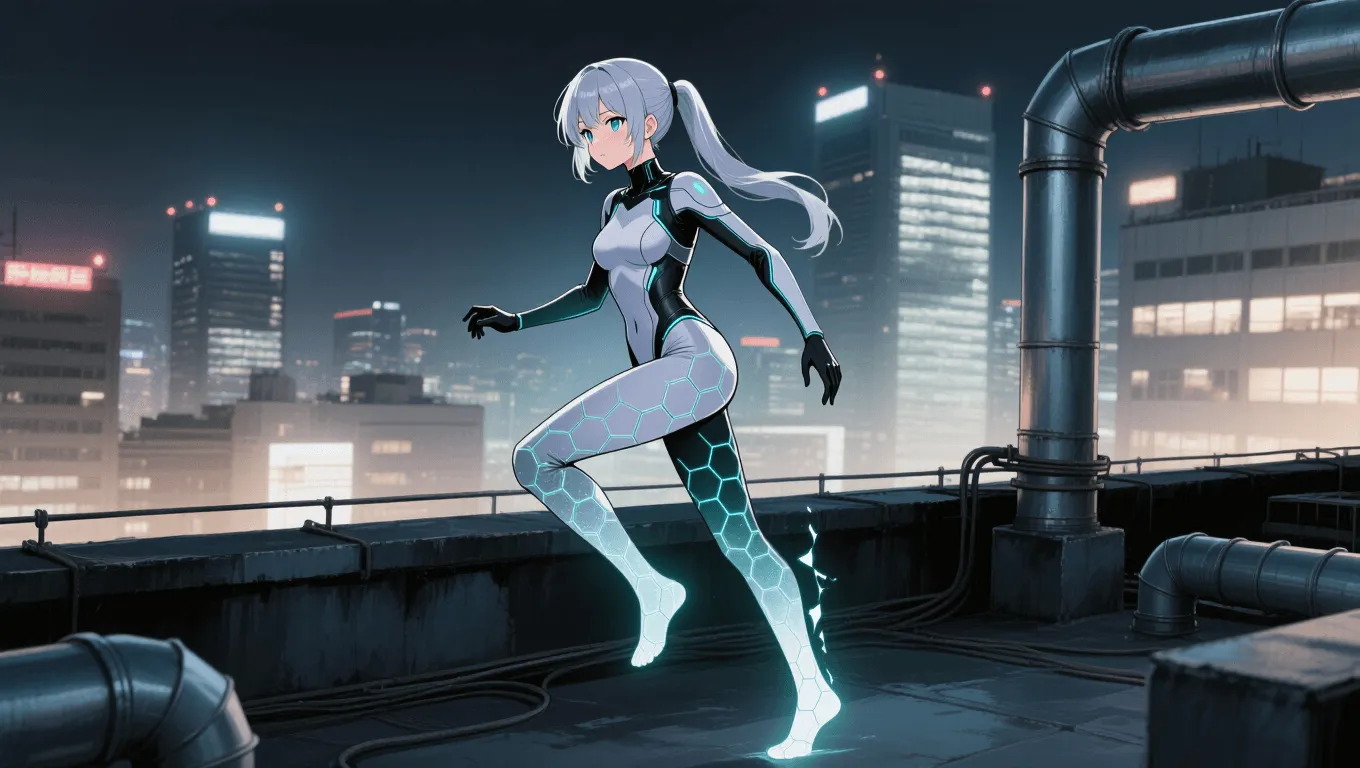
Level 3 🌃 – Master of the Invisible Hunt
At Level 3, Camouflage borders on supernatural stealth.
-
The user can blend seamlessly even in motion, barely rippling against any background.
-
Fine details, including shadows and reflected light, are mimicked, making them extremely difficult to distinguish from the environment.
-
Partial transparency and advanced distortion make them almost invisible except to specialized detection powers or equipment.
A Level 3 user may remain unseen even while fighting, appearing only as brief distortions or flickers. They can stalk prey in broad daylight, ambush heavily guarded targets, and vanish before counterattacks land. Mechanically, enemy perception rolls against them are heavily penalized, and only specialized counters can reliably reveal their position.
Limitations of using the Camouflage
Despite its strength, Camouflage is not an unbeatable power. Clear, well-defined limitations help keep it balanced.
-
Dependence on visual conditions: Camouflage primarily affects normal sight. It does little against powers or technologies that sense heat, sound, energy signatures, or minds.
-
Environmental dependency: In featureless or brightly lit spaces—open fields, sterile hallways, or spotlighted stages—the user stands out more, and blending is much less effective.
-
Movement penalties: Even at higher levels, sudden or erratic motion can create visual artifacts that alert observers. Many systems impose penalties while sprinting or fighting aggressively.
-
Energy or stamina costs: Maintaining Camouflage may drain stamina, mana, or technological power cells, limiting how long the user can remain hidden.
-
Focus requirement: Some users must remain calm and focused. Being startled, injured, or emotionally distressed may cause the effect to flicker or fail.
These limitations give storytellers plenty of ways to challenge Camouflage users without negating their core strength.
Weakness against what other superpowers
Camouflage has several clear counters, which can be framed as other superpowers or advanced tools:
-
Thermal Vision / Infrared Senses: Powers that detect body heat can see through purely visual blending, revealing the user as a glowing figure.
-
Enhanced Hearing / Echolocation: Sonic-based perception, like bat-style echolocation, ignores visual appearance altogether.
-
Aura Sight / Magic Detection: Characters who perceive life energy, magical auras, or psychic presence can detect hidden figures even in perfect visual cover.
-
Precognition / Danger Sense: Foes with future sight or intuition may dodge ambushes or sense when an unseen attacker is nearby.
-
Reality Warping / Illusion Dispel: Powers that disrupt illusions or light-bending effects can strip away camouflage fields or glamours.
-
Environmental Manipulation: Wind, dust, rain, or ink sprays can reveal the outline of a hidden body by showing where particles are disrupted.
Introducing these counters helps ensure that stealth-focused characters must think tactically instead of assuming total safety.
Synergistic Power Combos
Camouflage shines brightest when combined with other abilities. Some strong synergy options include:
-
Silent Movement: Noise reduction powers or enhanced agility prevent footsteps, armor clanks, and breathing from giving away the user’s position.
-
Shadow Manipulation: Controlling darkness and shadows gives the user perfect backgrounds to blend into, amplifying their stealth to terrifying levels.
-
Teleportation / Short-Range Blink: A user can vanish from sight, reappear behind a target, and rely on Camouflage to stay hidden at the new location.
-
Illusion Casting: Subtle illusions can misdirect observers while the camouflaged user moves in for an attack or escape.
-
Sniper-Level Marksmanship: Combining Camouflage with expert ranged combat creates a deadly assassin archetype that is almost impossible to pin down.
-
Wall-Crawling / Parkour: Mobility powers let the user access better vantage points—ceilings, walls, rooftops—where Camouflage is even more effective.
In team settings, a Camouflage user often acts as a scout, spotter, or assassin, coordinating with heavy hitters, support mages, or tech specialists to take full advantage of openings they create.
Known Users
Many fictional characters demonstrate forms of Camouflage, even if their abilities are described differently:
-
A shapeshifting operative who adjusts skin tone and clothing patterns to infiltrate enemy bases as a ghost-like figure.
-
A high-tech soldier equipped with an adaptive stealth suit that bends light and alters color in response to the terrain.
-
A forest ranger blessed by nature spirits, able to vanish among trees, rocks, and undergrowth to ambush invaders.
-
A monstrous hunter from another world that uses advanced cloaking to stalk prey in jungles and cities alike.
Well-known examples from popular media include characters like Mystique, whose shapeshifting often functions as advanced disguise and visual blending, or science-fiction predators that use active camouflage to hunt unseen. These inspirations can help you define how visually dramatic, technological, or magical you want Camouflage to be in your own setting.