
Claw Retraction
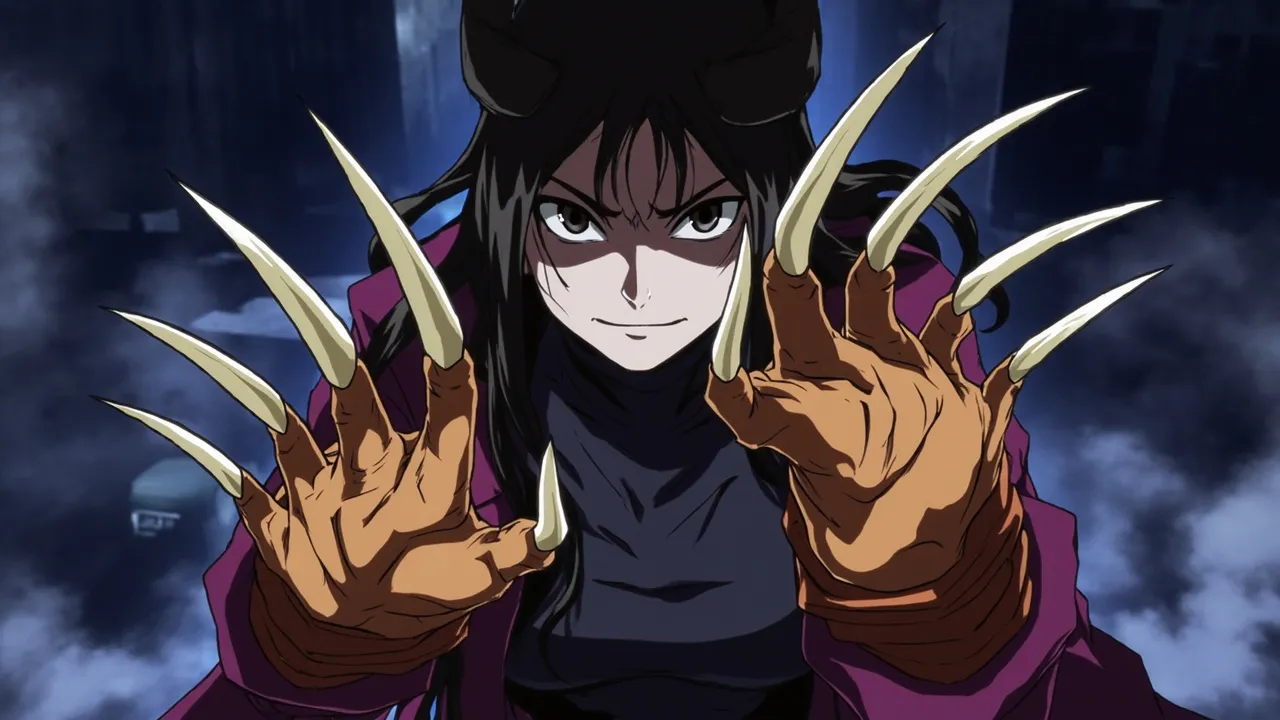
Claw Retraction Video Demo 🎬
Table of Contents
Claw Retraction is a close-combat superpower that allows a character to extend or retract razor-sharp claws at will. Instead of carrying weapons, the user’s own hands become natural blades that can cut, pierce, and grip with terrifying efficiency. This makes Claw Retraction a favorite ability for stealthy assassins, feral warriors, and animal-themed heroes and villains across many fantasy and superhero settings.
The power is simple to understand but rich in tactical depth. By manifesting retractable claws only when needed, the user keeps their hands free for everyday tasks, then instantly shifts into combat mode. Combined with other physical or sensory powers, Claw Retraction turns a character into a living weapon that excels in short-range encounters and brutal hand-to-hand combat.
To explore how this ability compares with other powers, players and creators can browse more abilities in the superpower wiki or roll something unexpected with a random superpower generator.
What Is Claw Retraction?
Claw Retraction is the ability to grow and withdraw claws from the fingers, knuckles, or sometimes even toes on command. These claws may be made of bone, keratin, metal, or energy depending on the setting, but they all share the same core function: transforming limbs into cutting tools or weapons.
Unlike characters who permanently have talons or bestial hands, a user of this power can shift between a normal appearance and a combat-ready state. This allows them to blend into crowds, handle delicate objects, or live a relatively ordinary life until danger appears. With a thought or a specific muscle movement, the claws slide out, locking into place for offense and defense.
In many settings, Claw Retraction is associated with animal themes, especially big cats, wolverines, or raptors. It often comes packaged with heightened reflexes, predatory instincts, or improved hand strength, though the core power is simply the controlled extension and retraction of claws.
Core Abilities of Claw Retraction
Claw Retraction can be customized in many ways depending on the world, but most versions share a few key features.
Instant extension and retraction
The defining trait of this power is speed. The claws usually extend in a split second, often accompanied by a distinctive sound or visual effect. They retract just as quickly, disappearing back into the body, armor, or energy field.
This instant shift between harmless and lethal makes ambushes, surprise counters, and deceptive tactics highly effective. An opponent may underestimate someone who appears unarmed until claws flash into existence at close range.
Enhanced cutting and piercing power
The claws are typically much sharper and tougher than normal nails or bones. They can slice through flesh and armor far more efficiently than bare hands. At stronger levels, they may cut metal, stone, or even magical barriers.
This gives the user a built-in melee weapon set ideal for:
-
Slashing attacks against unprotected targets
-
Precise stabbing strikes at vital points
-
Tearing through restraints, nets, or thin walls
Because the claws are part of the body, the user can feel the resistance of a material and adjust pressure with high precision.
Fine motor control and grip
A well-trained user is not just a wild slasher. They can employ their claws with surgical accuracy. They may:
-
Trim or carve objects with delicate movements
-
Use claws to hook weapons and disarm opponents
-
Grip surfaces or edges with more stability
This fine control makes the power useful beyond combat, from survival scenarios (cutting ropes, hides, or branches) to infiltration (quiet cutting of locks or fabric).
Mobility, climbing, and anchoring
In some interpretations, the claws can dig into surfaces, allowing the user to climb walls or cling to ceilings like a predator. Even if the claws are not fully “climbing tools,” they can be used to anchor the user in place, resist being thrown, or brace during heavy impacts.
This makes Claw Retraction valuable in vertical environments, urban settings with tall structures, and any situation where controlling position and movement is as important as raw damage.
Application / Tactical Advantages in Combat
Claw Retraction shines in close-quarters combat. The user tends to fight best at arm’s length or closer, where they can take full advantage of speed, leverage, and the surprise factor.
In battle, the power offers several advantages:
-
Concealed lethality: Because the claws can be hidden, enemies might not recognize the user as a serious threat until they are already within striking distance.
-
High-speed combos: Clawed attacks can be chained quickly, raking across multiple targets or focusing on one enemy with a storm of slashes.
-
Natural parrying tools: The claws can be used to catch, block, or redirect incoming blades and projectiles, acting much like built-in daggers.
-
Grappling dominance: In a grapple, claws give a huge advantage. The user can control, pin, or injure an opponent while maintaining holds.
For stealth-oriented characters, Claw Retraction helps with silent takedowns and quick, fatal blows. For frontline fighters, it adds a brutal edge to punches, sweeps, and throws.
Level: Level 1 🏙️, Level 2 🌇, Level 3 🌃
Many RPGs and stories scale this power in tiers, allowing characters to evolve from simple clawed brawlers into terrifying melee specialists.
Level 1 🏙️ – Basic retractable claws
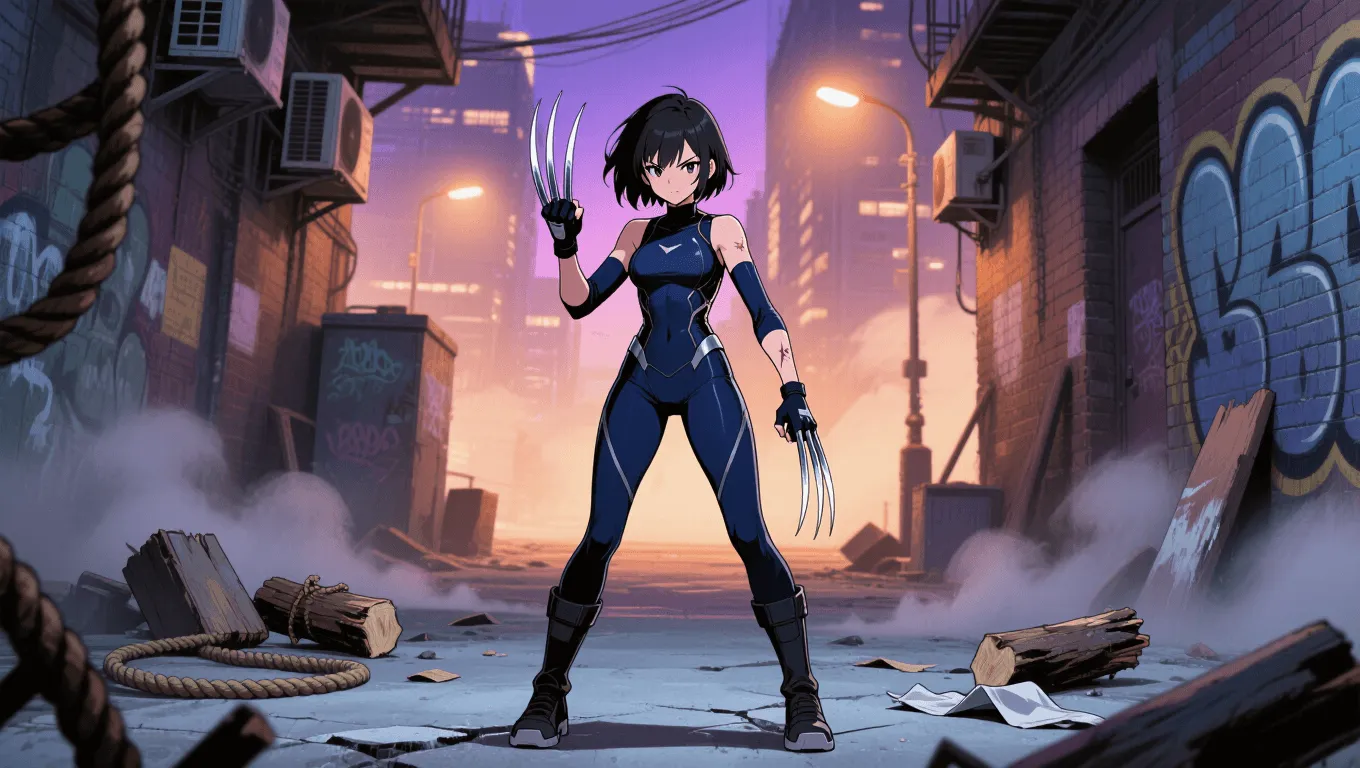
At Level 1, the user can:
-
Extend and retract short claws from their fingers or knuckles
-
Cut through soft materials like skin, fabric, rope, and wood
-
Use claws for intimidation and basic self-defense
The claws may tire the user if held out too long, and they can chip on very hard surfaces. Damage is high compared to bare hands, but still limited against armor or thick hides. At this level, Claw Retraction feels like an advanced but still grounded physical enhancement.
Level 2 🌇 – Enhanced strength and durability
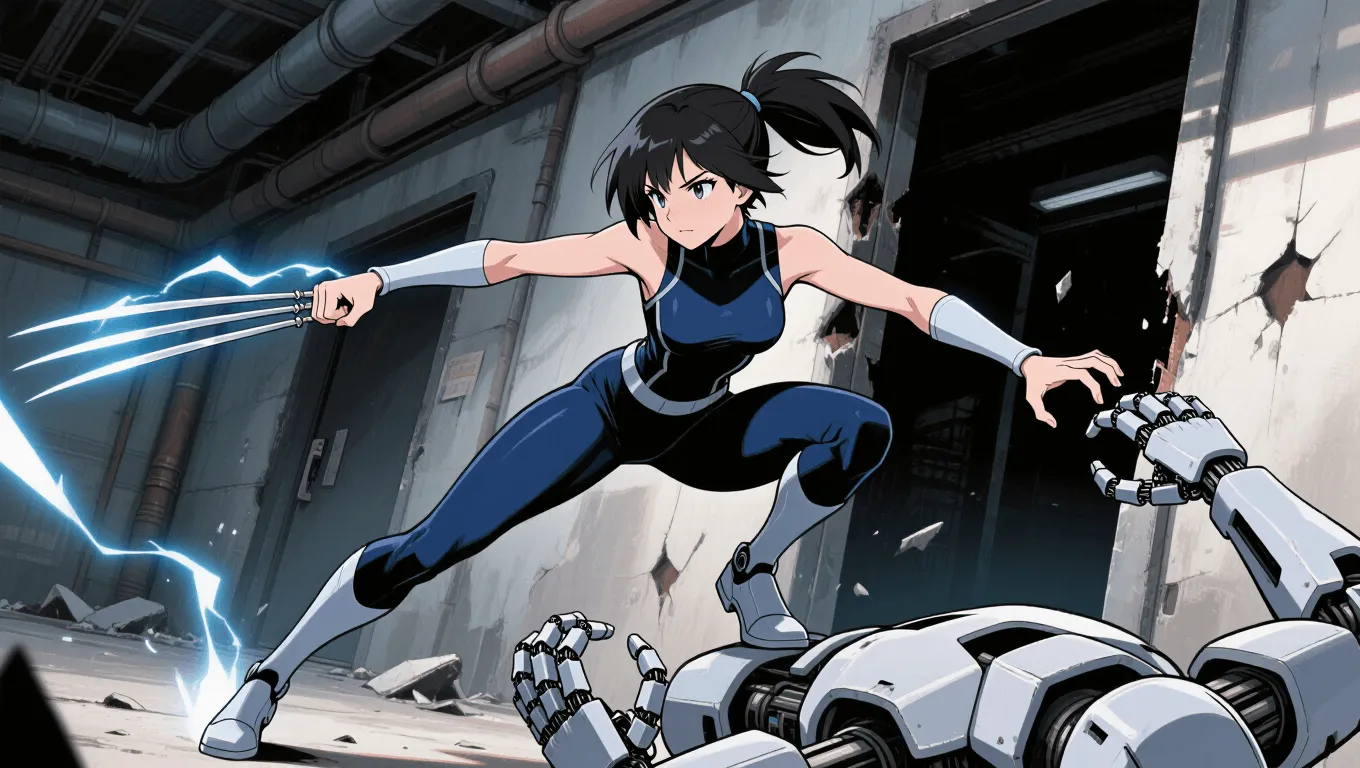
At Level 2, the power grows more fearsome:
-
Claws extend farther and become tougher, resisting breakage
-
The user gains better control, delivering precise strikes at joints and weak points
-
They can cut or pierce lighter armor, metal sheets, or reinforced doors
Claw Retraction at this stage often supports more advanced fighting styles. The user can combine martial arts with claw swipes, perform complex disarms, and climb rough surfaces. Recovery time between uses shrinks, and the claws may develop a signature visual effect or sound.
Level 3 🌃 – Apex predator claws
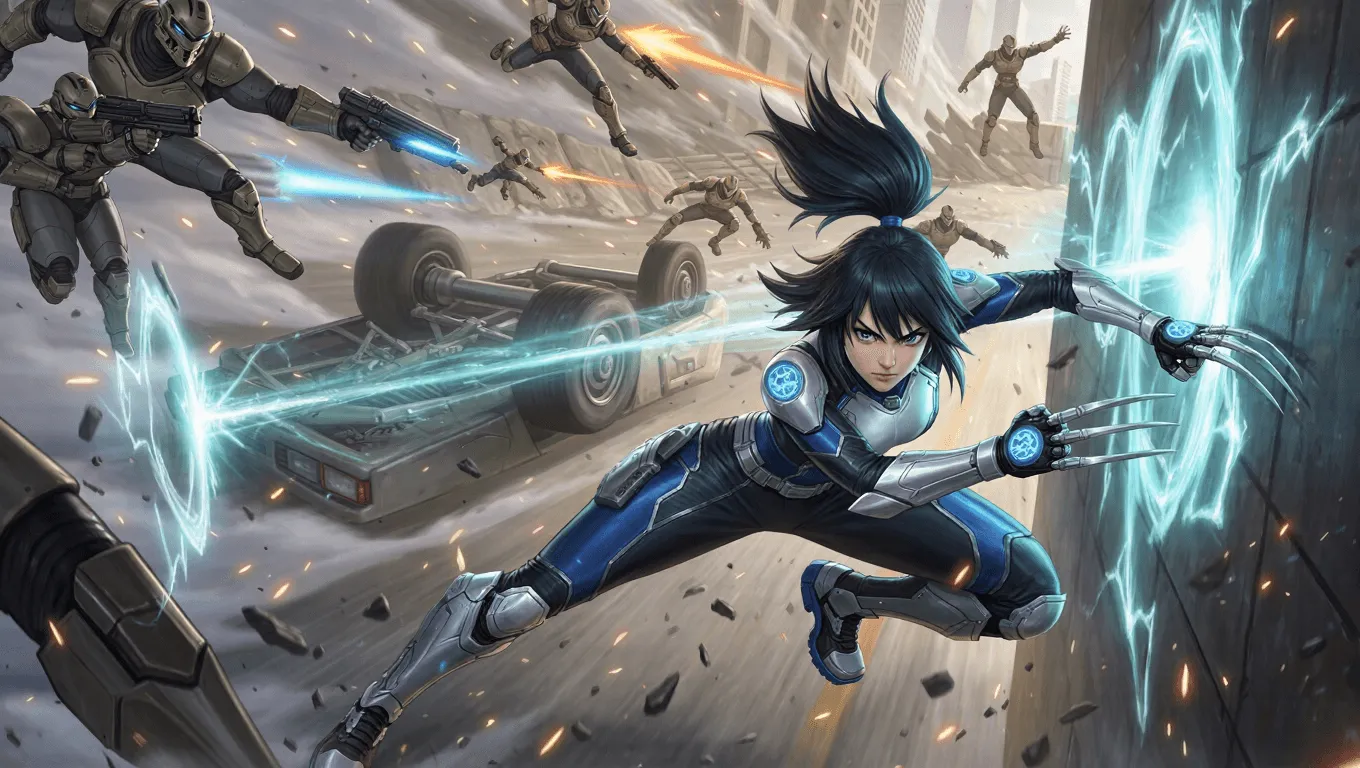
At Level 3, the user becomes a true close-combat monster:
-
Claws may be nearly unbreakable, capable of slicing steel or stone
-
Slashes can create shockwaves or energy trails in some settings
-
The user can extend claws in multiple ways (e.g., fingertips, forearms, or even feet)
Claw Retraction at this level may be partially mystical or technological, allowing interactions with magical shields, force fields, or other superhuman defenses. The character can take on multiple enemies at once, cut through vehicles or barriers, and use claws as anchors to maneuver in extreme environments like high-speed chases or collapsing buildings.
Limitations of using the Claw Retraction
Despite its power, Claw Retraction comes with important drawbacks that keep it balanced in stories and games.
-
Limited range: The user must get close to deal damage. Ranged opponents can harass or kite them from a safe distance.
-
Risk of self-injury: A careless user can stab themselves, especially when blocking attacks or fighting in cramped areas. Training and control are essential.
-
Physical strain: Extending and maintaining claws may stress bones, muscles, or energy reserves. Overuse can lead to fatigue, tremors, or slower retraction.
-
Social impact: In many settings, clawed individuals are feared or seen as monsters. Characters may hide their power or face prejudice.
-
Equipment conflicts: Wearing gloves, heavy armor, or tight suits can interfere with deployment. Special gear must often be designed around the claws.
These limitations encourage clever play: using cover, stealth, and teamwork instead of charging blindly into every conflict.
Weakness against what other superpowers
Claw Retraction is strong up close, but it has clear counters when facing other superpowers.
-
Ranged abilities: Energy blasts, firearms, elemental projectiles, and long-range telekinesis can keep the clawed fighter at a distance where they cannot strike back effectively.
-
Force fields and hard barriers: Strong protective fields, energy shields, or extremely dense armor can resist or completely negate claw attacks, especially at lower levels.
-
Power negation or dampening: Abilities that suppress powers shut down Claw Retraction entirely, leaving the user with only normal hands and whatever combat training they have.
-
Immobilization powers: Gravity manipulation, binding magic, ice, or psychic paralysis can halt the user before they enter their ideal range.
-
Intangible or phased targets: Opponents who become intangible, ghost-like, or phased out of reality are difficult or impossible to hit with physical claws.
When building encounters or character balances, these weaknesses help ensure the clawed fighter does not overshadow more versatile superpowers.
Synergistic Power Combos
Claw Retraction combines extremely well with other abilities, creating deadly and stylish power sets.
Some strong synergies include:
-
Super strength: Increased muscle power lets the user drive claws deeper, tear through armor, and perform devastating grappling moves.
-
Enhanced speed or agility: Faster movement and reflexes help them close the distance, dodge ranged attacks, and unleash rapid claw combos.
-
Regeneration or healing factor: This allows the user to shrug off recoil, bone stress, and injuries from close-quarters combat, turning them into a relentless brawler.
-
Enhanced senses or tracking: Predator-like smell, hearing, or night vision complements the hunting style of a clawed fighter, especially in stealth missions.
-
Stealth and invisibility: The ability to approach unseen makes Claw Retraction a terrifying assassination tool. One strike from the shadows can decide a battle before it starts.
-
Armor or dermal plating: Defensive powers protect the user as they leap into the thick of combat, letting them trade hits while relying on their claws for decisive damage.
In RPGs, combining these traits can create a powerful “apex predator” archetype: a character who excels at stalking, ambushing, and dominating close-range fights.
Known Users
Many famous heroes and villains across comics, games, and anime use some form of retractable claws. A few notable examples include:
-
A mutant anti-hero known for unbreakable metal claws and a brutal fighting style, often serving as the model for many Claw Retraction users in other media. A well-known example is Wolverine.
-
Other mutants and clones with similar abilities, such as child or teen versions who inherit the same claw-based power set with their own fighting style.
-
Feral villains or anti-heroes who manifest bone or keratin claws as a sign of their animalistic nature and relentless aggression.
-
Royal or technologically enhanced warriors who use retractable claw weapons built into high-tech suits, blending advanced gear with ferocious hand-to-hand techniques.
In original settings, creators can adapt Claw Retraction to fit many archetypes: noble guardians, brutal beasts, tragic experiments, or disciplined martial artists. By adjusting claw material, length, toughness, and combo powers, this superhuman ability can feel fresh and unique while remaining instantly recognizable to audiences.