
Coal Generation
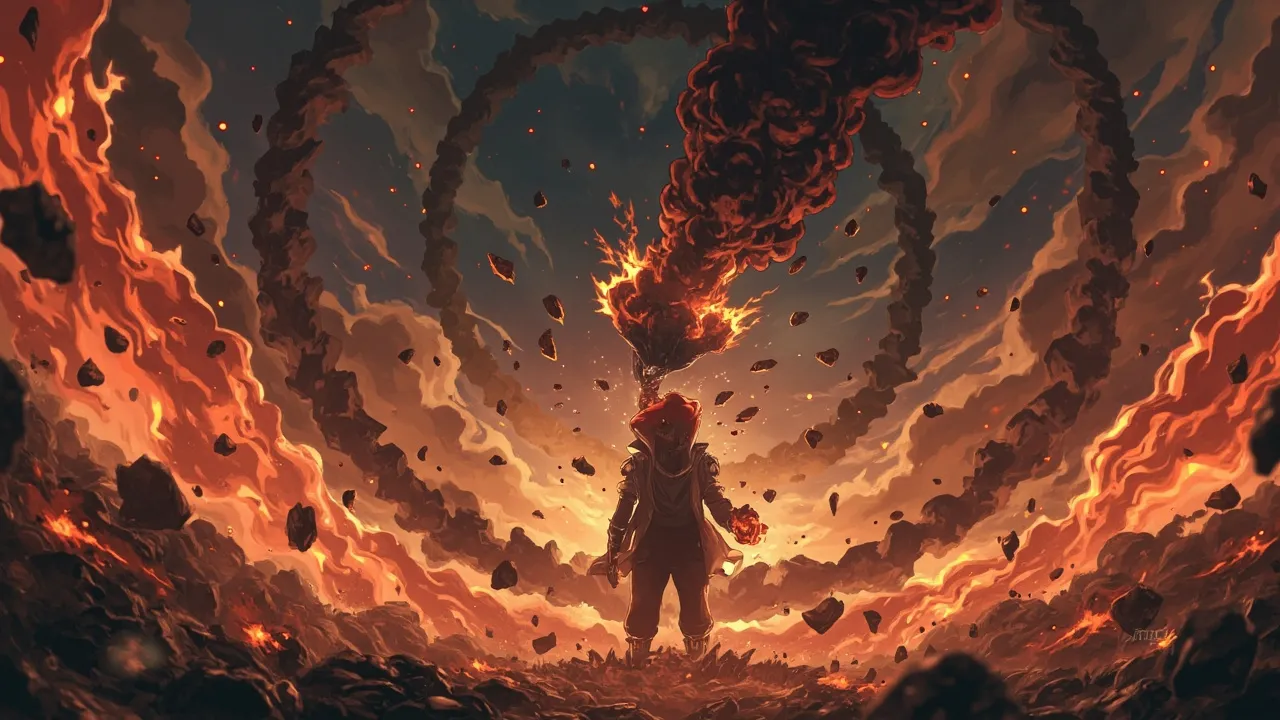
Coal Generation Video Demo 🎬
Table of Contents
What Is Coal Generation
Coal Generation is the ability to produce combustible coal on demand and control its output well enough to use it as fuel, ammunition, or battlefield material. Within the first moments of a fight, Coal Generation can shift the pace by providing instant resources: dense carbon chunks for blunt-force shots, gritty coal dust for area denial, or compact briquettes for sustained burning when paired with ignition. Unlike simple “rock throwing,” this power revolves around a material with real-world utility—coal can store energy, burn hot, stain and choke airways, and remain useful long after the initial attack.
In a superpowered setting, Coal Generation is often treated as a branch of carbon creation or earth-like material production, with a signature twist: the user can output a resource that doubles as both weapon and energy supply.
Core abilities of Coal Generation
Coal Generation tends to express itself in a few consistent, learnable skill buckets. A beginner might only “spawn lumps,” while a master can treat coal like a versatile loadout.
-
Coal conjuration (lumps, chunks, briquettes): The user produces coal in quantities ranging from pebbles to boulders. Dense chunks function like improvised cannonballs; briquettes trade raw impact for consistency and burn time.
-
Projectile shaping and ballistics: Even without full “coal manipulation,” many users learn to generate coal in aerodynamic forms—rounded shot, jagged shrapnel, or flattened slugs—to improve accuracy and damage.
-
Coal dust and grit clouds: By generating finer granules, the user can create blinding, choking, and traction-disrupting fields. Coal dust also clings to skin and gear, making targets easier to track.
-
Fuel production: Coal Generation becomes strategically powerful when the user can feed engines, furnaces, steam systems, or improvised incendiary setups. In team scenarios, it turns the user into a mobile logistics unit.
-
Heat-ready payloads: Coal is most dangerous when ignited. While Coal Generation doesn’t automatically include fire control, it pairs naturally with ignition sources (sparks, friction, incendiary rounds, fire powers) to create persistent hazards.
Common related keywords players and readers associate with this ability include carbon projectiles, coal creation, coal briquette conjuration, combustible ammunition, soot clouds, and fuel generation.
Application / Tactical Advantages in Combat
Coal Generation rewards tactical thinking. It can be loud and straightforward (hail of black stones), or subtle and controlling (a dusted floor that turns a sprint into a stumble).
-
Ranged pressure: Repeated coal volleys can pin opponents down. Even when the damage is non-lethal, the threat of blunt trauma forces dodges and burns stamina.
-
Area denial: Coal piles, rolling chunks, and dust curtains reshape the battlefield. Narrow corridors become dangerous when filled with granular slip hazards.
-
Soft-target disruption: Coal dust in the eyes, nose, and mouth is a fight-changer. It can also foul filters, clog joints, and reduce visibility for marksmen.
-
Improvised traps: Coal can be generated onto stairs, ledges, or rooftops to create unstable footing. A sudden slope of loose chunks is as effective as marbles—just heavier.
-
Resource warfare: The user can keep generators alive, power steam tech, or provide emergency heat in survival scenarios—turning long engagements into battles of endurance that favor the coal user’s side.
Level: Level 1 🏙️
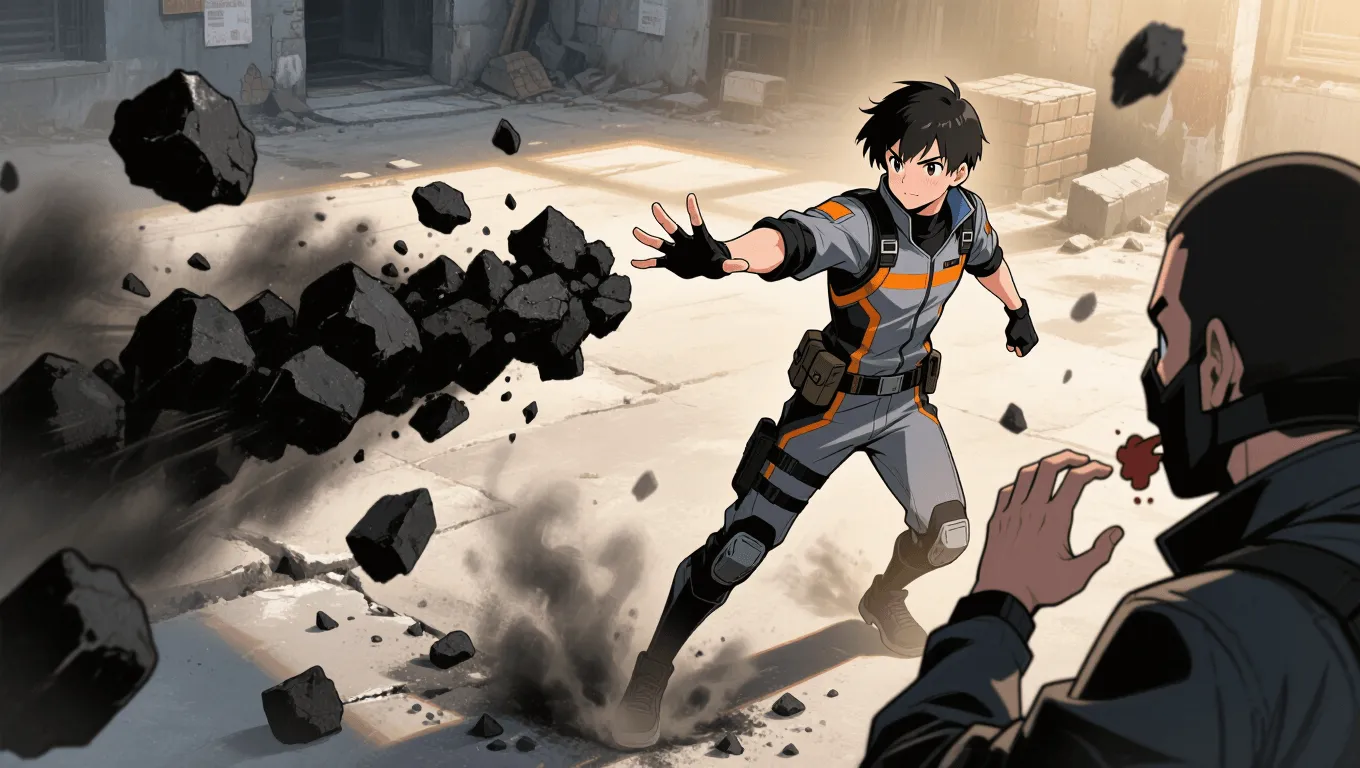
At Level 1, Coal Generation is functional but blunt.
-
Produces small-to-medium coal lumps at close range.
-
Basic throwing and scattershot use.
-
Short-lived dust puffs that obscure briefly.
-
Fuel output is limited—enough for a small fire or quick burst of heat, not prolonged operations.
Typical fight pattern: quick volleys to interrupt, then retreat while the opponent coughs or blinks through grit.
Level: Level 2 🌇
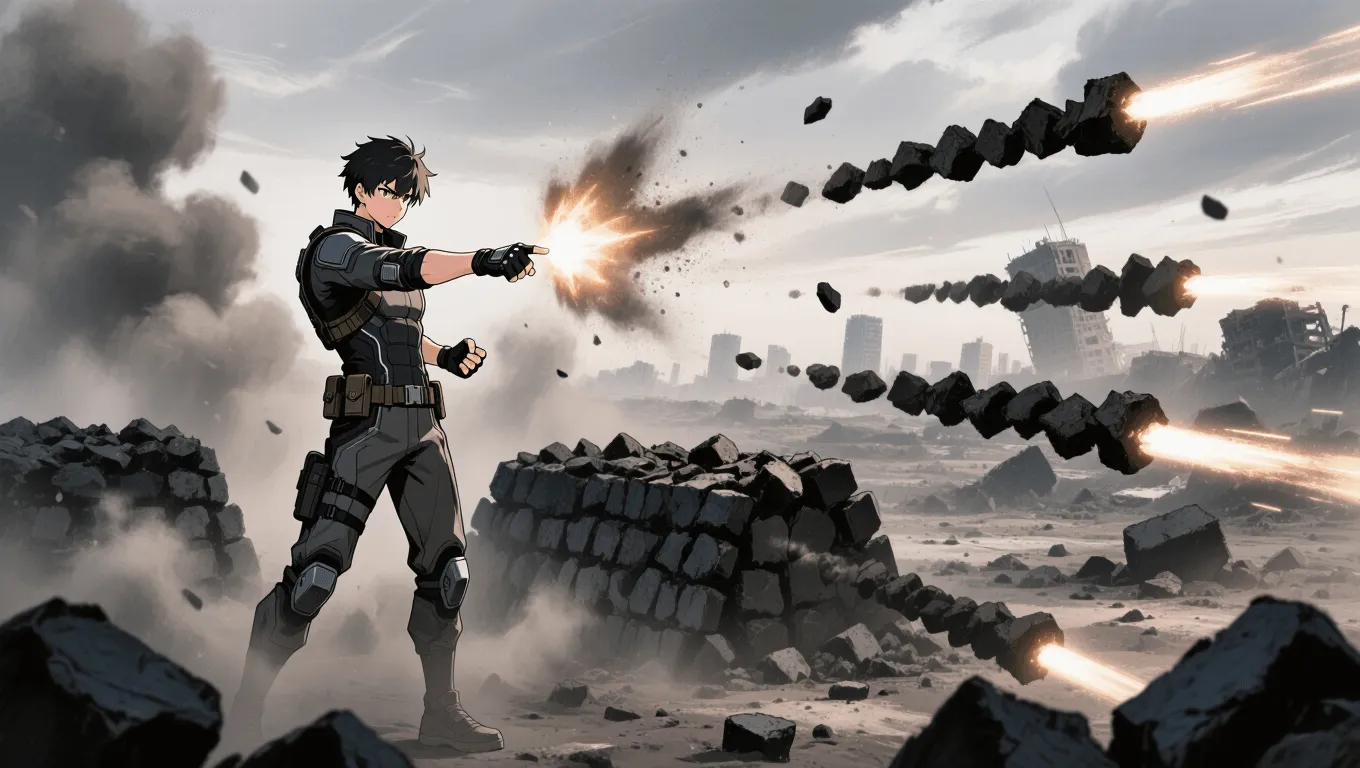
At Level 2, the user gains reliability and tactical control.
-
Sustained output: multiple volleys without exhaustion.
-
Better size control: consistent briquettes, dense “slug” shots, and controlled gravel spreads.
-
Purposeful dust screens: wider coverage, longer hang time, better placement.
-
Battlefield shaping: building low berms, knee-high piles, or chokepoint blockers.
Typical fight pattern: create a dust curtain to break line of sight, then use heavier chunks as “surprise” shots from behind cover.
Level: Level 3 🌃
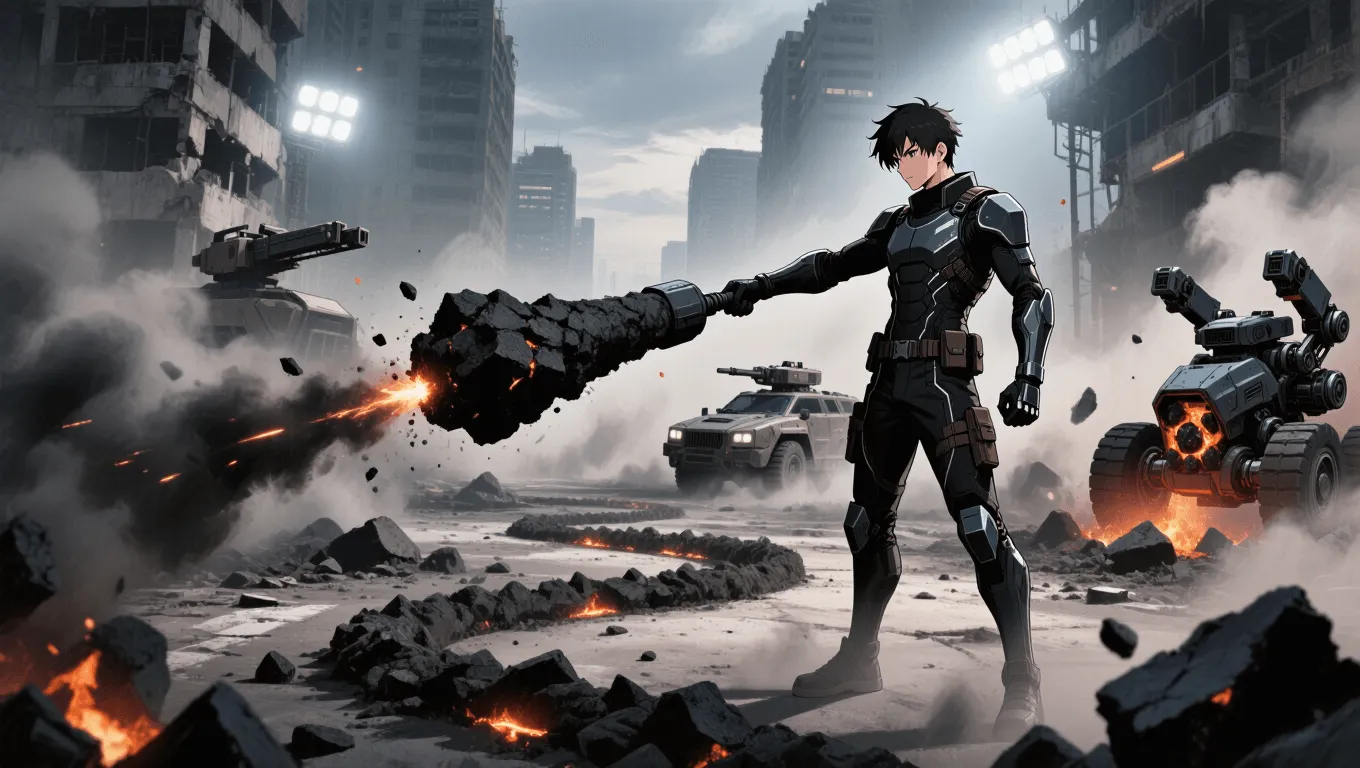
At Level 3, Coal Generation becomes a resource-and-weapon platform.
-
High-volume production capable of “flooding” zones with coal.
-
Precision output: generating coal exactly where needed (under feet, along a wall, into a weapon’s path).
-
Advanced payload design: layered coal (dust + chunks) for combined blinding and impact.
-
Strategic fuel dominance: powering vehicles, machines, or heat-based tech during extended conflicts.
Typical fight pattern: control the environment first—visibility, footing, and routes—then finish with decisive, high-mass projectiles or coordinated ignition plays.
Limitations of using the Coal Generation
Coal Generation is strong, but it is not effortless or consequence-free.
-
Mass and momentum still matter: Firing heavy coal projectiles creates recoil and strain. Overusing high-mass shots can injure the user’s arms, shoulders, or stance if they lack enhanced durability.
-
Oxygen and airflow issues: Coal dust disperses unpredictably in wind, vents, or open areas. Outdoors, a strong gust can waste a carefully built screen—or blow it back into the user’s face.
-
Ignition dependency (often): Coal is most threatening when burning, but many coal generators cannot ignite it inherently. Without a spark source, coal may remain “just rocks,” limiting lethality.
-
Mess and collateral: Coal stains, contaminates water, and clogs machinery. In stealth or rescue operations, the aftermath can create problems even after victory.
-
Moisture reduction: Wet coal is heavier, clumps, and can be harder to spread as dust. Heavy rain doesn’t negate the power, but it blunts key tactics.
-
Energy cost scaling: Most interpretations scale stamina cost with volume and density. Making dust is cheap; making boulders is expensive.
Weakness against what other superpowers
Coal Generation has natural predators—powers that either neutralize combustion, remove material from the field, or punish predictable projectile play.
-
Water Manipulation / Flooding: Soaks dust, reduces spread, and turns coal piles into heavy sludge that’s harder to use for screens and traps.
-
Wind Manipulation / Aerokinesis: Disperses dust clouds, redirects grit back at the user, and can destabilize coal-built cover.
-
Ice or Cryokinesis: Can lock coal piles into place (reducing slip tactics) and create hard barriers that blunt blunt-force coal shots.
-
Vacuum or Air Removal: If coal is being used as fuel, removing oxygen kills the advantage. It also drops dust clouds out of the air fast.
-
Magnetism (indirect counter): Coal itself isn’t magnetic, but if the user relies on metal launchers, railguns, or gear powered by their fuel output, magnetic disruption can cripple delivery systems.
-
Telekinesis / Vector Control: High-mass coal projectiles are easy to redirect for a skilled force manipulator, potentially turning the user’s ammo against them.
-
Energy Absorption: If the coal user’s main win condition is heat (coal + ignition), an absorber can drain the payoff and force the coal user back into pure impact tactics.
Synergistic Power Combos
Coal Generation becomes terrifying when paired with abilities that solve its two biggest needs: ignition and control.
-
Fire Manipulation / Heat Generation: Instantly converts coal fields into long-burning hazards. Coal dust plus ignition can create rapid flare-ups that punish crowds and chokepoints (with obvious safety risks and collateral).
-
Smoke Generation or Ash Generation: Coal dust screens layered with smoke or ash become multi-spectrum concealment—harder to filter, harder to see through, and more persistent.
-
Earth Manipulation: Lets allies shape terrain so coal piles become ramps, trenches, or fortified berms instead of loose scatter.
-
Explosion Generation (controlled): Coal can be used as shrapnel payload material—generated in advance, then blasted outward for wide-area suppression.
-
Metalcraft / Engineering powers: Coal-as-fuel can drive steam tech, improvised forges, or emergency power systems. With a tinkerer ally, the coal user turns into a walking supply chain.
-
Adhesion or Resin Generation: Coal chunks mixed into sticky binders create crude “coal tar” restraint tactics—grappling foes while choking visibility.
For readers exploring more abilities that pair well with material generation powers, the broader catalog on the Superpower Wiki list is a natural next stop, and the random superpower generator is useful for finding unpredictable combo partners.
Known Users
Coal Generation appears across folklore-inspired “naughty list” tropes and carbon-based villains in superhero fiction. Superpower references often frame it as a carbon/earth offshoot focused specifically on coal production.
-
Charcoal (Marvel Comics): A notable carbon-bodied character whose abilities include transforming into various carbon forms, explicitly including coal among his options, and reshaping his body for combat applications.
-
Folklore motif (Santa’s coal): The classic punishment-gift concept—coal as a manifested consequence—often inspires “coal conjuration” interpretations in modern media and roleplay builds.