
Creation Superpower: Conjuring Matter, Objects, and Life

Creation Video Demo 🎬
Table of Contents
What Is Creation
Creation is the superpower that lets a wielder conjure objects, matter, or even life from pure energy. In the simplest terms, Creation turns intention into existence: a thought becomes a tool, a shield, a bridge, a weapon, or a living construct. While many powers reshape what already exists, Creation is about making something where nothing was—materialization, object manifestation, and energy-to-matter conversion rolled into one versatile ability.
Because Creation can overlap with conjuration magic, reality shaping, and construct generation, it often appears in different “flavors” across stories. Some users form temporary energy constructs (solid-looking, but sustained by power). Others synthesize real, lasting matter down to chemical detail. At the highest tiers, Creation can resemble true genesis—bringing forth complex systems, ecosystems, or living beings.
Readers who enjoy ability breakdowns like this can explore more powers in the Superpower Wiki or spin up a surprise ability with the random superpower generator.
Core abilities of Creation
Creation is broad, but its core toolkit usually falls into a few dependable categories.
-
Object conjuring: Manifesting everyday items (keys, rope, ladders, weapons, ammunition, restraints, medical supplies).
-
Material synthesis: Producing raw substances (steel, stone, glass, water, polymers, acids, smoke, adhesive foam) with controlled composition and purity.
-
Construct shaping: Building complex forms mid-air—walls, platforms, domes, cages, ramps, spikes, or moving “hands” that push and grab.
-
Environmental fabrication: Creating terrain features like cover, trenches, barricades, bridges, or sealed rooms for containment.
-
Self-sustaining creations: Producing items that keep functioning after creation (a running motor, a loaded firearm, a sealed battery), depending on the rules of the setting.
-
Life creation: The rarest and most controversial expression—forming biological life, clones, homunculi, or autonomous minions. Some versions can only create simple organisms; others can craft fully sentient beings (often with heavy narrative consequences).
-
Blueprint-based creation: Many Creation users must “know” what they’re making. The better they understand an object’s structure, the more reliable and stable the result.
In practice, Creation often behaves like a three-step process: visualize → assemble → stabilize. The speed and precision of those steps define how dangerous the power is.
Application / Tactical Advantages in Combat
In combat, Creation is prized because it turns the battlefield into a toolbox. A user doesn’t need to carry gear, control supply lines, or hunt for resources—they can fabricate answers on demand.
Common tactical advantages include:
-
Instant armament: Conjure a weapon that fits the moment—reach weapons for distance, blunt weapons for nonlethal takedowns, or specialized tools for armored targets.
-
Adaptive defense: Raise cover at the exact angle needed, create layered barriers, or generate a dome to block shrapnel and bullets.
-
Area control: Fill lanes with obstacles, create caltrops or spikes, shape funnels that force enemies into chokepoints, or build temporary walls to separate teams.
-
Mobility and positioning: Create ramps, stairways, stepping platforms, or bridges to take high ground and bypass hazards.
-
Capture and restraint: Generate cages, manacles, nets, and adhesive constructs that neutralize without lethal force.
-
Deception and misdirection: Craft decoys, false cover, dummy weapons, smoke screens, and convincing props to waste enemy actions.
-
Sustain and support: Produce tourniquets, splints, antidote kits, breathing masks, or emergency rations—turning the user into a walking supply drop.
Creation also shines in asymmetric fights: when outnumbered, the user can split attackers with barriers, block sightlines, and manufacture “soft traps” that slow pursuit.
Level: Level 1 🏙️
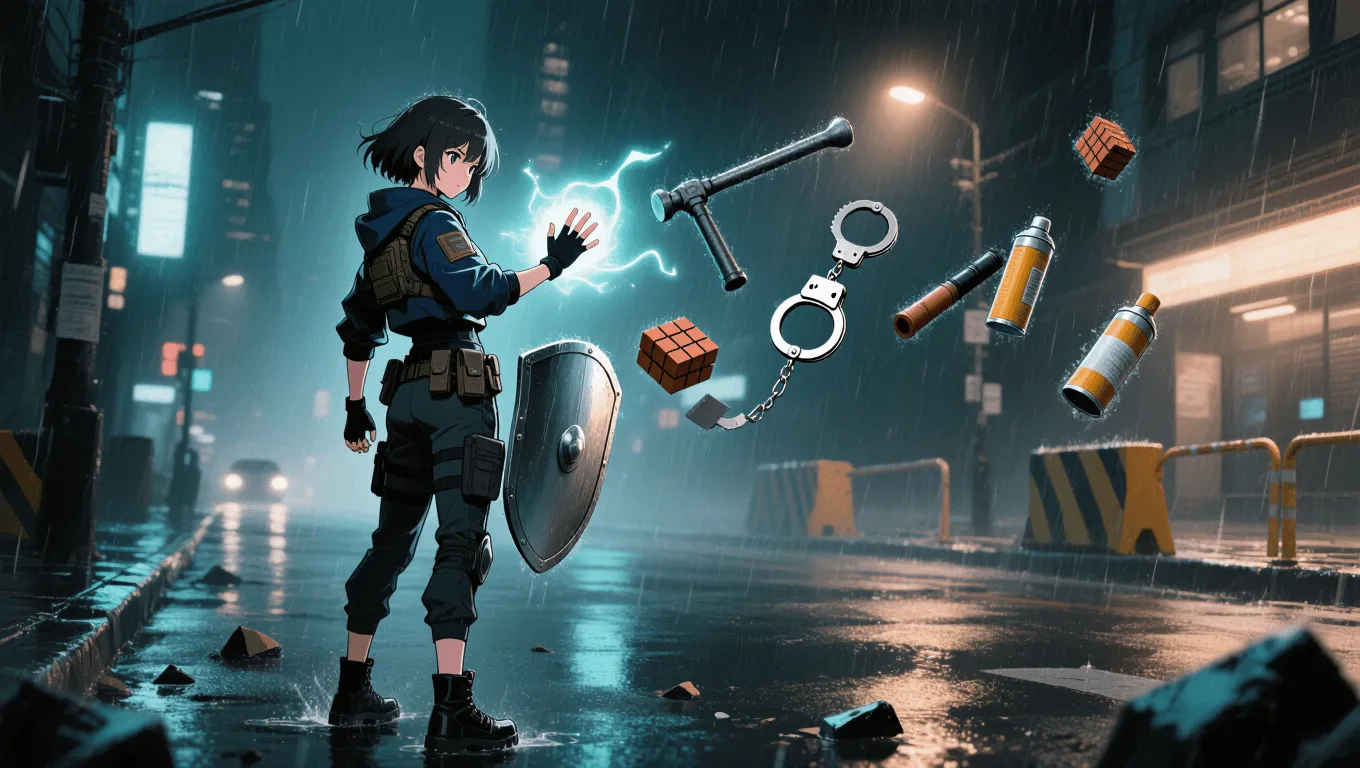
At Level 1, Creation is practical but constrained.
-
Conjures small, simple objects: basic weapons, tools, rope, cuffs, bricks, small shields.
-
Creations are often temporary: they may fade, crumble, or lose cohesion when the user’s focus breaks.
-
Best use cases: quick cover, improvised weapons, emergency utility, and distractions.
In a city fight, a Level 1 user might conjure a crowbar, slap up a waist-high barricade, or fabricate a smoke canister to escape a losing exchange.
Level: Level 2 🌇
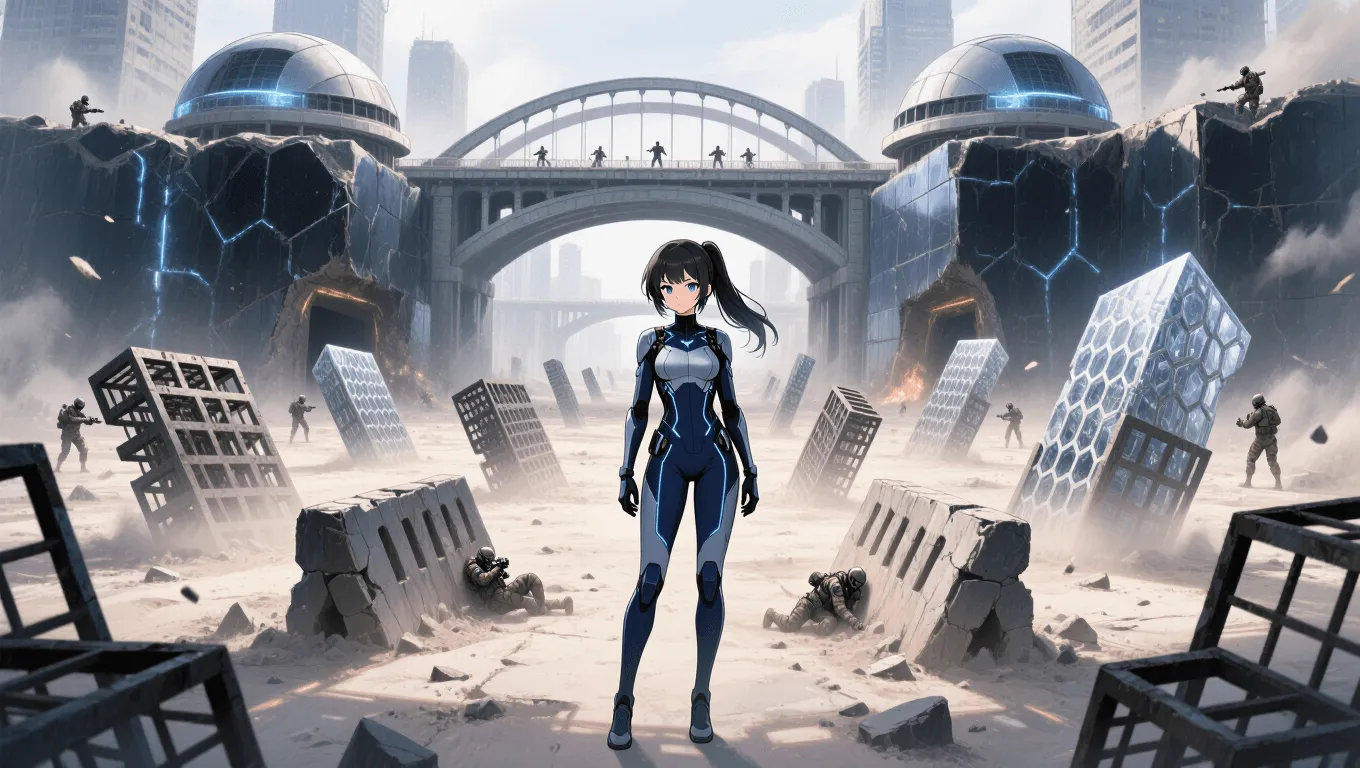
At Level 2, Creation becomes a battlefield-shaping power.
-
Produces larger structures: walls, domes, bridges, multi-piece constructs, fortified cover.
-
Better material realism: objects behave more like their real counterparts (weight, hardness, conductivity, flexibility).
-
Sustained multi-tasking: the user can keep several creations active at once or “lock” them in place for longer durations.
A Level 2 user can divide a squad, trap a speedster in a generated cage, or build a maze of cover that favors their team’s ranged fighters.
Level: Level 3 🌃
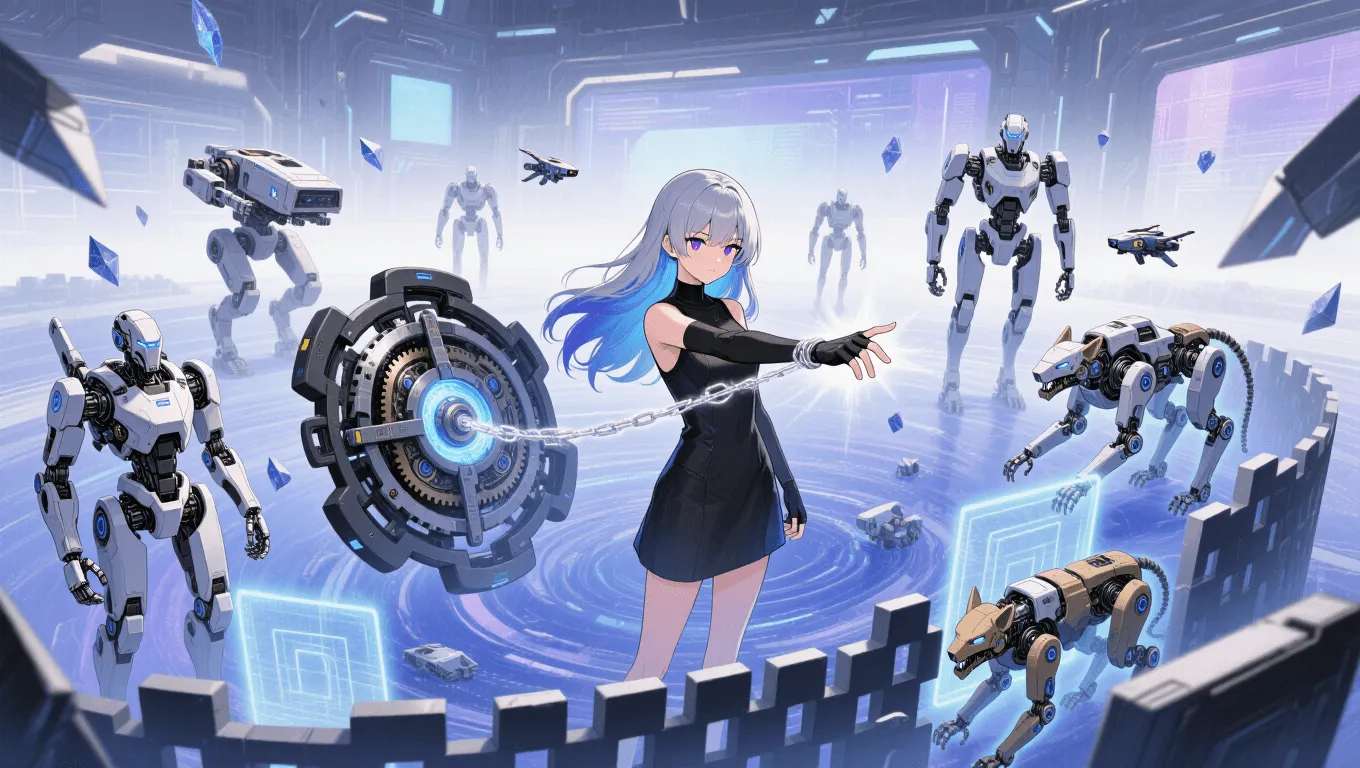
At Level 3, Creation can look like controlled reality rewriting.
-
High complexity fabrication: functional machines, layered composites, specialized materials, intricate mechanisms.
-
Persistent creations: constructs may remain indefinitely, even after the user leaves—depending on setting rules.
-
Life creation or autonomous constructs: the user may generate minions, living tools, or self-directed guardians (often with ethical or metaphysical costs).
At this tier, Creation can win fights before they start: sealing exits, manufacturing hard counters, and constructing “no-go zones” that reshape how opponents are allowed to move.
Limitations of using the Creation superpower
Creation sounds unlimited, but strong versions usually come with clear constraints that keep the power from trivializing every scene.
-
Energy cost and fatigue: Bigger, denser, or more complex creations drain stamina or require stored power.
-
Complexity limits: The user may only create what they can accurately imagine or understand. Vague mental pictures produce fragile results.
-
Mass and scale caps: Many users have a maximum volume, weight, or number of objects they can maintain at once.
-
Time-to-build: High-detail fabrication can take seconds to minutes—an eternity in a fast fight.
-
Stability and decay: Some creations degrade, flicker, or unravel under stress, heat, or impact.
-
Range and control: Creations may need to appear within line of sight or within a radius around the user.
-
Conservation rules: Some settings enforce a “matter budget,” requiring raw materials nearby, or converting ambient energy into mass at a limited rate.
-
Ethical restrictions: Life creation, especially sentient life, can trigger moral consequences, legal repercussions, or psychological backlash.
-
Mental interference: Confusion, fear, or psychic assault can disrupt shaping and stabilization, causing constructs to fail at the worst moment.
A useful rule of thumb: if the user can create anything, stories often force them to pay something—energy, time, focus, or responsibility.
Weakness against what other superpowers
Creation’s biggest vulnerability is that it often relies on concentration, sustained energy, or the integrity of the fabricated matter. Several power types can exploit that.
-
Power Nullification: Shuts off the “fuel line,” collapsing active constructs or preventing new fabrication.
-
Energy Absorption: Drains the energy source Creation depends on, starving the user mid-build.
-
Disintegration and Entropy powers: Rapid decay, corrosion, rot, or molecular breakdown can erase creations faster than they can be replaced.
-
Reality Anchoring: Forces the environment to “stay real,” restricting reality-warp-adjacent Creation from producing impossible items.
-
Matter Manipulation: An opponent who can reshape or liquefy matter can turn created weapons into useless sludge—or convert barriers into hazards.
-
Gravity Manipulation: Crushing gravity can overwhelm constructs by sheer load, snapping bridges and collapsing domes.
-
Telepathy and Psionic attacks: If the user must visualize or “hold” creations in mind, mental disruption can cause misfires or instability.
-
Probability Manipulation: Bad luck effects can cause critical failures—misaligned parts, weak joints, flawed chemistry, or mistimed creation.
In matchups, Creation performs best when the user can keep calm, keep distance, and control tempo.
Synergistic Power Combos
Creation becomes absurdly effective when paired with powers that supply energy, information, or control.
-
Energy Absorption + Creation: Absorb incoming blasts, then convert that stored power into mass, weapons, and barriers.
-
Technopathy + Creation: Fabricate drones, turrets, or devices, then immediately interface with and optimize them.
-
Nano Manipulation + Creation: Use nanomachines as “smart scaffolding” to stabilize creations, repair flaws, and adapt constructs mid-fight.
-
Gravity Manipulation + Creation: Create heavy projectiles or floating platforms, then steer them with gravity for precision strikes.
-
Light Manipulation + Creation: Blend hard-light constructs with real matter—decoys that look real, real objects that disappear in glare, or blinding cover that hides fabrication.
-
Psychic Shield + Creation: Protect concentration so constructs don’t collapse under mental pressure.
-
Phasing + Creation: Phase through a wall, then create a sealed barrier behind the user to cut off pursuit.
-
Enhanced Accuracy + Creation: Turn conjured projectiles and traps into near-guaranteed hits by placing them perfectly.
The strongest combos either (1) protect the user’s focus, or (2) solve the user’s biggest bottleneck: energy and complexity.
Known Users
Below are well-known comic characters whose abilities strongly overlap with Creation through reality warping, matter/energy manipulation, or energy construct fabrication.
-
Franklin Richards (Marvel) — Noted for reality warping and even pocket universe creation, making him a classic high-tier example of “creation from will.”
-
Molecule Man (Marvel) — A molecular manipulator whose feats include reshaping matter and wielding reality-bending power at extreme scales.
-
The Beyonder (Marvel) — A nigh-omnipotent cosmic entity known for creating Battleworld and warping reality on enormous scales.
-
Mister Mxyzptlk (DC) — A fifth-dimensional imp with reality-warping abilities that can manifest absurd creations as easily as jokes.
-
Doctor Manhattan (Watchmen/DC) — Described as able to manipulate matter at subatomic levels, including creating and destroying matter (and even claiming life creation).
-
Kyle Rayner (DC) — As a Green Lantern, he’s famous for hard-light constructions generated by imagination and willpower, a “construct-based” variant of Creation.