
Dark Arts
Dark Arts Video Demo 🎬
Table of Contents
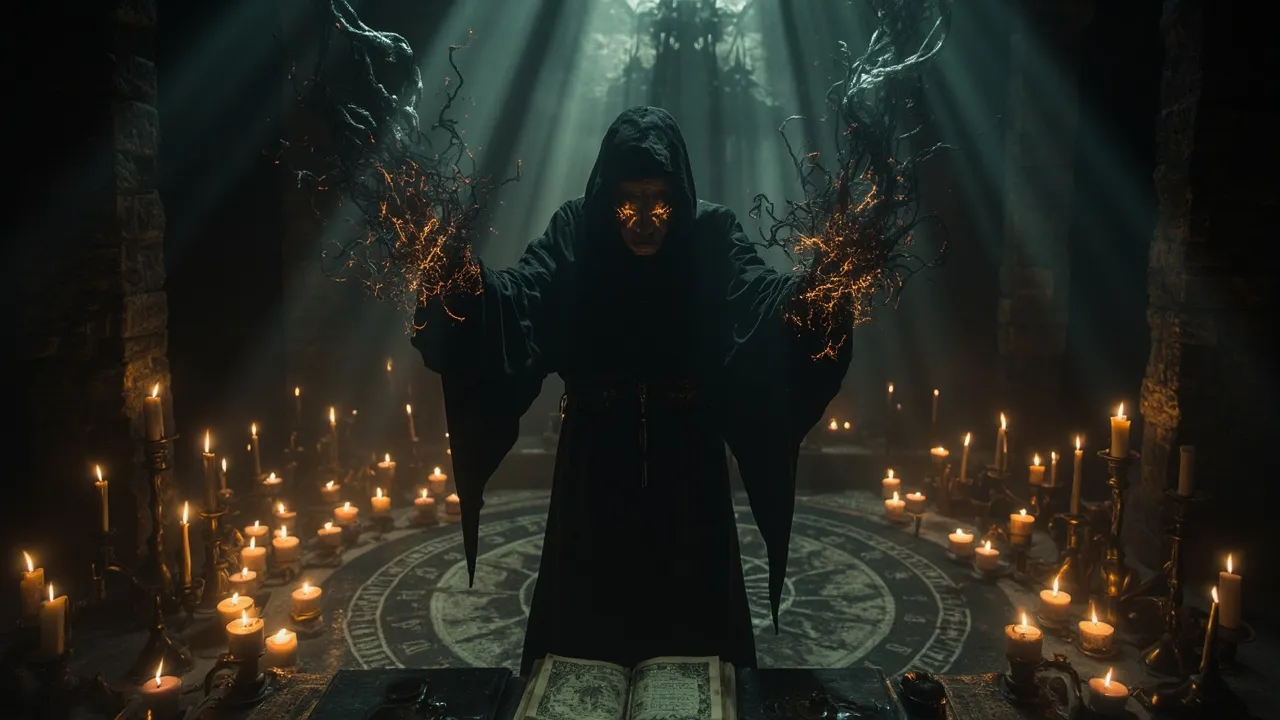
Dark Arts is a superpower centered on wielding occult rituals for curses, summons, and raw supernatural power. In stories, it represents forbidden magic: the kind learned from grimoires, pacts, or secret traditions that trade safety for results. A Dark Arts user can hex enemies, call entities to fight or scout, and bend fate through ritual magic that feels older than any modern weapon. For readers exploring more abilities, the broader list in the superpower wiki helps compare Dark Arts with other combat-ready powers, and the random superpower generator is a quick way to discover related abilities and matchups.
What Is Dark Arts
Dark Arts refers to a set of mystical practices that draw on taboo knowledge, shadow sorcery, and spirit-binding techniques. Unlike simple spellcasting, it often relies on structured actions: chanting, sigils, runes, circles, offerings, and carefully chosen timing. The defining theme is risk. Dark magic may deliver fast, brutal outcomes—like debilitating curses or instant summons—but it commonly carries a price, such as backlash, exhaustion, corruption, or attention from hostile entities.
In a superhero or RPG setting, Dark Arts is less about “shooting magic beams” and more about control and consequence. A skilled practitioner shapes the battlefield indirectly: turning allies stronger, enemies weaker, and the environment unnerving. This makes it a flexible power that can function as offense, defense, scouting, and psychological warfare.
Core abilities of Dark Arts
Dark Arts tends to express through several signature abilities. Individual users may specialize in one branch (like curse-casting or necromancy), but the power shines when multiple branches are combined.
Curse casting and hexes
Curses are targeted effects that impose bad luck, pain, confusion, fear, slowed movement, or weakened strength. A “hex” is often a quick curse with a narrow goal—jam a weapon, spoil aim, numb fingers, mute a voice, or twist perception. Stronger curses can linger, forcing an opponent to fight while constantly impaired.
Summoning and binding
Summoning calls an entity—demon, wraith, shadow-beast, elemental, or familiar—into the world. Binding is the control layer: the sigils, names, and contracts that prevent the summon from turning on the caster. Skilled Dark Arts users can summon scouts, bodyguards, distractions, or specialized entities (lockpick spirits, fire-licking imps, memory-eating shades).
Necromancy and spirit work
Necromancy is the branch focused on death energy and the dead: raising skeletal minions, animating shadows of fallen foes, or speaking with spirits for information. Not every Dark Arts user is a necromancer, but many can at least sense lingering presences, disrupt hauntings, or trap a spirit temporarily.
Ritual empowerment and “borrowed power”
Dark Arts can amplify the user’s physical and mental performance through forbidden rites—temporary strength, heightened senses, pain suppression, rapid healing, or resistance to fear. This often reads as “borrowed power”: it may come from a pact, a siphoned source, or a relic like a cursed amulet.
Wards, seals, and countercurses
Dark Arts is not only aggressive. Users often develop defensive occultism: warding circles, cursed talismans that absorb attacks, seals that lock doors or bind targets, and countercurses that break enemy enchantments. The same knowledge used to harm can also be used to protect—especially if the user anticipates retaliation.
Divination through ominous methods
Some practitioners gain limited insight through scrying mirrors, bone casting, dreamwalking, or reading “signs” in smoke and shadows. This is rarely perfect prediction, but it can reveal hidden enemies, uncover lies, or locate objects connected to a personal token.
Application / Tactical Advantages in Combat
Dark Arts is dangerous in a fight because it attacks the opponent’s options, not just their health. Instead of winning through direct force, it wins by making the enemy’s best moves fail.
-
Battlefield control: fog-like gloom, binding circles, warded zones, or summoned blockers that reshape space.
-
Status effects: fear, disorientation, slowed reflexes, trembling hands, dulled senses, or “sticky luck” where every mistake compounds.
-
Pressure and distraction: summons create extra targets and angles of attack, forcing enemies to split attention.
-
Information advantage: spirit-scouts, divination, and curse “tags” that track a target’s location.
-
Psychological warfare: ominous whispers, illusions of being watched, and the dread of a curse that may outlast the fight.
Level 1 🏙️
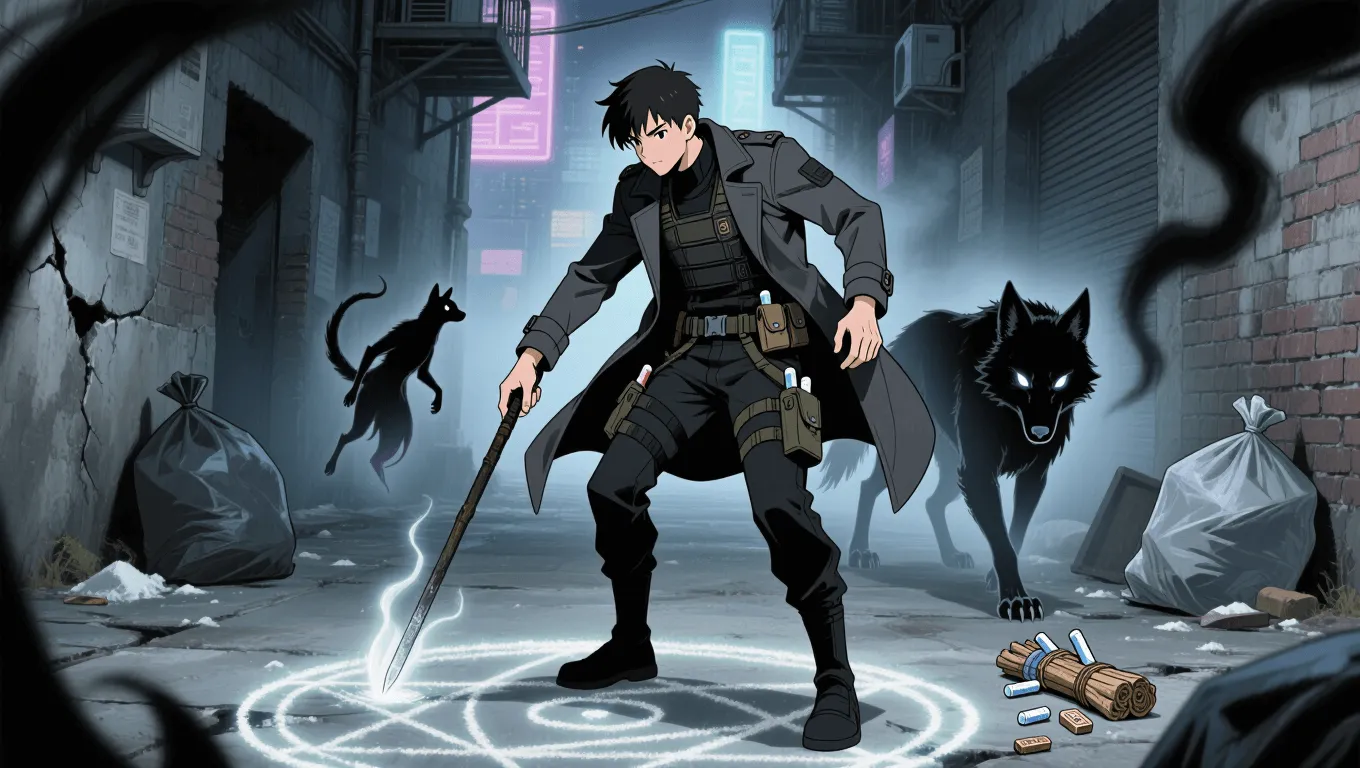
At this level, Dark Arts is practical and fast—useful in street fights, raids, and close-quarters ambushes.
-
Quick hexes: brief nausea, shaky aim, slowed sprinting, minor bad-luck effects (misfires, slips, distractions).
-
Simple summons: a small familiar, shadow hound, or fluttering wisp for scouting and harassment.
-
Basic wards: short-lived circles that repel a single entity type or soften one incoming supernatural strike.
-
Ritual tools matter: chalk, salt, small talismans, spoken names, and prepared sigils are often required.
Level 2 🌇
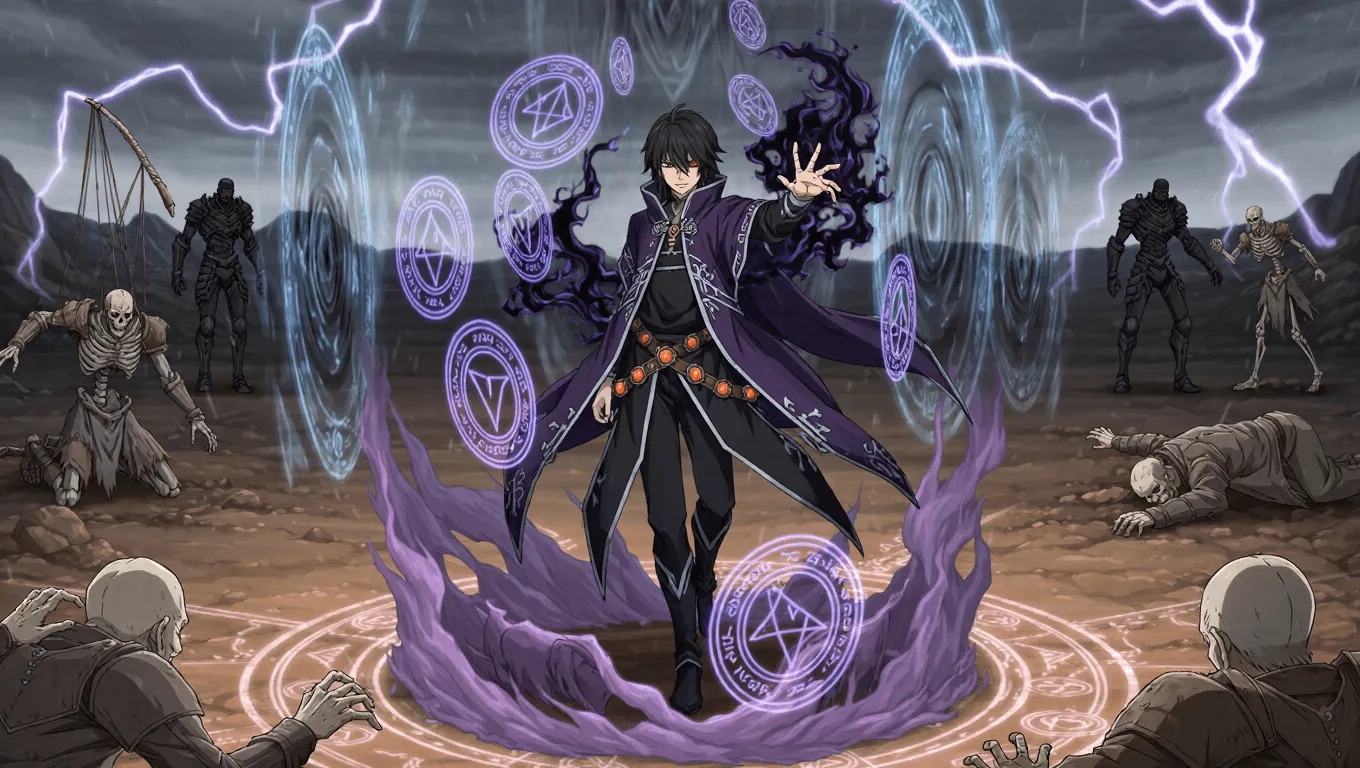
Here, the power becomes strategic. The user can sustain effects longer, layer them, and manipulate groups.
-
Area curses: a zone that weakens enemies, drains stamina, or fills the air with panic.
-
Stronger bindings: temporary immobilization, “marking” a target so their location can be tracked, or forcing a summoned entity to obey complex orders.
-
Combat necromancy: raising a few durable minions, animating armor, or turning a fallen foe into a short-lived puppet.
-
Defensive mastery: countercurses and seals that can shut down an opponent’s spellcasting or trap them behind occult barriers.
Level 3 🌃
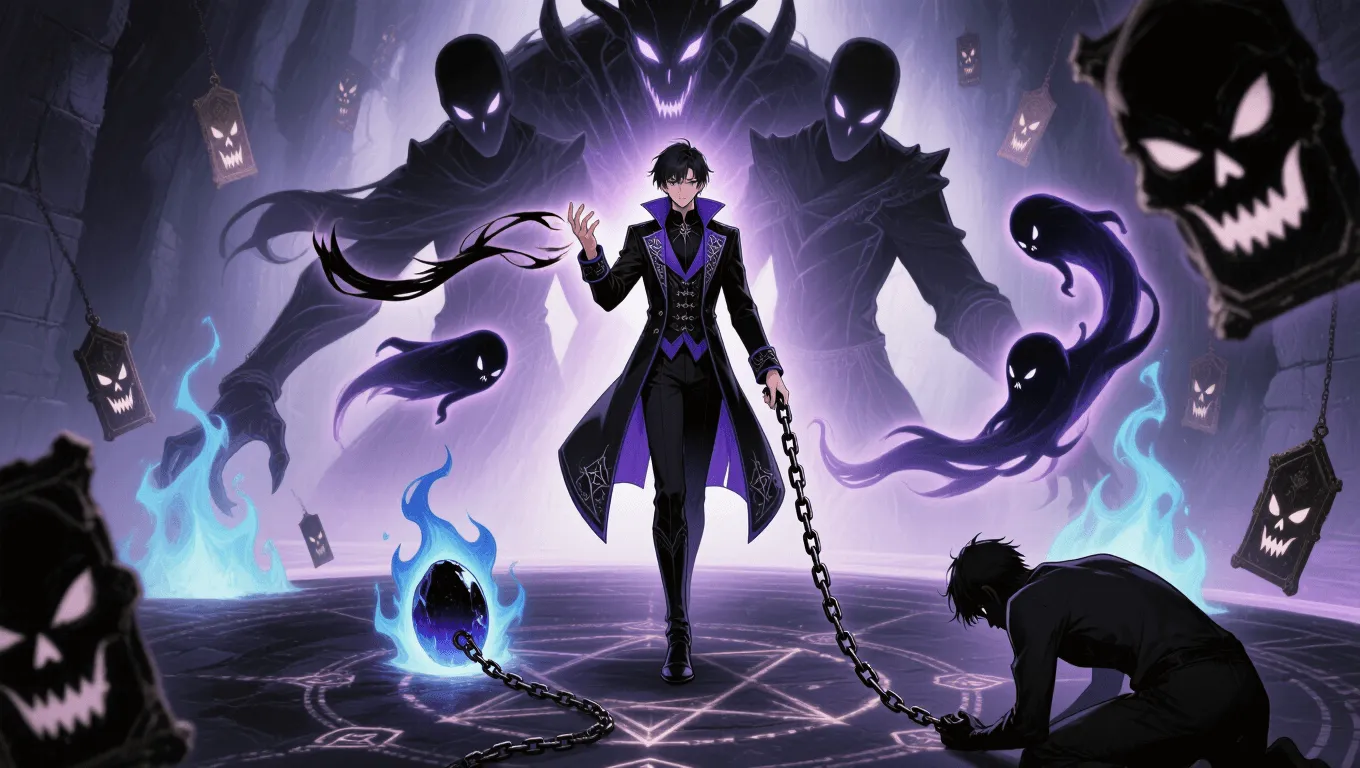
At the highest level, Dark Arts becomes a reality-bending threat—still rule-bound, but terrifyingly potent.
-
High-grade curses: long-lasting afflictions that cripple abilities, twist probability, or sever a target’s connection to their powers for a time.
-
Elite summons: towering guardians, swarms of controlled spirits, or named entities bound by contract.
-
Soul and essence manipulation: draining energy to empower the caster, tethering a target to a cursed object, or forcing a “spiritual anchor” that prevents escape.
-
Domain-style rituals: the user can create a ritual space where their rules dominate—stronger summons, faster hexes, and oppressive fear effects—so long as the ritual remains intact.
Limitations of using the Dark Arts
Dark Arts is not “free power.” Its limits are what keep it balanced in stories—and what make it tense and dramatic.
-
Setup time: the strongest effects often require preparation, components, or spoken invocations. A rushed caster may only manage weak hexes.
-
Costs and backlash: curses can rebound if poorly targeted, circles can break, and binding can fail. Backlash may cause pain, fatigue, hallucinations, or temporary loss of control.
-
Dependency on focus: many rituals require concentration. Stun effects, loud environments, or sensory overload can disrupt casting.
-
Rules and loopholes: Dark Arts often works through symbolic logic—true names, personal tokens, blood ties, or consent-based contracts. Clever enemies exploit loopholes.
-
Moral and social consequences: forbidden rites draw fear and distrust. Even allies may hesitate if the caster’s methods feel cruel or unpredictable.
-
Attention from entities: repeated summoning and spirit work can attract hostile beings, rival occultists, or “hungry” forces that sense power being used.
Weakness against what other superpowers
Dark Arts struggles most against powers that remove its tools, break its focus, or cleanse its effects.
-
Psychic Shield and strong mental defenses: many fear-inducing hexes and spirit whispers lose impact if the target’s mind is fortified.
-
Light-based abilities: intense, controlled light can expose illusions, disrupt shadow entities, and weaken gloom-based battlefield control.
-
Purification and holy energy: cleansing powers can burn away curses, sever bindings, and banish summons—especially undead or infernal types.
-
Nullification and anti-magic: a direct shutdown of supernatural effects is a hard counter, forcing the Dark Arts user into mundane tactics.
-
High-speed blitz styles: if an enemy can close distance instantly, the caster may not have time to draw sigils or complete invocations.
-
Reality manipulation: reality-warpers can ignore ritual “rules,” making contracts and circles unreliable unless reinforced by equal power.
Synergistic Power Combos
Dark Arts becomes even more effective when paired with complementary abilities that cover its weak spots or amplify its strengths.
-
Shadow Manipulation: perfect for hiding ritual setup, strengthening summoned shades, and turning darkness into a controlled weapon.
-
Teleportation or Phasing: helps the caster survive rushdowns and reposition to maintain circles and wards.
-
Emotion Manipulation: pairs with fear curses and panic auras to break enemy formations quickly.
-
Technopathy: enables cursed devices, haunted surveillance, and traps that blend occult sigils with modern infrastructure.
-
Healing Factor: offsets backlash and ritual strain, letting the user push stronger rites more often.
-
Probability Manipulation: combines brutally with hexes—bad luck plus forced odds can make even elite opponents unravel.
For more pairing ideas, the broader list in superpower wiki is useful for comparing counters, combos, and shared themes across powers.
Known Users
Dark Arts has close cousins across comics—characters who routinely use occult rituals, curses, demon summoning, or forbidden spellcraft. While each setting uses different terminology, their toolkits match the core idea.
-
John Constantine (DC Comics): a cunning occultist known for deals, exorcisms, and morally gray ritual magic.
-
Morgana Le Fay (Marvel Comics): a sorceress tied to ancient magic, curses, and powerful enchantments.
-
Dormammu (Marvel Comics): a dark entity often associated with corrupting magic and otherworldly bargains.
-
Satana Hellstrom (Marvel Comics): frequently linked to infernal themes, summoning, and demonic power structures.
In many universes, these figures illustrate the same lesson: Dark Arts is at its strongest when the user understands rules, names, and consequences—and is willing to pay the price to win.