
Dark Energy Generation
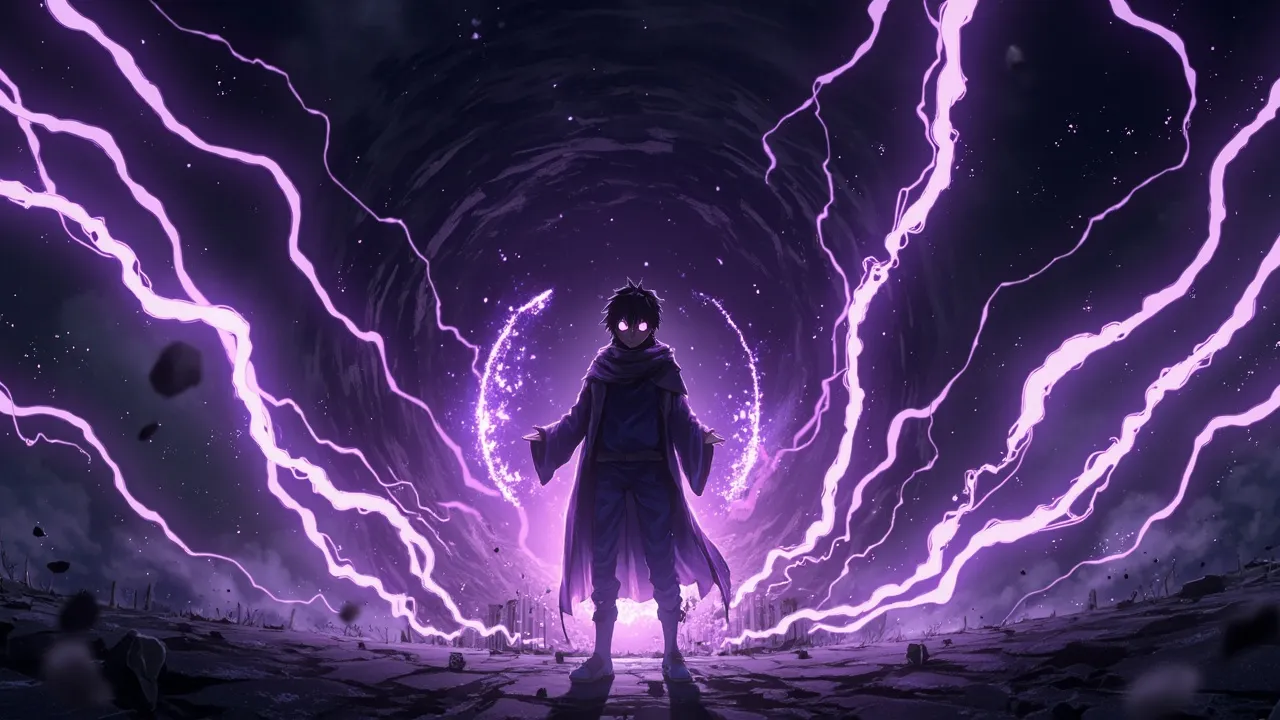
Dark Energy Generation Video Demo 🎬
Table of Contents
- Dark Energy Generation Video Demo 🎬
- What Is Dark Energy Generation
- Core abilities of Dark Energy Generation
- Application / Tactical Advantages in Combat
- Level: Level 1 🏙️, Level 2 🌇, Level 3 🌃
- Limitations of using the Dark Energy Generation
- Weakness against what other superpowers
- Synergistic Power Combos
- Known Users
Dark Energy Generation is the ability to summon and emit destructive dark-energy blasts—volatile, often “void-like” energy that tears through obstacles, crushes targets with concussive force, and can smother light and heat in its wake. Users of Dark Energy Generation typically project negative energy bursts from their hands, eyes, or core, shaping everything from tight, armor-punching bolts to wide dark-energy waves that turn a battlefield into a hazard zone. For readers exploring more abilities like this one, the Superpower Wiki hub is a helpful directory, and the random superpower generator can spark new build ideas in seconds.
What Is Dark Energy Generation
At its simplest, Dark Energy Generation is controlled emission: the user produces “dark” power and launches it as blasts, beams, pulses, or detonations. In fiction, this is often framed as void energy, shadow energy, entropy energy, or an extradimensional force that behaves like pure negative energy. Some portrayals treat it like a cosmic radiation that eats light and warmth; others treat it like a dense, destructive pressure that cracks stone and flings enemies backward.
While the name suggests real-world cosmology, in superpower terms it usually overlaps with dark energy manipulation and related “darkforce” concepts—an otherworldly energy source that can be weaponized as concussive blasts, suppressive fields, or reality-scorching rays.
Core abilities of Dark Energy Generation
Dark Energy Generation can manifest in many “moves,” but most users develop a core kit that evolves with skill and output.
-
Dark-energy blasts and beams: The signature attack. The user emits concentrated bolts, continuous rays, or rapid-fire shots that hit like artillery.
-
Area-of-effect dark bursts: Short-range shockwaves that knock back crowds, rupture cover, and punish close-quarters rushdowns.
-
Void pressure and concussive force: Even when not “burning,” blasts can behave like compressed mass, delivering bone-cracking impact.
-
Light/heat suppression (variant): Some users’ energy dampens illumination, chills air, or “drinks” ambient energy around the impact point, reducing visibility and comfort for opponents.
-
Dark-energy shaping (advanced variant): Turning output into simple barriers, discs, spikes, or cages—often requiring steady focus and fine control.
-
Dimensional channeling (rare variant): Opening brief rifts or “ports” connected to a dark-energy source, enabling surprise angles of fire or instant repositioning.
In RPG terms, Dark Energy Generation is a high-ceiling blaster power: it starts as raw damage, then grows into battlefield control once the user can modulate spread, intensity, and duration.
Application / Tactical Advantages in Combat
Dark Energy Generation excels when the user treats the battlefield like geometry—angles, lines of sight, choke points, and timing.
-
Mid-to-long range dominance: Dark-energy beams can suppress enemy lanes, punish exposed casters, and pressure flying targets.
-
Cover denial: Wide blasts chew through barricades, collapse hiding spots, and force movement into predictable routes.
-
Crowd control by fear and disruption: Even without “mind” effects, a black, roaring blast that erases cover changes enemy behavior fast.
-
Anti-armor performance: Concentrated bolts can behave like drilling force, cracking shields and shattering hardened materials.
-
Tempo control: A user can “set the pace” by alternating heavy shots (to break formation) with quick bursts (to punish repositioning).
-
Psychological warfare: Darkness-themed attacks reduce confidence—especially when they dim the field or leave lingering shadow haze.
When paired with mobility (teleport steps, jet bursts, wallrunning), the user becomes an artillery striker who can reposition, fire, and vanish before retaliation.
Level: Level 1 🏙️, Level 2 🌇, Level 3 🌃
Level 1 🏙️
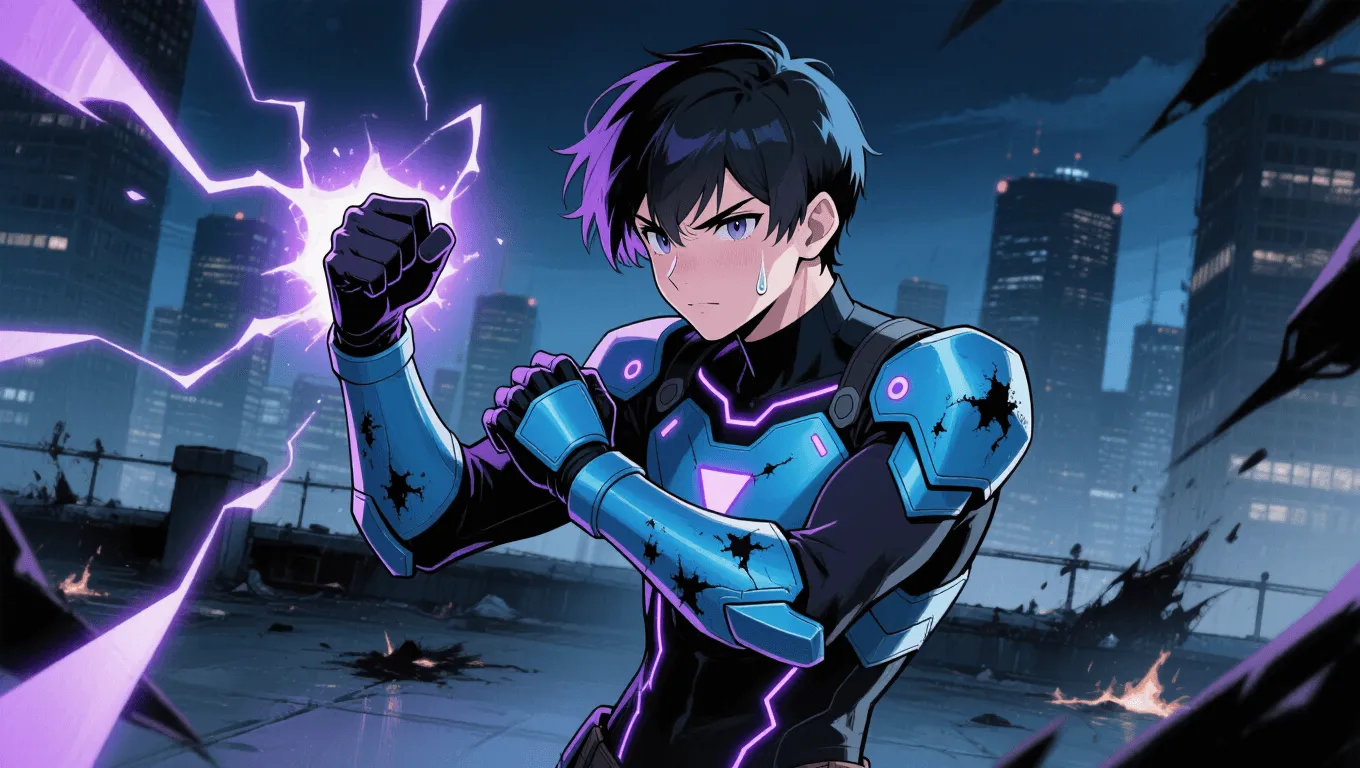
At Level 1, Dark Energy Generation is mostly straightforward offense.
-
Small-to-medium dark-energy bolts with reliable knockback
-
Short beam bursts that require aim and line of sight
-
Limited stamina: too many shots in a row causes shaking, burnout, or misfires
-
Basic “flare” control: the user can reduce collateral by tightening the blast radius
Combat identity: a dangerous duelist or backline shooter who wins trades with raw power but must manage exhaustion.
Level 2 🌇
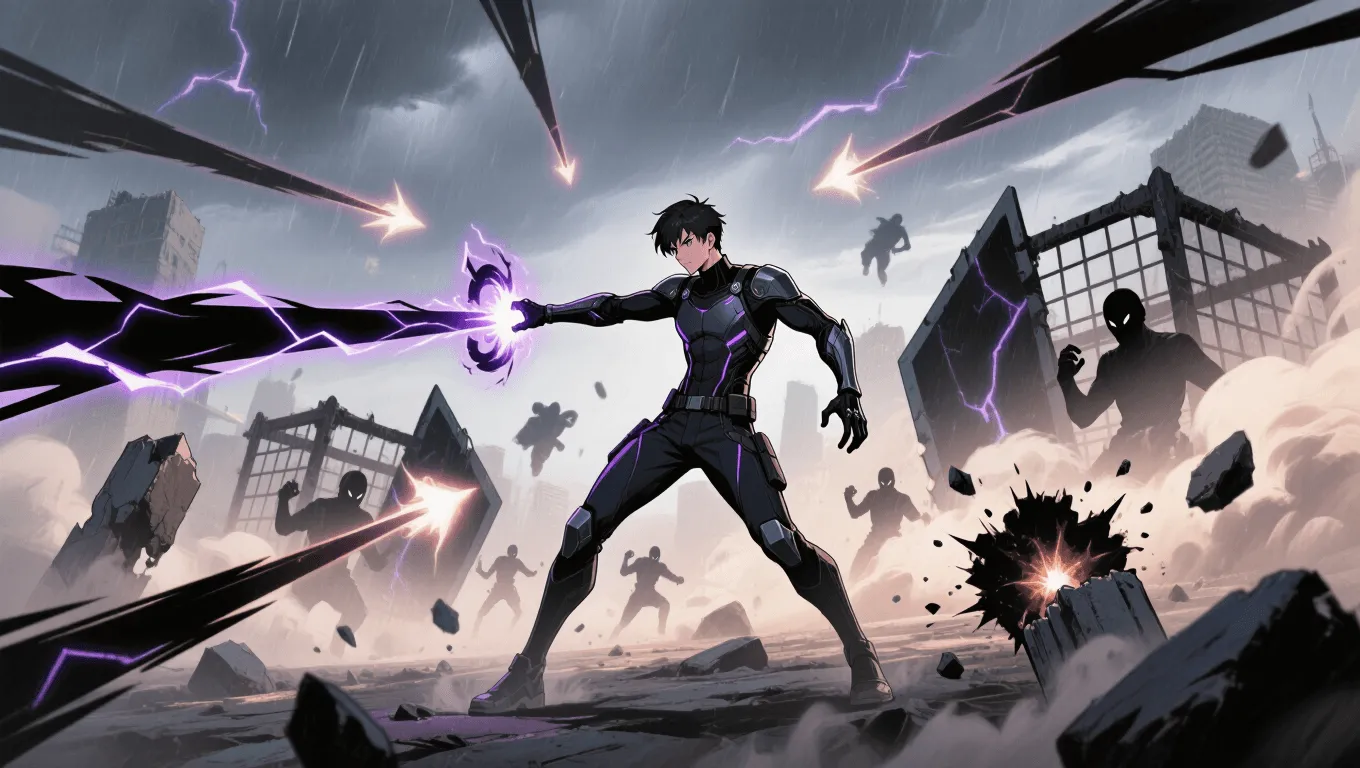
At Level 2, the user gains tactical flexibility and field control.
-
Sustained beams (seconds-long) and quick beam sweeps
-
Variable output: pin-point shots, shotgun-like spreads, or wave blasts
-
Crude shaping: dark-energy shields, wedges, or simple cages that last while maintained
-
Environmental interaction: blasting floors for shockwaves, collapsing pillars, or creating dust-and-shadow chaos that breaks enemy coordination
Combat identity: a skirmish commander—controlling lanes, breaking defenses, and dictating where fights happen.
Level 3 🌃
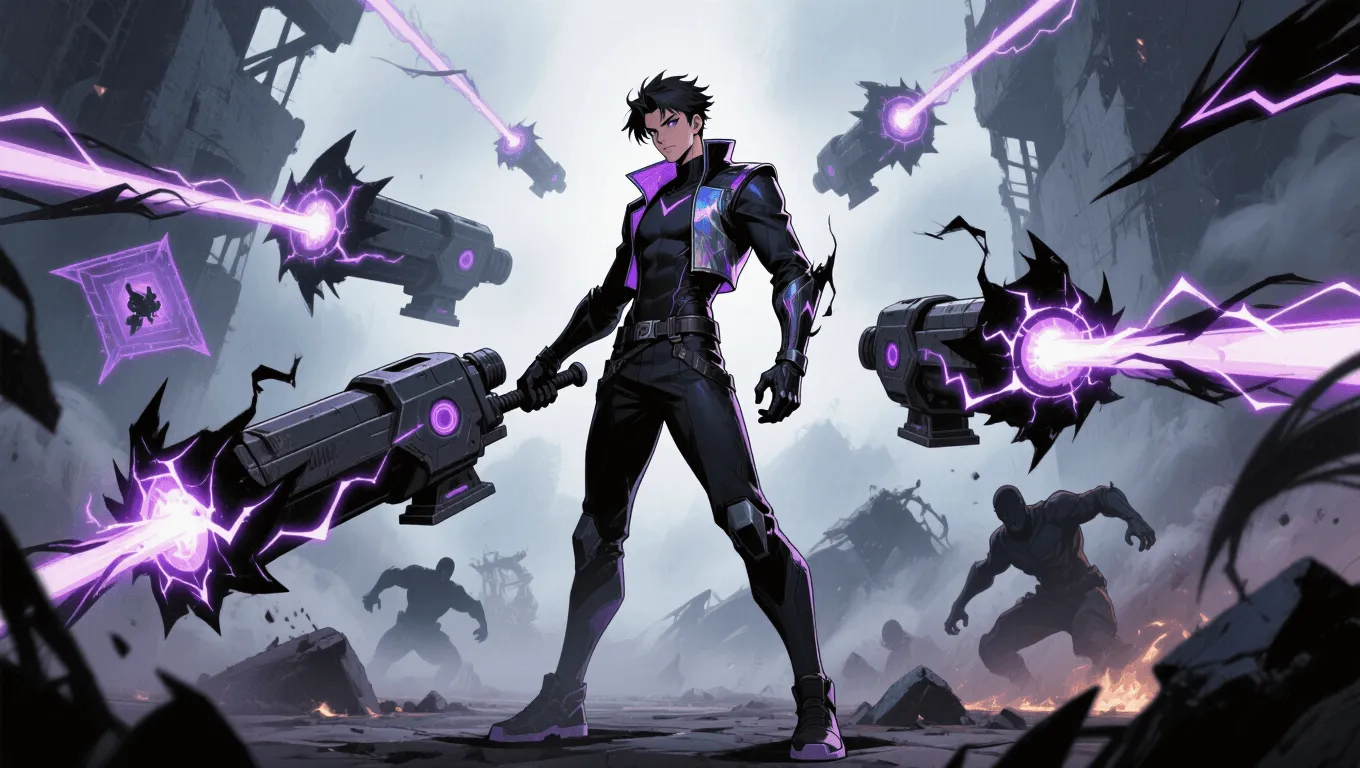
At Level 3, Dark Energy Generation becomes a “signature threat” power.
-
Massive dark-energy cannons capable of crater-level impacts
-
Multi-angle fire via ricochet-like guidance, remote arcs, or dimensional channeling (setting-dependent)
-
High-precision shaping: durable barriers, prisons, or platforms for movement
-
Suppression fields (variant): localized zones that dampen light/heat/energy and make enemy casting unstable
Combat identity: a raid-level blaster who can end encounters quickly—but risks catastrophic collateral damage and becomes a primary target.
Limitations of using the Dark Energy Generation
Even when it’s “destructive,” Dark Energy Generation is not a free win. Its limitations create counterplay and story tension.
-
Output cost and recoil: High-intensity blasts may strain muscles, nerves, or focus. Recoil can throw off aim or damage the user’s own joints.
-
Control demands: Wide-area attacks are easier than precision. If allies are near targets, friendly fire becomes a constant risk.
-
Visibility tradeoffs: If the energy creates shadow haze or light suppression, it can also hinder the user’s team, especially ranged allies.
-
Charge time: The biggest blasts often require wind-up, creating punish windows against fast opponents.
-
Signature tells: Dark energy often has a noticeable “presence” (air pressure drop, black glow, cold edge), giving opponents a cue to dodge.
-
Environmental liability: Indoors, blasts can collapse ceilings; in cities, collateral is almost guaranteed without strict restraint.
-
Emotional instability (common trope): Because the power is thematically tied to void/entropy, many settings link it to stress, anger, or fear—reducing fine control under pressure.
Weakness against what other superpowers
Dark Energy Generation is powerful, but several superpower categories reliably counter it.
-
Light Manipulation and illumination-based powers: Strong light can negate shadow-based concealment, reveal attack angles, and reduce the intimidation factor. Against variants tied to “darkness,” intense light can destabilize constructs.
-
Energy Absorption and redirection: Absorbers can drink the blast, convert it, or charge themselves. Reflectors can bounce beams back along the firing line.
-
Force Fields and barrier specialists: Layered shields can blunt concussive damage and buy time while the user’s stamina drains.
-
Teleportation and phasing: If the opponent can ignore lanes of fire, the blaster’s range advantage collapses. Close-range flanks are especially dangerous.
-
Time control and reaction boosts: Anything that increases dodge windows (bullet time, precognition) reduces the threat of big, readable shots.
-
Anti-magic/anti-energy nullification: Power dampening can shut down generation entirely, forcing the user into mundane combat.
In short: Dark Energy Generation crushes straightforward defense, but struggles against mobility, absorption, and hard counters that deny ranged pressure.
Synergistic Power Combos
Dark Energy Generation becomes terrifying when paired with abilities that either hold targets still or multiply the value of each shot.
-
Gravity Control: Pin enemies in place, then land guaranteed beam hits. Gravity wells also keep opponents inside blast zones.
-
Darkness Manipulation: Use darkness to blind and funnel movement; use dark-energy blasts to punish anyone who tries to escape.
-
Force Field Creation: A personal shield lets the user charge bigger shots safely and survive counterfire.
-
Telekinesis: Telekinetic grabs can “freeze” targets midair for precision strikes, or redirect debris into the blast path for shrapnel effects.
-
Portal Creation: Fire blasts through portals for surprise angles, bypass cover, or strike multiple locations instantly.
-
Energy Constructs: Build dark-energy spears, chains, or cages to control positioning, then finish with a focused blast.
-
Sensory Disruption: If opponents can’t see or hear correctly, even moderate bolts become lethal.
These combos also scale well in team play: one ally locks enemies down while the Dark Energy Generation user provides decisive finishing power.
Known Users
In comics and superhero media, several characters use comparable dark, negative, or “omega-like” energy blasts—even if their settings describe the source differently.
-
Darkseid (DC Comics) — famous for Omega Beams powered by the Omega Effect, often depicted as devastating energy rays with extreme destructive potential.
-
Blackout (Marcus Daniels) (Marvel Comics) — taps into Darkforce, projecting it as concussive energy blasts and shaping it into solid forms in some portrayals.
-
Cloak (Tyrone Johnson) (Marvel Comics) — associated with Darkforce-themed darkness/void abilities in many interpretations and adaptations.