
Electric Sound Generation
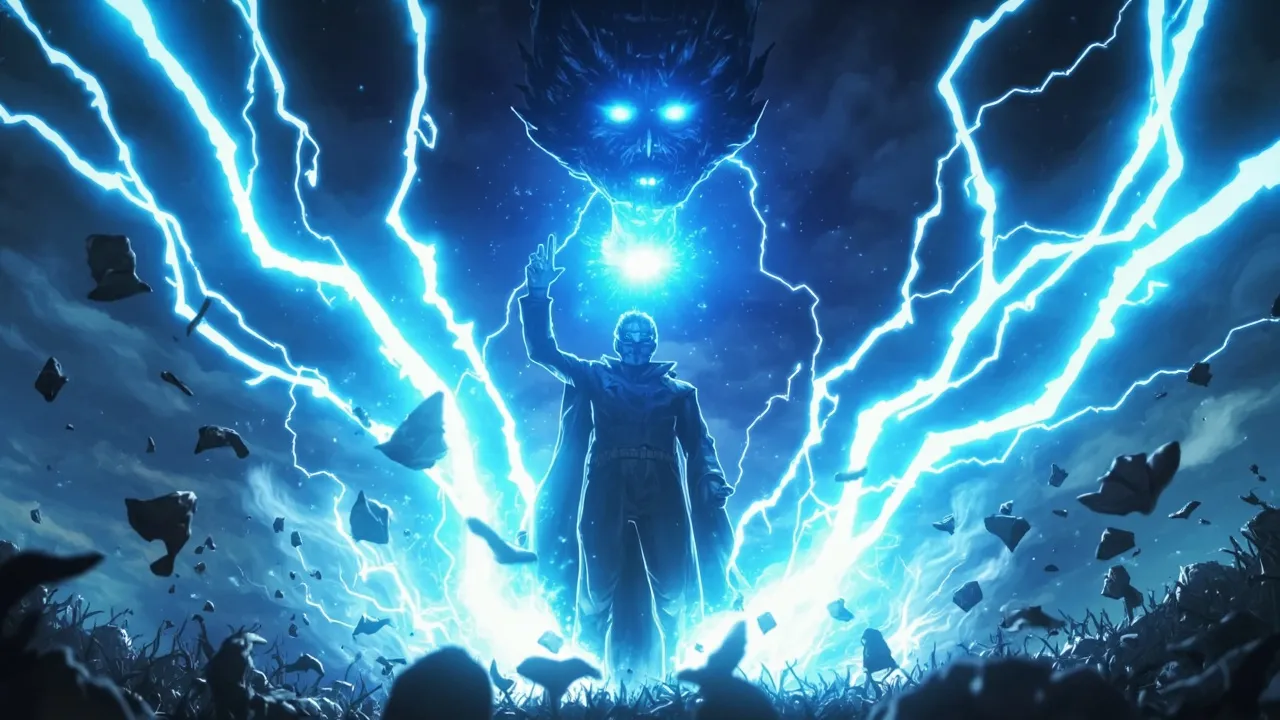
Electric Sound Generation Video Demo 🎬
Table of Contents
Electric Sound Generation is the ability to convert electric energy into powerful sonic waves, turning voltage into vibration with immediate battlefield impact. Instead of firing lightning directly, the user transforms electricity into compressed, weaponized sound—anything from concussive shockwaves to piercing ultrasonic blasts. In a world packed with strange abilities, Electric Sound Generation stands out as an electroacoustic power that blends electricity manipulation and soundwave projection into one tactical toolkit. For more abilities like this, readers can browse the full catalog on the Superpower Wiki or roll something unexpected on the random superpower generator.
What Is Electric Sound Generation
At its core, Electric Sound Generation is electroacoustic transduction: electrical energy is converted into mechanical vibration, then shaped into audible or ultrasonic waves. In practical terms, it means the user can “play” electricity like an instrument—tuning frequency, amplitude, waveform shape, and direction to produce effects such as:
-
Concussive sonic shockwaves that knock targets back
-
Resonance attacks that rattle armor, walls, or internal organs
-
Focused sound beams that stagger or disrupt aim
-
Wide-area sonic pulses that clear space, break formations, or collapse fragile structures
Because the power starts with electricity and ends with sound, it can be fueled by internal bioelectricity, stored charge, external power sources, or harvested current from the environment (depending on the setting).
Core abilities of Electric Sound Generation
Electric Sound Generation tends to express as a “sonic toolkit” with electrical flavor and control. Common core abilities include:
-
Sonic wave conversion: turning electrical charge into pressure waves in air, liquids, or solids.
-
Frequency modulation: switching between infrasonic (low, rumbling), audible (stunning), and ultrasonic (piercing, precision) outputs.
-
Directional projection: shaping sound into cones, beams, rings, or expanding domes.
-
Resonant targeting: matching frequencies to materials (glass, steel, concrete) to crack, loosen, or shatter them more efficiently.
-
Sonic shielding: generating a vibration field that deflects light projectiles, destabilizes grapples, or disrupts close-range strikes.
-
Electrosonic interference: producing sound patterns that disrupt communication, balance (inner ear), and concentration.
-
Environmental amplification: using walls, tunnels, metal structures, or water to carry and magnify vibrations.
Depending on mastery, the user may also create “sonic signatures” that act like fingerprints—unique wave patterns used for identification, tracking, or stealthy coded signals.
Application / Tactical Advantages in Combat
Electric Sound Generation is built for control: it can force spacing, break rhythm, and punish clustering. Unlike purely physical attacks, sonic pressure can bypass some armor and create internal disruption. Unlike pure electricity, the output can be non-lethal and precise when needed.
Key combat advantages:
-
Crowd control: radial bursts can stagger multiple enemies at once.
-
Disruption and disarm: rapid pulses can shake weapons loose, ruin footing, and interrupt spellcasting/aiming.
-
Anti-rush defense: concussive rings create “keep-out” zones, buying time against melee threats.
-
Breaching and demolition: resonance can fracture doors, weaken supports, or collapse brittle cover.
-
Underwater and enclosed-space pressure: vibrations travel extremely well in liquids and tight corridors, giving the user strong positional leverage.
-
Information warfare: painful tones, disorienting frequencies, and comms-jamming noise can dismantle coordinated teams.
Level: Level 1 🏙️
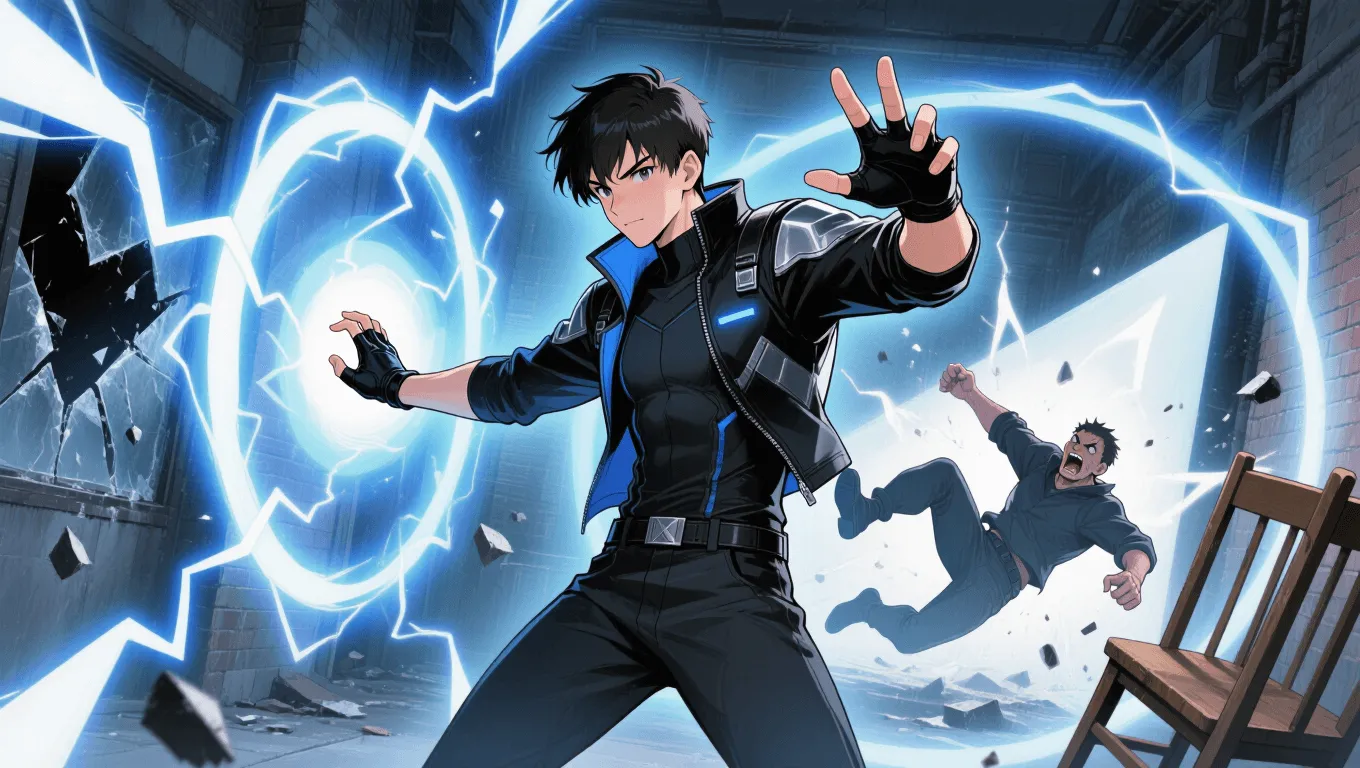
At Level 1, Electric Sound Generation is loud, forceful, and relatively straightforward.
-
Can emit basic sonic blasts (short-range cones or small shockwave rings).
-
Can stun or knock back a single target reliably.
-
Can break fragile objects (glass, weak wood, unsecured fixtures).
-
Has limited frequency control (mostly “one-note” output).
-
Requires clear line-of-effect and tends to broadcast the user’s position due to noise and visible electric buildup.
Typical tactics: point-blank concussive burst to escape grapples, short-range stun to open a window for retreat, or a quick ring to disrupt a charging opponent.
Level: Level 2 🌇
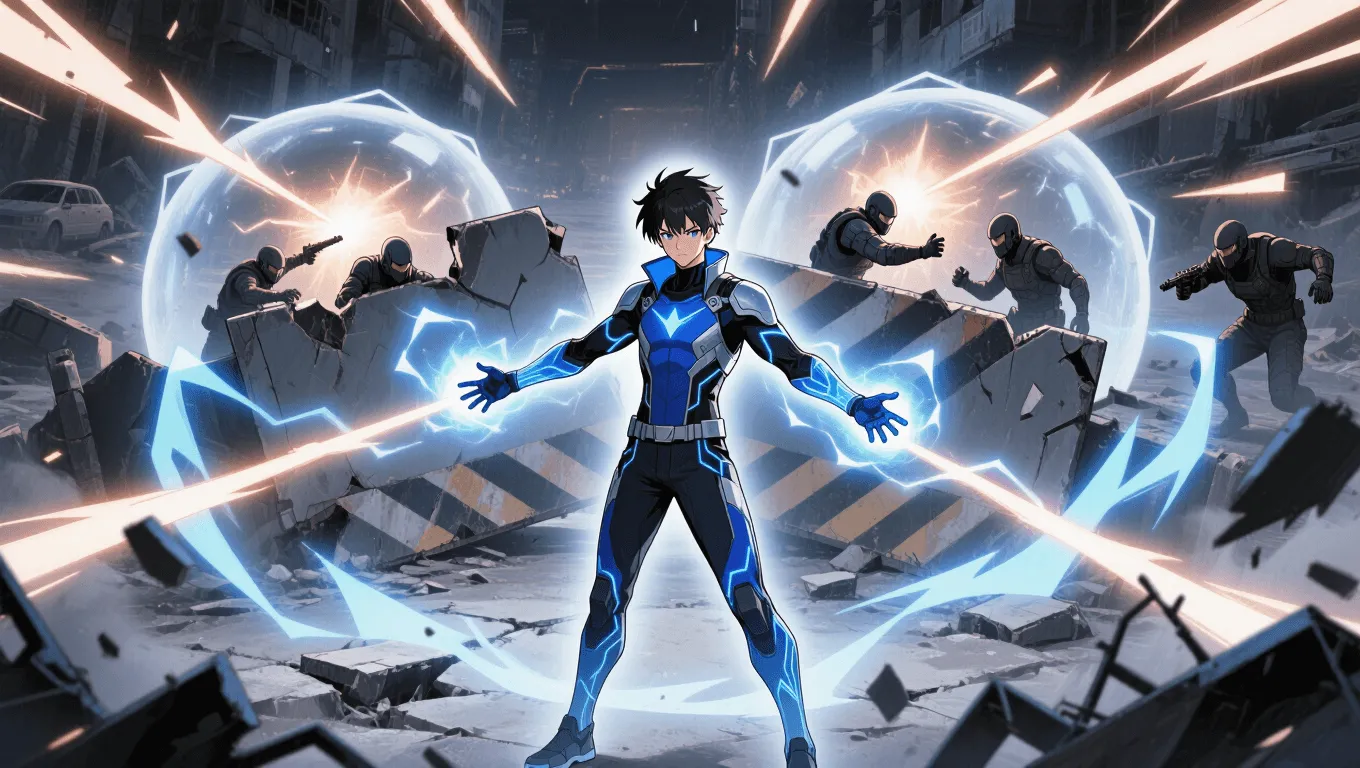
At Level 2, the user gains tuning, shaping, and battlefield utility.
-
Can choose between concussive, piercing, and disorienting modes.
-
Can form directed beams or wide domes with better control.
-
Can use resonance to damage specific materials more efficiently.
-
Can maintain a short-duration sonic barrier (a “vibration curtain”) that punishes contact or deflects light projectiles.
-
Can perform selective targeting (hitting enemies in a cluster while minimizing harm to allies).
Typical tactics: sweeping sonic beam to keep enemies pinned behind cover, alternating frequencies to break defenses, or setting rhythmic pulses to deny corridors and choke points.
Level: Level 3 🌃
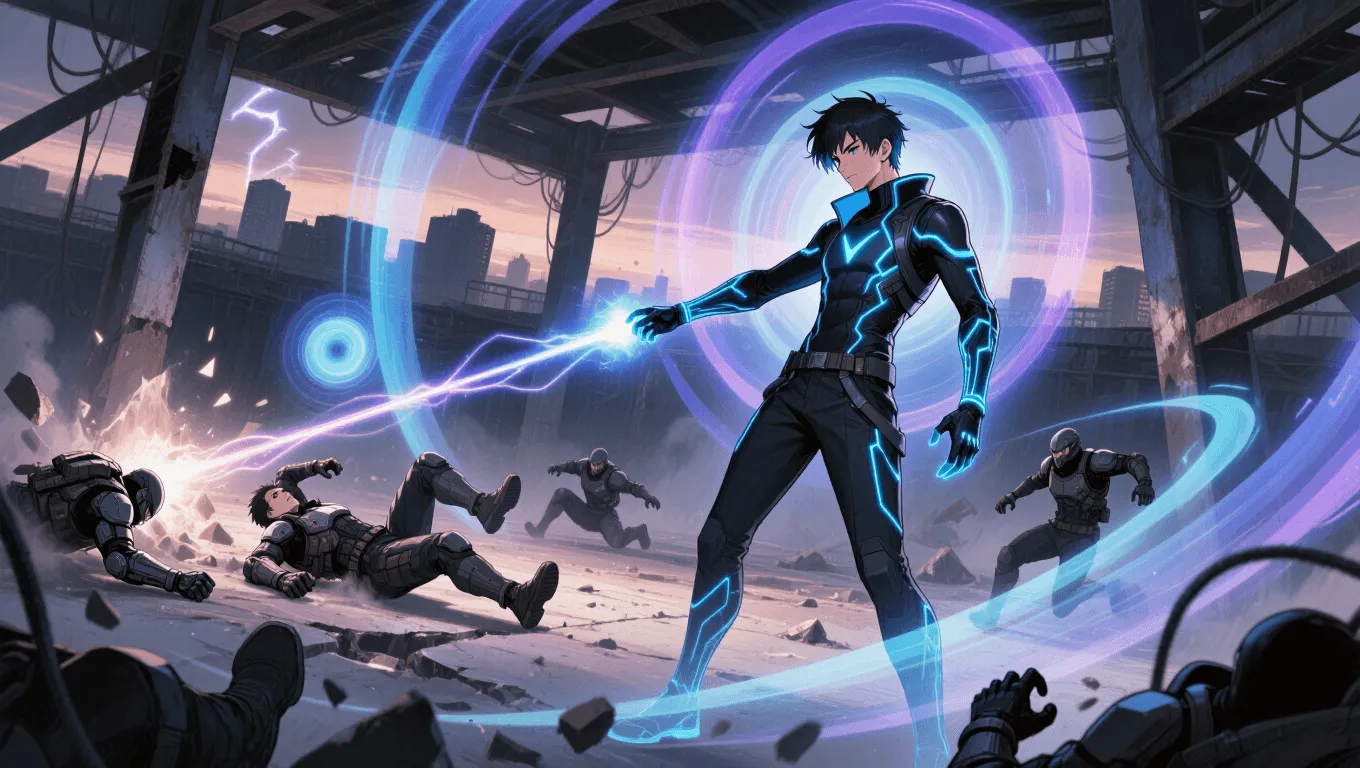
At Level 3, Electric Sound Generation becomes a precision instrument and a strategic weapon.
-
Can create layered waveforms (multiple frequencies at once) for complex effects: stun plus knockback, or resonance plus disorientation.
-
Can generate localized “dead zones” and “hot zones” by manipulating interference patterns.
-
Can deliver controlled ultrasonic strikes that bypass some armor and target weak points.
-
Can propagate vibrations through structures (floors, pipes, metal beams) to attack around corners or collapse enemy footing.
-
Can perform sustained output with efficient energy use, converting available electricity into continuous pressure control rather than brief bursts.
Typical tactics: silent ultrasonic takedowns at range, structure-borne tremor hits that force enemies out of cover, or an arena-wide control field that makes coordinated attacks nearly impossible.
Limitations of using the Electric Sound Generation
Even at high skill, Electric Sound Generation has real constraints:
-
Energy budget: high-amplitude shockwaves cost a lot of electrical energy. Sustained fights can drain reserves quickly without a source of charge.
-
Medium dependence: sound needs a medium. In vacuum-like conditions, soundwave effects collapse unless the power includes direct vibration transfer into solids.
-
Collateral risk: sonic force can damage surroundings, crack infrastructure, and harm bystanders—especially in enclosed spaces where reflections amplify pressure.
-
Self-strain and feedback: without protection, the user can suffer headaches, vertigo, nausea, tinnitus, or internal stress from their own output and reflections.
-
Line-of-effect quirks: while sound can bend and reflect, it can also be absorbed by soft materials, dampening its impact.
-
Precision learning curve: effective resonance requires knowledge and timing; the wrong frequency wastes energy.
-
Counterplay visibility: electrical buildup, audible tells, or air rippling can telegraph attacks unless the user masters quieter ultrasonic techniques.
Weakness against what other superpowers
Electric Sound Generation sits at the intersection of two energy domains, so it can be countered from either side.
-
Sound Absorption: powers that swallow, nullify, or store sound can erase the user’s output before it lands.
-
Silence Field / Zone of Quiet: if sonic propagation is suppressed, most external effects vanish (forcing the user into direct-contact vibration tricks, if available).
-
Vibration Dampening: abilities that stabilize molecules or cancel oscillation can neutralize resonance and shockwaves.
-
Electricity Manipulation: an enemy who redirects, drains, or grounds electricity can starve the conversion process.
-
Energy Drain: broad-spectrum absorption can cut off both the electrical input and the acoustic output.
-
Vacuum Generation / Air Removal: removing the medium prevents effective sound travel, especially for ranged attacks.
-
Force Fields: barriers can reflect or disperse sound pressure; a well-tuned field can turn the user’s wave back on them.
-
Phase Shifting / Intangibility: if a target can desync from physical vibration, concussive effects may be reduced.
-
Enhanced Balance / Inner Ear Immunity: some characters resist disorientation and can push through stun frequencies.
Synergistic Power Combos
Electric Sound Generation becomes nastier when paired with abilities that solve its energy needs, improve delivery mediums, or lock targets in place.
-
Electric Conductivity: channel current through metal, water, or weapons, then convert it into point-blank sonic bursts for brutal close-quarters control.
-
Bubble Generation: trap targets in foam or bubbles and then pump vibrations through the enclosure to amplify pressure and disorientation.
-
Dust Generation: obscure vision with dust clouds, then use sonic pulses to “map” movement by the way the cloud ripples, controlling space without line-of-sight.
-
Dark Energy Generation: use dark-energy pressure to herd enemies into a kill zone, then drop a tuned electrosonic shockwave for maximum impact.
-
Wallcrawling: dominate vertical terrain; sonic rings from ceilings and walls create unpredictable angles and reflections.
-
Invulnerability or Mobile Invulnerability: ignore the recoil and close-range reflections that would normally punish heavy sonic output.
-
Regenerative Healing Factor: sustain high-output “overdrive” techniques that would otherwise cause internal strain and recovery downtime.
-
Structure Weakening: weaken a surface at the molecular level, then apply resonance to trigger rapid collapse with minimal energy.
-
Tentacle Manifestation: immobilize foes, then apply precise ultrasonic bursts to disarm, stun, or force surrender without lethal damage.
Known Users
Electric Sound Generation as a named power is a specialized hybrid, but several comic characters showcase close parallels through sonic vibration abilities, shockwave tech, or sound-based metahuman effects:
-
Black Canary: famous for the Canary Cry, a superhuman sonic scream that can stun foes and shatter materials—an excellent reference point for what high-end sonic output can do in combat. See Black Canary.
-
Shocker (Marvel): uses vibro-shock gauntlets that project intense, vibrating air blasts and shockwaves, demonstrating how focused vibration tech can create concussive impacts and structural damage similar to electrosonic conversion.
-
Vibe (DC): associated with sonic vibration manipulation and broader vibrational effects, illustrating advanced “frequency control” concepts that map well onto top-tier Electric Sound Generation playstyles.