
Gravity Negation
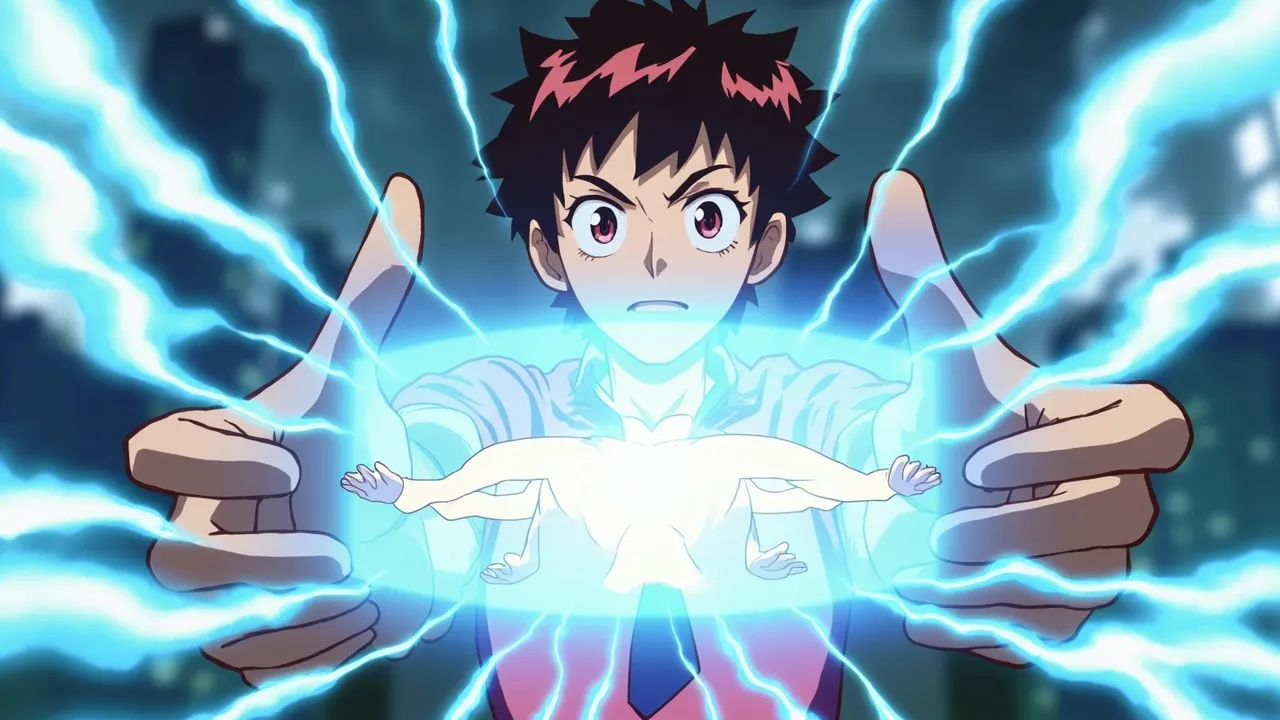
Gravity Negation Video Demo 🎬
Table of Contents
Gravity Negation is the ability to nullify gravity on a chosen target, creating true weightlessness as if the target were placed in a zero gravity environment. Instead of “pushing” or “pulling” with force, this power cancels the downward tug that normally keeps people and objects grounded. In stories, Gravity Negation often appears as anti-gravity touch, gravity nullification fields, or gravity dampening waves that make enemies float helplessly. Readers exploring similar abilities can browse the full catalog on the Superpower Wiki list or roll something unexpected on the random superpower generator homepage.
Unlike broader gravity manipulation (which can increase, reverse, or reshape gravity), Gravity Negation is focused: it removes gravity’s effect, turning weight into nothing. That single trick is deceptively powerful, because everything from footing and balance to recoil and momentum depends on gravity working normally.
What Is Gravity Negation
At its core, Gravity Negation cancels the gravitational influence acting on a target. The target might be a person, an object, a small area, or (at higher levels) an entire zone. Once gravity is “off,” the target becomes weightless: it can drift, float, and be moved with very small forces.
Gravity Negation is often portrayed in a few recognizable styles:
-
Anti-gravity touch: gravity is negated on anything the user touches.
-
Zero gravity field: a radius where gravity is suppressed.
-
Selective nullification: the user chooses who/what floats while other things remain normal.
-
Gravity release toggle: gravity can be restored instantly, causing a controlled drop.
Because the power changes how “down” works, it excels at control and disruption. A fighter who cannot plant their feet cannot reliably strike, sprint, or even aim.
Core abilities of Gravity Negation
-
Targeted weightlessness: cancel gravity on a person or object so it floats.
-
Area weightlessness: create a null-gravity bubble that affects everything inside.
-
Float control (indirect): while Gravity Negation does not automatically provide precise steering, the user can exploit tiny pushes, air currents, and contact forces to reposition targets.
-
Drop timing: restore gravity at the exact moment to slam a floating target into the ground, a wall, or another object.
-
Gravity-safe handling: lift fragile or heavy items without strain by making them effectively massless to carry (the mass remains, but the weight is removed).
-
Recoil and stability disruption: negate gravity on weapons, shields, or the wielder’s stance to ruin balance and accuracy.
Many fictional versions also include a “nausea limiter” or safety technique that prevents targets from blacking out due to motion sickness—though this is usually a learned refinement rather than a default.
Application / Tactical Advantages in Combat
Gravity Negation is a battlefield control power disguised as a mobility trick. Its best combat uses revolve around removing an opponent’s ability to anchor themselves.
-
Anti-footing crowd control: floating enemies cannot brace, pivot, or lunge effectively. Even skilled martial artists lose most of their leverage.
-
Disarms and forced drops: negate gravity on an enemy’s weapon hand, weapon itself, or belt pouches—then bump the item so it drifts away.
-
Ring-out wins: in arenas, rooftops, bridges, or cliffs, gravity cancellation becomes an instant battlefield removal tool.
-
“Soft” takedowns: instead of breaking bones, the user can float a target, restrain them, and lower them safely—useful for captures.
-
Projectile manipulation: nullify gravity on incoming thrown objects so they stop following a predictable arc, causing attackers to miss and allies to reposition.
-
Self-mobility via environment: if the power can be applied to the user, weightlessness enables silent hops, long glides, and midair direction changes using small pushes (walls, wires, teammates, or gear).
A clever Gravity Negation user fights like a strategist: changing the rules of movement, then winning while the opponent tries to re-learn “up and down” under stress.
Level: Level 1 🏙️, Level 2 🌇, Level 3 🌃
Level 1 🏙️
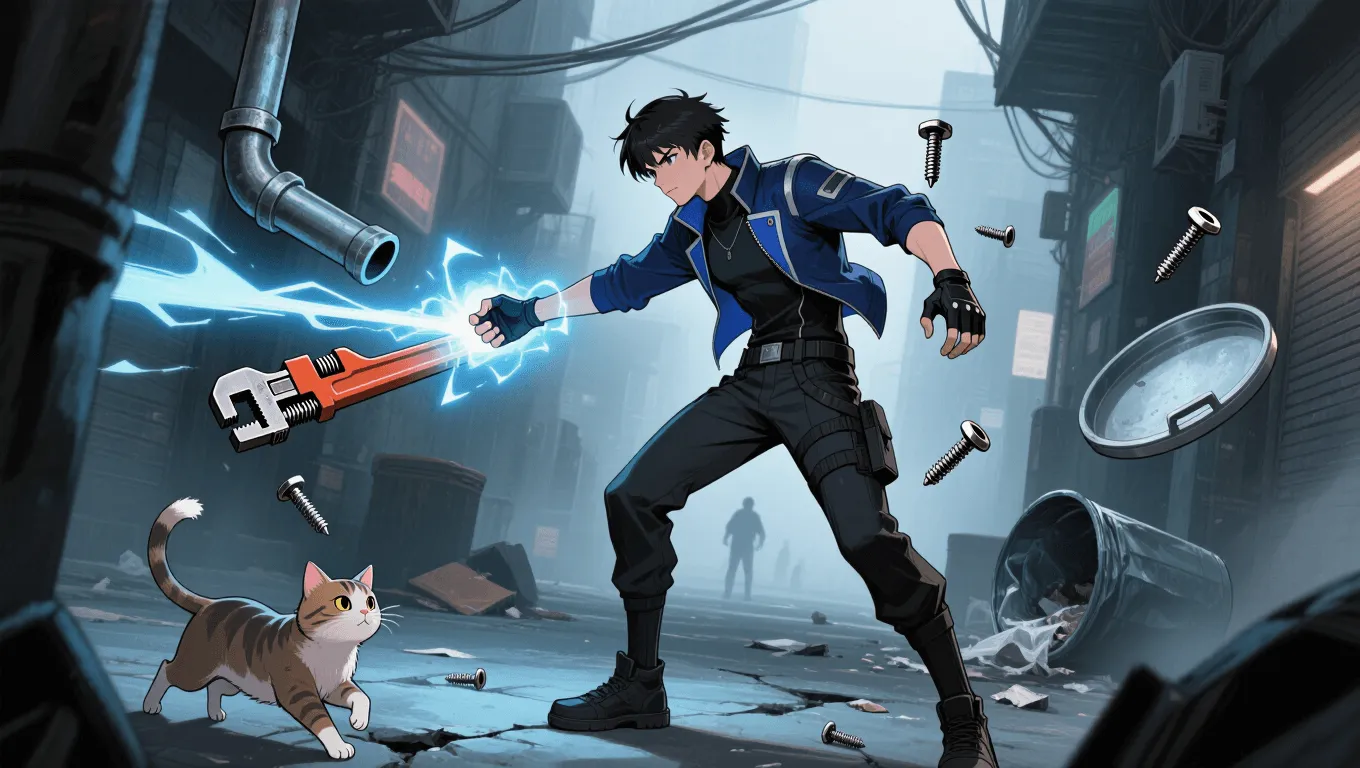
At Level 1, Gravity Negation is limited in scope and duration.
-
Single-target or small-object weightlessness (tools, debris, one limb, a small creature).
-
Short duration with concentration needed to maintain the effect.
-
Unstable float: targets drift unpredictably and are hard to “place” precisely.
-
Clear activation condition (touch, line of sight, or a brief charge-up).
-
Basic drop timing: the user can restore gravity to make a target fall, but not with surgical precision.
This level is already dangerous in close quarters: a single moment of weightlessness can ruin balance long enough for a finishing move or escape.
Level 2 🌇
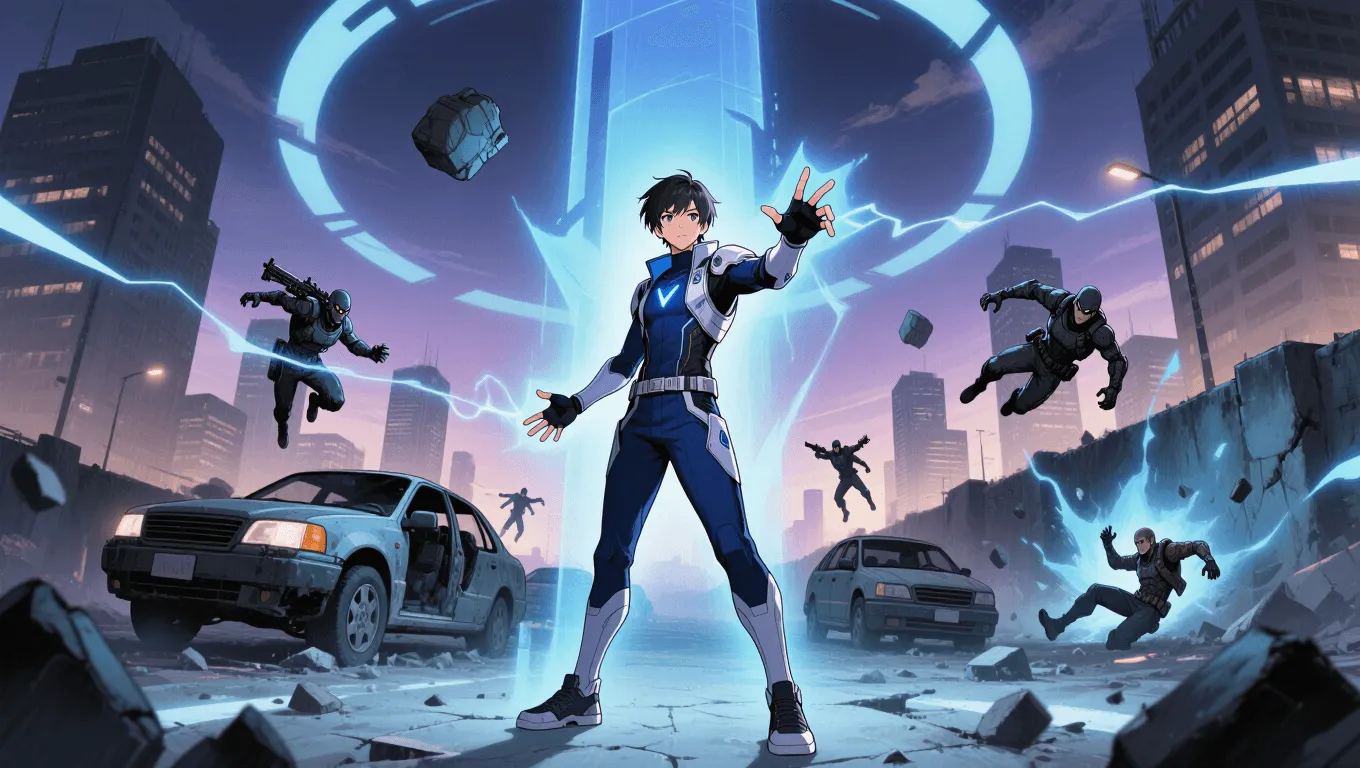
At Level 2, the user gains reliable control tools and practical combat scaling.
-
Multi-target weightlessness (several enemies or multiple objects at once).
-
Field projection: a controllable zone of reduced/zero gravity.
-
Selective targeting: allies stay grounded while enemies float.
-
“Pinball” tactics: float targets and bounce them into walls, ceilings, or hazards with minimal force.
-
Better safety handling: controlled descents, midair holds, and non-lethal captures become consistent.
At this stage, Gravity Negation becomes a signature combat style: the user can reshape the flow of a fight without needing raw damage output.
Level 3 🌃
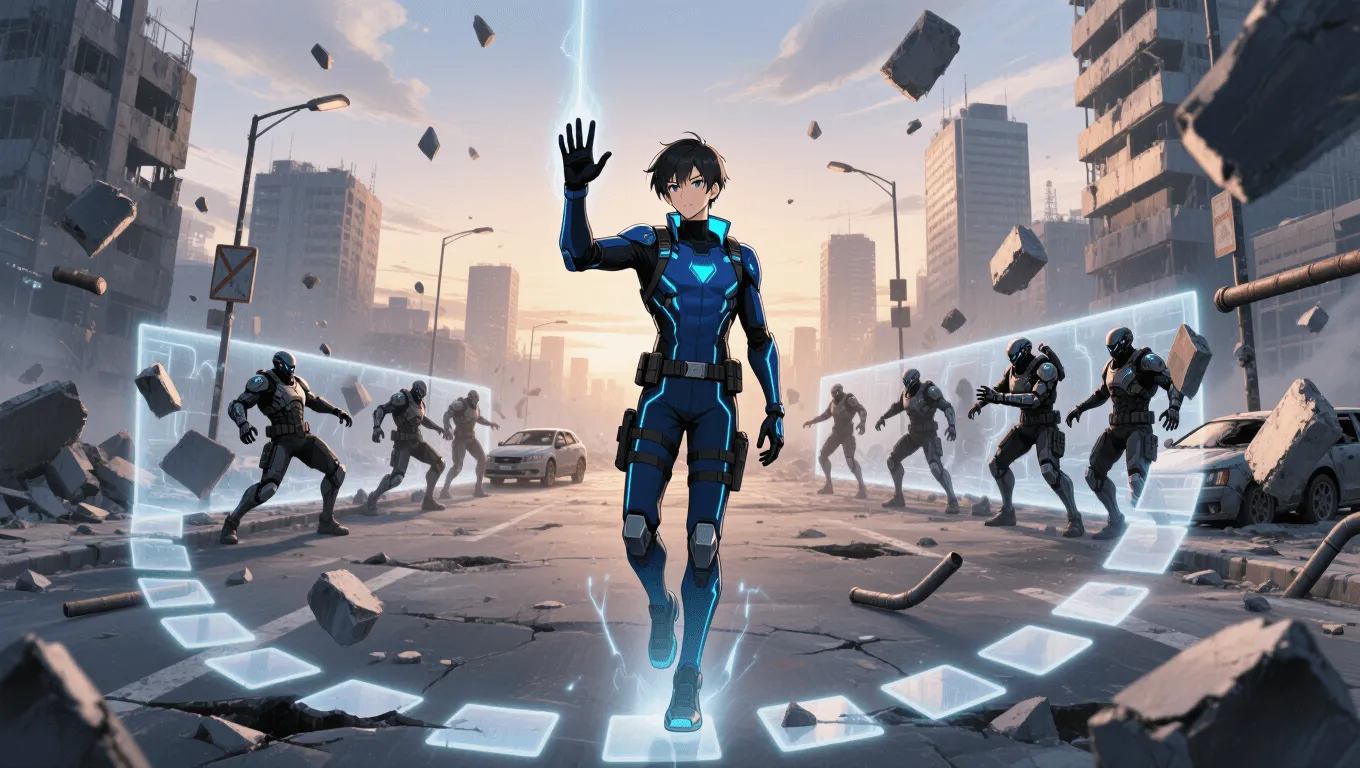
At Level 3, Gravity Negation becomes a high-tier control power that can dominate environments.
-
Large-scale null-gravity zones (rooms, streets, or open battlefield sectors).
-
Precision suspension: targets can be held at fixed positions like invisible restraints.
-
Rapid toggling: gravity can be canceled and restored in tight timing windows to chain impacts.
-
Complex object choreography: dozens of floating objects can be arranged as moving cover, traps, or improvised projectiles.
-
Advanced mobility: near-flight behavior through controlled weightlessness plus micro-forces (air bursts, grapples, thrusters, or partner pushes).
At this level, the user can turn terrain into a weapon and convert ordinary debris into a floating minefield—without ever “throwing” anything the normal way.
Limitations of using the Gravity Negation
Gravity Negation has sharp limits that keep it from being an automatic win button:
-
No built-in steering: making something weightless does not automatically grant telekinetic control. Targets still need an external force to move meaningfully (pushes, wind, recoil, impacts).
-
Line-of-sight and range constraints: many versions require touch or vision, and effects often weaken with distance.
-
Concentration load: maintaining multiple floating targets can split attention and reduce reaction time.
-
Collateral drift: weightless targets can float into allies, civilians, fragile structures, or restricted zones unless carefully managed.
-
Motion sickness and panic: even if physically safe, weightlessness disorients most people, creating unpredictable flailing (and accidental collisions).
-
Environmental dependence: in cramped spaces, floating targets can become harder to control because they bounce between walls and ceilings; outdoors, wind can carry them unpredictably.
-
Physics still applies: objects retain mass and inertia. A “weightless” car is easier to lift, but once it’s moving, it still hits like a car.
These constraints push the power toward planning and positioning rather than brute force.
Weakness against what other superpowers
Gravity Negation is strongest against grounded fighters and weaker against powers that ignore footing, resist displacement, or control motion directly.
-
Telekinesis: a telekinetic can still steer themselves or anchor objects with direct force control, countering drift.
-
Flight or Levitation: natural fliers are already adapted to fighting without ground leverage.
-
Inertia Manipulation: controlling momentum can nullify the “bump and drift” advantage and prevent slam setups.
-
Density Manipulation: increasing density can make targets harder to budge even when weightless, while decreasing density can reduce impact value.
-
Spatial Lock / Immobilization: if a target can be fixed in space, gravity cancellation stops mattering.
-
Force Fields: barriers can block the user’s activation method (touch/line-of-sight) and prevent environmental pushes from repositioning targets.
-
Gravity Manipulation: a gravity controller can overpower negation by reintroducing force, reversing direction, or creating localized gravity wells.
In short, Gravity Negation dominates normal movement—but struggles against powers that rewrite movement more completely.
Synergistic Power Combos
Gravity Negation becomes terrifying when paired with abilities that provide the missing “steering” force or capitalize on helpless targets.
-
Aerokinesis (air control): wind becomes an invisible hand that can herd floating enemies, spin them, or slam them into surfaces.
-
Telekinesis: weightlessness reduces resistance and makes telekinetic throws cheaper, faster, and more precise.
-
Force Field Generation: create a null-gravity cage where enemies ricochet and cannot escape.
-
Sonic Manipulation: vibrations can push and destabilize floating targets, and concussion waves become “thrusters” in zero gravity spaces.
-
Magnetism: negate gravity on metal objects, then guide them magnetically as swarming projectiles or moving shields.
-
Portal Creation: float targets into a portal opening, then restore gravity on the other side for controlled impact or containment.
-
Illusion Casting: disoriented floating enemies are easier to misdirect, especially when “down” is already unreliable.
Synergy is where Gravity Negation shifts from control to outright checkmate: the power removes stability, while the partner power dictates motion.
Known Users
-
Ayla Ranzz (Light Lass) (DC Comics) – In some Legion of Super-Heroes continuity, she is depicted with gravity-nullifying abilities rather than her earlier lightning-themed powers.
-
Hawkman (DC Comics) – Often associated with anti-gravity belts used alongside wings for aerial combat and mobility, showing a tech-based route to gravity-defying effects.
-
Wizard (Marvel Comics) – Uses anti-gravity discs that allow flight and lifting, demonstrating equipment-driven gravity cancellation in a supervillain toolkit.
-
Ochaco Uraraka (My Hero Academia) – Her Zero Gravity ability is explicitly described as making touched solid targets lose their gravitational pull (with an approximate weight limit noted in reference material).