
Healing Factor: Rapid Regeneration Superpower Guide

Healing Factor Video Demo 🎬
Table of Contents
What Is Healing Factor
Healing Factor is a regenerative superpower that lets a person recover from injuries and disease at extraordinary speed. Instead of the body healing over days or months, wounds close in minutes, organs rebound quickly, and infections can be fought off before they become life-threatening. In many fictional settings, Healing Factor is also called accelerated healing, regenerative healing factor, rapid regeneration, or superhuman healing, and it’s often portrayed as a cornerstone “survivor” ability for heroes and villains who win through endurance.
Because it focuses on recovery rather than pure offense, Healing Factor frequently turns an ordinary-looking fighter into a nightmare opponent—someone who can keep moving after damage that should end a battle.
Core abilities of Healing Factor
A well-defined Healing Factor usually includes several overlapping traits, with strength varying by user and universe.
-
Rapid wound closure: Cuts, punctures, bruises, and fractures repair far faster than normal, reducing blood loss and downtime.
-
Tissue and organ regeneration: Damaged muscles, tendons, and internal organs rebuild quickly; at higher tiers, lost tissue can be restored.
-
Disease resistance: Many Healing Factor users shrug off infections, viruses, and harmful microbes before symptoms fully develop.
-
Toxin and drug resistance: Poisons, venoms, and sedatives may work briefly, but get neutralized rapidly as the body purges contaminants.
-
Extended longevity: Faster cellular repair can slow the visible effects of aging, enabling unusually long lifespans in some portrayals.
-
Recovery from extreme trauma: Some versions allow survival from severe burns, massive blood loss, or catastrophic injury—sometimes with the caveat that total destruction still ends the user.
Healing Factor is often misunderstood as “invulnerability,” but it’s different: the user still gets hurt; they just don’t stay hurt for long.
Application / Tactical Advantages in Combat
Healing Factor is a combat multiplier because it changes risk. The user can take lines of play that would be suicidal for others.
-
Attrition dominance: In prolonged fights, the user’s opponent runs out of stamina, focus, and resources first.
-
Aggressive trading: The user can accept damage to land decisive counters, turning “mutual hits” into a one-sided exchange.
-
Reduced fear of chip damage: Small cuts, burns, and impacts don’t accumulate into a loss condition as easily.
-
Rapid comeback tempo: The user can re-enter combat quickly after taking a heavy hit, disrupting the opponent’s pacing.
-
Psychological warfare: Watching wounds close can break an enemy’s morale, leading to panic, overcommitment, or retreat.
-
Environmental exploitation: A Healing Factor user can endure harsh terrain (heat, cold, debris, contaminated zones) longer, using the environment as a weapon.
-
Tactical feints: The user can bait strikes into “non-lethal” areas, draw an opponent out of position, then punish.
Even outside direct combat, Healing Factor supports relentless training, rapid rehabilitation, and high-risk rescues—making the user effective in both frontline and support roles.
Power Levels of Healing Factor
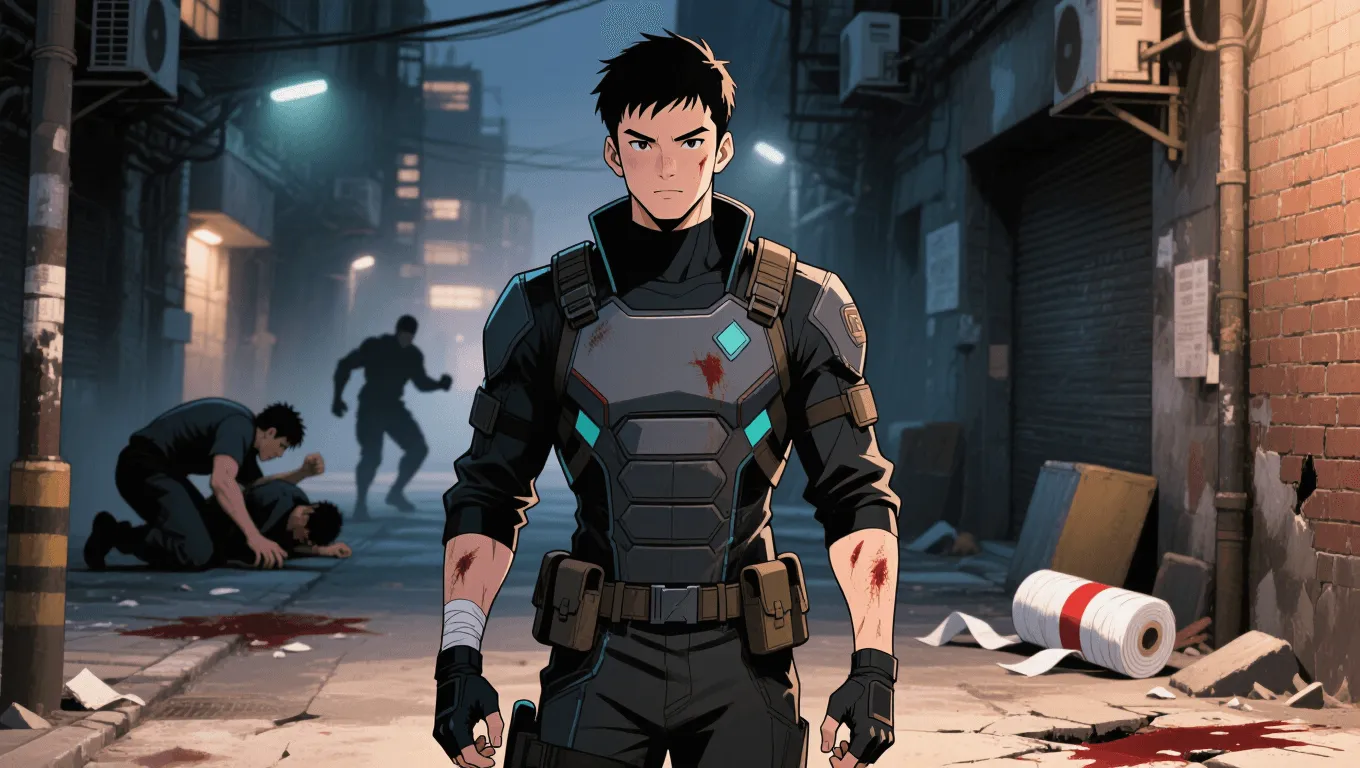
Level 1 🏙️
At this stage, Healing Factor looks like elite human recovery turned up a notch.
-
Bruises fade in hours instead of days
-
Cuts close quickly with minimal scarring
-
Minor infections are resisted or shortened
-
Sprains and small fractures heal in days, not weeks
-
The user still needs rest, hydration, and nutrition to recover well
In combat, Level 1 is ideal for street-level heroes: it prevents “death by a thousand cuts” and keeps the user functional after fights.
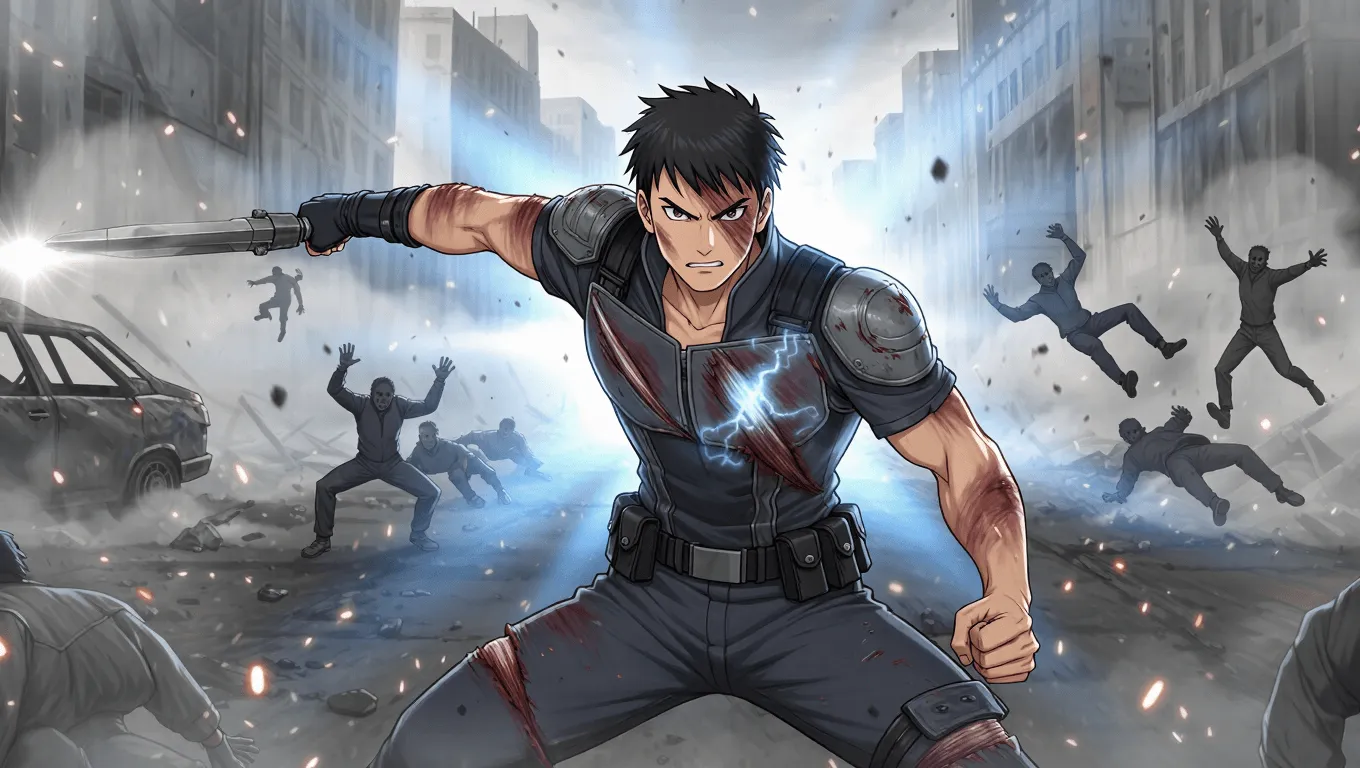
Level 2 🌇
Level 2 is where Healing Factor becomes unmistakably superhuman.
-
Deep wounds seal fast enough to reduce dangerous blood loss
-
Broken bones set and mend rapidly
-
The user can resist many toxins, drugs, and diseases, though high doses may still stagger them briefly
-
Organ damage is survivable with short recovery windows
-
The user can fight effectively through injuries that would incapacitate others
This tier supports “tank-and-counter” combat styles: absorb damage, keep pressure, overwhelm with persistence.
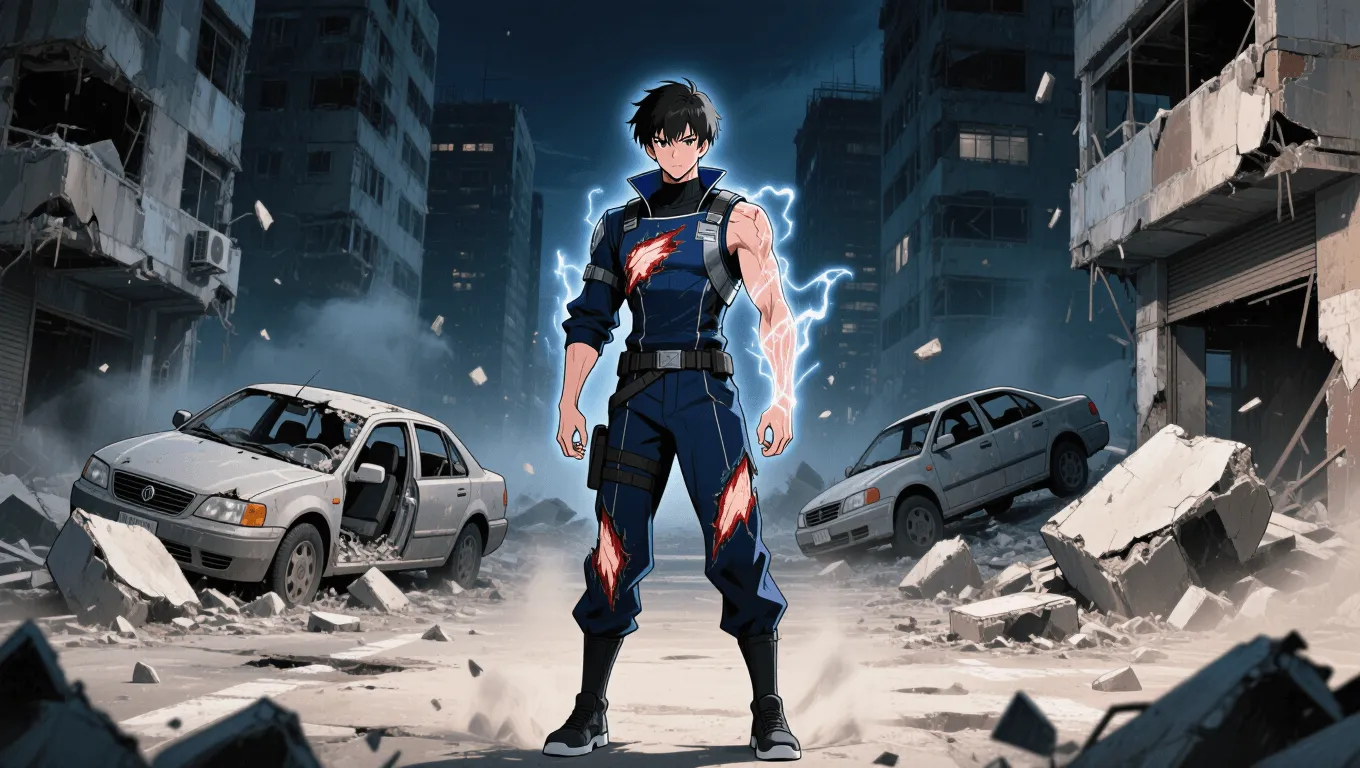
Level 3 🌃
Level 3 is legendary regeneration.
-
Severe trauma can be recovered from in minutes to hours
-
Lost tissue may regrow, potentially including limbs or large portions of the body (depending on the setting)
-
Extreme survivability against catastrophic harm, sometimes paired with near-immortality themes
-
Rapid adaptation to recurring damage patterns in certain portrayals
At this tier, the main question becomes not “Can the user heal?” but “Can anything stop them long enough to matter?”
Limitations of using the Healing Factor
Healing Factor is powerful, but it has common boundaries that keep it from becoming an automatic win button.
-
Pain still exists: Regeneration doesn’t always reduce pain, and repeated trauma can break focus even if the body repairs itself.
-
Energy and resources: Regrowing tissue can demand calories, protein, hydration, and oxygen. Starvation, dehydration, or exhaustion can slow recovery.
-
Overwhelm by damage rate: If injuries arrive faster than the body can rebuild, the user can be incapacitated (or killed) before healing catches up.
-
Healing doesn’t guarantee mobility: A fighter can be restrained, buried, frozen, or otherwise immobilized even if they’re technically “alive.”
-
Vulnerability during regeneration windows: Some versions require consciousness, stable morale, or time to fully reconstitute.
-
Scarring and instability: Certain interpretations include imperfect regeneration, chronic mutation side effects, or cellular “overhealing.”
-
Finite limits: Some universes treat complete bodily destruction (or destruction of vital structures) as a hard stop.
In storytelling terms, the most consistent limitation is control: a Healing Factor solves the aftermath of damage, not necessarily the tactical problem of avoiding defeat right now.
Weakness against what other superpowers
Healing Factor tends to lose to powers that either prevent healing, erase the body entirely, or attack the user in ways regeneration can’t easily address.
-
Regeneration Negation / Healing Nullification: Abilities that shut down cellular regeneration are the cleanest counter, turning the user “mortal” mid-fight.
-
Disintegration / Total Destruction: If a power destroys most or all of the user’s body at once, there may be nothing left to rebuild from.
-
Acid Generation and extreme corrosion: Persistent, continuing damage can outpace healing—especially if it keeps “eating” tissue as it regenerates.
-
Disease Manipulation or toxin amplification: If a foe can continually reintroduce poison or inflict supernatural disease faster than the body purges it, recovery can stall.
-
Soul attacks / spiritual damage: Settings that separate body and soul often treat regeneration as useless against soul removal, possession, or spirit severing.
-
Time manipulation: Rapid aging, time stop, or temporal erasure can bypass the normal “heal over time” premise entirely.
-
Mind control and sensory domination: Healing Factor doesn’t automatically stop hypnosis, illusions, or mental overload; a healed body can still be driven into traps.
-
Dimensional containment: Teleporting the user into a sealed pocket space, burying them in an inescapable barrier, or trapping them in stasis can neutralize the advantage.
A good rule: Healing Factor beats wounds; it struggles against rules—powers that change the conditions of survival.
Synergistic Power Combos
Healing Factor becomes even more dangerous when paired with complementary abilities from a broader superpower toolkit (see the superpower list for more combinations, or roll ideas on the random superpower generator).
-
Invulnerability or Mobile Invulnerability: If fewer hits get through, the Healing Factor covers the rare damage that does, creating near-unstoppable momentum.
-
Structure Weakening: The user can afford risky close-range contact while shredding defenses, knowing they’ll recover from counterstrikes.
-
Wallcrawling: Superior positioning plus rapid recovery enables relentless ambush play—drop, strike, heal, reposition.
-
Tentacle Manifestation or Organic Constructs: Extra limbs and barriers reduce exposure, while Healing Factor covers any openings that slip through.
-
Jet Propulsion: High-speed movement pairs well with “crash tactics,” where the user slams into danger, completes the objective, and regenerates afterward.
-
Replication / Duplication: Multiple regenerating bodies multiply pressure; even if clones are less durable, the collective attrition becomes oppressive.
-
Electric Conductivity: Self-risky contact attacks become viable when burns and nerve damage aren’t fight-ending.
Synergy is where Healing Factor stops being “just survivability” and becomes a strategic engine for aggressive, creative play.
Known Users
Healing Factor appears across comics and superhero media in many forms, but several characters are closely associated with accelerated regeneration: