
Invulnerability Superpower Guide

Invulnerability Video Demo 🎬
Table of Contents
Invulnerability is the classic “can’t be hurt” superpower: a state where a character’s body is immune to physical harm across all levels. From knives and bullets to collapsing skyscrapers and nuclear blasts, Invulnerability turns a fragile human frame into an indestructible shell. In many stories and RPG systems, this power defines frontline heroes and living legends, making them the last ones standing when everything else breaks.
What Is Invulnerability
Invulnerability is a defensive superpower that grants total protection from physical damage. Unlike simple toughness or high durability, Invulnerability represents complete immunity to physical harm, regardless of intensity or scale. A character with this power does not suffer broken bones, torn skin, or organ damage, no matter what hits them.
This power often appears alongside related concepts such as damage immunity, superhuman durability, and an indestructible body. However, those abilities might still have limits—certain energy types, special weapons, or enough force can eventually break them. True Invulnerability, as defined here, has no such physical threshold. The character can be punched by a god, crushed by a mountain, or struck by a meteor, and still emerge without a scratch.
In roleplaying games and fiction, Invulnerability is usually considered a high-tier or endgame power. It shapes how encounters are designed, because normal dangers—gunfire, falling damage, traps, explosions—no longer threaten the character physically. Instead, storytellers must lean on environmental, emotional, or metaphysical challenges.
For players and creators who want to explore more defensive and support-style powers, checking a full list of superpowers can help place Invulnerability in context with other durability, shielding, and regeneration abilities.
Core Abilities of Invulnerability
While the central trait is obvious—being impossible to hurt—Invulnerability has several important sub-abilities and side effects.
Absolute Physical Damage Immunity
The core feature is complete immunity to all forms of physical damage, including:
-
Blunt force (punches, kicks, collisions, falls, impacts)
-
Piercing and slashing (arrows, bullets, blades, claws, fangs)
-
Explosive force (grenades, rockets, collapsing structures)
-
Pressure and crushing (deep-sea pressure, cave-ins, hydraulic presses)
No matter how strong the attacker or how powerful the weapon, the Invulnerable body remains intact.
Extreme Environment Resistance
Because environmental hazards are largely physical, Invulnerability generally includes:
-
Resistance to fire, lava, and extreme heat
-
Resistance to freezing, blizzards, and absolute-zero conditions
-
Protection from vacuum, high pressure, and atmospheric extremes
-
Immunity to most forms of radiation that damage tissue
The character may still need to breathe, eat, and sleep depending on how the power is defined, but the environment cannot injure them.
Reduced or Nullified Pain
Even if their nervous system technically still works, many versions of Invulnerability dampen or erase pain. Broken bones never happen, burns never form, and nerves do not get shredded, so pain signals are greatly reduced. This can make the character incredibly fearless in combat, because they are not conditioned to flinch or retreat when hit.
Functional Immortality (Physical)
Invulnerability often leads to an ageless or nearly ageless body. Since the character does not suffer wear-and-tear, cellular damage, or cumulative injury from physical stress, aging can slow or stop altogether. This is not guaranteed, but many settings treat Invulnerability as a form of physical immortality: the body will not decay, wither, or die due to injury.
Structural Integrity and Stability
Bones never break, muscles never tear from force, and organs do not rupture. Even if the character is thrown at high speed or smashed into concrete, their internal structure remains perfectly stable. This makes them ideal for high-speed movement, super strength, or being used as a living shield.
Application / Tactical Advantages in Combat
In actual combat scenarios, Invulnerability is far more than passive defense. It shapes tactics and team roles in powerful ways.
-
Living shield: An Invulnerable character can stand in front of allies to absorb incoming fire, allowing fragile teammates to cast spells, fire weapons, or heal uninterrupted.
-
Frontline disruptor: They can charge headfirst into enemy lines, ignoring traps, bullets, and melee strikes. Their presence can break formations and force enemies to reposition.
-
Grappling specialist: Because they cannot be hurt, they can safely grapple enemies with claws, spikes, or powerful melee attacks, turning dangerous foes into manageable targets.
-
Hazard cleaner: They can walk through minefields, collapsing tunnels, burning buildings, and even radiation zones to disarm devices or rescue civilians.
-
Psychological warfare: Knowing that nothing works can terrify enemies. Their morale may break when they see their strongest attack do nothing.
In tabletop RPGs and video games, Invulnerability can serve as a “tank” mechanic at higher levels, drawing aggro and allowing more fragile characters to focus on damage or support. Balancing often involves giving enemies non-physical options, or designing objectives beyond “kill everything.”
Level: Level 1 🏙️, Level 2 🌇, Level 3 🌃
Not every story needs full cosmic Invulnerability from the start. Breaking the power into levels helps game masters, writers, and designers scale it.
Level 1 🏙️ Street-Tier Invulnerability
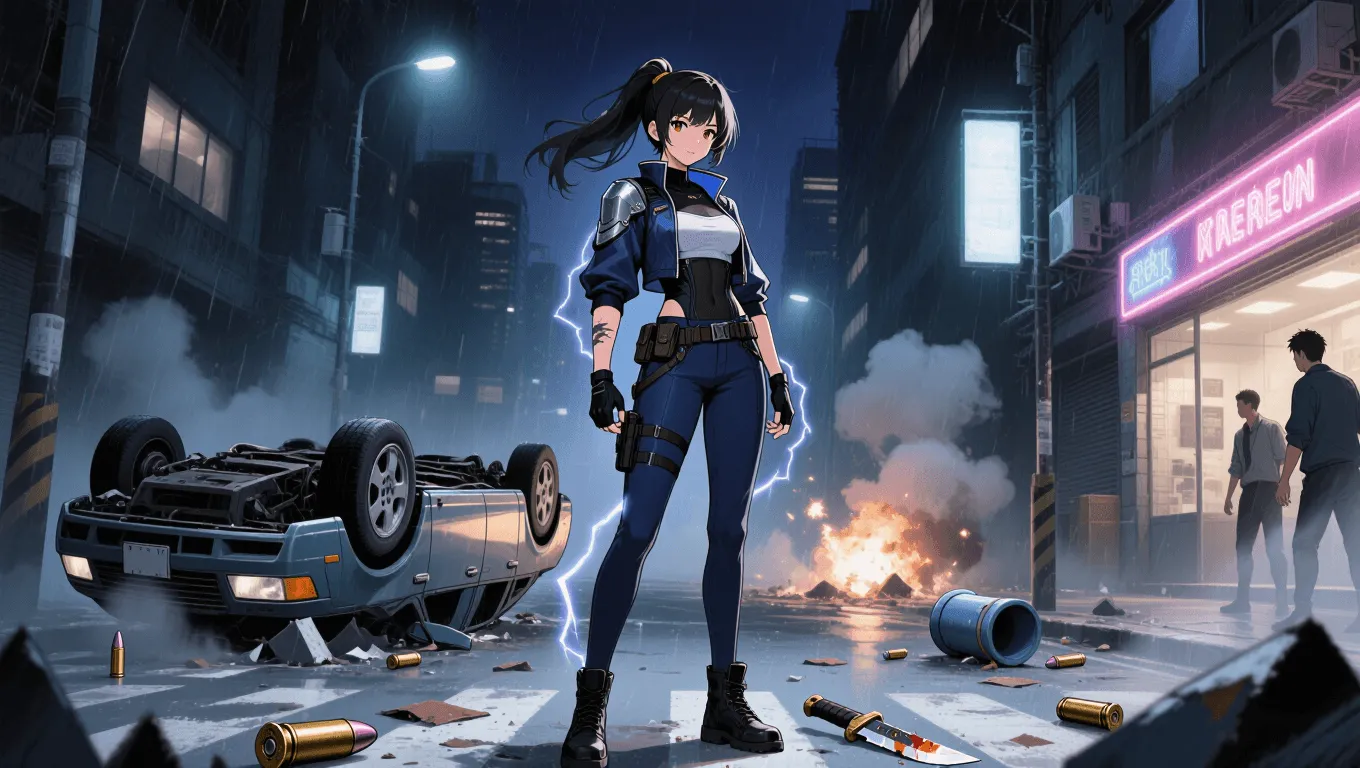
At Level 1, Invulnerability protects against everyday and street-level threats:
-
Immune to knives, small-arms fire, and basic hand-to-hand combat
-
Survives car crashes, falls from buildings, and small explosions
-
Resistant to moderate fire, electricity, and blunt trauma
The character is effectively untouchable to normal humans and low-powered superhumans. However:
-
Heavy artillery, advanced weapons, or high-level super strength may still knock them around (though not injure them).
-
Environmental hazards like lava or deep-space vacuum might still pose a threat at this stage, depending on the setting.
This level fits urban vigilantes, early-career heroes, or low-level RPG characters who have just stepped into the superhuman world.
Level 2 🌇 City-Tier Invulnerability
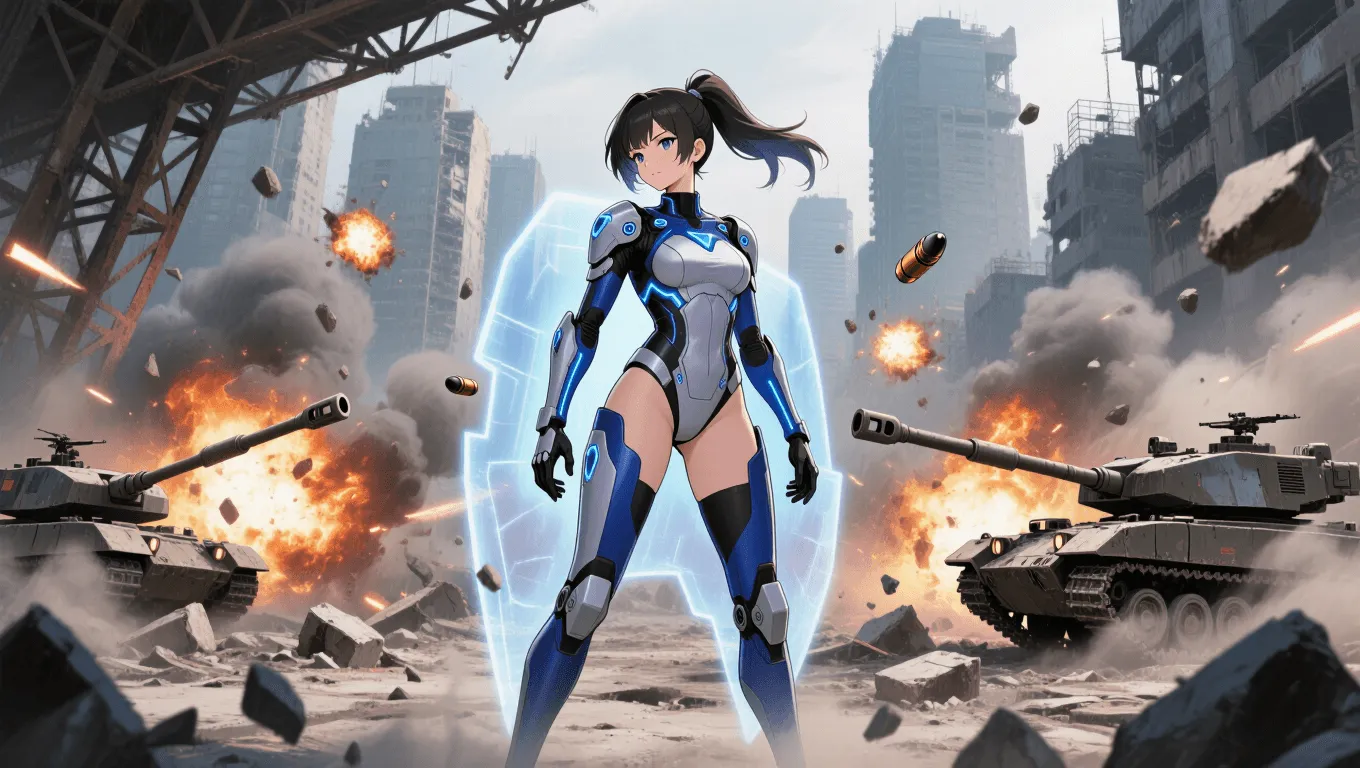
At Level 2, Invulnerability becomes truly superhuman on a large scale:
-
Withstands tank shells, heavy explosives, and building collapses
-
Endures extreme environments: severe radiation, volcanic heat, arctic cold
-
Survives repeated impacts from super-strong foes without physical injury
The character can fight on battlefields, in collapsing cities, or inside industrial disasters and remain unhurt. While they can still be knocked back or buried, physical damage is no longer an issue.
This tier is suited for flagship heroes in superhero teams or mid-to-high-level RPG characters who are expected to stand at the center of massive battles.
Level 3 🌃 Cosmic-Tier Invulnerability

At Level 3, Invulnerability reaches nearly mythic proportions:
-
Survives re-entry from orbit, direct meteor impacts, and city-level explosions
-
Functions in hard vacuum, near stars, or in other extreme cosmic environments
-
Withstands blows from planetary or cosmic-level beings without physical harm
At this tier, physical attacks are essentially irrelevant. Only the most exotic or reality-bending forces can seriously threaten the character. They might act as the vanguard against alien invasions or cosmic disasters, anchoring the battlefield while others handle objectives.
Limitations of Using the Invulnerability
Even perfect physical protection does not make a character truly untouchable in every sense. Invulnerability carries important limitations:
-
No automatic offense: Being impossible to injure does not grant strength, speed, or skill. An Invulnerable character can still be outmaneuvered, outsmarted, or restrained.
-
Control and containment: Enemies can trap them in cages, prisons, force fields, or other forms of confinement. They cannot be hurt but can be contained, buried, or exiled.
-
Non-physical needs: Depending on how the power is defined, the character may still need oxygen, food, water, and rest. Invulnerability stops tissue damage, but not hunger, exhaustion, or boredom.
-
Collateral damage: Because they feel safe, Invulnerable characters might plow through buildings, vehicles, or infrastructure without fear, causing massive unintended destruction.
-
Social and emotional vulnerability: The power does not protect friendships, loved ones, reputation, or mental health. Enemies can target people they care about or manipulate public perception.
-
Special rules in systems: In game terms, Invulnerability may exclude specific damage types (“does not affect mental or spiritual HP”) to maintain balance.
These limitations give storytellers hooks to challenge an otherwise unstoppable body and prevent Invulnerability from trivializing every threat.
Weakness Against What Other Superpowers
Invulnerability dominates against purely physical powers, but it has clear counters:
-
Telepathy and Mind Control: Attacks that target thoughts, memories, or willpower ignore the body entirely, bypassing physical resistance.
-
Illusion and Fear Manipulation: Making an Invulnerable character see things that are not there, panic, or misjudge threats can neutralize their tactical advantages.
-
Reality Warping: Powers that rewrite the rules of physics, erase someone from existence, or alter causality can simply ignore durability.
-
Time Manipulation: Stopping time, aging the character rapidly, or rewinding events can circumvent straightforward physical immunity (depending on how tightly Invulnerability is defined).
-
Soul or Spirit Attacks: Magic and energy that strike the soul, life-force, or astral form can bypass the indestructible body.
-
Spatial and Dimensional Control: Teleporting a target into a pocket dimension, locking them outside reality, or displacing them into deep space is effective even if they cannot be hurt physically.
-
Power Negation: Abilities that dampen, suppress, or erase powers directly can remove Invulnerability itself, exposing whatever normal durability the character once had.
This makes Invulnerability incredibly strong against brute-force threats but vulnerable to clever, abstract, or metaphysical opponents.
Synergistic Power Combos
Invulnerability becomes even more interesting when combined with other powers. Some combinations create iconic archetypes:
-
Super Strength + Invulnerability: The classic unstoppable brawler. The character can strike with overwhelming force without worrying about recoil, broken bones, or self-injury.
-
Flight or Super Speed + Invulnerability: A living missile. They can smash through enemy lines, break siege lines, or intercept projectiles without fear.
-
Energy Projection + Invulnerability: The character can stand in open ground under heavy fire while unleashing beams, blasts, or elemental attacks.
-
Force Fields or Auras: Invulnerability protects the user; force fields extend that protection to allies, vehicles, or entire areas.
-
Teleportation: An Invulnerable teleporter can appear inside lethal zones, enemy fortresses, or collapsing structures and operate freely.
-
Regeneration or Healing: Some settings stack Invulnerability with regeneration for redundancy or to cover rare situations where the shield fails. Healing then becomes a backup system.
For creators looking to design unique builds, using a random superpower generator can help discover complementary abilities to pair with Invulnerability, creating distinctive tanks, guardians, or cosmic champions.
Known Users
Many famous fictional characters exhibit Invulnerability or extremely high durability, even if the exact rules differ by universe and writer.
-
Superman (DC Comics): Often portrayed as having near-total Invulnerability to conventional harm, from bullets to nuclear explosions. His resilience allows him to stand at the center of wars and disasters. (Learn more about him on Superman’s page.)
-
The Hulk (Marvel Comics): While technically using regeneration and rage-fueled strength, his toughness is so extreme that physical attacks rarely do lasting harm, making him functionally Invulnerable in many fights.
-
Luke Cage (Marvel Comics): Famous for his unbreakable skin and bulletproof body, Luke Cage represents a grounded, street-level take on Invulnerability.
-
Colossus (Marvel Comics): By transforming his body into organic steel, Colossus gains superhuman durability and resistance to most physical attacks, filling a tank role in his team.
-
Invincible (Image Comics): Mark Grayson’s Viltrumite physiology grants him immense durability and resistance to injury, pairing hard-to-kill resilience with super strength and flight.
These characters showcase different scales and styles of Invulnerability—from street-level bullet immunity to cosmic durability—offering rich inspiration for RPG characters, original heroes, and new settings.