Levitation

Levitation Video Demo 🎬
Table of Contents
What Is Levitation
Levitation is the ability to rise off the ground and remain suspended in mid-air, moving without physical support. In superpower terms, it’s the cleanest form of gravity defiance: the user can hover, ascend, descend, and reposition in three dimensions as if the air were solid footing.
Unlike full flight powers that imply extreme speed or long-distance travel by default, Levitation is usually defined by controlled hovering and short-to-medium aerial movement. That distinction matters in stories and RPG-style systems because it frames Levitation as a precision mobility power—ideal for positioning, evasion, and environmental control—rather than a pure travel ability.
Levitation also appears in many power “flavors.” Some users float through telekinetic lift, others through gravity negation, magnetic fields, spiritual energy, or magical artifacts. No matter the source, the common thread is the same: the body becomes unanchored from the ground and gains aerial mobility that ignores ladders, terrain, and many conventional obstacles. For more abilities like this, readers can explore the full Superpower Wiki or roll something unexpected on the random superpower generator.
Core abilities of Levitation
Levitation may look simple—float up, float down—but its real strength comes from how many micro-skills it unlocks.
- Hovering and altitude control: The user can hold a fixed position, adjust height in small increments, and stabilize mid-air without needing a surface.
- Vertical ascent and descent: Quick elevation changes let a user take high ground instantly or drop to cover without using stairs, ropes, or ledges.
- Mid-air movement: Levitation typically includes lateral motion, allowing the user to drift, strafe, and circle targets in three dimensions.
- Air braking and soft landing: A levitator can reduce fall damage by slowing descent, making it excellent for escapes, rescues, and rooftop travel.
- Aerial balance and posture control: Even when shoved, struck, or buffeted by wind, practiced users can re-center themselves.
- Silent mobility: Many versions of Levitation are quiet compared to winged flight, jet propulsion, or heavy land movement—useful for stealth.
- Carry assistance (limited): Some levitators can lift additional weight (gear, allies, unconscious targets) depending on their power source and strength.
Common keyword variants that often describe the same skill set include hovering, anti-gravity, gravity negation, float, aerial maneuvering, airborne control, and psionic or magical flight.
Application / Tactical Advantages in Combat
Levitation is a positioning power first—and positioning wins fights.
The biggest combat advantage is angle control. A levitating fighter can attack from above, below, or the side, forcing grounded opponents to defend in unfamiliar directions. Even a small altitude shift can break a melee rush, spoil a grapple attempt, or invalidate low cover. With sustained hovering, the user can “kite” slower enemies—staying just out of reach while pressuring them with ranged attacks.
Levitation also improves survivability. The user can dodge by sliding sideways without planting their feet, making movement unpredictable. They can also disengage instantly by rising above crowding opponents, traps, difficult terrain, caltrops, or sticky hazards. In urban environments, this becomes even stronger: balconies, rooftops, streetlights, and signage become stepping stones, while alleys and chokepoints stop being dangerous.
It shines in team fights too. A levitator makes an excellent spotter, distraction, or controller. From above, they can call targets, mark enemy movement, bait shots, and draw attention away from teammates. If the power supports stable hovering, they can act as a mobile platform for an ally with limited range—lifting that ally into a better firing lane.
Finally, Levitation can be defensive in subtle ways. Elevation can reduce exposure to ground-based shockwaves, mines, spikes, or certain elemental attacks that hug the floor. Even when it doesn’t fully negate damage, it often forces enemies to spend extra actions just to engage.
Level: Level 1 🏙️, Level 2 🌇, Level 3 🌃
Level 1 🏙️
At Level 1, Levitation is basic hovering and short repositioning.
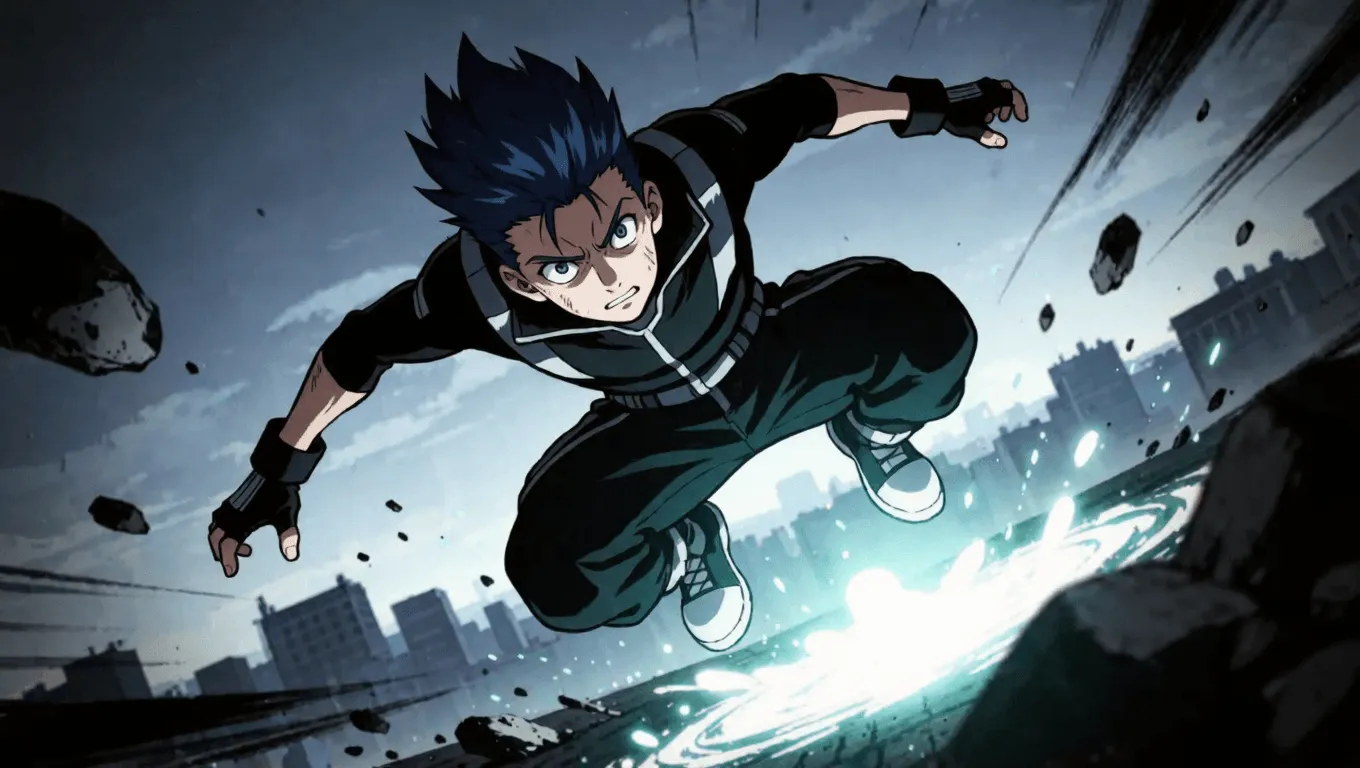
- The user can rise a few feet to a few meters and hold position briefly.
- Lateral movement is slow and requires concentration.
- Landing is controlled, preventing falls from modest heights.
- Combat use focuses on escaping grapples, stepping over obstacles, and gaining quick high ground.
In this tier, Levitation is less about “winning the sky” and more about refusing to be pinned down.
Level 2 🌇
At Level 2, Levitation becomes reliable aerial mobility.
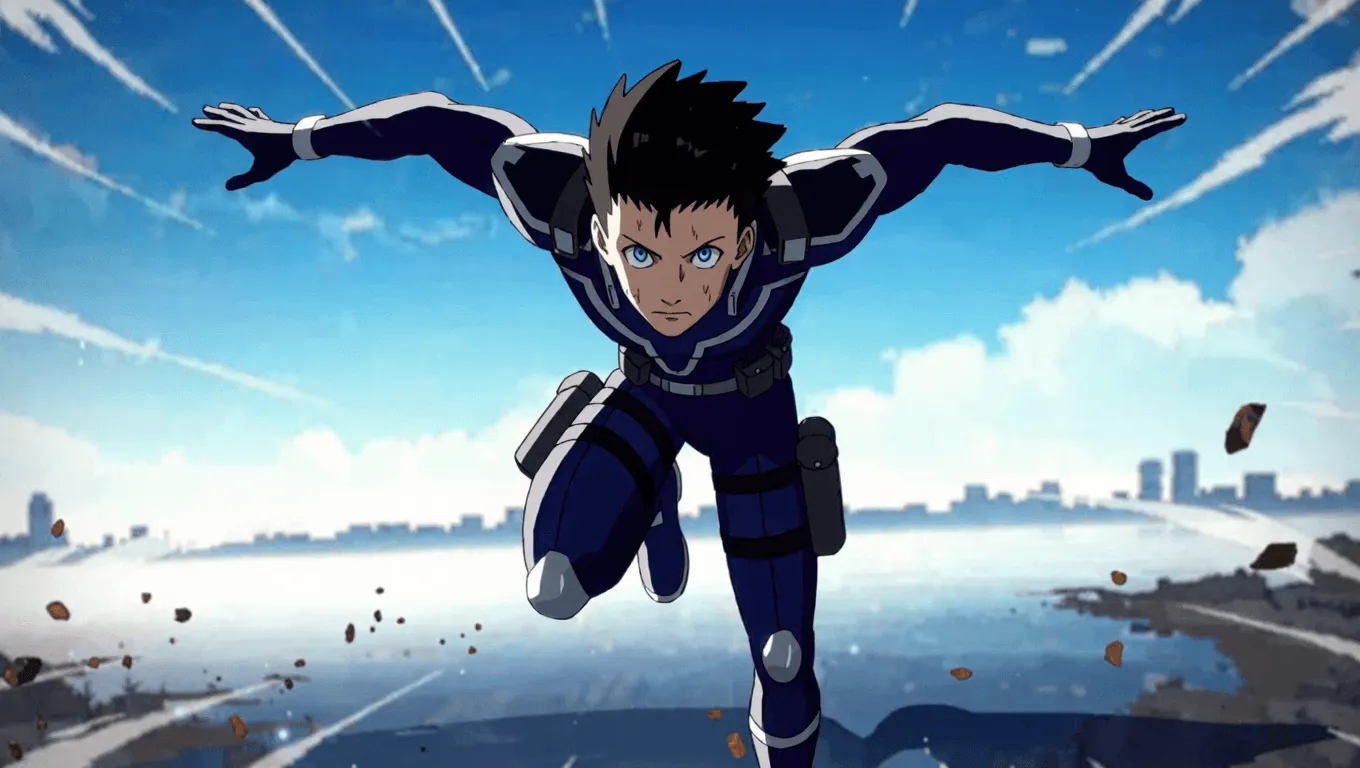
- The user can hover for extended periods and move at jogging-to-sprinting speed in open air.
- Fine control improves: tight turns, smooth stops, and stable aim while floating.
- The user can manage moderate wind and minor impacts without losing balance.
- Carry capacity expands to include heavier gear or brief assistance to another person (depending on the source).
This tier turns Levitation into a tactical engine: rapid flanks, elevation-based dodges, and consistent aerial angles.
Level 3 🌃
At Level 3, Levitation becomes advanced airborne dominance.
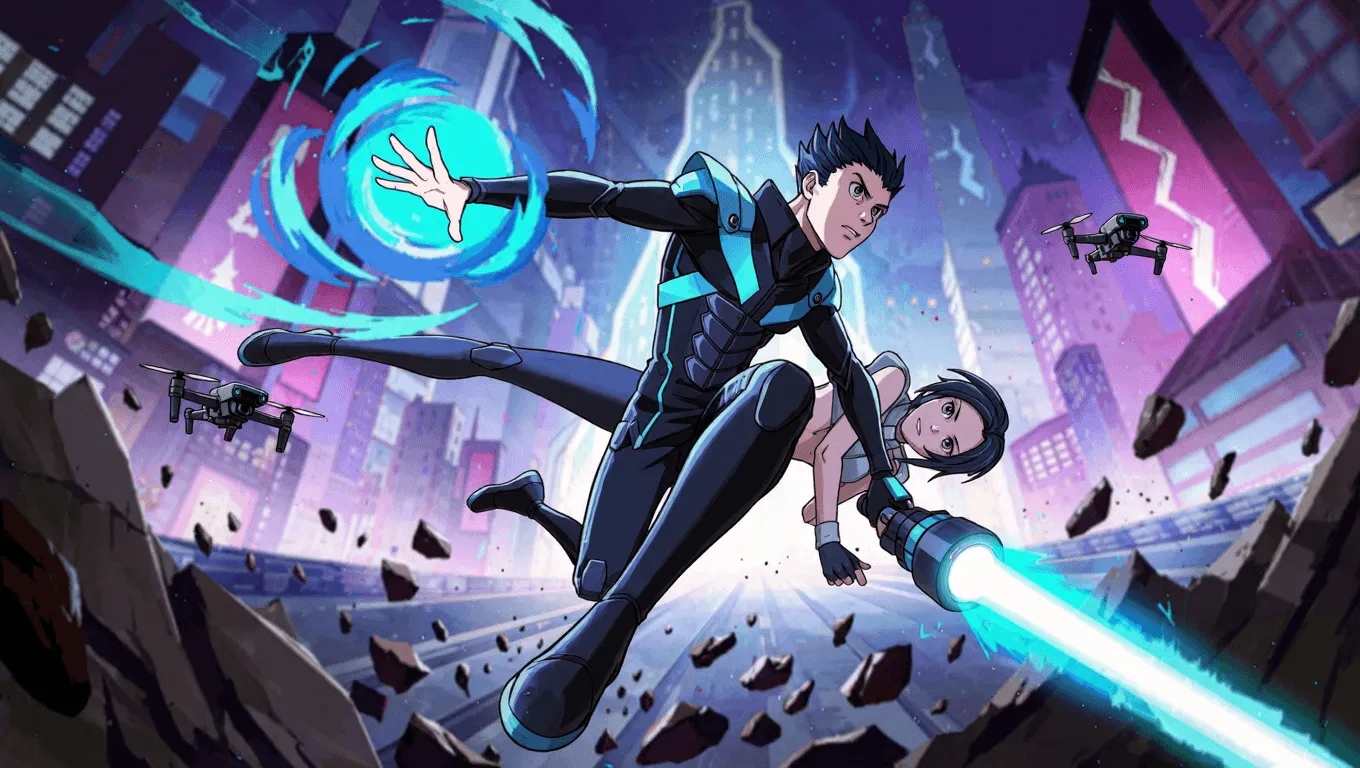
- The user can accelerate quickly, strafe sharply, and hover with near-perfect stability.
- Altitude control supports “micro-bobs” to dodge projectiles and disrupt enemy aim.
- The user can carry an ally, multiple targets, or heavy loads if their power scales with strength.
- With mastery, Levitation can mimic aspects of true flight: sustained travel, aerial combat patterns, and vertical blitz attacks.
At this tier, the levitator doesn’t just avoid the ground—they control the battlefield geometry.
Limitations of using the Levitation
Levitation is powerful, but it is rarely free.
- Concentration and cognitive load: Many versions require focus. Pain, surprise, fear, or sensory overload can cause wobble, slow drift, or sudden drops.
- Speed ceilings: Levitation often trades raw speed for control. Against fast fliers or teleporters, a levitator may struggle to chase or flee.
- Altitude vulnerability: Being airborne can make the user visible and predictable against ranged specialists. Without cover, “high ground” can become “easy target.”
- Environmental resistance: Strong wind, turbulence, vacuum-like conditions, or heavy rain can destabilize weaker levitation or make movement inefficient.
- Stamina or energy drain: Sustained hovering may tax muscles, mana, mental reserves, or a finite energy pool.
- Load limits: Carrying extra weight usually reduces speed and control. Overloading can cause sinking, sluggish turns, or power failure.
- Skill dependency: Levitation rewards practice. Beginners often overcorrect, drift into hazards, or lose stable aim during sudden maneuvers.
- Counter-gravity zones: In settings with anti-magic fields, nullification tech, or gravity wells, Levitation can fail outright.
These limitations are what keep Levitation interesting: it’s not “always on” invincibility—it’s a tool that demands timing and discipline.
Weakness against what other superpowers
Levitation has clear counters, especially from powers that control space, force, or the environment.
- Gravity manipulation: Gravity spikes, localized heavy gravity, or gravity wells can pin a levitator to the ground or slam them down mid-hover.
- Telekinesis disruption: If Levitation is powered by telekinesis, anti-psionic abilities, mental interference, or concentration-breaking attacks can destabilize it.
- Wind manipulation and weather control: Strong gusts can throw off trajectory, force unwanted drift, or create turbulence that makes precise hovering difficult.
- Energy nullification: Power negation fields, suppression collars, anti-magic zones, and dampening auras can shut Levitation off abruptly.
- Sonic disruption: Shockwaves and resonance attacks can rattle balance and timing, especially if the levitator relies on fine control.
- Binding and tether powers: Chains, vines, webs, or magnetic tethers can “anchor” the user, turning three-dimensional freedom into a predictable tug-of-war.
- Spatial control: Teleport traps, portal redirection, or localized space-warping can negate the advantage of aerial positioning.
- Precision ranged powers: Snipers, homing projectiles, and lock-on beams exploit the fact that a hovering target may have fewer places to hide.
In short: Levitation beats terrain, but it doesn’t automatically beat control powers or high-accuracy ranged threats.
Synergistic Power Combos
Levitation pairs well with almost any kit, but a few combinations are especially nasty.
- Levitation + Force fields: A hovering user with a shield can take open-air angles safely, block return fire, and reposition without exposing a grounded route.
- Levitation + Telekinesis: The classic combo—mid-air stability plus object control—enables aerial grapples, weapon disarms, and multi-directional pressure.
- Levitation + Invisibility or darkness control: Floating silently while unseen turns vertical space into a stealth corridor, ideal for ambushes and escapes.
- Levitation + Elemental blasts: Aerial positioning improves line-of-sight for lightning, fire, ice, or concussive attacks and makes it harder for enemies to close distance.
- Levitation + Enhanced senses: Height plus superior vision, radar-like perception, or magic sight creates an excellent scout or battlefield coordinator.
- Levitation + Healing/support powers: A support character can levitate above danger, maintain sightlines, and reach injured allies over obstacles.
- Levitation + Terrain creation (ice, stone, constructs): The user can hover while shaping platforms, ramps, and barriers, effectively redesigning the arena.
For writers and game designers, Levitation is also a great “glue power” that makes other abilities feel smarter because it improves positioning, timing, and safety.
Known Users
- Jean Grey – Frequently depicted using telekinesis to psionically levitate and simulate flight, turning aerial control into both offense and defense.
- Raven – Commonly shown hovering and flying through mystical/spiritual power, using aerial movement to keep distance and control engagements.
- Doctor Strange – Uses the Cloak of Levitation to fly and hover, making Levitation a signature part of his magical toolkit and combat mobility.