
Light Manipulation | Ergokinesis
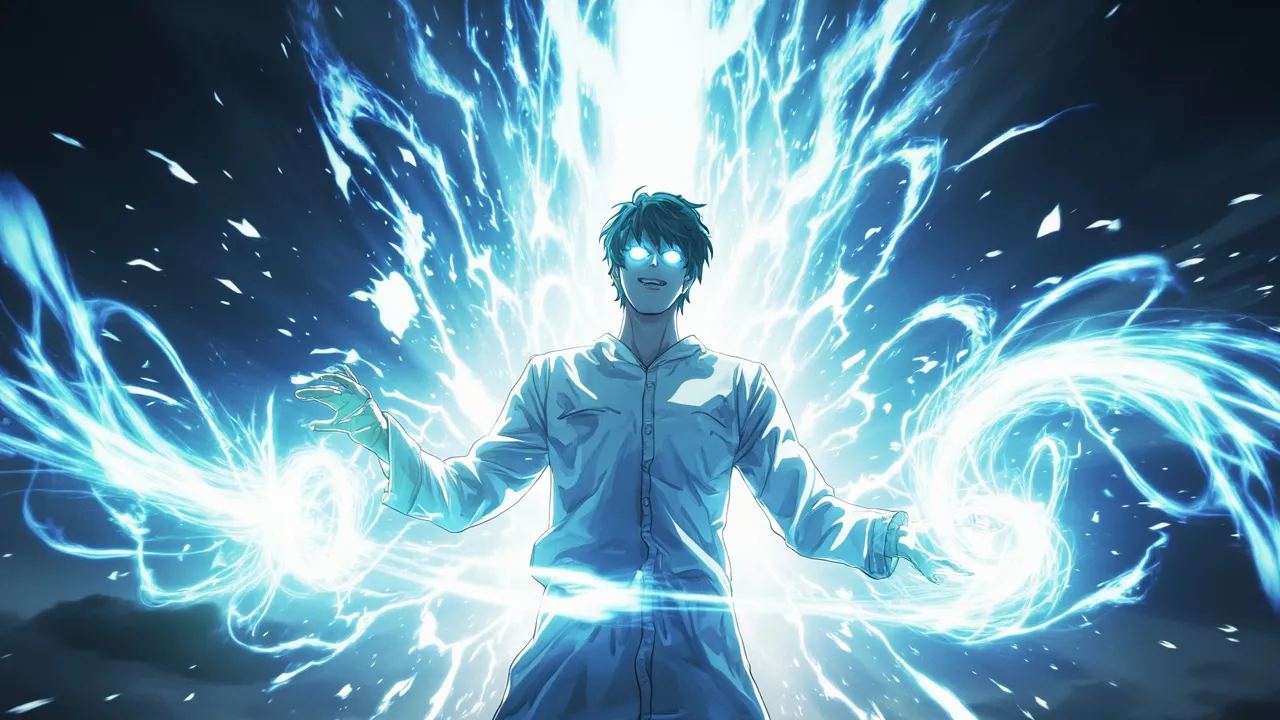
Light Manipulation | Ergokinesis Video Demo 🎬
Table of Contents
- Light Manipulation | Ergokinesis Video Demo 🎬
- What Is Light Manipulation | Ergokinesis
- Core abilities of Light Manipulation | Ergokinesis
- Application / Tactical Advantages in Combat
- Limitations of using the Light Manipulation | Ergokinesis
- Weakness against what other superpowers
- Synergistic Power Combos
- Known Users
What Is Light Manipulation | Ergokinesis
Light Manipulation | Ergokinesis is the ability to create, bend, amplify, or remove light at will. A user can shape illumination like a tool: flood an area with blinding brightness, curve photons around their body to vanish from sight, or focus radiance into laser-like strikes. In many power systems, ergokinesis refers to energy control in general, and Light Manipulation is a specialized expression of that talent—precise command over photons and the visible spectrum (and sometimes beyond it, into infrared and ultraviolet).
For readers exploring abilities across genres, Light Manipulation | Ergokinesis sits at a fascinating crossroads: it can be stealthy like invisibility, deceptive like illusion casting, and destructive like energy projection—all depending on how creatively the user applies it. For more powers like this, visit the Superpower List or jump to the random superpower generator homepage.
Core abilities of Light Manipulation | Ergokinesis
Light control often gets simplified as “make things bright,” but a true photokinetic skillset is much broader. Common core abilities include:
- Light creation and suppression: generating illumination from nothing or extinguishing existing light sources. Advanced users can “cancel” light in an area, producing unnatural dimness or a localized darkness field.
- Photon bending (refraction control): curving light paths to distort what observers see. This enables mirages, false silhouettes, warped distances, and realistic decoys.
- Cloaking and invisibility: wrapping the body in refracted light so incoming rays travel around the user and continue on their original path. To an observer, it looks like nothing is there.
- Blinding flash and glare: releasing a sudden burst of intense light (like a tactical flashbang) that overwhelms retinas and cameras alike.
- Spectrum manipulation: shifting color temperature, intensifying specific wavelengths, or controlling non-visible ranges like infrared (heat-signature tricks) and ultraviolet (harsh, stinging radiance).
- Hard light constructs: compressing photons into semi-solid “photonic constructs” such as shields, platforms, cages, blades, or batons. Some settings treat hard light as a form of force-field shaping.
- Light beams and lasers: focusing photons into narrow, high-intensity lines that cut, burn, or punch through targets. Not every version is “heat laser” strong, but even lower-output beams can stun, dazzle, or disable sensors.
- Holograms and illusions: projecting detailed images into space, from simple silhouettes to complex, moving scenes. The most convincing illusions also mimic shadows and reflections.
- Afterimage and motion tricks: leaving false trails, creating multiple “copies” through rapid flicker projections, or strobing light to disrupt timing and aim.
- Sensor interference: saturating cameras, confusing lidar, blinding night-vision, or spoofing optical tracking systems with controlled glare and reflections.
Application / Tactical Advantages in Combat
Light Manipulation | Ergokinesis excels because it can dominate information: what the enemy can see, how they aim, and whether they can coordinate. In fights, controlling perception is often as decisive as raw damage.
- Win the first second: a sudden blinding flash can steal initiative, forcing opponents to flinch, shield their eyes, or break formation.
- Create safe angles: refraction can bend an opponent’s line of sight away from the user’s actual position, making counterattacks miss by inches.
- Forced misreads: holograms can create fake allies, fake cover, or fake exits, pulling enemies into traps or separating groups.
- Instant cover without smoke: darkness zones and illumination suppression can mimic the battlefield value of smoke grenades without needing particulates.
- Precision takedowns: focused beams can target weak points like weapons, straps, visors, or electronics—disarming without necessarily killing.
- Defensive utility: hard light barriers can intercept projectiles, block melee strikes, or create short-lived platforms for rapid repositioning.
- Environmental control: reflecting or redirecting existing lights (streetlamps, headlights, neon signage) can turn a city block into a weapon or a maze of blinding glare.
Level: Level 1 🏙️
At Level 1, Light Manipulation | Ergokinesis is mostly “local and direct.”
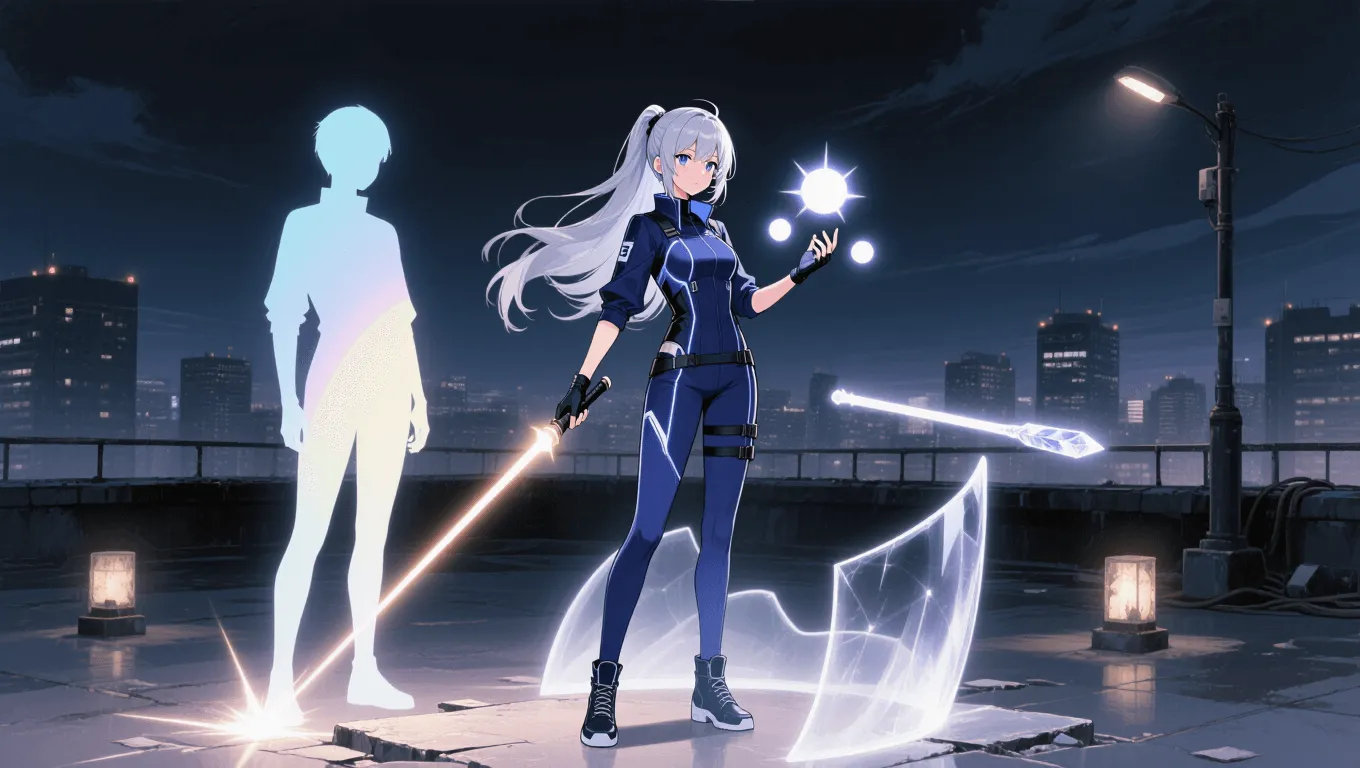
- Create small light orbs, beams, or flashes.
- Dazzle single targets at close range.
- Dim a room or snuff small light sources with concentration.
- Produce simple illusions (static silhouettes, basic color shifts).
- Bend light enough for minor camouflage (blurry outline, not true invisibility).
- Form fragile hard light shapes (a thin shield, a brief baton) that break under heavy impact.
Combat identity at Level 1: disruptor and skirmisher. The user wins by confusing aim, controlling spacing, and escaping when outmatched.
Level: Level 2 🌇
At Level 2, the power becomes tactical and team-defining.

- Reliable invisibility through advanced refraction, often with movement still possible.
- Area flashes that can blind multiple opponents without harming allies (selective directionality).
- Stable hard light constructs: shields, cages, ramps, and floating footholds.
- Moving holograms with better realism: consistent lighting, perspective shifts, and simulated shadows.
- Spectrum tricks: infrared masking, UV bursts for pain compliance, targeted laser shots for disabling gear.
- Counter-illumination: neutralizing enemy spotlights, laser sights, or optical targeting.
Combat identity at Level 2: battlefield controller. The user can set the tempo, protect allies, and break enemy coordination.
Level: Level 3 🌃
At Level 3, Light Manipulation | Ergokinesis becomes a high-tier power because it can reshape the entire fight space.
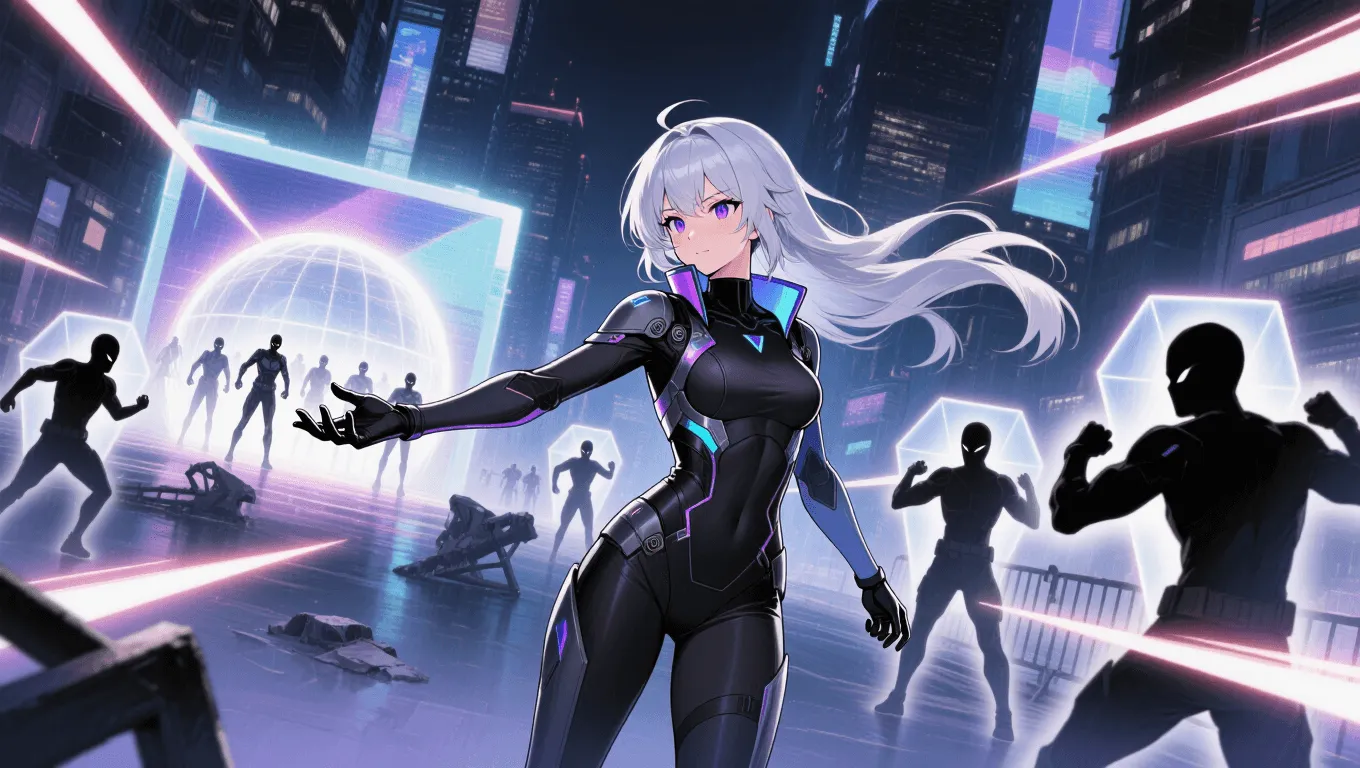
- Wide-area photonic control: turning a street, arena, or facility into a controlled “light environment.”
- Complex illusion architecture: layered holograms, multiple decoys, and near-realistic scene rewrites that can fool squads.
- High-output beams: sustained laser-like attacks capable of slicing barriers or delivering decisive strikes.
- Advanced hard light engineering: durable domes, reinforced walls, multi-part constructs, and rapid reconfiguration mid-combat.
- Total optical denial: creating zones where sight is useless—either through absolute glare or engineered darkness—while the user navigates by trained memory, alternate senses, or pre-mapped constructs.
- Precision refraction defense: bending incoming light-based attacks away, disrupting targeting, and concealing allies behind “visual nulls.”
Combat identity at Level 3: commander-tier manipulator. The user can win without trading blows—by controlling what is real, what is seen, and where danger seems to come from.
Limitations of using the Light Manipulation | Ergokinesis
Even a versatile power has hard limits, especially one tied to physics, perception, and energy.
- Concentration load: maintaining invisibility, multiple holograms, or large constructs can strain focus. Under pain, fatigue, or sensory overload, complex effects can flicker or collapse.
- Line-of-effect challenges: some versions require line of sight to bend existing light accurately, especially for fine illusions or targeted beams.
- Energy budget: creating intense light or hard light may drain stamina or require stored energy. High-output beams tend to be expensive.
- Environmental dependency: in complete darkness, a user who relies on redirecting ambient light may be weaker unless they can generate their own photons.
- Collateral risk: blinding flashes can affect allies, civilians, or the user’s own team if not carefully shaped. Overuse can also permanently harm eyes.
- Illusion believability: strong-willed or trained opponents may “test” illusions by throwing objects, using touch, or relying on non-visual senses.
- Reflective unpredictability: mirrors, polished surfaces, rain, fog, and glass can create complex reflections that are hard to fully control, sometimes revealing the user’s true position.
- Hard light fragility (setting-dependent): in many systems, “solid light” behaves like brittle glass under heavy force unless the user can reinforce it continuously.
Weakness against what other superpowers
Light Manipulation | Ergokinesis is powerful, but it has natural counters—especially from abilities that ignore vision or overwhelm energy shaping.
- Darkness Manipulation / Umbrakinesis: opponents who can generate deep shadow fields can starve the battlefield of usable light or smother photonic constructs.
- Blindness immunity or enhanced senses: targets with echolocation, tremorsense, extrasensory perception, or scent tracking are far less vulnerable to illusions and invisibility.
- Telepathy and psychic sensing: if a foe can “feel” minds rather than rely on sight, visual tricks lose much of their edge.
- Technopathy and sensor suites: advanced opponents may use multi-spectrum scanning (thermal, radar, sonar, lidar) to see through optical camouflage.
- Energy Absorption: adversaries who can absorb radiant energy can drink in beams, flashes, and constructs, turning the user’s offense into fuel.
- Reflection and mirror-based powers: if an enemy can redirect beams back, a careless laser shot becomes self-inflicted damage.
- Probability Manipulation: unpredictable outcomes can break precise setups—illusions that rely on timing, and beams that require exact aim.
- Reality Warping or illusion immunity: in settings where “truth” can be enforced, light-based deception may be overridden.
Synergistic Power Combos
Light Manipulation | Ergokinesis becomes terrifying when paired with complementary powers that cover its blind spots or amplify its strengths.
- Light Manipulation + Psychic Shield: protects the user from mental disruption while maintaining complex holograms or invisibility under pressure.
- Light Manipulation + Technopathy: creates the perfect stealth toolkit—optical camouflage plus hacked cameras, falsified feeds, and sensor spoofing.
- Light Manipulation + Gravity Manipulation: bends trajectories and sightlines together, making “safe cover” meaningless and enabling beam shots from impossible angles.
- Light Manipulation + Phasing: allows silent infiltration—phase through obstacles while using refraction to hide the entry and exit points.
- Light Manipulation + Sonic Manipulation: combines sensory denial across multiple channels. Flash plus disorienting sound can drop even tough opponents quickly.
- Light Manipulation + Energy Absorption: turns incoming lasers, sunlight, and explosions into power reserves, enabling stronger constructs and sustained beams.
- Light Manipulation + Healing Factor: supports a high-risk fighting style where the user stays close enough to strobe, blind, and cage enemies repeatedly.
- Light Manipulation + Smoke, Dust, or Fog Generation: particulate clouds scatter light dramatically, making illusions richer and creating chaotic glare corridors the user can control.
Known Users
Because Light Manipulation | Ergokinesis overlaps with photokinesis, lasers, hard light constructs, and spectrum control, many comic characters express parts of it in different ways. Notable examples include:
- Doctor Light (Kimiyo Hoshi) (DC Comics) – frequently depicted with light-based energy control and powerful photonic output.
- Doctor Light (Arthur Light) (DC Comics) – a villain known for light-based technology and attacks.
- Dazzler (Marvel Comics) – channels energy into dazzling light effects, often used for blinding bursts and radiant attacks.
- Cloak and Dagger (Marvel Comics) – especially Dagger, who is known for projecting light-based weapons and bursts.
- Monica Rambeau (Marvel Comics) – associated with electromagnetic spectrum powers that can manifest as light and energy effects.
- The Ray (DC Comics) – often portrayed with light-based abilities tied to brightness, beams, and radiant mobility.