
Lunar Lament
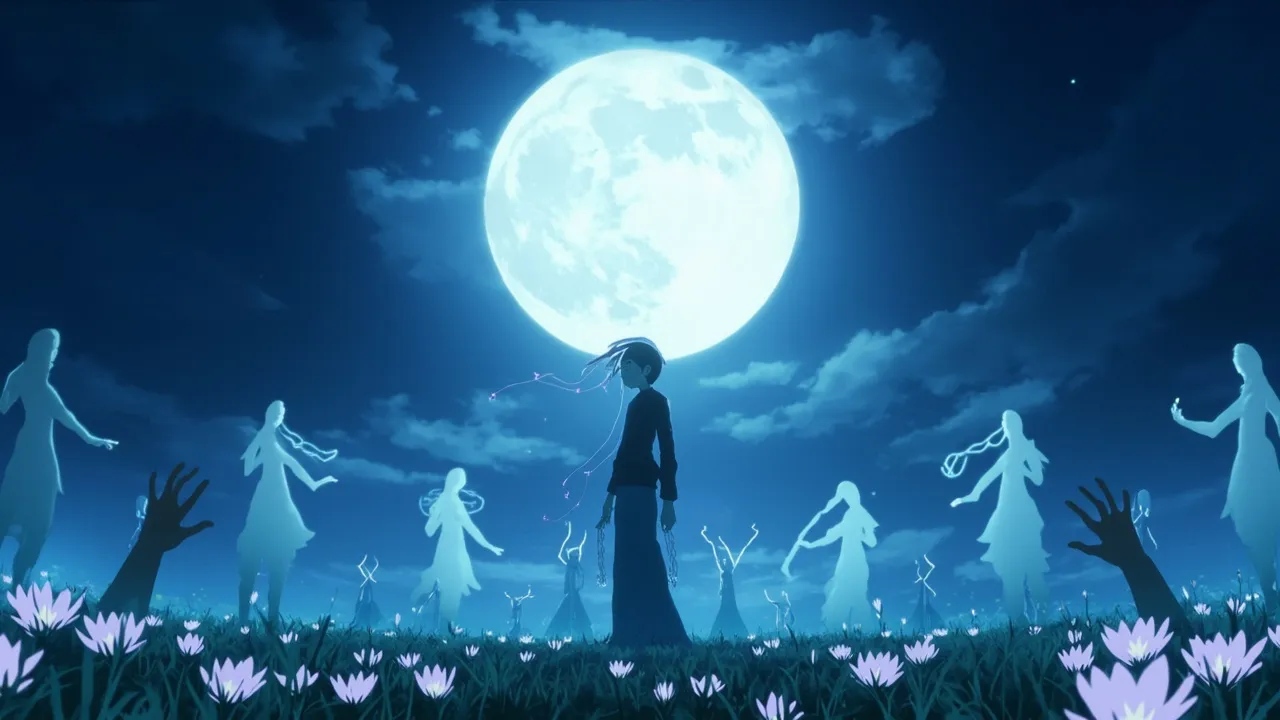
Lunar Lament Video Demo 🎬
Table of Contents
What Is Lunar Lament?
Lunar Lament is a mystical, song-based superpower that channels the sorrow of the moon into sound. When activated, the user sings a haunting lunar melody that simultaneously saps the strength of enemies while restoring and empowering allies. In many RPG settings, Lunar Lament fits the role of a support or battle bard ability, blending emotional magic, lunar energy, and sound manipulation into one unique kit.
Instead of raw destructive force, Lunar Lament focuses on battlefield control through debuffs, healing, and sustained attrition. Enemies under the influence of the moon’s sorrow feel their energy drain away, their morale crumble, and their defenses weaken. At the same time, allies wrapped in the same mournful melody feel their wounds knit, their focus sharpen, and their spirits lifted, as though the moon is quietly watching over them.
This power sits comfortably alongside other mystical abilities in a list of superpowers or character build guides, especially for players who enjoy strategic, team-focused play rather than direct offense.
Core Abilities of Lunar Lament
In most systems, Lunar Lament can be broken down into several core effects that define how the superpower behaves in combat and story.
Lunar Siphon (Enemy Drain)
Lunar Siphon is the primary offensive aspect of Lunar Lament. As the user sings, enemies caught within range are affected by:
-
Gradual health drain (life-force or stamina)
-
Reduced physical strength and speed
-
Lowered magical output or spell potency
-
Decreased morale, making them more prone to panic or retreat
The drain is rarely explosive; instead, it acts like a slow tide pulling away an enemy’s energy. This makes Lunar Lament especially effective in longer battles, boss fights, or sieges where attrition matters more than burst damage.
Moonlit Respite (Ally Restoration)
The moon’s sorrow is not only about loss; it also carries the quiet comfort of night. Moonlit Respite is the supportive half of Lunar Lament:
-
Steady healing over time for allies within the song’s radius
-
Mild regeneration of mana, focus, or equivalent resource
-
Emotional stabilization, granting resistance to fear, charm, or despair effects
-
A soft increase in perception and reaction time, as if fighting in calm, moonlit clarity
This makes Lunar Lament ideal for keeping teams alive under pressure, especially when direct healers are limited.
Sorrowful Chorus (Debuff Aura)
Beyond numeric drain and healing, Sorrowful Chorus manifests as a debuff aura:
-
Enemies feel overwhelming guilt, regret, or sadness
-
Attack accuracy and coordination decline
-
Groups of foes may suffer reduced teamwork or even turn on each other if the emotional strain is exploited
Because this debuff works through emotion and sound, it often bypasses purely physical defenses like armor or energy shields.
Phase-Tuned Melody (Lunar Alignment)
At higher levels, the user can “tune” the song to different lunar phases:
-
New Moon Mode: Stronger debuffs and stealth support, weaker healing
-
Full Moon Mode: Enhanced healing and buffs, slightly reduced enemy drain
-
Eclipse Mode (special or ultimate): Short burst where sap and aid are both dramatically amplified
This lunar alignment gives the player or character multiple tactical “stances” within the same superpower.
Application / Tactical Advantages in Combat
Lunar Lament excels when used by a strategist who understands positioning, timing, and team roles.
Sustained Attrition Specialist
Because Lunar Lament works over time, it shines in prolonged engagements:
-
Wearing down bosses or heavily armored enemies
-
Supporting siege defenses where waves of foes must be handled efficiently
-
Battling in enclosed spaces where enemies cannot easily escape the song’s radius
The more the fight drags on, the more value Lunar Lament generates.
Area Support and Zone Control
The song usually emanates from the user as a circular or cone-shaped aura. This allows the character to:
-
Establish a “safe zone” where allies gather to be healed and protected
-
Force enemies to either stand in the draining field or reposition into less favorable terrain
-
Control choke points by singing from elevated ground or behind a frontline tank
In tactical terms, Lunar Lament turns the singer into a mobile support beacon.
Morale Warfare
Because Lunar Lament directly affects emotion, it doubles as psychological warfare:
-
Breaking enemy morale in large-scale battles
-
Softening foes before negotiations or interrogations (in story contexts)
-
Reinforcing allies before critical pushes or last stands
In campaigns that track morale or sanity, the power creates strong non-damage pressure that can end fights early.
Level: Level 1 🏙️, Level 2 🌇, Level 3 🌃
As with many RPG-style abilities, Lunar Lament can grow in complexity and power over time.
Level 1 🏙️ – Whisper of the Waning Moon
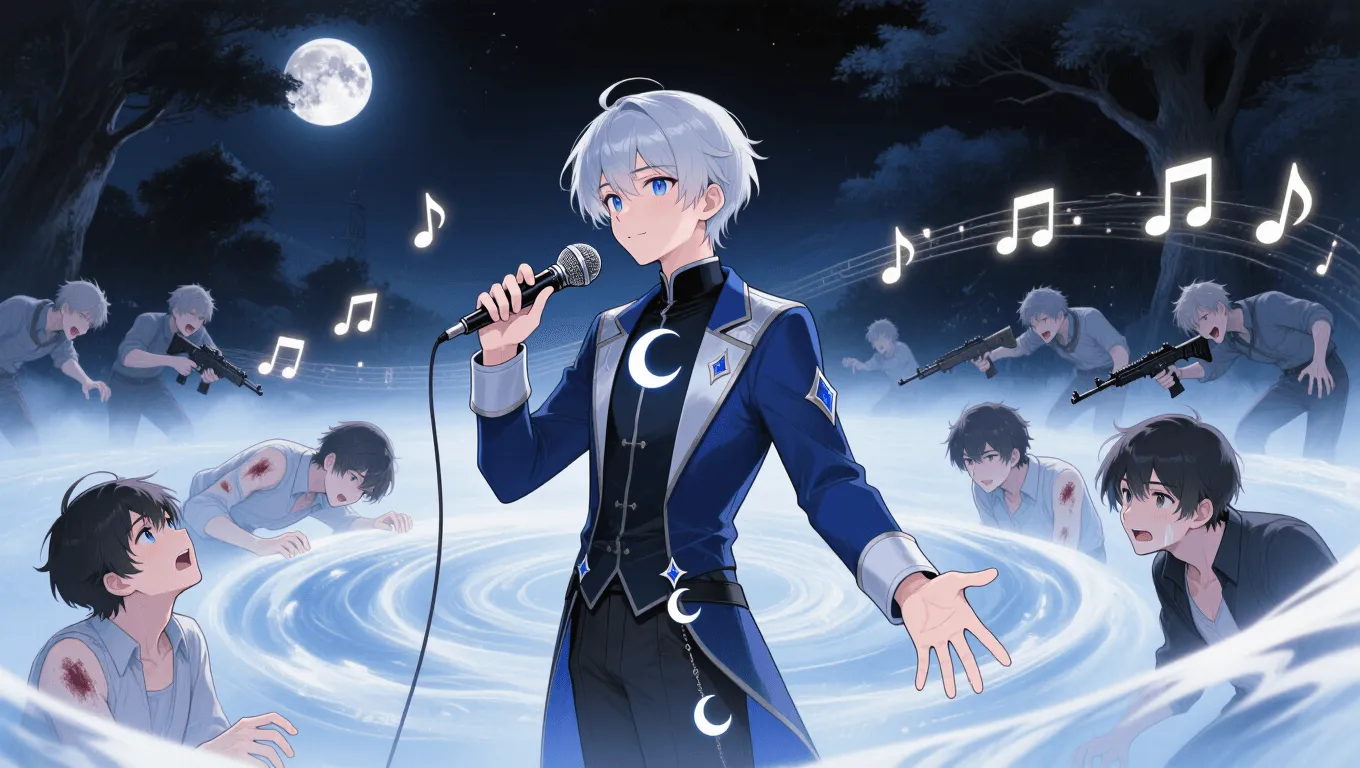
At Level 1, Lunar Lament is a gentle but noticeable presence:
-
Small health and stamina regeneration for nearby allies
-
Mild energy drain on enemies in close range
-
Slight morale debuffs to foes, enough to rattle weaker opponents
-
The song requires focus; the user usually cannot cast complex spells or attack heavily while singing
At this stage, the power is best used in small skirmishes or as a secondary support tool.
Level 2 🌇 – Hymn of the Half Moon
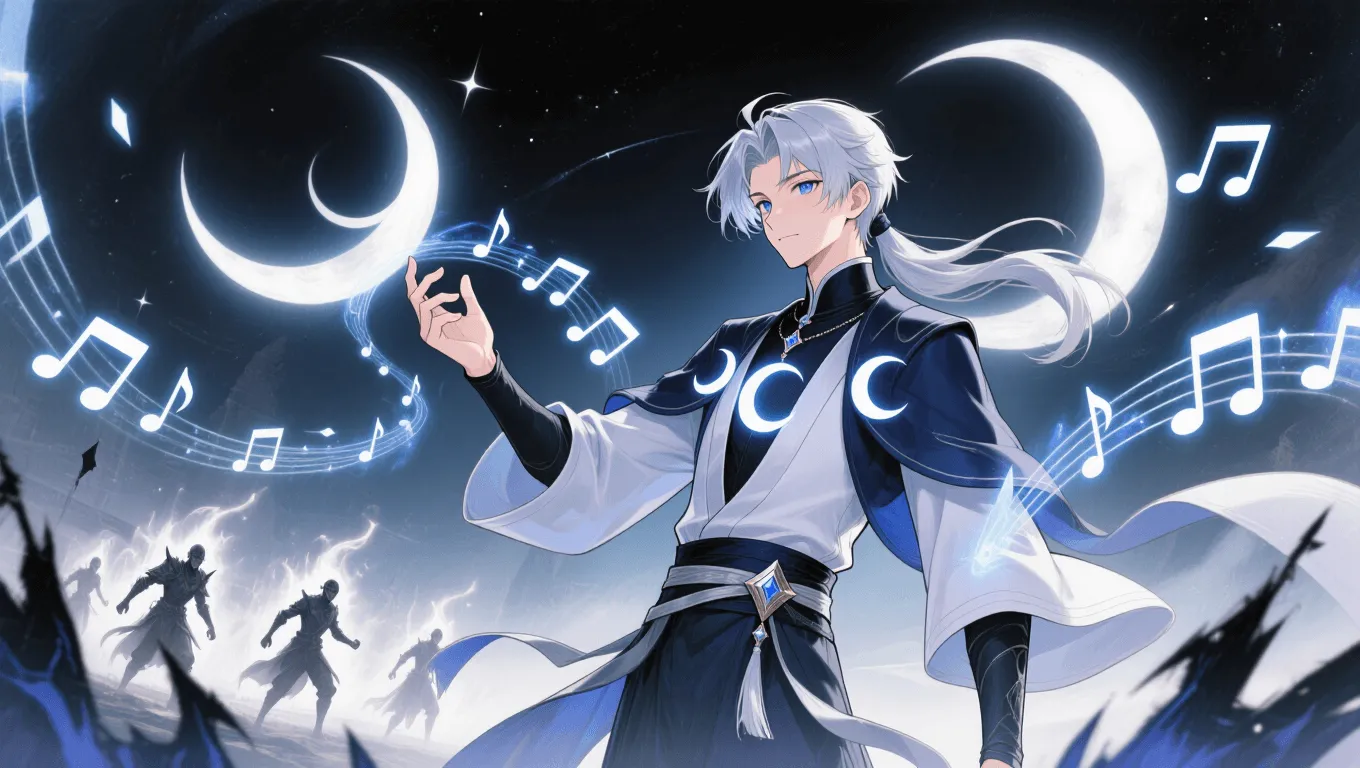
Level 2 represents greater mastery and mid-tier lunar magic:
-
Stronger healing over time and increased resource regeneration for allies
-
More defined debuffs on enemy attack power, defense, and spellcasting
-
Access to one or two lunar “stances” (such as New Moon and Full Moon modes) that can be swapped mid-combat with a short cooldown
-
The user can now move and take simpler actions while maintaining the song, though taking damage may still risk interruption
At this level, Lunar Lament becomes a core part of team strategy, especially in coordinated party play.
Level 3 🌃 – Dirge of the Eclipse
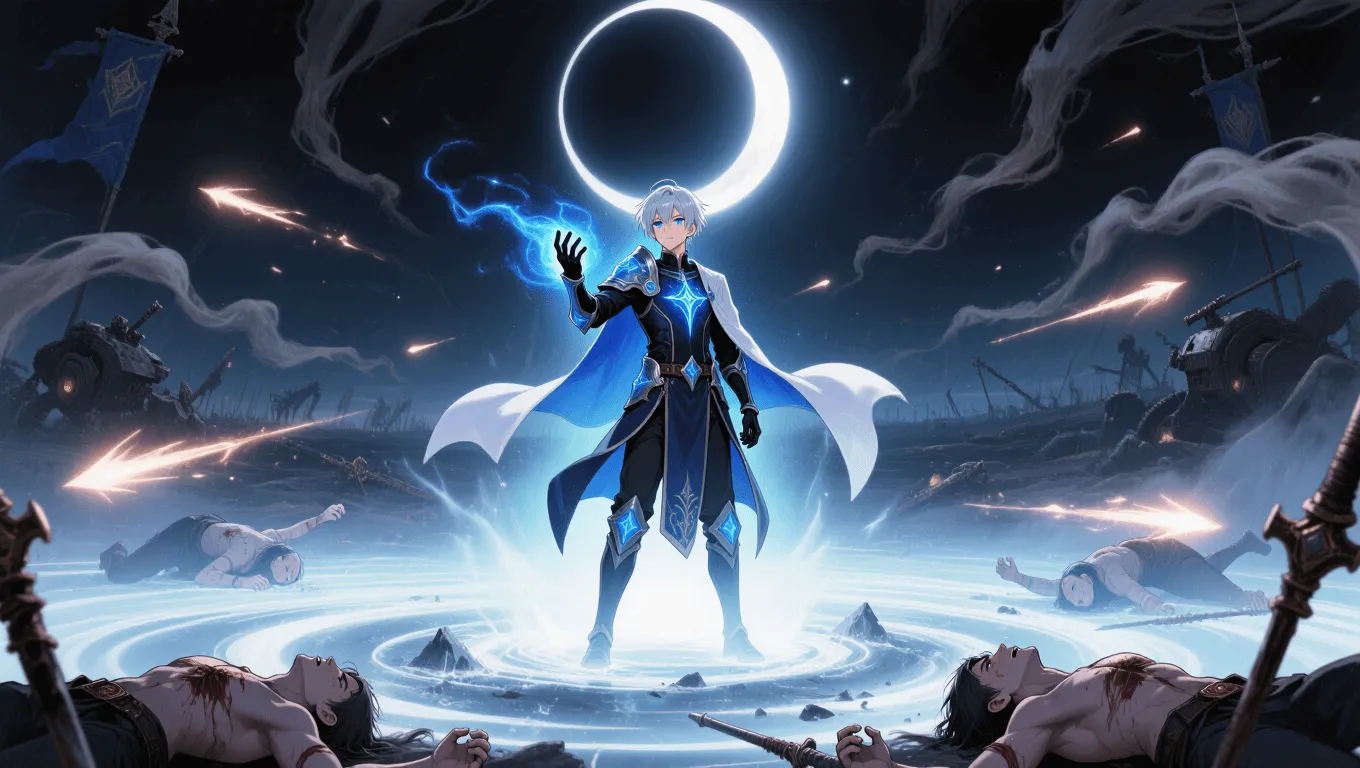
At Level 3, Lunar Lament is at its peak, often considered an ultimate or late-game support power:
-
Potent, wide-radius drain that can sap entire squads of enemies over time
-
Significant healing, cleansing of minor curses or debuffs, and large boosts to ally resolve
-
Eclipse Mode: a temporary, high-impact phase where both enemy drain and ally aid are dramatically amplified, sometimes reversing the course of a battle
-
The user gains high resistance to interruption, allowing the song to continue even under heavy fire or magical assault
At this stage, Lunar Lament can decide wars, not just battles, and is highly sought after by any faction that values sustained, coordinated combat.
Limitations of Using Lunar Lament
Despite its power, Lunar Lament has clear limitations that keep it balanced.
-
Requires Vocalization: If the user is silenced, gagged, or in a vacuum where sound cannot travel, the power is nullified or heavily weakened.
-
Line of Effect: Obstacles that block or absorb sound can reduce the song’s reach, making thick walls, sound-dampening barriers, or advanced technology effective counters.
-
Concentration Tax: Maintaining the lament typically demands continuous focus, preventing the user from performing complex actions or using certain other abilities simultaneously.
-
Gradual Effect: Lunar Lament relies on sustained exposure. Fast, hit-and-run encounters are less favorable, as enemies may retreat before the drain becomes decisive.
-
Lunar Dependency: In some settings, the power is weaker during the day, under artificial light, or when the moon is obscured by certain magical conditions.
These limitations help encourage careful planning and protect the ability from overshadowing more direct offensive powers.
Weakness Against What Other Superpowers
Certain superpowers naturally counter or undermine Lunar Lament:
-
Sound Nullification or Silence Fields: Abilities that erase or mute sound, such as pure silence auras or sonic dampening, can shut down the power entirely.
-
Mental Shielding or Emotion Immunity: Powers that shield minds from emotional effects, like psychic wards or stoic mindsets, reduce the impact of the sorrow-based debuffs.
-
Solar or Radiant Overcharge: Bright solar, starfire, or radiant powers may clash with lunar energy, diminishing the effectiveness of Lunar Lament, especially in Eclipse Mode.
-
Teleportation and High Mobility: Speedsters or teleporters can quickly leave the song’s area of effect and re-engage from outside the aura.
-
Disruption and Stun Abilities: Any superpower that interrupts concentration—stuns, heavy knockback, or mental shock—can break the song at critical moments.
When designing encounters, pairing Lunar Lament users against foes with these counters creates dynamic, interesting battles.
Synergistic Power Combos
Lunar Lament thrives when paired with other complementary superpowers:
-
Shadow or Darkness Manipulation: Combining the moon’s sorrow with deep shadows amplifies the theme of fear and despair, making enemies more susceptible to debuffs and ambushes.
-
Illusion Magic: Illusions layered over the lament can twist enemy perceptions, making the emotional strain even more disorienting.
-
Gravity or Tide Control: Lunar associations with tides and gravity allow for thematic combos, such as pulling enemies into the song’s radius while they are drained.
-
Barrier or Shield Powers: Protective barriers around the singer ensure Lunar Lament can be sustained safely while allies fight from within the supportive aura.
-
Time Dilation or Slow Fields: Powers that slow opponents increase their exposure to the song, maximizing the long-term drain and debuff effects.
Players who enjoy designing synergistic builds can explore more combinations with other abilities found via a random superpower generator or broader superpower lists.
Known Users
Lunar Lament is a flexible concept that fits a range of character archetypes:
-
A moon-touched bard who wanders battlefields, singing for the fallen and the living alike.
-
A stoic lunar priestess whose hymns drain invading armies while blessing her temple’s defenders.
-
A melancholic anti-hero whose voice carries the weight of countless tragedies, weaponizing sorrow against tyrants.
In existing media, the closest inspirations might be characters who blend emotion, magic, and celestial themes. For example, fans might see echoes of characters like Raven in the emotional magic aspect, or moon-associated figures who draw power from lunar phases.
Whether used in tabletop RPGs, novels, or game design, Lunar Lament offers a rich, thematic support superpower that rewards careful positioning, teamwork, and long-term planning.