
Magic Superpower Guide: Spellcasting and Arcane Mastery
Magic Video Demo 🎬
Table of Contents
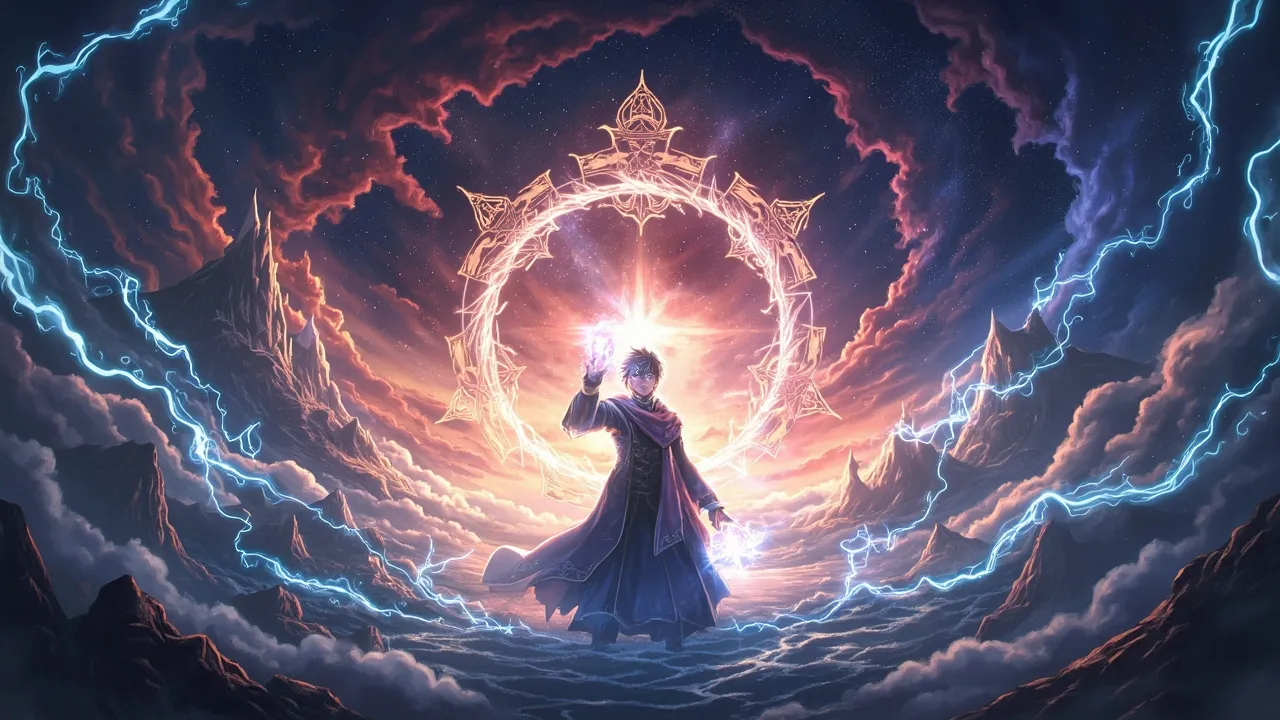
Magic is the superpower of shaping reality through spellcasting, ritual work, and raw arcane energy. Instead of relying on brute force alone, a Magic user channels mystical forces to create effects that range from simple illusions to battlefield-wide transformations. For readers exploring powers in the wider Superpower Wiki, Magic stands out as one of the most versatile abilities imaginable—and it pairs perfectly with the surprise factor of a spin on the random superpower generator.
Unlike single-purpose powers, Magic is a toolkit: sorcery, wizardry, enchantment, and rune craft can all fall under the same umbrella depending on the setting. That flexibility is also what makes Magic difficult to master, unpredictable under pressure, and potentially dangerous when misused.
What Is Magic
Magic is the ability to cast spells and harness arcane forces for varied effects. In most superhero, fantasy, and RPG-style worlds, it functions like a “reality interface” powered by will, knowledge, symbols, or external entities. A Magic user might speak incantations, draw sigils, weave mana, bargain with spirits, or channel cosmic energies—yet the outcome is the same: an intentional supernatural result that normal physics cannot explain.
Magic can be portrayed as learned skill (a disciplined mage), an inherited gift (a natural-born sorcerer), a borrowed force (pacts and patron magic), or an artifact-driven system (wands, grimoires, relics). Many universes blend these approaches, making Magic a spectrum rather than a single mechanism.
Core abilities of Magic
Magic’s core strength is breadth. Most Magic users specialize, but the full “Magic” umbrella commonly includes the following capability families.
Spellcasting and arcane energy control
At the center is spellcasting: shaping arcane energy (often called mana, mystic power, or eldritch force) into structured effects. This can include “projecting” energy, sustaining it as a field, or weaving it into temporary constructs.
Elemental and force manipulation
Many Magic systems allow elemental spells (fire, ice, lightning, wind, earth, water) and pure-force effects (telekinetic pushes, concussive blasts, force walls). Even when a world also has elemental manipulation as a separate superpower, Magic often imitates it through conjuration.
Enchantments and hexes
Enchantment alters targets directly: boosting allies, weakening enemies, charming minds, sealing powers, or placing long-term conditions. Hexes, curses, and debuffs are classic “soft-control” tools that tilt fights without requiring a direct hit.
Wards, barriers, and protection
Defensive Magic includes wards, shields, anti-projectile screens, and counterspells. Skilled users can build layered defenses: a visible barrier for impact, a hidden ward against mind intrusion, and a contingency spell that triggers automatically.
Illusions and sensory manipulation
Illusion magic manipulates perception—light, sound, scent, even memory—creating decoys, invisibility-like effects, and battlefield confusion. It’s especially potent because it forces opponents to waste actions and doubt their senses.
Summoning and conjuration
Summoning calls creatures, spirits, or constructs into play. Conjuration creates objects or temporary tools: chains, platforms, weapons, locks, or bindings. In tactical terms, this is “instant equipment” and “instant allies.”
Spatial and movement spells
Teleportation, portals, short-range blinks, levitation, and flight are common high-value Magic applications. Spatial magic also includes trapping enemies in pocket spaces, redirecting attacks through portals, or creating “no-go zones.”
Divination and detection
Magic often grants scrying, aura reading, curse detection, trap sense, and probability-leaning insight. Even limited divination can dominate encounters by revealing ambushes, hidden enemies, or the safest route through hazards.
Ritual magic and high-tier effects
Rituals trade speed for scale: large-area seals, weather shifts, mass buffs, dimensional locks, or long-duration enchantments. Ritual magic is frequently where “big story” feats live, but it requires time, components, and safety.
Application / Tactical Advantages in Combat
In combat, Magic is less about raw damage and more about controlling the rules of engagement. A smart caster wins by shaping the fight: positioning, information, tempo, and constraints.
Control of tempo: Magic can slow enemies with binding spells, speed allies with haste enchantments, or interrupt actions with silence and stun effects. Even a brief stagger can decide a duel.
Range and angles: Spells can arc around cover, strike from above, or emerge from portals. This makes traditional defenses less reliable, especially against creative line-of-effect tricks.
Toolbox adaptability: If fire doesn’t work, switch to force, poison mist, gravity-like pressure, or a mind fog. Magic users can exploit enemy weaknesses quickly—assuming they have the knowledge and focus.
Battlefield shaping: Walls, pits, fog, summoned obstacles, slippery ice, thorn growth, or illusionary terrain can corral enemies into kill zones or isolate key targets.
Anti-power techniques: Counterspells, dispels, seals, and banishments are “meta answers” to other supernatural threats. Magic can neutralize a rival’s advantages rather than overpower them.
Level: Level 1 🏙️, Level 2 🌇, Level 3 🌃
Level 1 🏙️: Street-tier spellwork

At this level, Magic is practical and quick: short incantations, basic wards, minor illusions, and simple blasts. The user can:
-
Create small shields against bullets or blunt strikes for a moment
-
Throw arcane bolts or elemental sparks
-
Use glamours to distract, hide, or misdirect
-
Apply minor enchantments like steadier aim or reduced pain
-
Sense nearby supernatural effects (curses, haunted objects, residual energy)
Combat style: skirmisher-support, trickster, or defensive duelist who relies on timing and clever positioning.
Level 2 🌇: City-tier arcane control
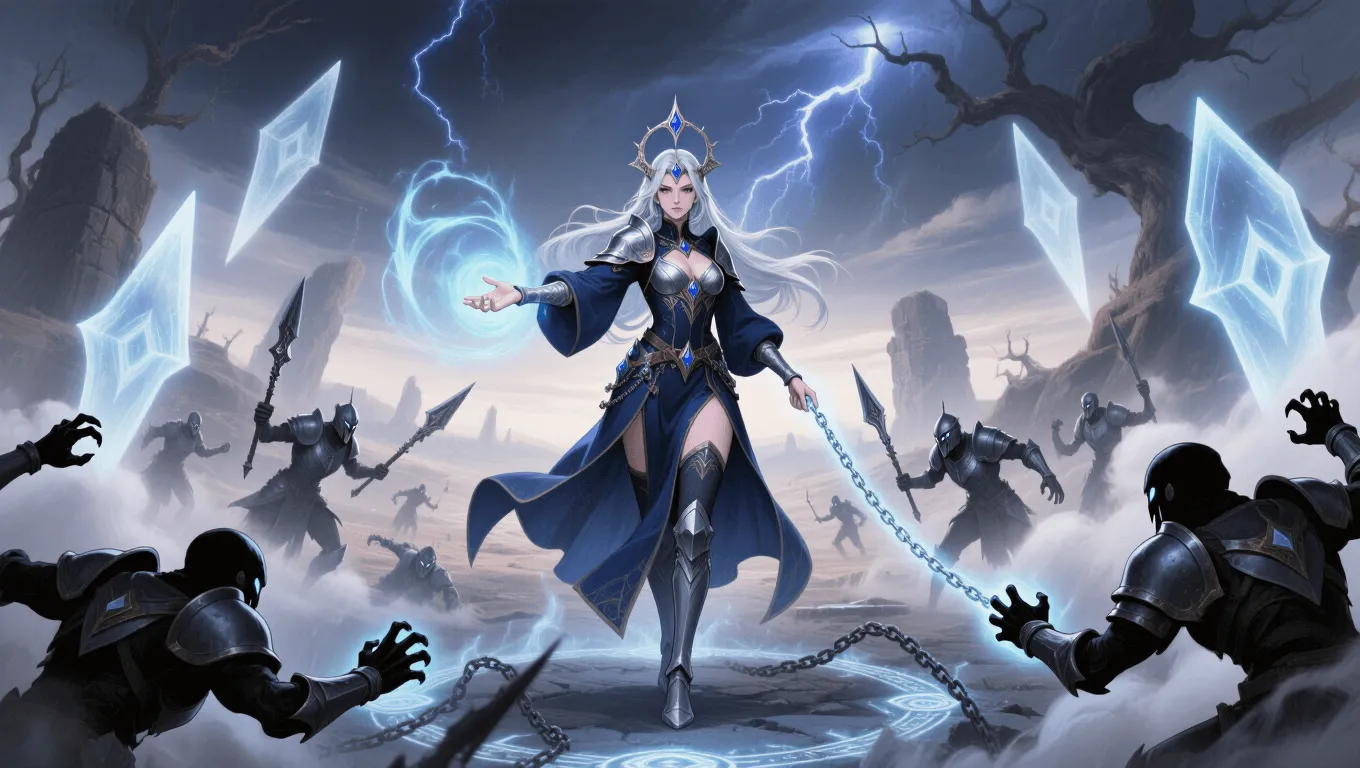
Here, Magic becomes a true battlefield toolkit. The user can:
-
Maintain multi-layer shields and sustained wards
-
Cast reliable crowd control (binds, knockbacks, sleep mists)
-
Summon durable helpers or conjure weapon-grade constructs
-
Teleport short distances or open brief portals
-
Dispel enemy enchantments and block hostile spellcasting
Combat style: controller who dictates range, funnels enemies, and protects allies while landing precise high-impact spells.
Level 3 🌃: Metropolis-to-cosmic spell mastery

At the highest levels, Magic can rewrite the scenario. The user can:
-
Create large-scale barriers, sanctums, or reality-anchored zones
-
Bind or banish powerful entities and negate supernatural hazards
-
Teleport groups, open stable portals, or manipulate space defensively
-
Cast advanced illusions that fool multiple senses at once
-
Perform rituals that affect entire districts or realms (with preparation)
Combat style: strategic architect—winning before the first strike through seals, counters, layered contingencies, and environmental dominance.
Limitations of using the Magic superpower
Magic’s versatility comes with real constraints. In balanced settings, these limits are what keep spellcasting dramatic instead of unbeatable.
Knowledge and complexity: Many spells require precise technique. A Magic user might know dozens of effects but only master a few under stress. Rare spells may require study, specific languages, or correct symbolic geometry.
Focus and interruption: Casting often demands concentration. Pain, fear, noise, or repeated impacts can break a spell mid-weave. Anti-mage tactics frequently focus on disruption rather than direct damage.
Costs and resources: Mana fatigue, stamina drain, life-force sacrifice, or material components can limit output. Even “free” magic can cause burnout, migraines, trembling hands, or emotional instability after overuse.
Preparation vs. speed: The biggest effects are commonly rituals—powerful but slow. In sudden ambushes, a Magic user may be forced into smaller, faster spells.
Backlash and miscasts: Magic can be volatile. Incorrect wording, flawed sigils, or unstable emotions may cause spells to fizzle, rebound, or produce unintended side effects.
Rules of the setting: Some universes impose strict laws: Magic can’t create true life, can’t resurrect without consequences, can’t affect free will directly, or cannot violate “cosmic balance” without attracting predators or regulators.
Weakness against what other superpowers
Magic is broad, but it’s not automatically superior. Certain powers and tactics are especially threatening:
-
Psychic Shield / mental fortification: If a mage relies on mind-affecting spells or telepathic suggestion, strong psionic defenses can blunt key tools.
-
Speed and blitz powers: Super speed, instant acceleration, or teleport-capable assassins can interrupt casting before defenses go up.
-
Power Nullification / Anti-magic fields: Abilities that suppress supernatural effects can shut down spellcasting outright or destabilize conjured constructs.
-
Reactive Adaptation: Opponents who evolve counters quickly can “learn” the mage’s patterns—resisting common elements, ignoring illusions, or developing dispel-like defenses.
-
Energy Absorption: If the caster’s offense is primarily energy-based, an absorber can turn spells into fuel.
-
Reality Anchoring / Order manipulation: Powers that stabilize or enforce strict laws of physics can reduce the flexibility of arcane effects, especially spatial tricks and illusions.
-
Technology disruption counters: In some settings, electromagnetic manipulation or specialized tech can interfere with artifacts, casting focus tools, or chant-amplifying gear.
In practice, Magic performs best when the user has scouting, time, and range. It struggles when rushed, silenced, stunned, or forced into prolonged attrition.
Synergistic Power Combos
Magic becomes terrifying when paired with complementary superpowers that cover its weak points or amplify its strengths.
-
Enhanced Visibility + Magic: A caster who spots minute details can read micro-gestures, identify hidden runes, and detect the “tell” of enemy spellwork, making counters far more consistent.
-
Eidetic Memory + Magic: Perfect recall turns spellbooks into permanent libraries. Complex rituals, sigil sequences, and counterspell matrices become reliable under pressure.
-
Psychic Navigation + Magic: Tracking a target psychically and then opening portals or scrying windows creates near-inescapable pursuit.
-
Energy Conversion + Magic: Converting ambient energy into usable mana-like output can reduce fatigue and sustain long battles.
-
Phasing + Magic: Intangibility lets a mage reposition safely, avoid interrupts, and cast from unexpected angles.
-
Light Manipulation + Magic: Pairing physical light control with illusions and glamours produces layered deception that defeats both tech sensors and human perception.
-
Creation + Magic: Conjuration plus true creation can build lasting defenses, infrastructure, and traps—turning “temporary spell tools” into permanent assets.
-
Psychic Shield + Magic: Protecting the mind preserves concentration, preventing a key vulnerability: disruption.
Known Users
Magic appears across comics and superhero fiction in many forms: disciplined mysticism, chaotic sorcery, inherited witchcraft, and artifact-based wizardry. Notable examples include:
-
Doctor Strange (Marvel Comics): A master of mystic arts known for wards, portals, and dimensional threats.
-
Zatanna Zatara (DC Comics): A stage magician whose backward-spoken spells often function as direct reality alteration.
-
Scarlet Witch (Marvel Comics): Frequently portrayed with probability bending and chaos-leaning spell effects, depending on era and continuity.
-
John Constantine (DC/Vertigo): A cunning occultist whose “Magic” is often ritual-based, bargain-driven, and strategy-heavy.
-
Doctor Fate (DC Comics): A wielder of mystical power tied to artifacts and cosmic forces, commonly featuring high-tier wards and spell constructs.
In most universes, these characters demonstrate the same core truth: Magic is strongest when the user combines knowledge, preparation, and creativity—treating spellcasting as strategy, not just spectacle.