
Nebula Nexus: Cosmic Vortex Superpower Guide
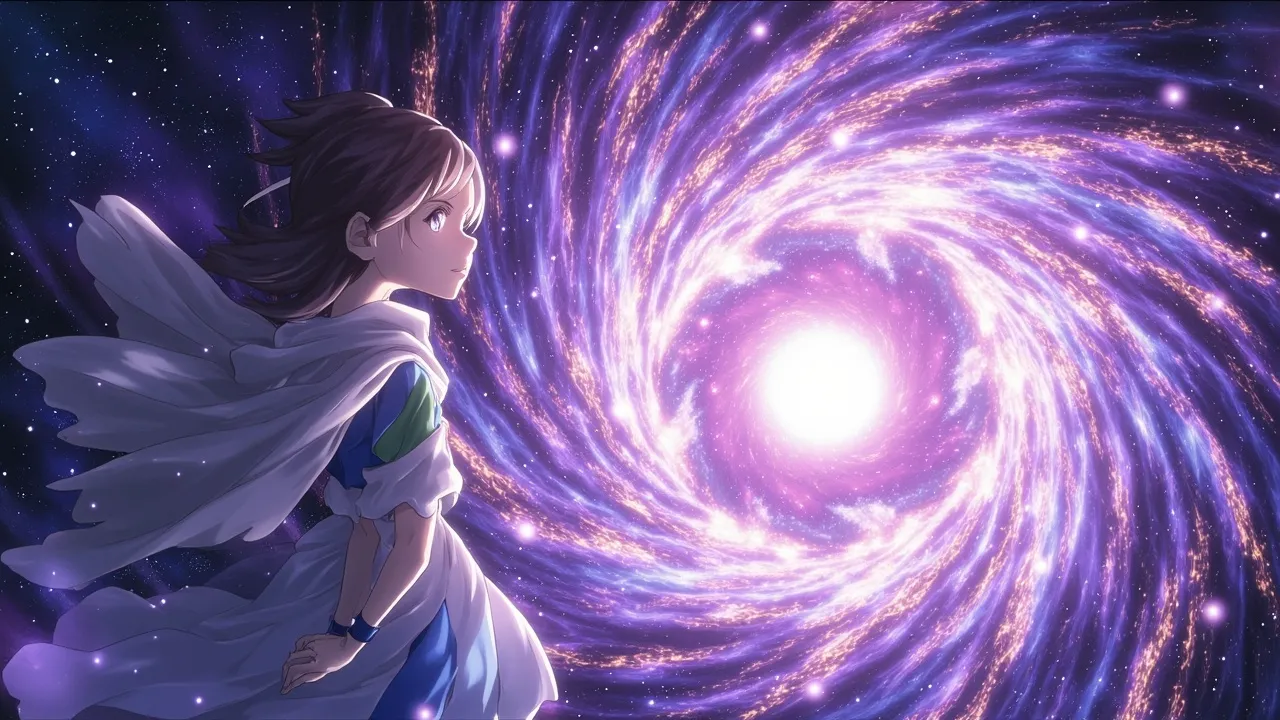
Nebula Nexus Video Demo 🎬
Table of Contents
Nebula Nexus is a cosmic superpower that lets its user form a swirling nebula vortex to engulf, overwhelm, and disorient foes. Instead of simple fire or lightning, this power calls on interstellar clouds of gas, dust, and ionized energy, shaping them into a living storm. In RPG campaigns or superhero settings, Nebula Nexus works as a battlefield-control ability that combines area-of-effect damage, obscuring mist, and crushing pressure into one signature move. It sits comfortably alongside other cosmic abilities in any list of superpowers and pairs well with random rolls from a superpower generator when building space-themed heroes and villains.
What Is Nebula Nexus?
Nebula Nexus is the power to generate and control a localized nebula vortex: a dense, rotating cloud of colored gas, star-flare sparks, and drifting debris that the user calls into existence around a target zone. In-story, it often looks like a miniature galaxy storm, forming a funnel or sphere that swallows enemies whole.
Unlike simple “nebula manipulation,” which might cover any interaction with cosmic dust, Nebula Nexus focuses on creating a nexus—a focal point where energies converge. The user doesn’t just summon pretty clouds; they generate a high-pressure, low-visibility environment that acts like a cosmic whirlpool for matter, energy, and perception.
Typically, a Nebula Nexus can:
-
Enclose an area in thick stellar fog.
-
Generate internal turbulence that batters, pushes, or drags enemies.
-
Saturate targets with corrosive cosmic particles or radiation-like energy.
-
Distort senses and targeting systems within the vortex.
In many settings, this superpower also serves as a visual signature. When the Nexus blooms into existence, everyone on the battlefield knows a major event has begun.
Core Abilities of Nebula Nexus
Nebula Nexus can be broken down into several core abilities that game masters and players can tune for balance and flavor.
Nebula Vortex Creation
The foundation of Nebula Nexus is the formation of a nebula vortex. The user selects a point in space—around themselves, around a foe, or in mid-air—and the nebula rapidly spirals into existence.
Common parameters to define:
-
Radius and shape: Cone, sphere, dome, or swirling tunnel.
-
Density: Thin, eerie mist or thick, smothering cloud that blocks sight and sensors.
-
Duration: Flash-burst for a single turn or a persistent storm that lingers for multiple rounds.
The vortex can be stationary, anchored to terrain, or slowly drifting, forcing both allies and enemies to reposition.
Stellar Drift and Gravitational Pull
Inside the Nebula Nexus, physics becomes “soft.” The user can impose subtle gravitational pull or push, making movement difficult or hazardous. Characters might feel themselves dragged toward the vortex core, or shoved outward in erratic bursts.
Applications include:
-
Crowd control: Pull melee fighters off their feet or cluster enemies together for follow-up attacks.
-
Zone denial: Force enemies to avoid certain areas or risk being dragged into the core.
-
Airborne disruption: Flyers and teleporters can be yanked off course or slingshotted unpredictably.
This doesn’t have to be full black-hole gravity; it can be a gentler but still dangerous tug, balancing cool visuals with fair gameplay.
Cosmic Choking Mists
The nebula vortex is not just pretty gas. It can be infused with charged particles, stardust, and energy that interferes with breathing, sensors, and magic.
Common effects:
-
Obscured vision: Targets inside have reduced accuracy or disadvantage on ranged attacks.
-
Sensor interference: Radar, scanners, and magical scrying struggle to read anything inside.
-
Irritating particulate: Low-level damage over time, or debuffs like coughing, dizziness, or slowed reactions.
This turns Nebula Nexus into a powerful control and debuff tool, not just a damage source.
Energy Saturation and Radiant Backlash
At higher levels, the user can crank up the energy density inside the Nebula Nexus. The vortex begins to glow with stellar light, crackle with static, or flash with micro-flares.
This can translate into:
-
Periodic damage pulses (cosmic, radiant, plasma, or pure force).
-
Energy overloads that disrupt shields, magical wards, or powered armor.
-
Triggered detonations when the user collapses the vortex, releasing stored energy in a final blast.
This is where Nebula Nexus turns from “soft control” into a serious offensive superpower.
Application / Tactical Advantages in Combat
Nebula Nexus shines as a battlefield-control and area-of-effect superpower.
First, it’s excellent for crowd control. By engulfing multiple enemies, the user can limit line of sight, scatter formations, and clamp down on coordinated attacks. Tanks, glass-cannon blasters, and support casters alike get thrown into chaos when they can’t see or move freely.
Second, it’s an ideal anti-ranged and anti-sniper tool. Marksmanship and precision powers rely on clear sight lines. Filling the battlefield with shifting cosmic fog ruins clean shots, forces snipers to relocate, and protects vulnerable allies.
Third, Nebula Nexus is a strong escape and repositioning power. A user can drop a vortex between themselves and pursuers, or cloak their retreat in nebular haze. Enemies have to either push through the dangerous cloud or lose track of their target.
Finally, it has a high intimidation and narrative value. When a character opens a fight by summoning a roaring nebula vortex, it signals that they operate on a cosmic scale. That’s perfect for bosses, legendary NPCs, or late-game heroes.
Level: Level 1 🏙️, Level 2 🌇, Level 3 🌃
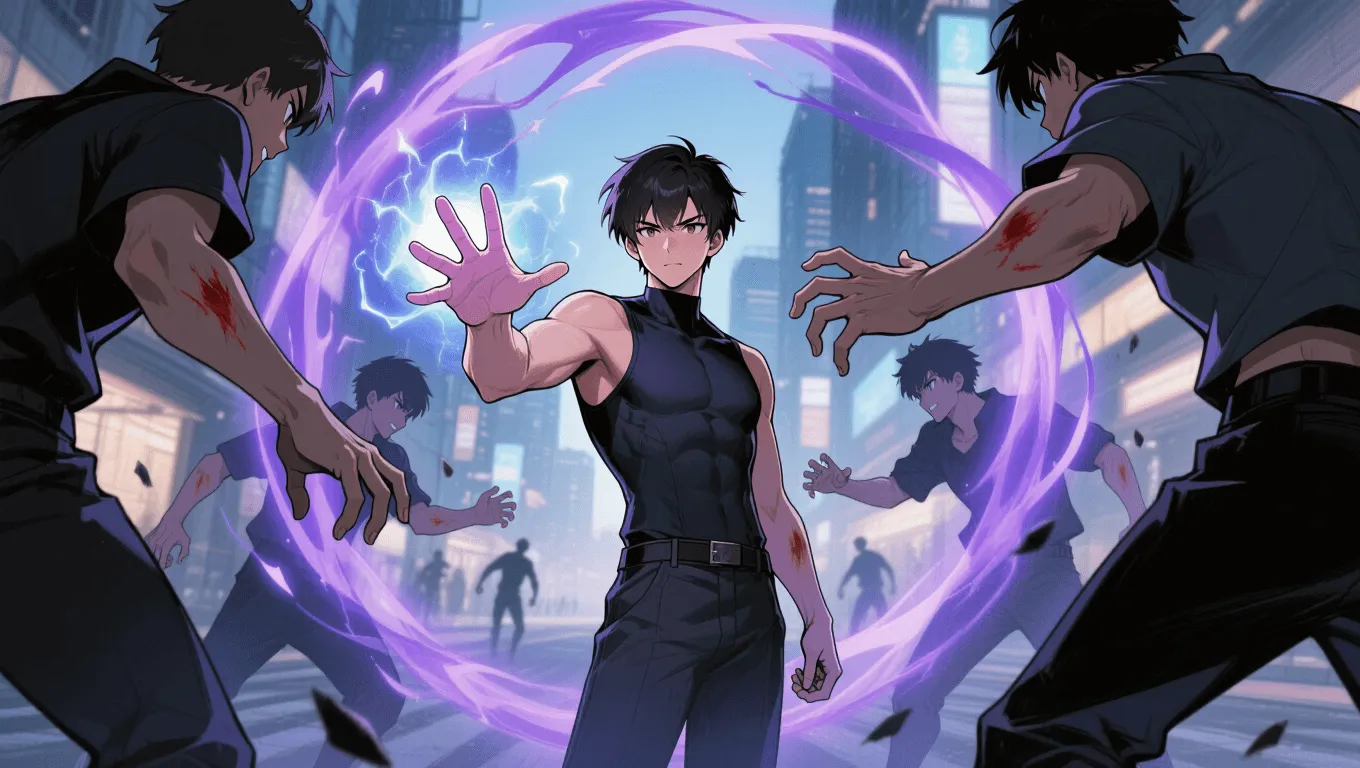
Level 1 🏙️: Nebular Initiate
At Level 1, the user has just awakened Nebula Nexus.
-
The vortex is small to medium-sized, enough to trap a handful of enemies.
-
The mist is thin but disorienting, imposing mild penalties to perception and accuracy.
-
Gravitational effects are mostly flavorful nudges—fleeting pulls or pushes that make footing less stable rather than fully dragging characters around.
-
Damage, if any, is minor, perhaps a low-grade energy burn or stamina drain over time.
This level is ideal for early campaigns: powerful, but not yet fight-ending on its own.
Level 2 🌇: Vortex Savant
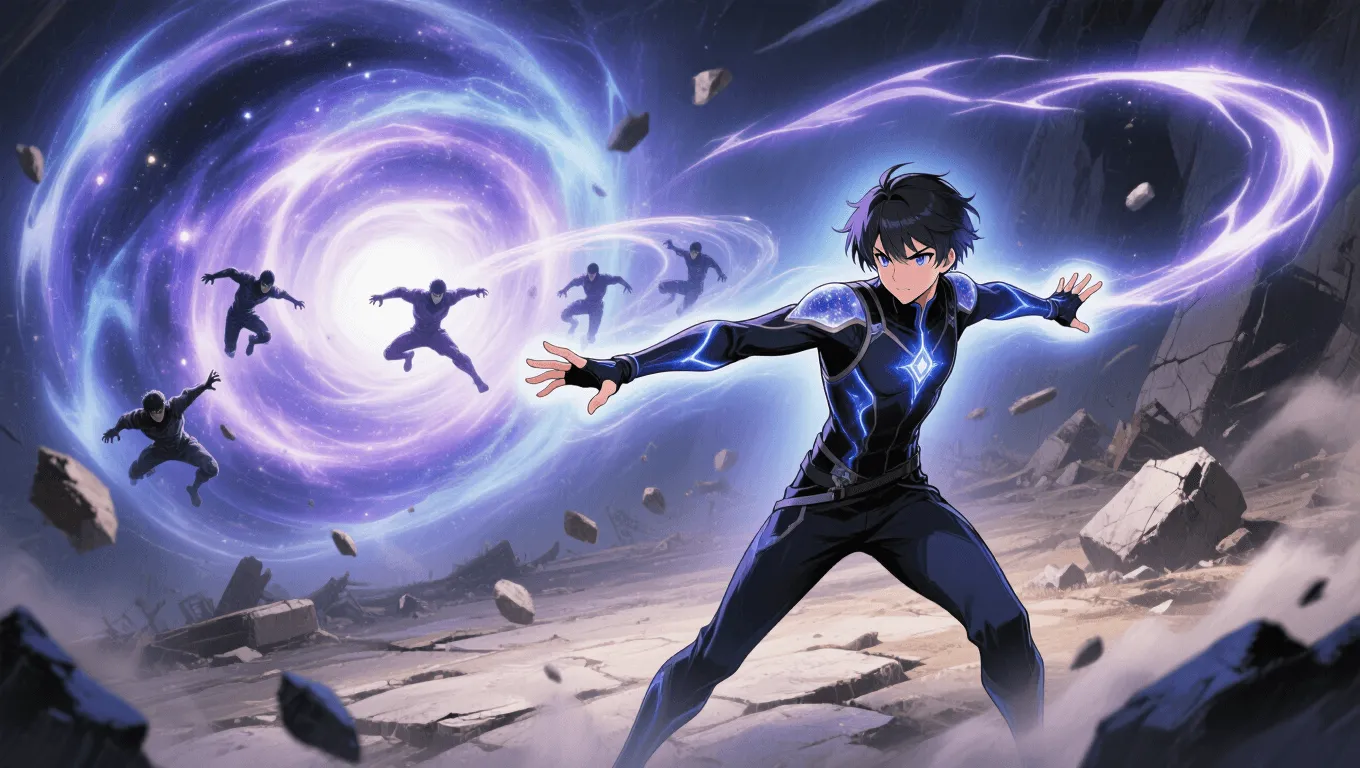
At Level 2, the user has learned to truly shape the nebula.
-
Vortex size increases, allowing coverage of larger sections of the battlefield.
-
The user can shift the vortex slowly, rolling it across terrain like a creeping storm.
-
Gravitational drift becomes mechanically significant, pulling enemies toward the center or flinging them to unsafe spots (edges, hazards, off ledges).
-
The cloud now delivers reliable damage over time or stronger debuffs (slowed movement, impaired casting, sensor shutdown).
At this stage, Nebula Nexus becomes a signature move that can define encounter design and team strategy.
Level 3 🌃: Nexus Avatar
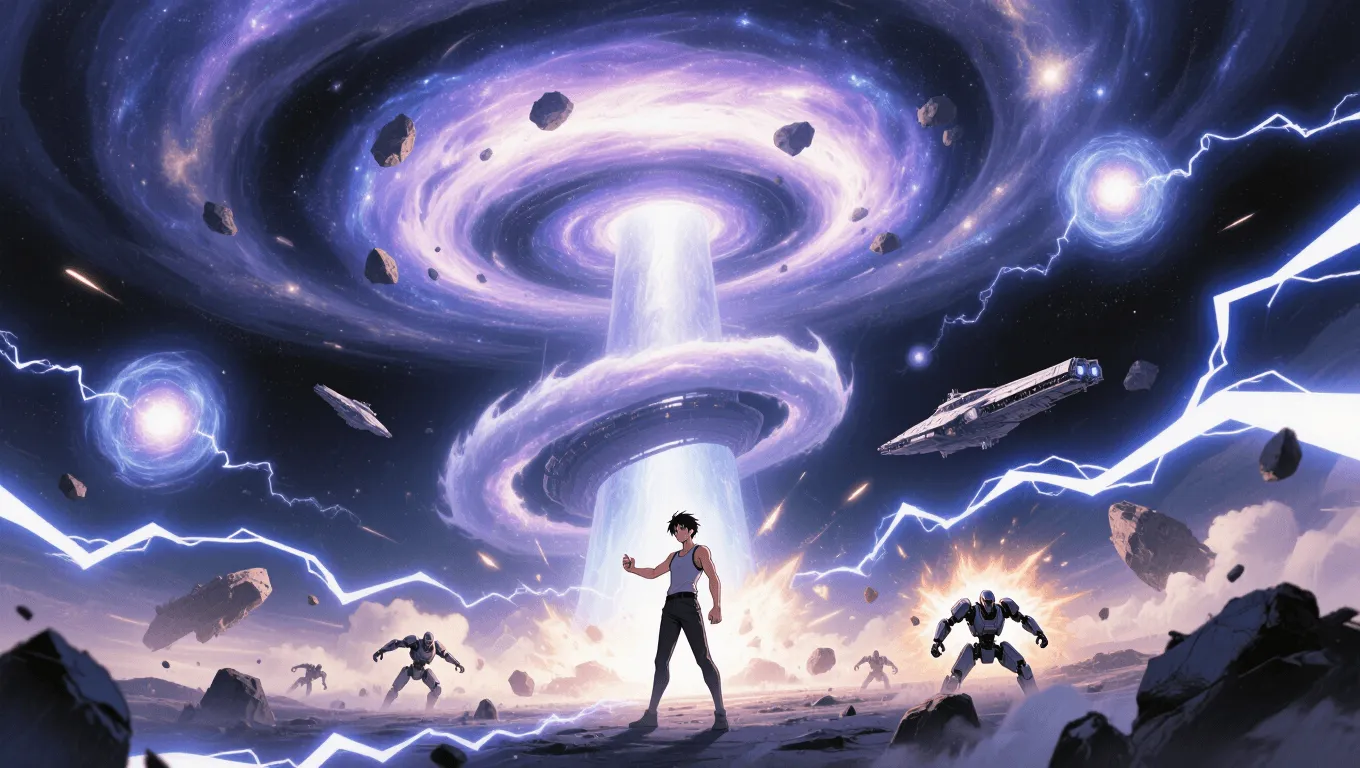
At Level 3, the user becomes a living nexus of nebular power.
-
The vortex can be massive, engulfing entire battlefields or even small starships.
-
The user can manifest multiple smaller vortices or split one into several zones.
-
Internal conditions can be customized: microgravity pockets, crushing pressure, crackling radiation, or razor-fine stardust streams.
-
When dismissed, the user can collapse the vortex into a catastrophic burst of cosmic energy, dealing heavy damage and triggering status effects like blindness, silence, or stunned.
At this tier, Nebula Nexus borders on reality-warping cosmic manipulation, suitable for final bosses, godlike entities, or endgame heroes.
Limitations of using the Nebula Nexus
Even cosmic powers should have clear weaknesses and constraints.
-
High energy cost
Summoning and maintaining a nebula vortex is taxing. Overuse can exhaust the user, leaving them vulnerable afterward. In game terms, that might mean heavy resource costs, cooldowns, or fatigue penalties. -
Friendly fire risk
Nebula Nexus doesn’t distinguish friend from foe. Allies caught in the vortex suffer the same low visibility, gravitational disruption, and status effects. This forces careful positioning and communication. -
Environmental constraints
In tight spaces, subterranean tunnels, or delicate environments (crowded cities, starship interiors), the full-scale vortex may be too risky. Game masters can restrict the radius or side effects to keep things plausible. -
Line-of-sight dependencies
Many versions of Nebula Nexus require the user to see or at least sense the target zone to anchor the vortex. Blindness, illusions, or dimensional barriers can block its use or misplace it. -
Limited precision
While amazing for zones and large groups, Nebula Nexus is often imprecise against single agile targets. Fast teleporters or speedsters may dart in and out, exploiting the vortex’s broad-area nature.
Weakness against what other superpowers
Nebula Nexus is powerful, but specific categories of superpowers can counter or weaken it:
-
Wind and aerokinesis: Strong wind manipulation can blow away or thin the nebular cloud, restoring visibility and weakening its damage and debuffs.
-
Light and radiation control: Users who command intense light can pierce or even burn off parts of the nebula, negating its shadows and illusions.
-
Gravity manipulation: Dedicated gravity controllers can stabilize or override the internal drift, neutralizing the vortex’s pull and letting allies move freely.
-
Vacuum or space manipulation: Powers that create localized vacuum can strip out the gas, collapsing the nebula, or carve safe corridors through it.
-
Spatial anchoring and teleport immunity: Abilities that anchor positions or prevent environmental movement can protect targets from being dragged or displaced within the vortex.
-
Clairvoyance and extrasensory perception: Precognition, cosmic awareness, and other non-visual senses can bypass the nebula’s obscuring effects, letting enemies fight effectively despite the fog.
Designing foes with one or more of these counters keeps Nebula Nexus balanced and interesting.
Synergistic Power Combos
Nebula Nexus becomes even more spectacular when combined with other superpowers.
-
Gravity or black-hole style powers: Layering gravity wells inside the nebula creates truly terrifying kill zones, where enemies are pulled into dense, damaging cores.
-
Lightning, plasma, or stellar fire: Conductive, ionized nebula gas is a perfect medium for chained lightning, plasma arcs, or star-flame. The entire vortex can become a crackling electric storm.
-
Sound and vibration manipulation: Dense gas carries sound differently. Sonic attacks inside the vortex can become more unpredictable or more destructive, turning the nebula into a resonant chamber of concussive waves.
-
Illusion and fear-based abilities: The low visibility and strange lights in the nebula amplify psychological powers. Illusions seem more real, and fear effects become more oppressive when enemies can’t see what’s stalking them.
-
Defensive cosmic shields: A user with both Nebula Nexus and a barrier power can trap enemies inside the vortex while shielding allies outside, creating a cosmic “arena” that locks down dangerous foes.
For RPG designers, Nebula Nexus is a fantastic hub for combo-building, especially when paired with other cosmic-themed abilities like Astral Aegis, Nebula Nova, or Vortex Vesper.
Known Users
Because Nebula Nexus is a versatile, narrative-friendly power, it can be assigned to many character types:
-
The Starborne Warden – A lawful cosmic guardian who uses Nebula Nexus to cage invaders and quarantine stellar threats rather than simply destroy them.
-
The Vortex Prophet – A mystic seer who reads futures in swirling nebulae, then weaponizes those same clouds in battle.
-
The Runaway Herald – A former servant of a cosmic entity who stole a fragment of nebular power and now wields Nebula Nexus to sabotage their old master’s plans.
For inspiration, creators can look at spacefaring comic characters who wield cosmic energies, even if they don’t use this exact power. For example, Nebula from Marvel Comics is often depicted as a ruthless space pirate and strategist who sometimes gains access to universe-shaking energy sources, making her a strong template for cosmic-scale storytelling. Marvel+1
Similarly, characters like Genis-Vell, who possesses cosmic awareness, energy projection, and reality-level destructive potential, show how far a cosmic-themed power set can escalate when pushed to its limits. Wikipedia
While these characters do not canonically wield Nebula Nexus, their stories offer valuable models for tone, scale, and the emotional weight of wielding cosmic forces. When added to a campaign’s roster and balanced thoughtfully against counters and synergies, Nebula Nexus fits naturally into any cosmic saga—alongside dozens of other abilities drawn from your list of superpowers or discovered via a quick spin of the random superpower generator.