
Oil Generation Superpower: Complete Guide to Slick Control
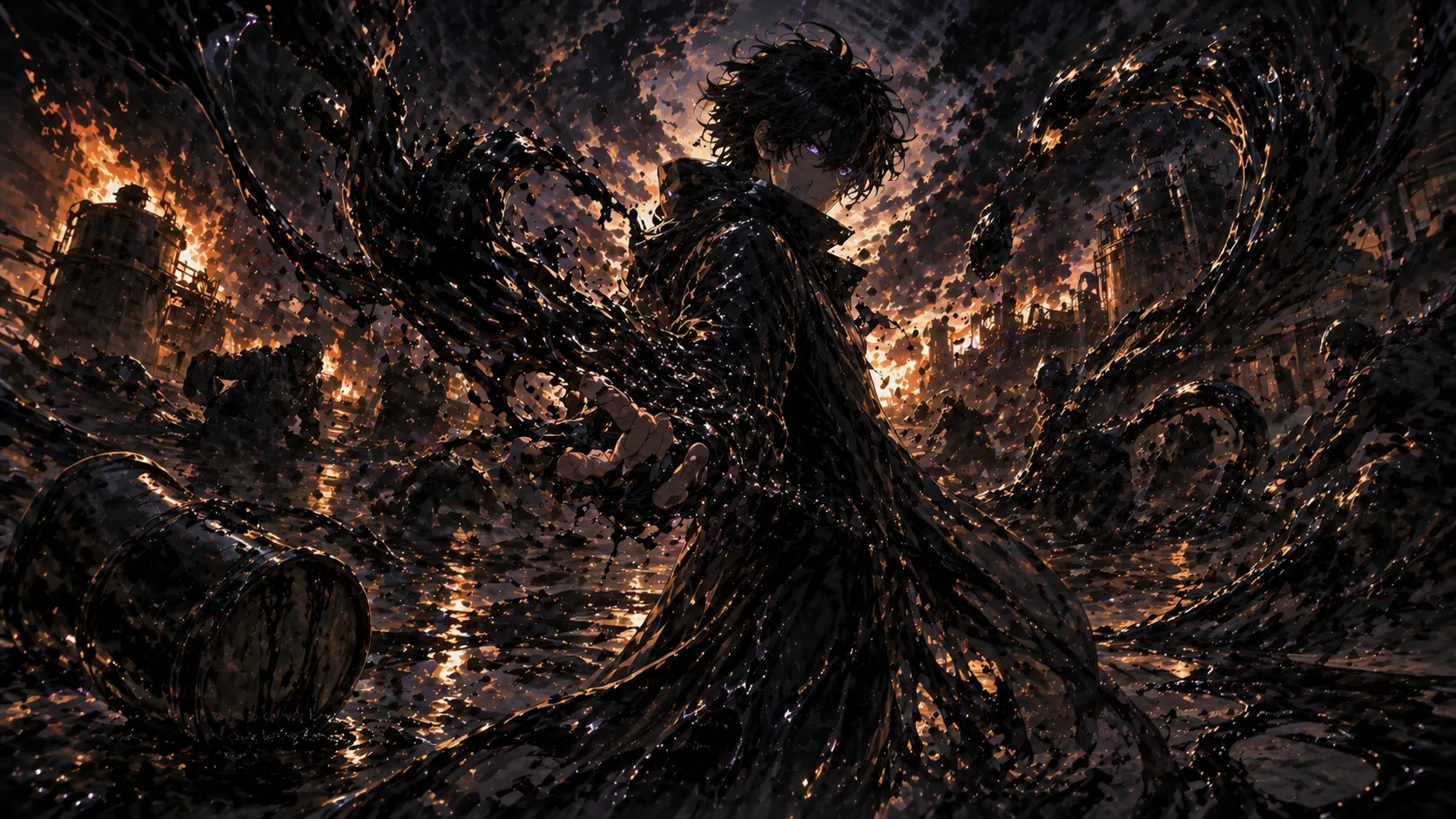
Oil Generation Video Demo 🎬
Table of Contents
What Is Oil Generation
Oil Generation is a unique and versatile superpower that allows a user to produce slick, viscous, and often flammable oil from their body or surroundings. This ability enables the creation of slippery surfaces, combustible fuel sources, and environmental hazards that can be used strategically in both combat and utility scenarios. Oil Generation stands out among elemental and substance-based powers because of its dual nature—both defensive and offensive—making it highly adaptable.
Unlike powers that rely on external resources, Oil Generation gives users a self-sustaining supply of oil, which can be manipulated for traps, mobility disruption, or ignition-based attacks. Characters with this ability often excel in battlefield control, turning terrain into a dangerous advantage.
For more unique abilities like this, explore the full collection at superpower list or discover new powers instantly at random superpower generator.
Core Abilities of Oil Generation
Oil Generation encompasses several key capabilities that make it a formidable power:
Oil Creation
The user can continuously produce oil from their body, hands, or even the ground. This oil can vary in thickness, from light slicks to heavy, tar-like substances.
Surface Manipulation
By spreading oil across surfaces, users can create slippery terrain that causes enemies to lose balance or mobility. This is especially effective in confined or urban environments.
Flammability Control
One of the most dangerous aspects of Oil Generation is its flammability. The user can ignite the oil, either manually or through external sparks, creating explosive or sustained fire attacks.
Oil Constructs
Advanced users may shape oil into temporary constructs such as tendrils, shields, or barriers. Though less solid than traditional constructs, they can still restrain or hinder opponents.
Environmental Influence
Oil can seep into machinery, weapons, or infrastructure, disrupting functionality and creating chaos in technological settings.
Application / Tactical Advantages in Combat
Oil Generation provides a wide range of tactical advantages:
Battlefield Control
By coating the ground in oil, the user can dictate enemy movement, forcing opponents into vulnerable positions or preventing escape.
Trap Setting
Oil can be laid in advance as a trap. Once triggered, it can immobilize enemies or be ignited for maximum damage.
Area Denial
Flaming oil creates hazardous zones that enemies must avoid, effectively controlling space during combat.
Crowd Control
In large-scale encounters, spreading oil across a wide area can slow down multiple opponents simultaneously.
Stealth and Escape
Oil can be used to create distractions, obscure vision (when burning), or enable quick escapes by causing pursuers to slip.
Level: Level 1 🏙️, Level 2 🌇, Level 3 🌃
Level 1 🏙️
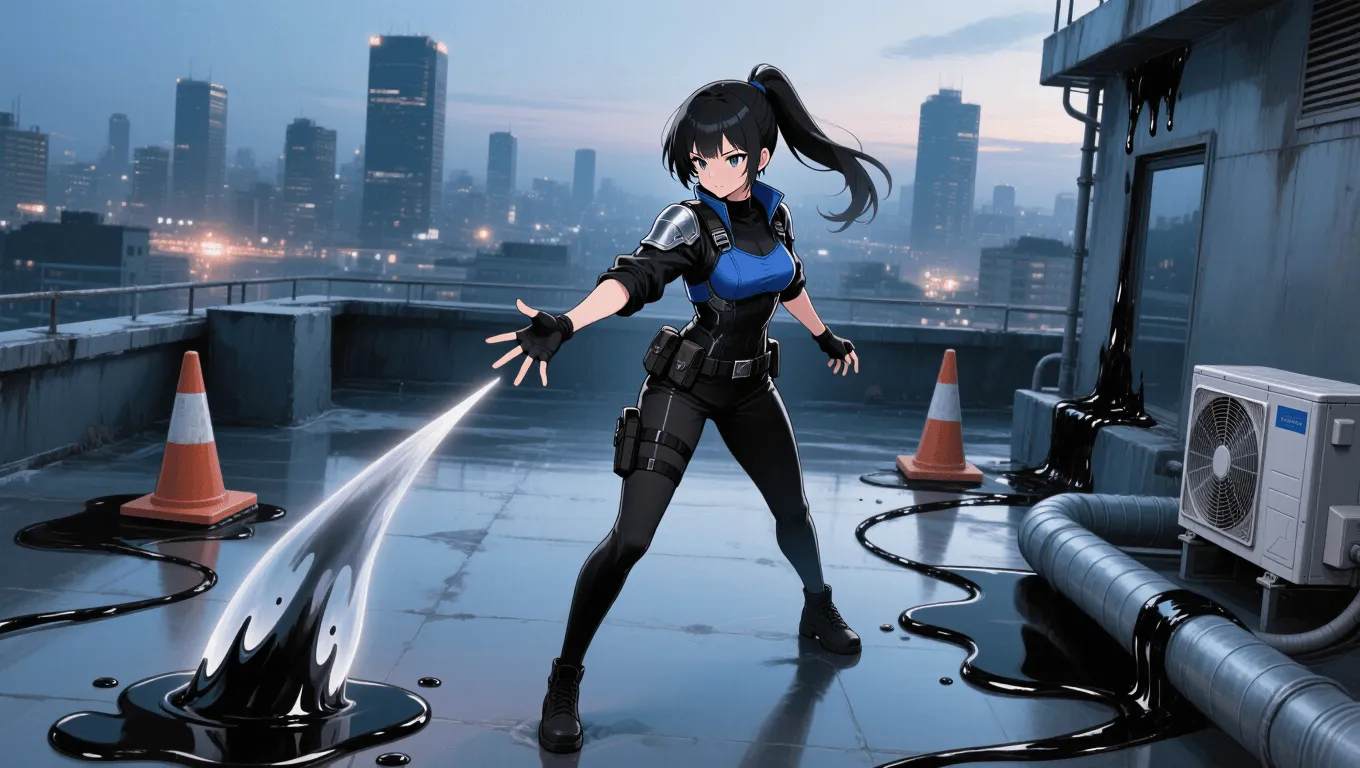
At this stage, the user can produce small amounts of oil and use it primarily for basic traps and minor environmental manipulation. Combat use is limited but still effective for defense and escape.
Level 2 🌇
The user gains greater control over oil production and can generate larger quantities. Flammability becomes a major factor, allowing for offensive capabilities such as fire traps and area denial.
Level 3 🌃
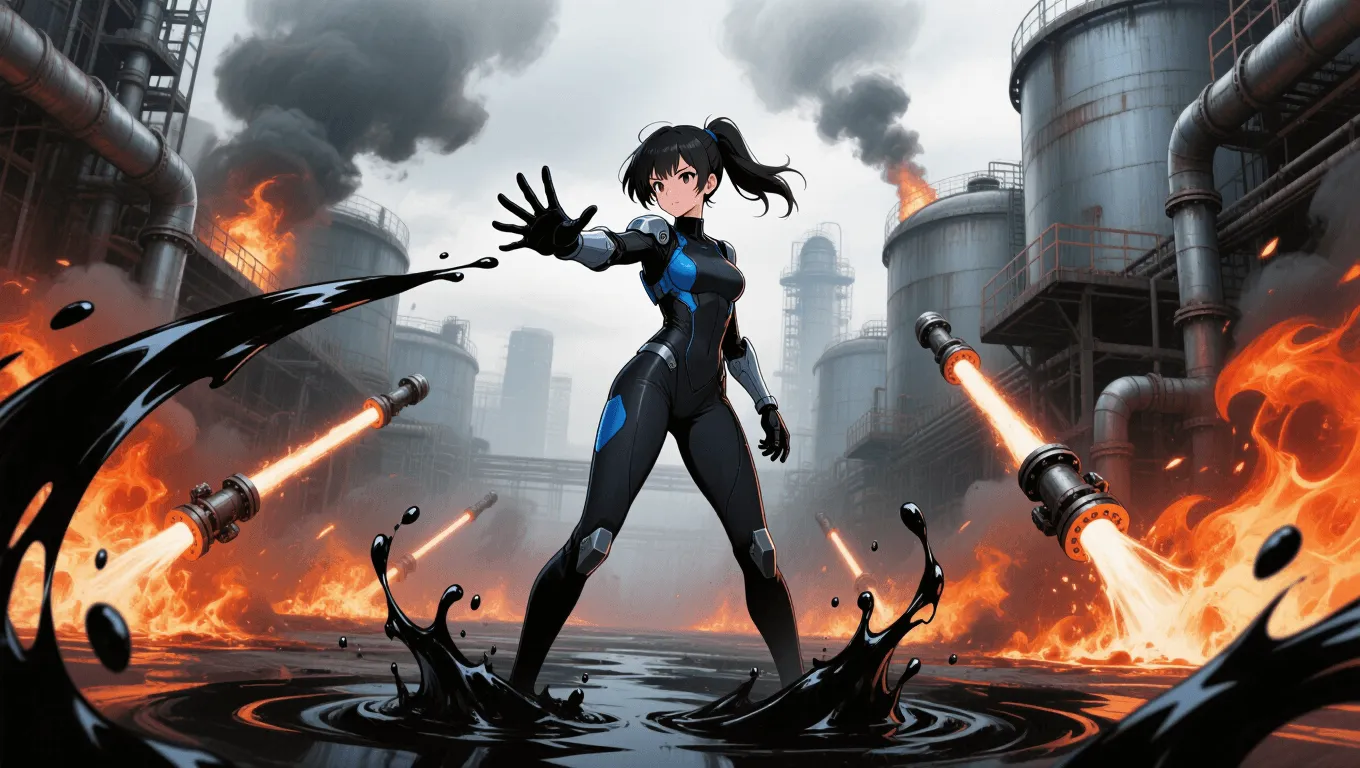
At peak mastery, the user can flood entire areas with oil, create complex constructs, and control ignition with precision. They may even manipulate oil at a distance, turning the battlefield into a dynamic hazard zone.

Limitations of Using the Oil Generation
Despite its strengths, Oil Generation comes with several limitations:
Environmental Dependence
Oil can be less effective in certain conditions, such as heavy rain or water-based environments, where it may disperse or lose effectiveness.
Fire Risk
While flammability is an advantage, it also poses a danger to the user. Poor control can result in self-inflicted damage.
Mobility Constraints
Excessive oil use may also affect the user’s own movement if not carefully managed.
Resource Drain
Producing large quantities of oil may require stamina or energy, limiting prolonged use.
Clean-Up and Residue
Oil leaves behind residue that can be tracked or used against the user, especially by opponents with environmental awareness abilities.
Weakness Against What Other Superpowers
Oil Generation can be countered by several other abilities:
Water Manipulation
Water-based powers can wash away oil, reducing its effectiveness and neutralizing traps.
Wind Manipulation
Strong air currents can disperse oil or prevent it from settling effectively on surfaces.
Ice Abilities
Freezing oil can reduce its slipperiness and flammability, turning it into a less effective substance.
Absorption Powers
Abilities that absorb liquids or energy can remove oil from the battlefield entirely.
Heat Immunity
Opponents resistant to fire negate one of Oil Generation’s biggest advantages.
Synergistic Power Combos
Oil Generation becomes significantly more powerful when combined with other abilities:
Fire Manipulation
Pairing oil with fire powers creates devastating explosive attacks and sustained flames.
Earth Manipulation
Oil can be combined with terrain control to create traps such as collapsing, burning الأرض.
Lightning Powers
Electricity interacting with oil (especially if impurities exist) can enhance destructive potential.
Teleportation
Users can set oil traps and instantly reposition, forcing enemies into hazardous zones.
Illusion Powers
Illusions combined with oil traps can confuse enemies and lead them into dangerous مناطق.
Known Users
While Oil Generation is less commonly seen than other elemental abilities, similar traits can be found in certain fictional characters who utilize slippery or hazardous substances in combat.
One example of a chaotic strategist who thrives on environmental manipulation is The Joker. While not an oil generator specifically, his use of traps, chemicals, and unpredictable tactics reflects how an Oil Generation user might operate in battle—turning the environment into a weapon.
Another comparable figure is Hydro-Man, who manipulates liquid forms to control the battlefield. Though water-based, his abilities demonstrate how fluid control powers can dominate combat scenarios in ways similar to Oil Generation.
These characters highlight the strategic depth and creative potential of substance-based powers, reinforcing how Oil Generation can be both destructive and tactically brilliant when mastered.