
Photographic Reflexes
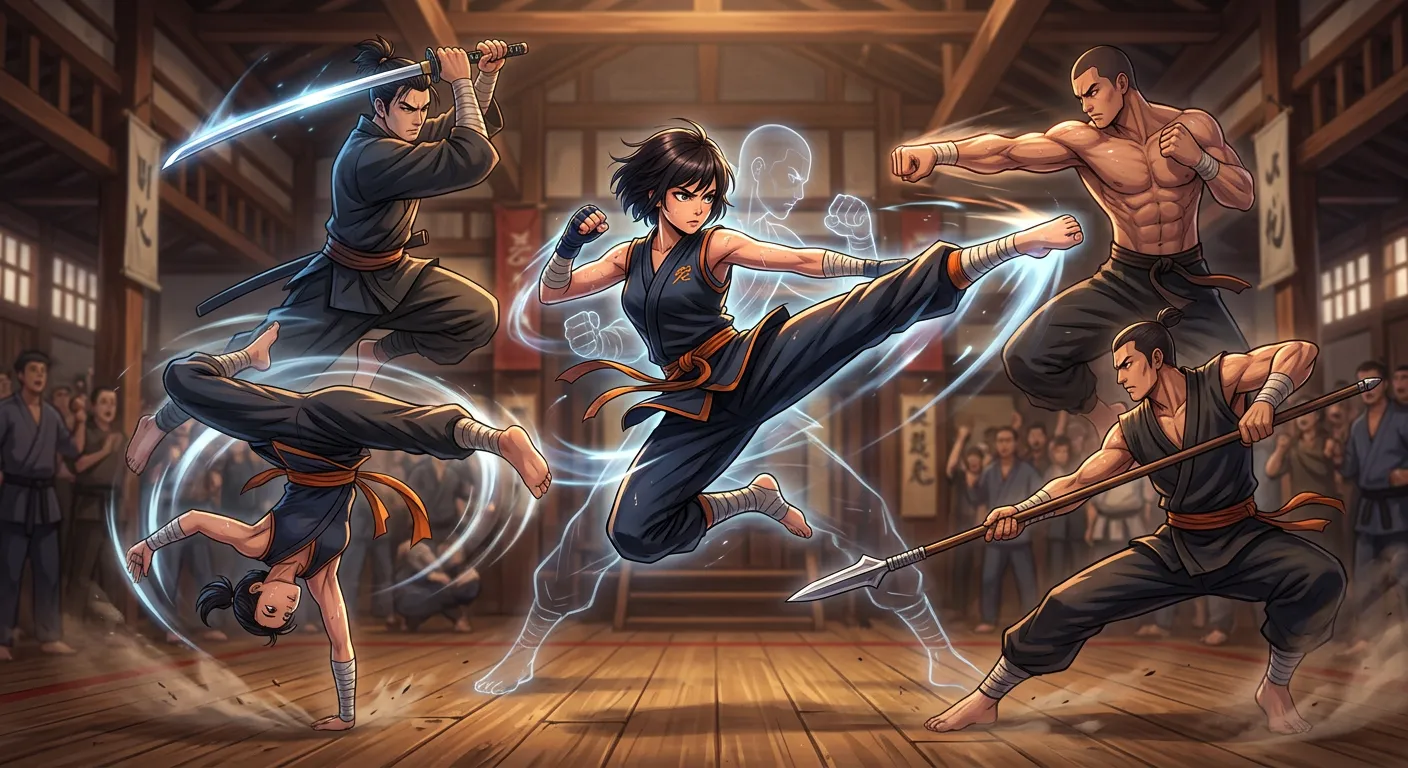
Photographic Reflexes Video Demo 🎬
Table of Contents
- Photographic Reflexes Video Demo 🎬
- What Is Photographic Reflexes
- Core Abilities of Photographic Reflexes
- Application / Tactical Advantages in Combat
- Level: Level 1 🏙️, Level 2 🌇, Level 3 🌃
- Limitations of Using the Photographic Reflexes
- Weakness Against What Other Superpowers
- Synergistic Power Combos
- Known Users
Photographic Reflexes is a superpower that allows a person to instantly copy and reproduce any physical movement after observing it only once. From martial arts and swordsmanship to acrobatics and weapon handling, this ability grants extraordinary adaptability in combat and daily life. Often called “muscle mimicry” or “combat mimicry,” Photographic Reflexes turns observation into immediate mastery, making the user capable of rivaling elite fighters, athletes, and assassins without years of training.
This power is commonly associated with super soldiers, tactical geniuses, and martial arts masters in comics, anime, and science fiction. Among the many abilities listed on the superpower list, Photographic Reflexes stands out because it combines intelligence, coordination, and adaptability into a single devastating skill set. It is also one of the most versatile abilities featured on the random superpower generator due to its limitless learning potential.
What Is Photographic Reflexes
Photographic Reflexes is the ability to perfectly imitate observed physical actions. Once the user witnesses a movement, their body instantly understands and recreates it with near-perfect precision. Unlike ordinary learning, this process bypasses years of practice and training.
The power can apply to:
- Martial arts
- Gymnastics
- Weapon techniques
- Dance
- Parkour
- Tactical maneuvers
- Driving skills
- Athletic performance
The user’s nervous system and muscle memory adapt almost immediately after visual input. In many fictional portrayals, the body automatically recalibrates itself for balance, timing, and coordination.
This ability differs from photographic memory because it focuses specifically on physical replication rather than mental recall. A person with Photographic Reflexes does not simply remember movements — they embody them.
Core Abilities of Photographic Reflexes
Instant Combat Mimicry
The user can observe an opponent’s fighting style and immediately reproduce it. After watching a martial artist perform a kick combination once, the user can execute the same sequence flawlessly.
This makes them highly unpredictable in battle because they constantly adapt and evolve during combat.
Weapon Mastery
Photographic Reflexes often grants rapid proficiency with weapons such as:
- Swords
- Spears
- Firearms
- Bows
- Throwing knives
- Exotic weapons
The user can mimic advanced techniques simply by watching experienced fighters in action.
Athletic Adaptation
Physical activities requiring coordination can be copied immediately, including:
- Skateboarding
- Rock climbing
- Ice skating
- Acrobatics
- Sprinting techniques
This allows the user to compete at elite levels despite little prior experience.
Tactical Movement Replication
The power can also copy strategic movement patterns such as:
- Stealth infiltration
- Military maneuvers
- Escape techniques
- Defensive stances
A skilled user becomes extremely difficult to predict because they absorb countless styles and methods.
Reflex Enhancement
Some versions of Photographic Reflexes include heightened reaction speed. The user not only copies movements but also responds with perfect timing and efficiency.
This creates a combatant capable of countering attacks almost instantly.
Application / Tactical Advantages in Combat
Counter-Fighting Specialist
Photographic Reflexes excels against skilled opponents. The stronger the enemy’s technique, the more useful the ability becomes.
A user can:
- Observe a combo
- Analyze its rhythm
- Recreate and counter it moments later
This creates a rapidly escalating duel where the user continuously improves mid-battle.
Adaptive Weapon Combat
If disarmed, the user can immediately pick up unfamiliar weapons and fight competently. This flexibility makes them dangerous in unpredictable environments.
Multi-Style Mastery
By combining techniques from multiple fighters, the user can create hybrid combat styles. For example:
- Boxing footwork
- Karate strikes
- Judo throws
- Capoeira movement
The result is an ever-changing combat system impossible to memorize fully.
Psychological Warfare
Opponents may become intimidated when they see their own signature techniques used against them. This mental pressure can disrupt focus and confidence.
Rapid Battlefield Learning
The user can instantly study:
- Enemy formations
- Movement habits
- Defensive patterns
- Combat weaknesses
This makes them excellent tacticians during prolonged conflicts.
Level: Level 1 🏙️, Level 2 🌇, Level 3 🌃
Level 1 🏙️ — Basic Mimicry
At this stage, the user can copy simple physical actions after observing them.
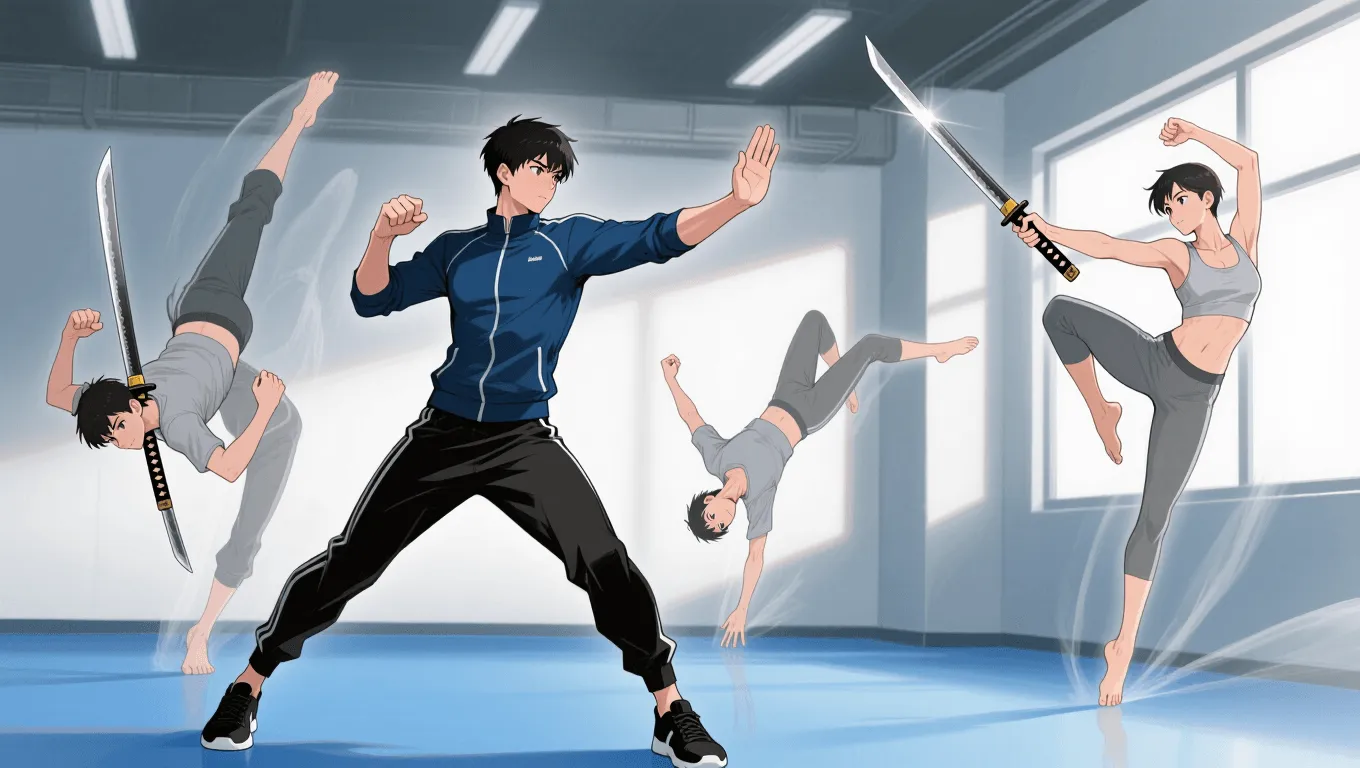
Capabilities include:
- Basic martial arts imitation
- Athletic movement copying
- Simple weapon handling
- Reproducing dance or acrobatic moves
However, copied skills may lack true mastery or power.
Level 2 🌇 — Advanced Combat Adaptation
The user can now combine techniques and apply them effectively under pressure.
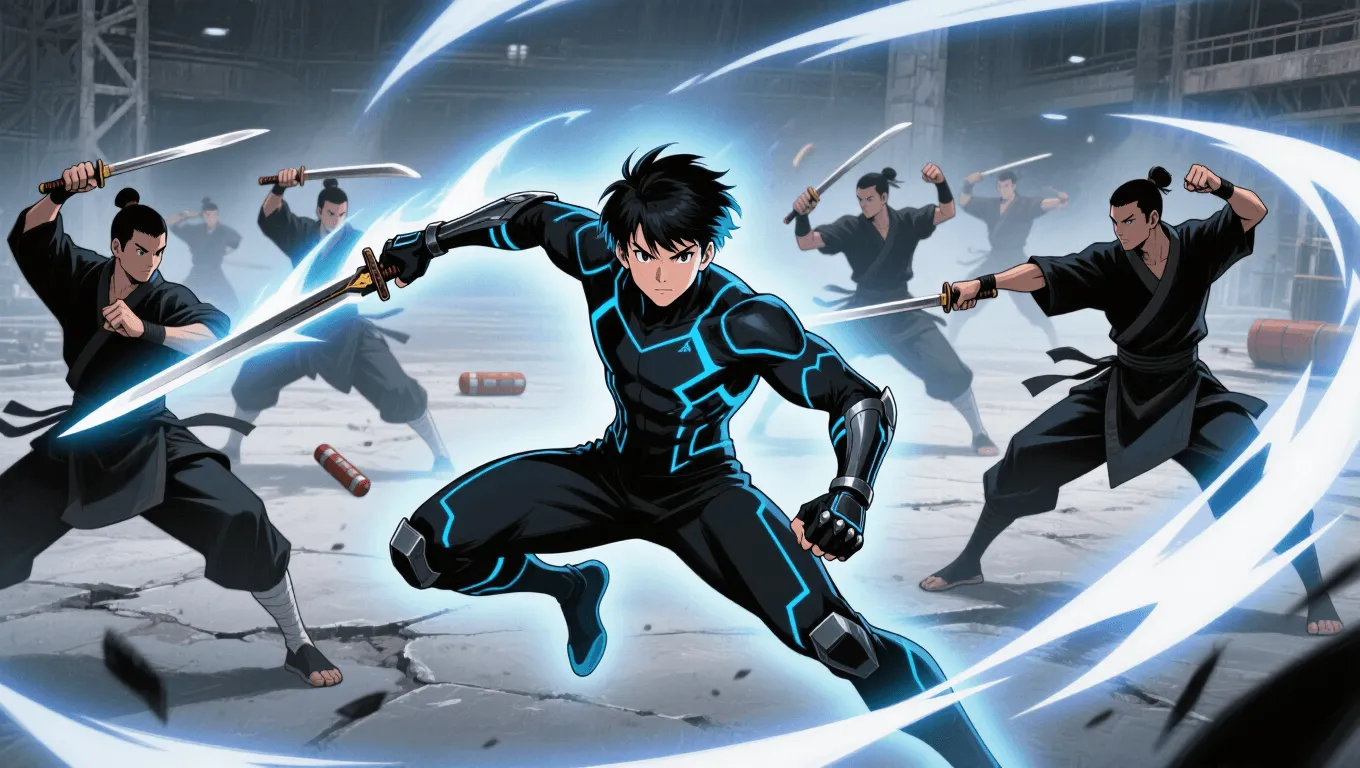
Abilities include:
- Copying elite fighting styles
- Instantly adapting to opponents
- Mimicking advanced weapon skills
- Replicating multiple techniques simultaneously
The user begins surpassing the original practitioners through optimization.
Level 3 🌃 — Perfect Physical Assimilation
At the highest level, the user achieves near-superhuman combat replication.
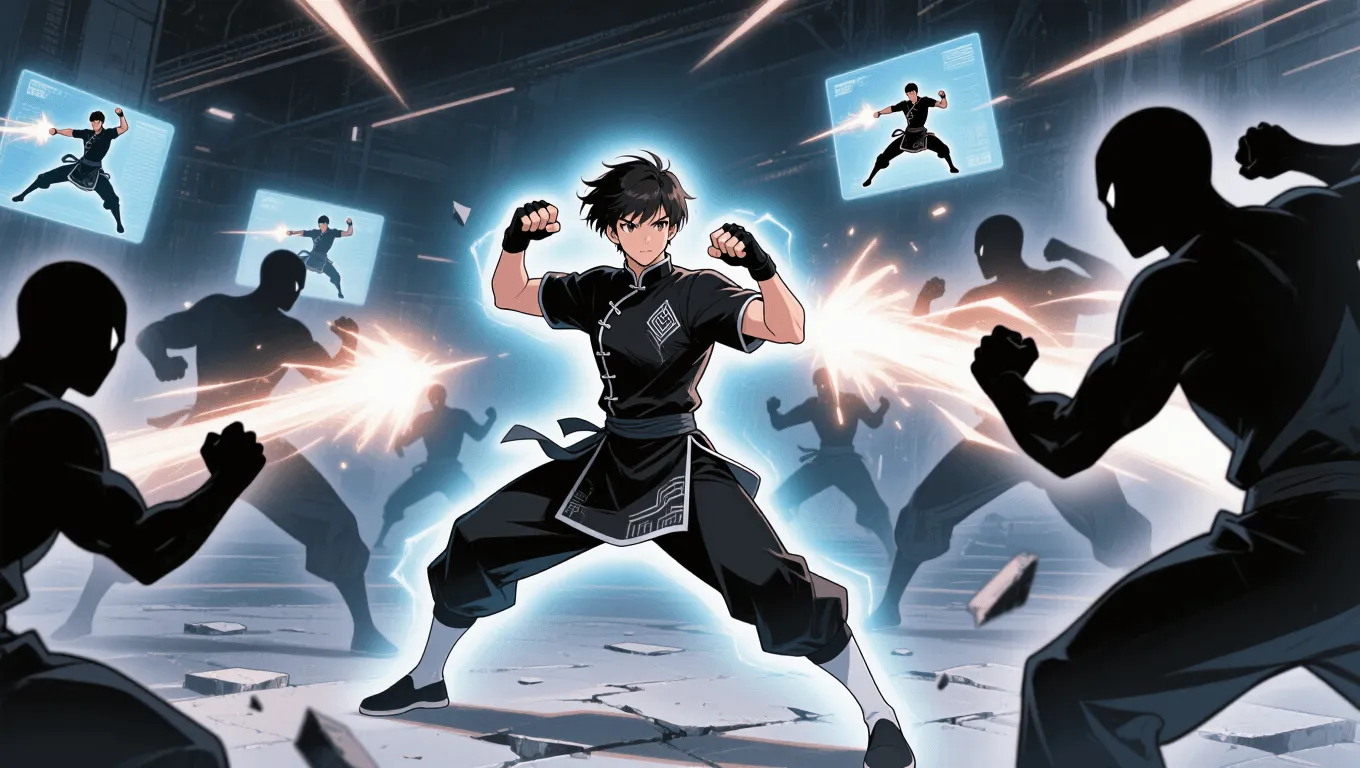
Possible feats include:
- Predicting movements before completion
- Perfectly countering any fighting style
- Combining hundreds of martial arts seamlessly
- Replicating superhuman physical techniques
- Adapting instantly during chaotic battles
Some versions even allow the user to imitate impossible physical feats if their body can withstand the strain.
Limitations of Using the Photographic Reflexes
Requires Observation
The user must see the movement first. Unknown attacks or hidden techniques cannot be copied immediately.
Physical Limitations
Even if the mind understands a move, the body may lack the strength or flexibility to perform it safely.
For example:
- Copying a superhuman leap could injure the legs
- Mimicking advanced acrobatics may strain muscles
Information Overload
Constantly absorbing movements may overwhelm the nervous system or memory processing capabilities.
Lack of Experience
Although techniques can be copied instantly, strategic wisdom and emotional discipline still require experience.
Ineffective Against Randomness
Chaotic or irrational fighting styles can reduce the effectiveness of mimicry because there is no consistent pattern to replicate.
Weakness Against What Other Superpowers
Photographic Reflexes can struggle against several powers.
Reality Warping
Users of reality manipulation abilities can alter physics itself, making copied movements irrelevant.
Telepathy
A psychic opponent may predict or disrupt the user’s thoughts before movements are executed.
Superhuman Speed
Extremely fast opponents may move too quickly for effective observation.
Invisibility
An invisible enemy removes the visual input necessary for mimicry.
Energy Projection
Powers focused on ranged destruction can overwhelm the user before close observation becomes possible.
Probability Manipulation
Unpredictable luck-based abilities make pattern analysis unreliable.
Synergistic Power Combos
Photographic Reflexes becomes far more dangerous when combined with other powers.
Enhanced Agility
Combining mimicry with agility allows flawless execution of copied movements.
Superhuman Strength
Copied martial arts techniques become devastating when backed by immense physical power.
Precognition
Seeing attacks before they occur gives the user more time to analyze and replicate techniques.
Healing Factor
Rapid healing allows the body to endure the strain of difficult copied maneuvers.
Telekinesis
A user could combine copied physical combat with mental force attacks for overwhelming versatility.
Superhuman Intelligence
Strategic genius paired with instant combat mimicry creates an almost unbeatable tactical fighter.
Known Users
One of the most famous users of Photographic Reflexes is Taskmaster from Marvel Comics. Taskmaster can perfectly imitate the fighting styles of heroes such as Captain America, Spider-Man, and Hawkeye after watching them.
Another notable example is Cassandra Cain from DC Comics. Her extraordinary ability to read body language and combat movement allows her to predict and counter attacks with frightening accuracy.
Garou from the anime and manga series One-Punch Man also demonstrates combat adaptation similar to Photographic Reflexes, rapidly learning and evolving against stronger opponents.
Another example is Shang-Chi from Marvel Comics, whose mastery of martial arts and ability to adapt during combat often resembles advanced physical mimicry.