
Power Negation Superpower Guide

Power Negation Video Demo 🎬
Table of Contents
Power Negation is the classic “turn it all off” superpower: the ability to temporarily nullify abilities within a certain vicinity, stripping heroes and villains alike of their tricks and leaving them with only their raw skills. In many stories, this kind of power nullification turns supposedly unbeatable foes into regular combatants, making it one of the most feared support and control abilities in any setting.
What Is Power Negation?
Power Negation is a superpower that temporarily suppresses or cancels the abilities of others within a defined area or range. Unlike power erasure, which permanently removes a power, this ability only dampens or disables powers for as long as the effect is active.
In fiction and tabletop games, this concept is often described with related terms such as power nullification, ability dampening, ability blocking, or anti-magic fields. All variations share the same core idea: when the effect is active, supernatural, mutant, magical, psionic, or other extraordinary abilities simply fail to function, or produce only weak, harmless results.
Some versions target specific types of powers (for example, only magic or only psychic abilities), while others create a generalized “dead zone” where no powers work at all.
Core Abilities of Power Negation
While each setting can customize the details, Power Negation usually includes several common features.
Area-Based Nullification
Most users project an invisible field, aura, or zone around themselves. Any powered individual entering this zone finds their abilities weakened or shut off entirely. This can be:
-
A close-range bubble centered on the user
-
A cone or line-of-sight effect
-
A fixed area in space, like a room or arena
Some characters can “plant” a null zone at a distance, effectively cutting off a particular part of the battlefield from power use.
Triggered vs Passive Suppression
Power Negation may operate in one of two modes:
-
Passive – The nullifying field is always on, meaning anyone who steps into range instantly loses access to their abilities. This makes the user extremely dangerous but can also cause problems for allies.
-
Active/Triggered – The user must concentrate, gesture, speak a command, or expend energy to activate the effect. This offers more control but may leave openings when the user is distracted or exhausted.
Trigger-based versions are easier to balance in RPGs and stories because they give opponents windows of opportunity.
Selective vs Indiscriminate Nullification
Some users can choose who is affected, while others cannot:
-
Indiscriminate negation: Everyone in the field, including allies and the user themselves (if applicable), loses powers. This creates high-risk, high-reward scenarios.
-
Selective negation: The user can “whitelist” certain individuals or types of abilities, preserving their team’s powers while shutting down enemies.
At higher levels, characters may even be able to suppress specific powers in a target’s arsenal—turning off teleportation but leaving basic strength intact, for example.
Interaction With Different Power Types
A versatile Power Negation ability usually interacts with multiple categories:
-
Magical spells or enchantments
-
Mutant or innate gifts
-
Psionic and mental abilities
-
Energy projections and defensive barriers
-
Summoned constructs and minions
Some versions also affect ongoing effects: shields wink out, charms break, illusions vanish, and sustained transformations revert to their original form. Others only prevent new abilities from being activated, leaving existing effects intact until they naturally expire.
Application / Tactical Advantages in Combat
Power Negation is all about battlefield control and leveling the playing field.
Neutralizing “Boss” Characters
In many scenarios, one enemy’s powers define the entire fight—such as a reality manipulator, a telepathic commander, or a long-range energy cannon. A negation user can:
-
Shut down that central threat
-
Force overpowered enemies to rely purely on physical stats and tactics
-
Turn supposedly godlike beings into beatable opponents
This makes the user an invaluable counter-pick in campaigns and storylines where power scaling has gotten out of hand.
Enabling Non-Powered Allies
In a party filled with ordinary soldiers, detectives, or martial artists, Power Negation turns superhuman adversaries into opponents they can realistically defeat. It allows:
-
Elite but non-powered fighters to engage on equal footing
-
Law enforcement or military units to handle powered criminals
-
Balanced duels where strategy matters more than raw supernatural firepower
Crowd Control and Zone Denial
By projecting a null area, the user can control where powered individuals are willing to move. For example:
-
Creating “safe corridors” where teleporters or fliers can’t escape
-
Forcing ranged blasters to close the distance
-
Breaking up formations reliant on buff auras or healing fields
The negation zone becomes an invisible terrain feature that shapes the entire encounter.
Infiltration, Interrogation, and Containment
Outside direct combat, Power Negation supports:
-
Prison cells where inmates cannot use escape abilities
-
Interrogation rooms immune to mind reading, illusion, or truth-compulsion magic
-
Stealth operations where enemy detection abilities stop working inside the null field
It can also protect key locations—vaults, command centers, ritual sites—by making them “no-power zones”.
Level: Level 1 🏙️, Level 2 🌇, Level 3 🌃
To make this ability easier to use in games or stories, Power Negation can be framed in three broad tiers.
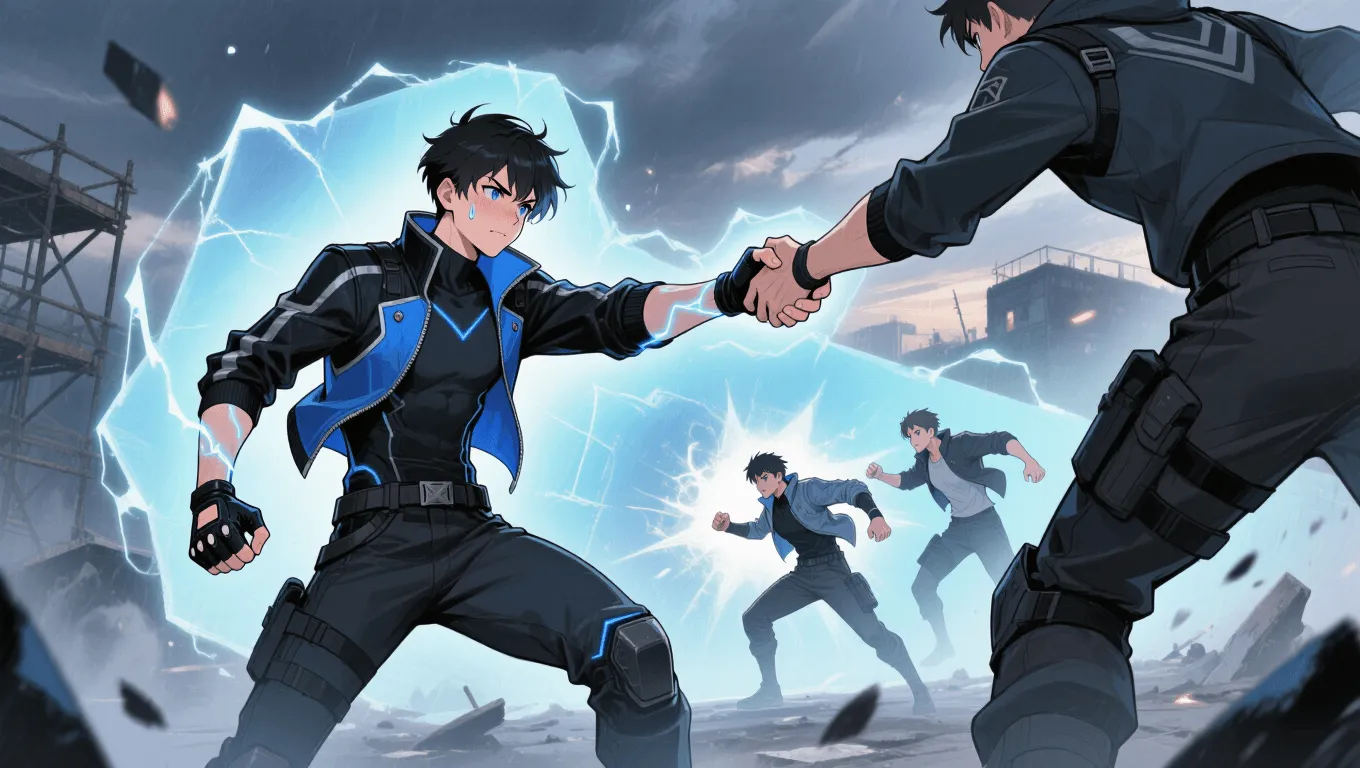
Level 1 🏙️ – Flickering Field
At Level 1, the user’s negation is unstable and demanding.
-
Small radius, typically a few meters
-
Short bursts of suppression lasting a few seconds
-
Requires strong concentration or physical contact
-
Likely indiscriminate; it may affect allies and foes alike
-
Long cooldown or fatigue after each activation
At this stage, the user shines in clutch moments—breaking a single spell, canceling a transformation, or shutting down one key move rather than dominating an entire battle.
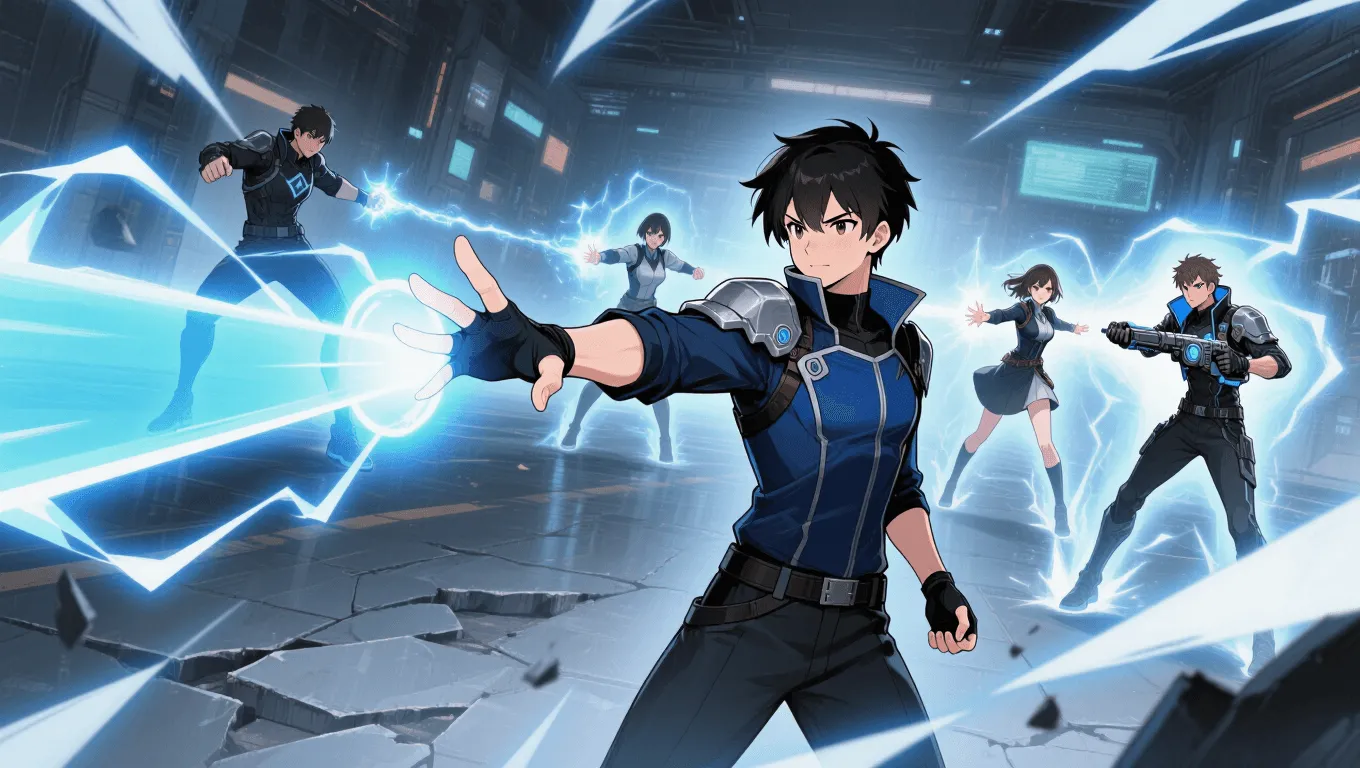
Level 2 🌇 – Controlled Suppression
At Level 2, the ability becomes reliable and tactically flexible.
-
Room-sized radius or wider cone
-
Duration measured in rounds or minutes
-
The user can often target specific individuals or exclude close allies
-
Faster activation and shorter cooldown
-
May allow partial negation of specific power categories (for example, only magic or only psychic abilities)
This is the sweet spot for team-based encounters: the user can selectively strip threats of their powers while coordinating closely with allies.
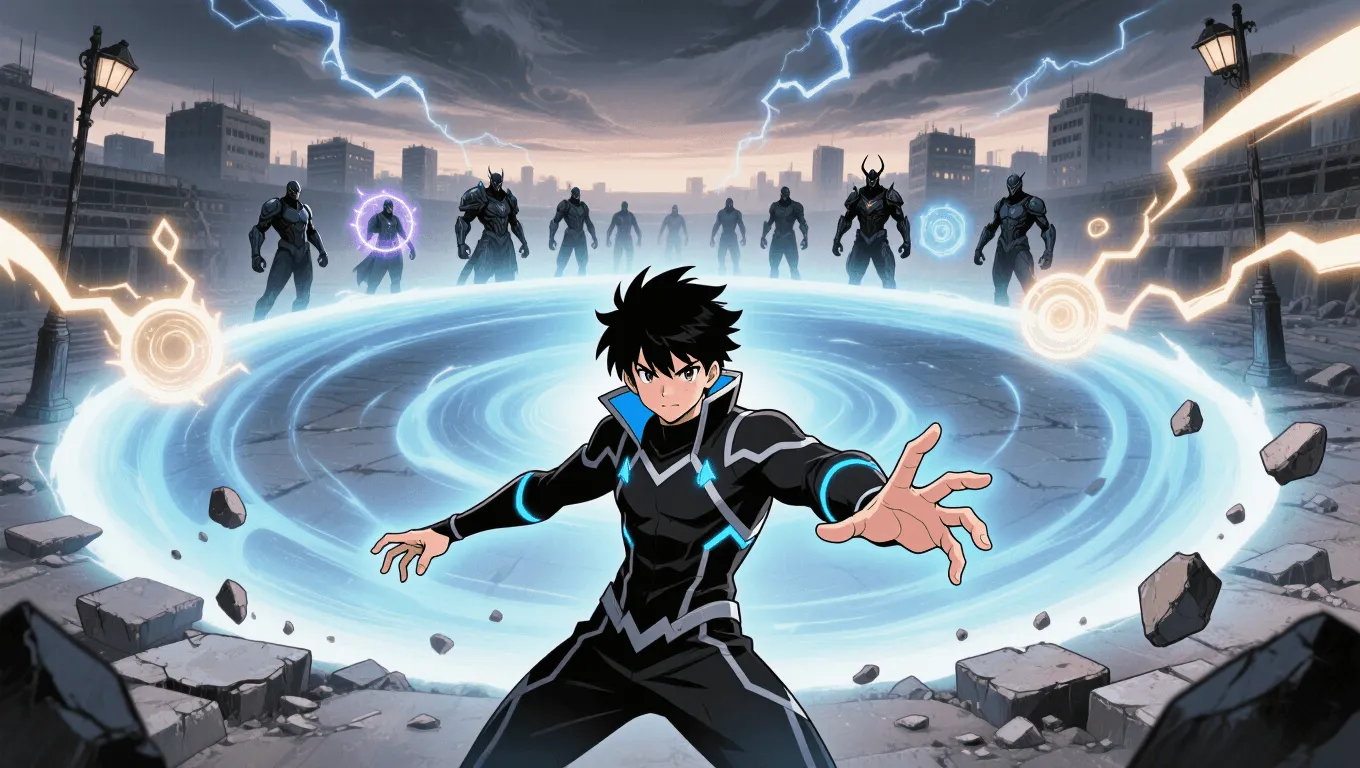
Level 3 🌃 – Zone of Silence
At Level 3, Power Negation becomes a defining force on the battlefield.
-
Large-area null fields covering entire arenas, city blocks, or more
-
Can be sustained for extended periods, but at great physical or mental cost
-
Highly selective, able to filter by individual, power type, or even specific abilities
-
May override most defenses, including magical wards and some reality-warping effects, depending on the setting
This level is usually reserved for major NPCs, endgame characters, or cosmic-scale guardians who police the use of reality-shaking abilities.
Limitations of Using Power Negation
Despite its frightening potential, this superpower has crucial weaknesses that keep it balanced.
-
Temporariness: Once the field drops, powers return to normal. Enemies can bait a premature activation and then strike afterward.
-
Range dependence: If the effect is tied to vicinity, opponents can retreat, snipe from afar, or use long-range artillery and technology.
-
Line-of-sight or awareness: Some versions require the user to see, sense, or actively target the victim. Blindfolding, smoke, or illusions can disrupt this.
-
Strain on the user: Maintaining a null field often causes exhaustion, headaches, nosebleeds, or even physical damage, limiting how often or how long it can be used.
-
Collateral impact: Allies relying on powers may find themselves suddenly depowered, causing friendly fire issues or tactical breakdowns.
-
Tech and training resilience: Purely technological weapons, mundane martial arts, and natural physical conditioning usually remain effective even in a null zone.
Storytellers and game masters can tune these limitations to keep Power Negation challenging to use well.
Weakness Against What Other Superpowers
Power Negation does not automatically win every matchup. Several classes of abilities can counter or bypass it.
-
Reality warping and meta-level powers: High-end reality manipulation can reshape or ignore the rules of the setting, sometimes overwhelming lesser forms of negation or rewriting them entirely.
-
Power immunity and negation resistance: Some beings have abilities that specifically resist interference or bypass all external control, including null fields, making them effectively immune.
-
Extreme long-range or indirect abilities: Snipers, orbital strikes, curses cast from a distance, and delayed traps may trigger completely outside the negation radius.
-
Instant or preloaded powers: Time stops, one-shot reality edits, or pre-cast enchantments can resolve before the negation field is raised, leaving their effects already in place.
-
Purely physical or skill-based opponents: A peak human, cyborg, or monster whose threat comes from training, weapons, or biology may barely be affected.
-
Adaptive or evolving abilities: Some powers quickly adapt to conditions, potentially learning to function even under suppression or finding loopholes in the null rules.
These weaknesses help keep the ability from trivializing every encounter and encourage strategic play.
Synergistic Power Combos
Power Negation becomes especially interesting when combined with other abilities.
-
Power Detection: One character senses which abilities enemies possess and how they operate, while the negation user targets the most dangerous or fragile links first.
-
Power Absorption or Power Augmentation: After turning off a foe’s abilities, another ally might copy, steal, or boost related energies for the team’s benefit.
-
Power Erasure: A terrifying combo in which temporary suppression is used to safely set up permanent removal of a defeated enemy’s abilities.
-
Teleportation or Super Speed: Mobility powers help a team reposition inside or around a null field, isolating targets whose powers are shut off.
-
Force Fields and Barriers: When both sides are depowered, tough physical defenses become critical for protecting the negation user while they maintain the zone.
-
Support and Healing Powers: If the negation field can be tuned to spare allies, support casters can freely heal or buff while enemies are locked out of powers entirely.
For more ideas on how to build synergistic teams or antagonists, creators can explore a full list of abilities in the site’s superpower wiki or roll fresh combinations using the random superpower generator.
Known Users
Across comics, anime, and games, several popular characters showcase different flavors of power nullification:
-
Shota Aizawa (Eraser Head) – A pro hero whose quirk erases other quirks while he maintains eye contact, allowing him to shut down dangerous powers and arrest powered criminals.
-
Asta – Wields anti-magic swords that cut and dispel magical energy, effectively creating localized zones where spells and enchantments fail.
-
Osamu Dazai – His “No Longer Human” ability nullifies any other ability on contact, turning him into a walking power off-switch in close combat.
-
Soldier Boy – In some interpretations of The Boys, his explosive bursts can strip supes of their abilities, drastically altering the balance of power.
These examples demonstrate the variety possible within Power Negation: some versions require touch or line-of-sight, others radiate from the user in waves, and each comes with its own narrative costs and weaknesses. When adapted into an RPG build, OC, or campaign villain, this superpower can be tailored to match the tone and power scale of the setting while still remaining one of the most strategically impactful abilities on the field.