
Power Randomization

Power Randomization Video Demo 🎬
Table of Contents
- Power Randomization Video Demo 🎬
- What Is Power Randomization
- Core abilities of Power Randomization
- Application / Tactical Advantages in Combat
- Level: Level 1 🏙️, Level 2 🌇, Level 3 🌃
- Limitations of using the Power Randomization
- Weakness against what other superpowers
- Synergistic Power Combos
- Known Users
What Is Power Randomization
Power Randomization is a superpower where an individual gains random abilities that change in unpredictable ways over time or in response to certain triggers. The key feature of Power Randomization is that no single power is permanent: a character might wield pyrokinesis in one moment, suddenly switch to telepathy in the next, and then manifest teleportation or stone skin without warning. This makes it a quintessential chaos-based or chance-driven ability.
Unlike fixed powers such as flight or super strength, Power Randomization functions like a living roulette wheel of abilities. The user does not choose what they receive; instead, the power “rolls the dice” and assigns a new capability. Some versions provide one random power at a time, while others allow a rotating set of random superpowers that reconfigure after each battle, each day, or each emotional spike.
In many role-playing games and superhero settings, Power Randomization is a favorite for players or storytellers who enjoy uncertainty, probability manipulation themes, and high-risk, high-reward gameplay. It brings variety, forces creative problem-solving, and prevents combat from becoming routine or predictable.
For those exploring related abilities, it often appears alongside power manipulation powers like Power Absorption, Power Bestowal, and other meta-powers catalogued on a broader superpower wiki.
Core abilities of Power Randomization
While the exact mechanics can vary by universe or game system, most versions of Power Randomization share several core traits.
1. Unpredictable Power Acquisition
The user gains abilities from a large, often hidden pool of potential powers. This pool can include classics like:
-
Elemental control (fire, water, air, earth)
-
Energy projection (lasers, force blasts, radiation)
-
Mental abilities (telepathy, illusions, empathy)
-
Physical boosts (super speed, super strength, durability)
-
Exotic powers (time dilation, gravity manipulation, probability warping)
The randomness can be triggered by time intervals (e.g., every hour), events (taking damage, landing a hit), or conditions (emotional spikes, being near certain artifacts).
2. Rotating or Cycling Powers
Powers rarely stay the same for long. Some common variants:
-
Single-slot randomization: The user always has one active power that changes periodically.
-
Multi-slot randomization: The user holds a small “loadout” of 2–4 random powers at once that refresh after a fight or a long rest.
-
Event-triggered reroll: Each major event in combat (critically hit, dropped to low health, finishing a foe) forces a reroll of one or more powers.
This creates a constantly shifting tactical landscape where both allies and enemies struggle to predict what the user can do next.
3. Hidden or Known Results
In some interpretations, the user knows exactly what new power they gained as soon as it appears. In others, they must discover their temporary power through trial and error. This can lead to tense and sometimes comedic moments where the user tests whether they can fly, phase through walls, or unleash energy blasts—sometimes in the middle of a crisis.
4. Chaotic Synergy With Probability and Chaos Magic
Because it is inherently about chance, Power Randomization often thematically connects to:
-
Probability manipulation
-
Chaos magic
-
Wild magic or unstable spellcasting
-
Fate and luck-based abilities
Characters with these themes might enhance, stabilize, or further destabilize the randomization process.
Application / Tactical Advantages in Combat
Although Power Randomization appears unreliable at first glance, it comes with several strong tactical advantages.
1. Extreme Unpredictability
Enemies cannot prepare counters in advance because they never know what the user will wield next. Defensive strategies built around a known element—like specific resistances or anti-telepath armor—may suddenly fail when the user switches to an entirely different power type.
This unpredictability can:
-
Force opponents into reactive, defensive play
-
Disrupt carefully planned enemy strategies
-
Make scouting reports and prior encounters less useful
2. Built-In Versatility
Over the course of a battle or campaign, Power Randomization can provide:
-
Ranged offense
-
Melee enhancements
-
Crowd control
-
Stealth or mobility
-
Support or healing abilities
The user might not always get what they want, but they often have something that can matter in a fight. In a team, this can occasionally fill gaps when a specialist is missing or incapacitated.
3. Surprise Win Conditions
Sometimes, the random power generated is the perfect counter to the current threat: a rare immunity, an obscure ward, or a unique form of battlefield control. A foe invulnerable to physical attacks might suddenly become easy prey when the user gains a soul-based or reality-bending attack for one crucial turn.
4. Psychological Warfare
Knowledge that the wielder of Power Randomization is essentially a walking wild card can unsettle enemies. They may overreact to each new manifestation, misjudge threat levels, or hesitate to fully commit to a plan. This psychological edge can be as valuable as raw damage output.
For those who enjoy rolling the dice with their character builds, many creators pair Power Randomization with tools like a random superpower generator to decide which abilities appear in-game or in a story.
Level: Level 1 🏙️, Level 2 🌇, Level 3 🌃
Level 1 🏙️ – Street-Level Chance
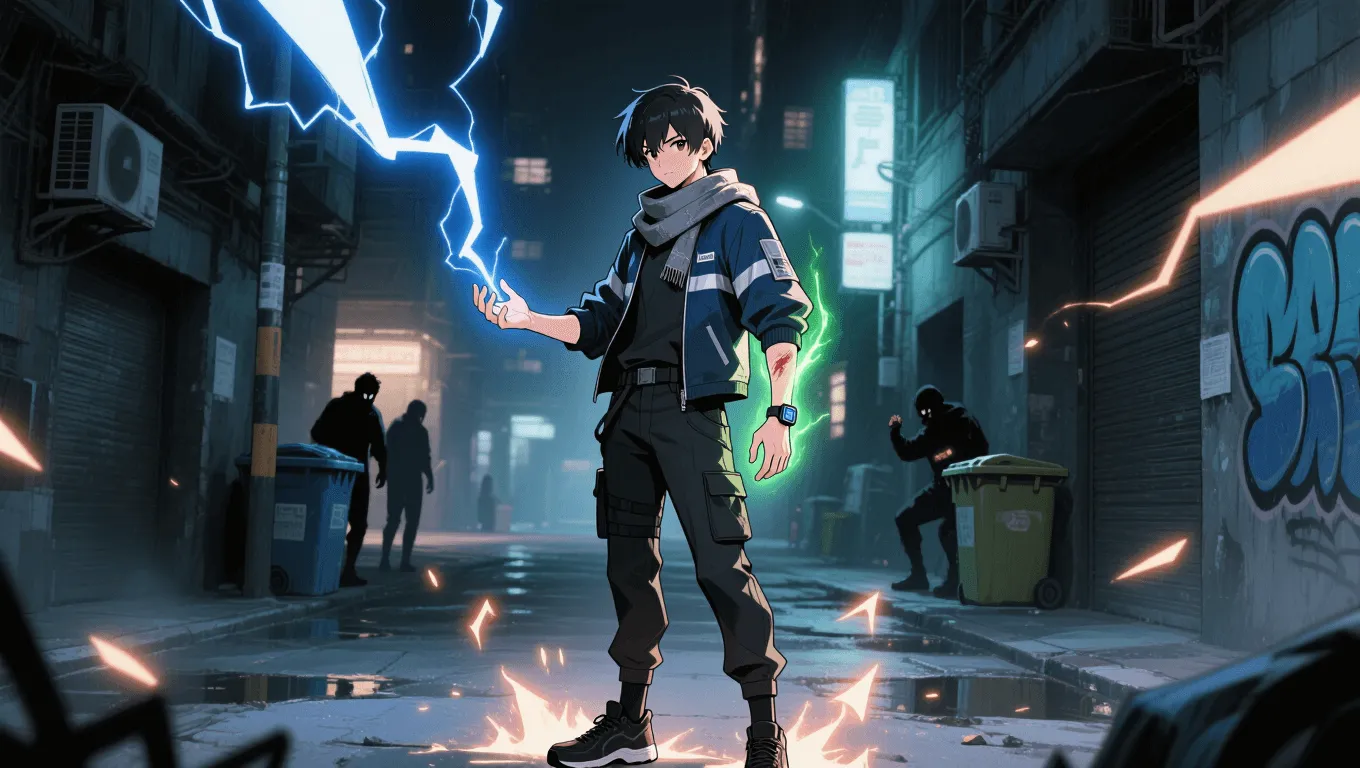
At Level 1, Power Randomization is limited and relatively low-impact:
-
Small pool of modest abilities (minor elemental blasts, slight speed boosts, light healing).
-
Powers change infrequently, such as once per day or once per major encounter.
-
Randomization favors balanced, non-world-breaking effects.
At this tier, the user is an unpredictable street-level hero or villain. They cannot rewrite reality, but they can swing small skirmishes with unexpected powers. Reliable allies and basic training remain more important than raw chaotic potential.
Level 2 🌇 – Unstable Versatility
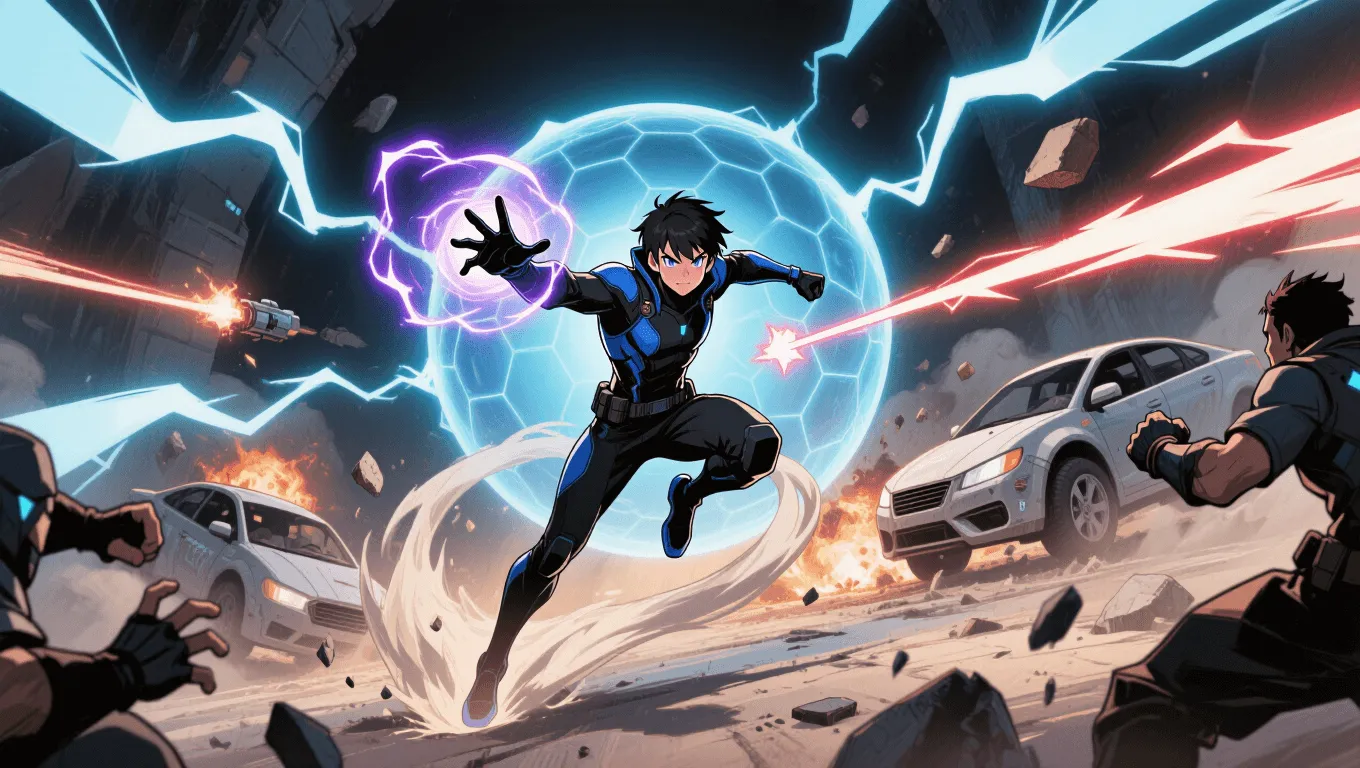
At Level 2, the power expands in scope and volatility:
-
Larger pool of powers, including battlefield-level effects (area-of-effect attacks, solid defensive barriers, temporary flight).
-
Powers might change several times per battle, often triggered by stress, injuries, or deliberate activation.
-
Some rare powers may offer brief but potent spikes in strength, such as short-range teleportation or strong telekinesis.
Here, the user becomes a true wildcard on the field, capable of swinging entire engagements if the right power manifests at the right moment. They must learn rapid tactical adaptation, reading each new ability and pivoting strategy accordingly.
Level 3 🌃 – Cosmic Roulette
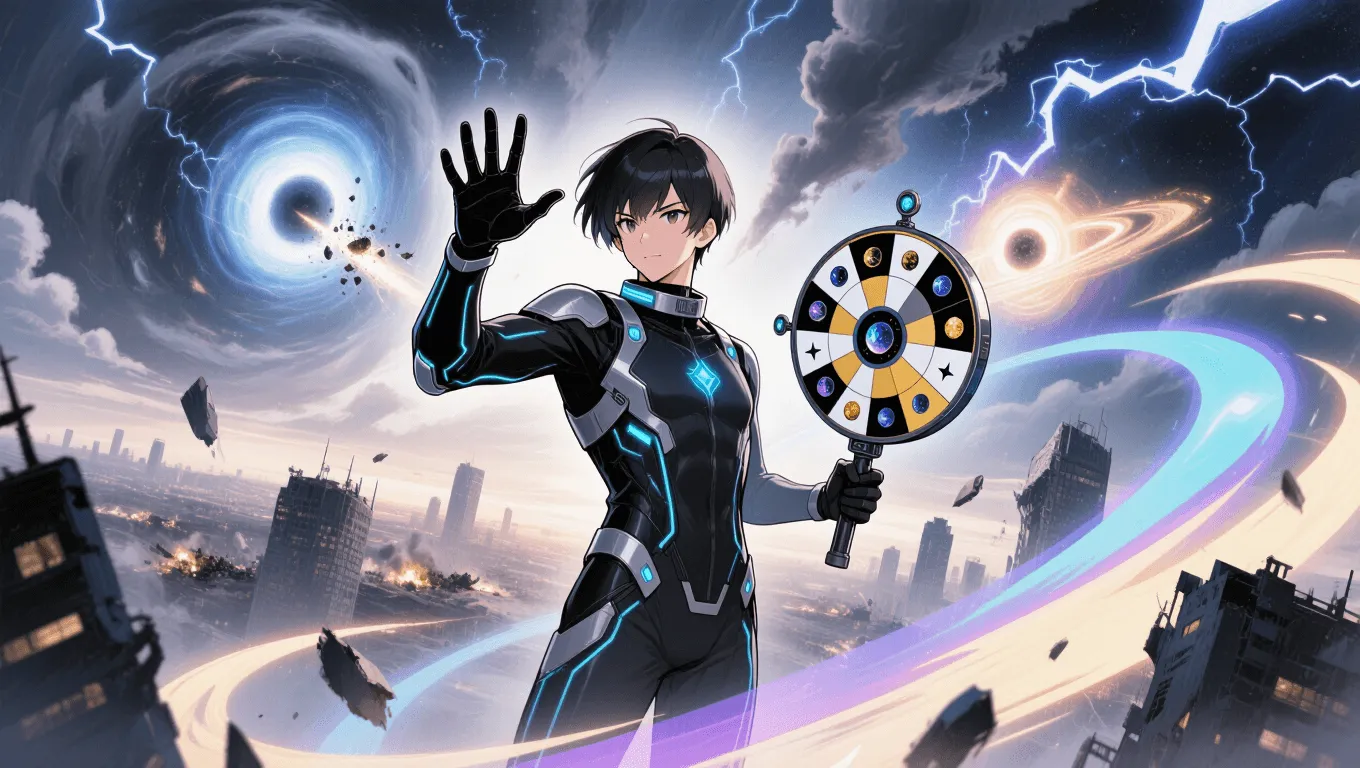
At Level 3, Power Randomization becomes a cosmic-scale roulette:
-
The pool includes high-end, reality-altering and cosmic powers: temporal distortions, gravity wells, dimensional rifts, large-scale weather control.
-
Powers can shift rapidly, even multiple times in a single minute, requiring intense focus and tactical genius.
-
The user might briefly reach near-godlike levels, only to drop back down to something far more modest when the randomization rolls again.
At this stage, the user can influence entire cities or battlefronts with a single lucky manifestation. However, the risk and collateral damage potential rise equally. Careless use could destabilize environments, timelines, or even entire dimensions if safeguards are not in place.
Limitations of using the Power Randomization
Despite its power, Power Randomization has several significant drawbacks.
-
Lack of Reliability
The user can never fully rely on a specific ability being available. If a battle desperately needs healing or shield generation and the randomization never grants it, the entire team may suffer. -
Steep Learning Curve
To maximize the superpower, the user must rapidly analyze each new ability and apply it creatively. This demands high intelligence, quick thinking, and a broad understanding of combat tactics and support roles. -
Short Duration of Powers
Many random powers have limited duration or uses. A user may get a powerful ability, but only for a handful of actions or a brief window; if misused or wasted, the opportunity is gone. -
Potential for Misalignment
The power might generate abilities that are poorly suited to the environment—for example, flame-based attacks in a volatile fuel depot, or powers that harm allies in close quarters. The wrong power at the wrong time can be dangerous. -
Dependence on System Rules
In game settings, Power Randomization relies heavily on how the rules define its pool and triggers. Poorly designed or overly small pools can make the power feel weak; overly broad pools can break balance.
Weakness against what other superpowers
Power Randomization, for all its chaos, can be exploited by certain types of abilities and strategies.
-
Power Negation and Suppression
Any superpower that nullifies, dampens, or locks down abilities—such as power negation fields or anti-magic zones—can completely shut down Power Randomization. If the user cannot access their roulette of abilities, they are often left with only baseline physical skills. -
Predictive Powers (Precognition, Foresight)
Characters with foresight or combat precognition can partially mitigate its unpredictability. If they can see the user’s next random ability before it manifests, they can prepare counters or avoid dangerous situations. -
Power Erasure and Permanence-Based Counters
Abilities that permanently strip powers or overwrite a user’s abilities might lock the randomization engine itself. Once removed or overwritten, the user becomes powerless or stuck with a single replacement ability. -
High-Resilience, All-Round Defenses
Enemies with broad-spectrum defenses—such as near-invulnerability, reality anchors, or adaptive shielding—can endure fluctuating attacks until the randomization rolls something harmless or self-defeating. -
Control and Restraint
If the user is immobilized, restrained, or otherwise prevented from acting, new powers offer little advantage. A random energy blast is useless if the user cannot aim or move.
Synergistic Power Combos
Power Randomization becomes especially interesting when combined with other superpowers.
-
Probability Manipulation or Luck Enhancement
A character who can influence chance can subtly “tilt” the randomization rolls toward favorable outcomes. While it may still be unpredictable, the odds of receiving powerful, relevant abilities improve dramatically. -
Power Copying or Power Storage
A companion ability that copies or stores powers can capture especially strong manifestations from the randomization pool and keep them for later. This turns fleeting luck into a semi-permanent arsenal. -
Power Detection and Analysis
A detection ability that instantly identifies new powers—range, type, limitations—helps the user adapt faster. Rather than experimenting mid-fight, they immediately know what they can do and how best to use it. -
Tactical Support Abilities
Teleportation, barriers, or time-slowing fields from allies can give the user safe moments to figure out their new powers and plan an optimal strategy without being overwhelmed. -
Emotion or State-Based Triggers
If Power Randomization is tied to emotional states, pairing it with emotional regulation or rage amplification powers can control the timing and frequency of rerolls to some extent, making the chaos slightly more manageable.
Known Users
Because Power Randomization is a conceptual power, many fictional characters resemble aspects of it without matching it perfectly. Some examples and inspirations include:
-
Original RPG characters who rely on wild magic surges or spell mishaps.
-
Tabletop heroes whose abilities are chosen by rolling on random power tables each session.
-
Experimental supers in comics who undergo unstable power experiments, manifesting new abilities every issue.
A well-known thematic cousin is Scarlet Witch, whose chaos magic, probability alteration, and reality-warping effects often mimic the feel of powers changing in unexpected ways. Although her abilities are not strictly Power Randomization, they capture the same sense of volatile, fate-defying energy.
In many settings, Power Randomization is reserved for characters meant to embody unpredictability, chaos, or destiny itself—be they wild card heroes, unstable experiments, or avatars of chance reshaping the battlefield with every roll of the cosmic dice.