
Power Replication: Copying Abilities for Ultimate Versatility
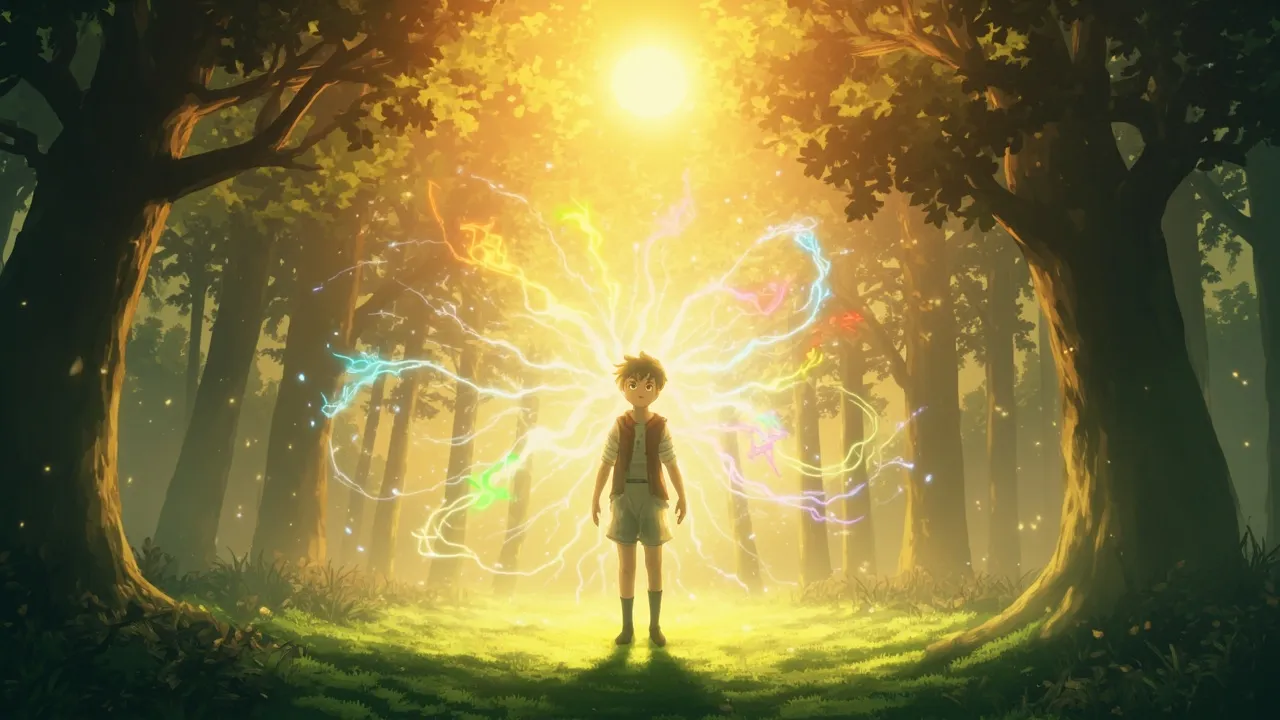
Power Replication Video Demo 🎬
Table of Contents
Power Replication is a superpower that allows a character to copy others’ abilities and use them as their own. Instead of being limited to one fixed gift, a power replicator can mimic, absorb, or duplicate the powers of nearby superhumans. This makes Power Replication one of the most flexible and dangerous abilities in any superhero or fantasy setting.
From a game or story design point of view, Power Replication sits near the top of the “versatility scale.” It overlaps with related concepts such as power mimicry, ability duplication, power absorption, and talent copying. Whether it works by touch, sight, or proximity, this power can completely change the balance of a battle.
What Is Power Replication?
Power Replication is the ability to copy another being’s powers, skills, or supernatural traits and temporarily (or permanently) add them to one’s own arsenal.
At its simplest, the user encounters someone with a special ability—flight, telekinesis, super speed, elemental control—and then gains a version of that same ability. Depending on the rules of the setting, the copied power may:
-
Last for a set time limit
-
Persist as long as the original user is nearby
-
Become permanently stored in the replicator’s “power library”
Common variations of Power Replication include:
-
Power mimicry: Mirroring what another person does, often in real time
-
Power absorption: Stealing or draining the power from the target, sometimes leaving them weakened
-
Power duplication: Creating a copy of the ability while the original user keeps theirs
-
Skill and talent replication: Copying learned skills (martial arts, swordsmanship, genius-level intellect) as easily as copying superhuman powers
In many universes, Power Replication is treated as a rare and feared ability because it lets one person become a one-person army. For builders and game masters, it pairs well with a large list of superpowers, since the replicator’s potential grows with every new ability that exists in the world.
Core Abilities of Power Replication
While the exact mechanics vary by story, most versions of Power Replication share several core traits.
Method of Copying
How the user gains the power strongly shapes their tactics and personality.
-
Contact-based replication:
-
Requires physical touch (skin-to-skin, a handshake, a strike).
-
Encourages close-quarters combat and ambush tactics.
-
Risky against dangerous targets (e.g., someone who burns on contact or has poisonous skin).
-
-
Sight-based or proximity replication:
-
Powers are copied by seeing the target or simply being near them.
-
Extremely strong in crowded battles where many powers are active.
-
Often comes with restrictions (limited range, line of sight, or reduced power level).
-
-
Item or mark-based replication:
-
The user channels power through artifacts, marks, or sigils.
-
Can store abilities in objects, lending them to allies.
-
Works well in magic systems or RPG settings with enchanted gear.
-
Duration and Storage
Next, the system needs to define how long copied abilities last and how many can be held.
-
Temporary mimicry:
-
Powers fade after a short duration (seconds, minutes, or hours).
-
Encourages hit-and-run tactics and careful timing.
-
-
Conditional duration:
-
Powers only last while the original source is alive, conscious, or nearby.
-
Creates drama if the ally with the original ability is taken out.
-
-
Permanent or stored abilities:
-
Each copied power can be locked into the user’s “power set.”
-
The user may have a maximum capacity (e.g., five powers at a time).
-
Sometimes, old powers must be deleted or overwritten to gain new ones.
-
Power Fidelity
No two versions of Power Replication are identical in strength. Fidelity decides how perfect the copy is.
-
Full replication:
-
The user gains the copied power at equal strength to the original.
-
Extremely strong and often balanced with harsh drawbacks.
-
-
Partial replication:
-
The user gains a weaker version (slower speed, weaker blasts, shorter range).
-
More balanced in games or team-based stories.
-
-
Adapted replication:
-
The borrowed ability changes slightly to fit the user’s body, style, or theme.
-
Example: copying flame powers results in blue fire instead of red, or a telepath gets a more empathy-focused version.
-
Application / Tactical Advantages in Combat
Power Replication is a strategist’s dream. Even if the user begins a fight without a direct advantage, they can adapt rapidly as new abilities appear.
Extreme Versatility
A power replicator can:
-
Copy defensive abilities (force fields, invulnerability) for protection
-
Borrow mobility powers (flight, teleportation, super speed) to control distance
-
Replicate offensive powers (energy blasts, elemental control, gravity manipulation) to strike back
This makes them unpredictable. Enemies can’t easily plan for someone who may switch from hand-to-hand combat to teleportation and then to telekinesis within the same battle.
Turning Enemy Strength into a Weakness
Because Power Replication uses the opponent’s own abilities, every powerful enemy becomes a potential resource.
-
Facing a fire elemental? Gain flame control and use it more cleverly.
-
Fighting a speedster? Copy their speed to counter or outmaneuver them.
-
Surrounded by a mixed team of powered enemies? Build a custom power combo on the fly.
In story terms, this creates great drama: the stronger the foe, the greater the potential reward for the replicator.
On-the-Fly Adaptation
Power replicators excel at:
-
Counter-picking abilities mid-fight
-
Shifting roles between damage dealer, support, or tank
-
Using newly copied powers in creative combinations others have never tried
In an RPG, this makes Power Replication ideal for players who enjoy improvisation and tactical creativity. It also pairs perfectly with systems that randomly generate abilities—like using a random superpower generator—since the character can respond to whatever the game throws at them.
Level: Level 1 🏙️, Level 2 🌇, Level 3 🌃
To help define progression, Power Replication can be broken into three broad levels.
Level 1 🏙️ – Basic Mimic
At Level 1, the character is just learning to control their copying ability.

-
Requires physical touch to replicate a power
-
Only one ability can be held at a time
-
Duration is short (minutes) or tied to concentration
-
Copies are weaker than the original
-
User often struggles with control or side effects
A Level 1 user is powerful but fragile. They must pick targets carefully and often rely on teammates to get them close enough to copy a useful ability.
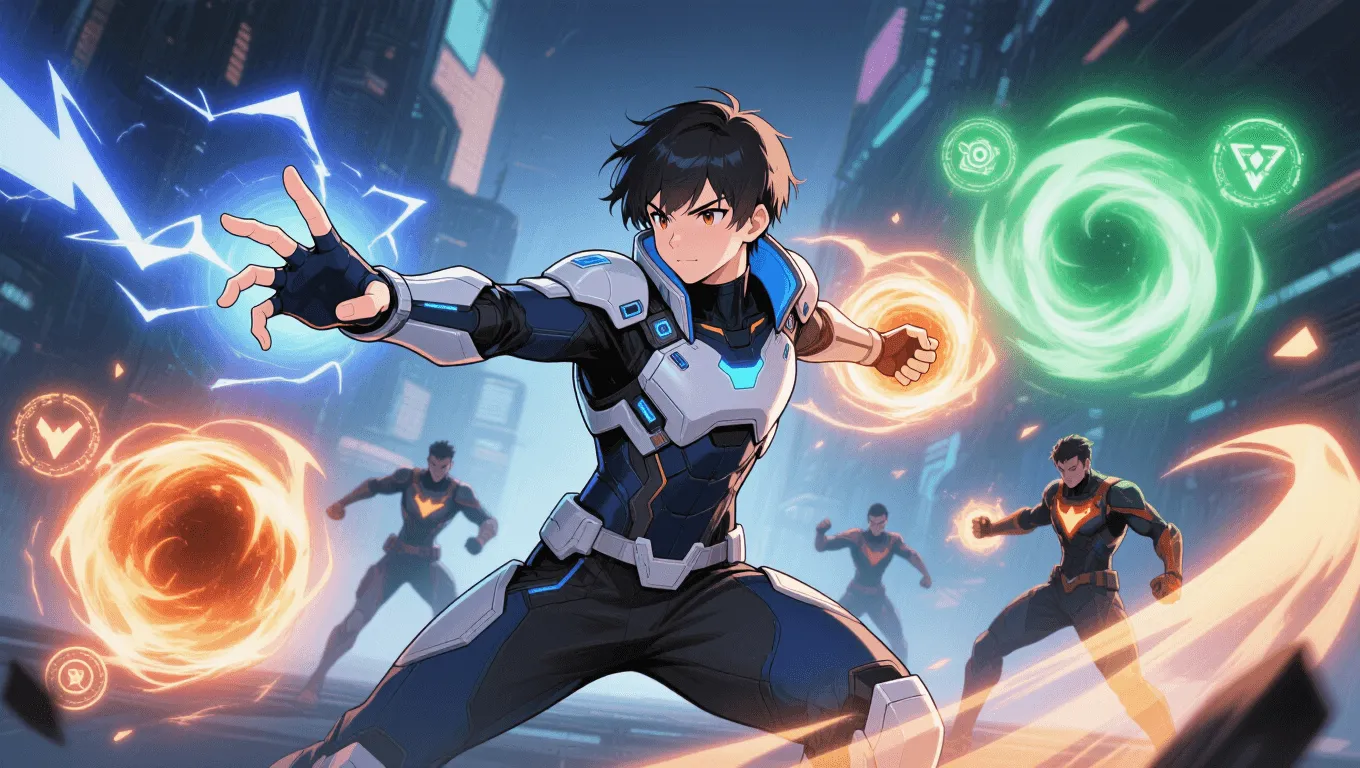
Level 2 🌇 – Adaptive Copycat
At Level 2, the user has trained their Power Replication into a formidable combat tool.
-
Can copy powers at range (sight or proximity)
-
Can store multiple abilities (e.g., 3–5 at once)
-
Duration is long, sometimes semi-permanent until replaced
-
Copied powers approach or match original strength
-
User can switch between stored powers consciously
This is the “heroic prime” of Power Replication. The character can enter fights with a pre-loaded arsenal, then top up with new borrowed abilities mid-battle. They become highly adaptable and often central to team strategies.
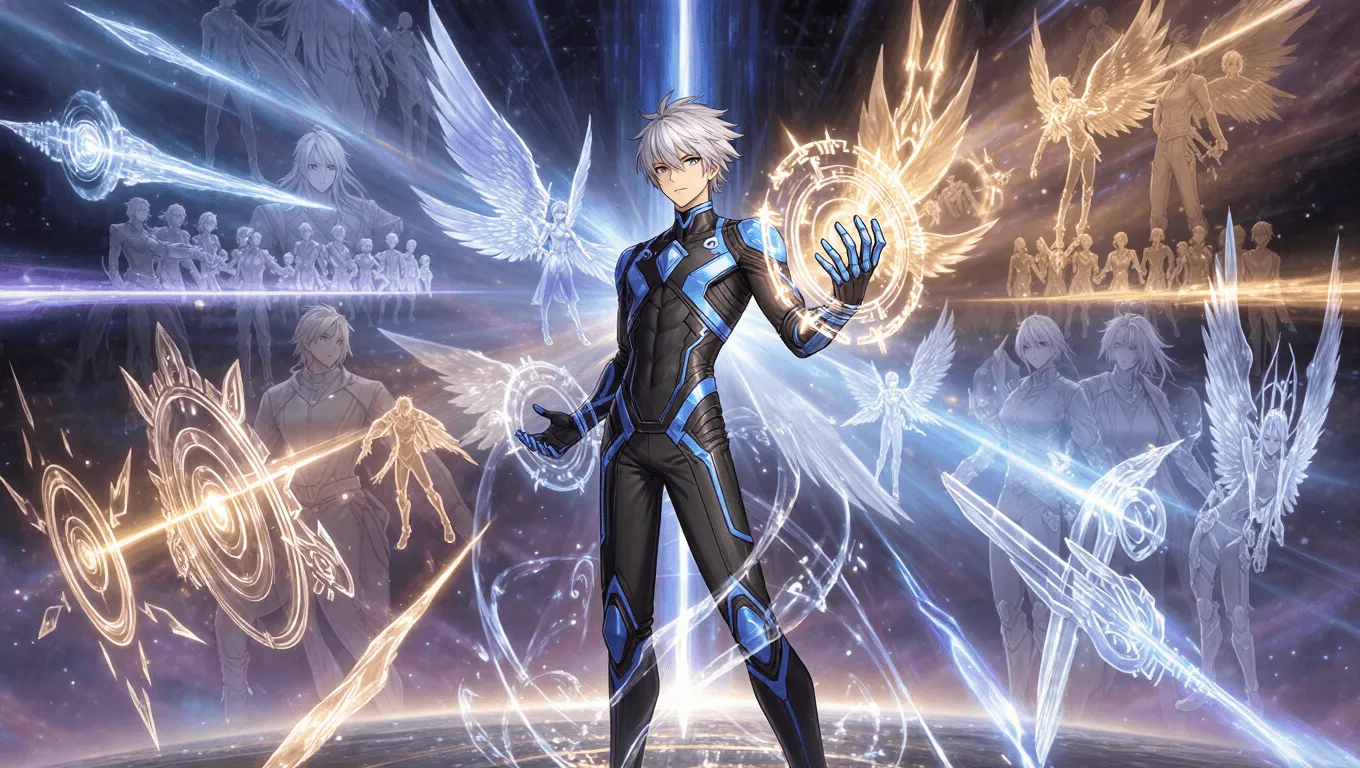
Level 3 🌃 – Living Archive of Powers
At Level 3, Power Replication reaches its peak, bordering on cosmic.
-
Can permanently store a large or unlimited number of abilities
-
Copies multiple powers at once from everyone nearby
-
May refine or upgrade copied powers, making them more efficient or less risky
-
Can combine different powers in advanced ways (fusion attacks, layered defenses)
-
Might copy not just powers, but forms, resistances, and even certain memories or skills
A Level 3 user is an entire super-team in one body. To keep stories interesting, such characters often face severe limitations, moral dilemmas, or powerful counters to stop them from becoming unstoppable.
Limitations of Using Power Replication
Even the most flexible ability needs limits to remain interesting and balanced. Common drawbacks include:
-
Overload and strain:
Too many copied powers at once can cause mental fatigue, physical pain, or loss of control. -
Identity crisis:
Constantly using other people’s powers can blur the user’s sense of self. They may struggle with who they are without borrowed abilities. -
Compatibility issues:
Some powers may not mix well with the user’s body or psyche, causing side effects such as mood swings, injuries, or mutations. -
Restricted access:
The user must actually encounter powered individuals to expand their arsenal. In a world with few superhumans, Power Replication is limited by scarcity. -
Learning curve:
Just because the power is copied doesn’t mean it’s mastered. A replicator might have basic-level control over a technique that the original user has trained for years. -
Ethical concerns:
Copying or stealing powers without consent can create moral conflict, legal issues, and deep resentment from allies and enemies alike.
Weakness Against What Other Superpowers
Power Replication is strong, but not invincible. Certain superpowers can counter or bypass it.
-
Power Negation / Nullification:
Abilities that shut down superpowers will instantly strip the replicator of their arsenal. Even a fully loaded Level 3 user becomes ordinary if nullified. -
Unique or Uncopyable Powers:
Some abilities are “locked” to the user—divine gifts, cursed powers, or cosmic mantles that simply can’t be duplicated. These villains or heroes become natural counters. -
Illusions and Deception:
If the replicator copies what they believe is a real power, illusions or false auras can mislead them into wasting time or mimicking something useless. -
Adaptation or Immunity Powers:
Characters whose bodies automatically adapt or become immune to threats can evolve to resist both their own power being taken and the effects of copied abilities. -
Mental and Emotional Manipulation:
Mind control, fear manipulation, or memory alteration can sabotage a replicator’s ability to use their vast arsenal effectively. It doesn’t matter how many powers they have if someone else is steering the wheel.
Synergistic Power Combos
Because Power Replication collects abilities, it shines brightest when combined with powers that boost its efficiency or safety.
Some strong combos include:
-
Power Replication + Power Analysis
-
The user can instantly understand how new powers work, their limits, and how to exploit them.
-
Reduces accidents and speeds up combat adaptation.
-
-
Power Replication + Enhanced Intelligence or Strategic Foresight
-
A genius-level mind can think up creative combinations and counters far faster than normal.
-
Perfect for “tactician” archetypes who coordinate the whole battlefield.
-
-
Power Replication + Energy Storage or Battery Powers
-
Copied abilities that consume a lot of energy can be sustained longer if the user can store extra power.
-
Helps manage resource-heavy powers like reality bending or large-scale elemental attacks.
-
-
Power Replication + Regeneration or Healing Factor
-
Protects the user from harmful side effects of incompatible abilities.
-
Allows experimentation with risky powers without permanent damage.
-
-
Power Replication + Shapeshifting
-
Lets the user adapt their body to match physical powers they copy (gills for water powers, wings for flight, reinforced muscles for strength).
-
Makes nearly any copied ability more efficient.
-
Known Users
Many iconic characters in comics, anime, and television embody some version of Power Replication or power mimicry. A few notable examples include:
-
A southern mutant who absorbs memories, powers, and life force through touch, often portrayed as a tragic figure struggling with intimacy and identity. (Example: Rogue from the X-Men)
-
A nurse-turned-hero whose empathetic copying lets him permanently retain powers from others, building an enormous catalog of abilities over time.
-
A mercenary who can replicate opponents’ fighting styles and techniques after seeing them once, turning any battle into a display of perfect mimicry.
-
Protagonists in certain anime who inherit or copy multiple abilities, gradually evolving into “living arsenals” of quirks or powers.
These characters show how Power Replication can be used not just as a combat gimmick, but as a powerful storytelling tool for exploring themes like identity, dependence on others, and the burden of holding many lives and powers within one person.
In any setting with a rich variety of abilities—especially one supported by a broad superpower list or a random superpower generator—Power Replication stands out as one of the most dynamic and story-rich powers a character can have.