
Powers Via Object

Powers Via Object Video Demo 🎬
Table of Contents
What Is Powers Via Object?
Powers Via Object is a superpower where an individual gains abilities by coming into contact with specific items, artifacts, or weapons. Instead of being born with innate skills or receiving permanent mutations, the character’s strength, speed, magic, or other abilities are activated through objects. These may be enchanted relics, alien technology, cursed items, or even everyday tools that have absorbed unusual energy.
In many fantasy and superhero stories, this kind of object-based power turns the character into a living arsenal. Their capabilities depend not just on natural talent, but on the gear they find, forge, or inherit. Within a wider universe of powers, such as those cataloged in a superpower wiki, Powers Via Object stands out as a flexible, highly narrative form of ability.
Core Abilities of Powers Via Object
Because Powers Via Object is a framework rather than a single fixed effect, the core abilities can vary widely. However, most users share several common traits.
Power Acquisition Through Contact
The main feature of this superpower is gaining abilities through physical contact with an object. That contact might involve:
-
Wearing the object (ring, amulet, armor, crown)
-
Holding or wielding it (sword, staff, hammer, gauntlet)
-
Being in close proximity to it (relics that radiate an aura)
Once contact is established, the object transfers or unlocks a specific set of powers. These might include super strength, elemental manipulation, force fields, energy blasts, or flight. In some cases, different objects grant different “profiles” of power, allowing the user to switch roles like a tactical toolkit.
Variety of Manifested Abilities
Powers Via Object is incredibly diverse. A single character might possess:
-
Artifact-based elemental powers (a fire sword, ice shield, storm gauntlets)
-
Tech-based powers from advanced gadgets (energy cannons, exoskeletons)
-
Mystical abilities tied to enchanted relics (healing chalices, cursed masks)
This variety allows for multiple builds of the same character. One story arc might focus on magic weapons, another on alien technology, and a third on ancient relics dug up from forgotten ruins.
Duration and Residual Effects
Some users maintain the power only while touching the object. Once it is removed, the abilities vanish instantly. Others retain residual effects for a short time after separation, such as a fading glow, temporary boosted stamina, or echo abilities that slowly weaken.
Rarely, prolonged use causes semi-permanent changes. The character might develop a faint version of the object’s power even without it, or become physically altered by long exposure. This adds an evolving quality to Powers Via Object that fits well in ongoing campaigns or storylines.
Bond Between User and Object
Certain objects form a bond with a specific user. They may:
-
Respond only to that person’s touch
-
Grow in power as the user levels up
-
Communicate via telepathy or visions
-
Return to the user when lost or stolen
This bond turns a simple tool into a partner or even a character in its own right. It also explains why others cannot easily copy the same set of abilities by stealing the object.
Application / Tactical Advantages in Combat
In combat, Powers Via Object provides several tactical advantages that make the user unpredictable and difficult to counter.
Role Flexibility
Because different objects grant different abilities, the character can switch roles quickly:
-
Defensive tank with a shield relic or enchanted armor
-
Ranged attacker with a bow of light, energy ring, or staff
-
Support specialist with healing artifacts and barrier talismans
In team-based scenarios, this flexibility lets the user fill gaps in strategy or adapt to changing threats.
Environmental Exploitation
Many object-based powers interact with the environment. A relic might draw power from nearby elements (stone, water, fire), while a technological object may interface with machines and systems. Clever users turn the battlefield into an asset, transforming terrain, hijacking tech, or powering up in specific locations.
Surprise Factor and Counters
An opponent who has studied one object may not expect the user to pull out another with entirely different abilities. Powers Via Object supports ambush tactics:
-
Swapping a non-lethal utility item for a devastating weapon mid-fight
-
Activating a hidden charm that changes gravity or time perception
-
Revealing a previously unseen relic with a one-time catastrophic effect
This surprise factor makes the user hard to predict and encourages creative strategy at the table or on the page.
Level: Level 1 🏙️, Level 2 🌇, Level 3 🌃
Like many abilities in a roleplaying or superhero setting, Powers Via Object scales over time. These levels provide a rough guide to how developed the superpower is in a given story or campaign.
Level 1 🏙️ – Curious Collector
At Level 1, the character has recently discovered one or a handful of empowered objects.
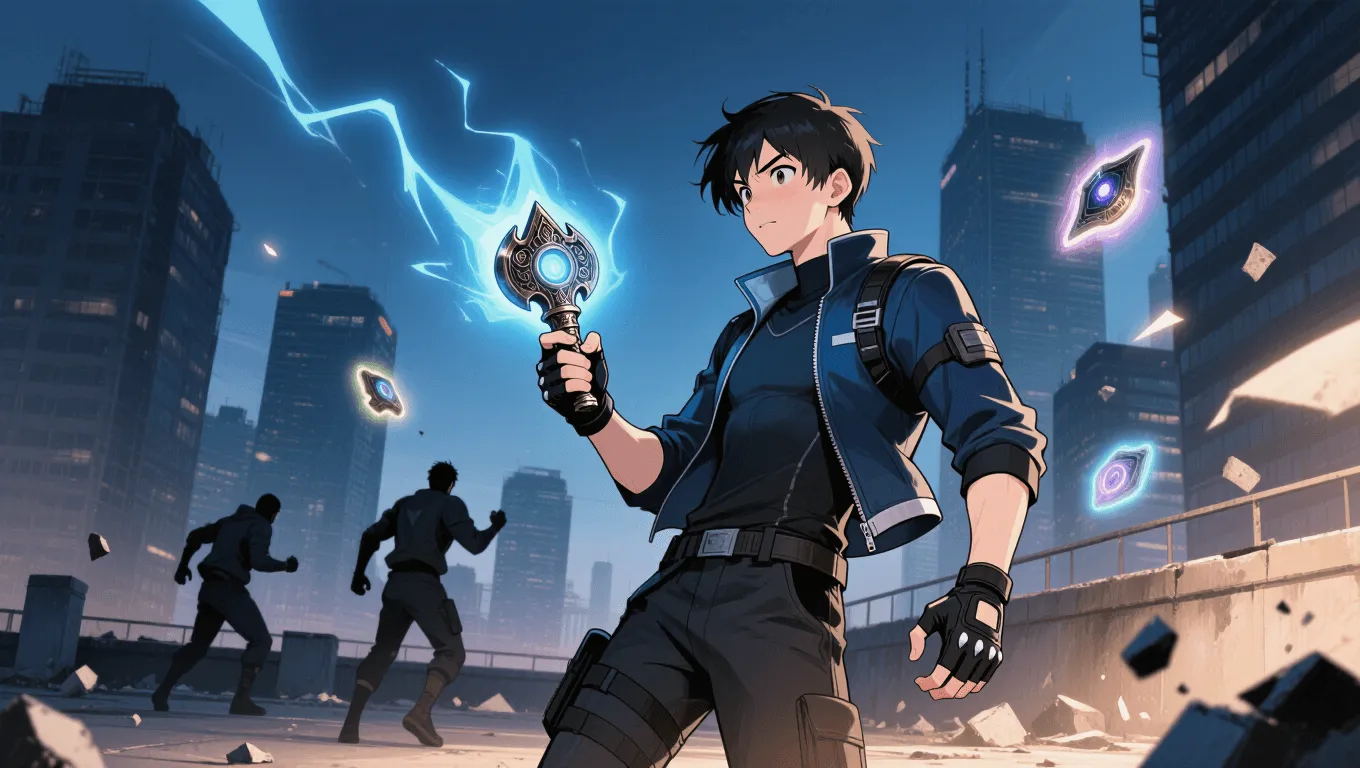
-
Limited knowledge of each item’s full abilities
-
Short activation duration or unstable effects
-
Reliance on trial and error in combat
-
Vulnerable when separated from the single main artifact
This stage is ideal for origin stories, early campaigns, and low-stakes missions where the hero is still learning. Mistakes are common, and the character might accidentally trigger powers at inconvenient moments.
Level 2 🌇 – Dedicated Wielder
By Level 2, the user has trained with their key objects and often expanded their collection.
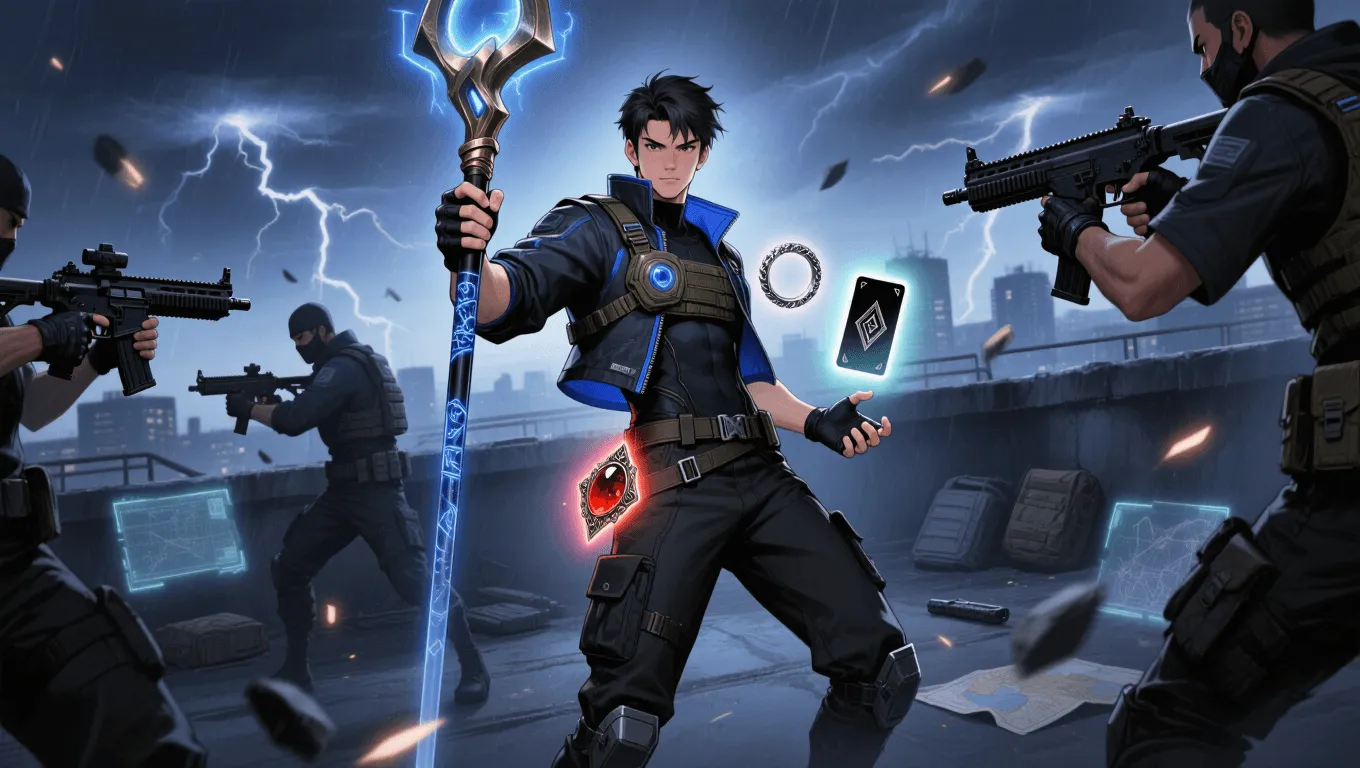
-
Reliable access to core abilities
-
Basic mastery of switching between multiple items
-
Development of signature moves or combos
-
Stronger bond with one “primary” artifact
The character can now be a consistent team member. Fewer mishaps occur, though the user is still troubled by being disarmed or having the wrong object for a specific encounter. Tactical planning becomes central: choosing which objects to carry into a mission can make or break the outcome.
Level 3 🌃 – Relic Master
At Level 3, the user is a true master of Powers Via Object.
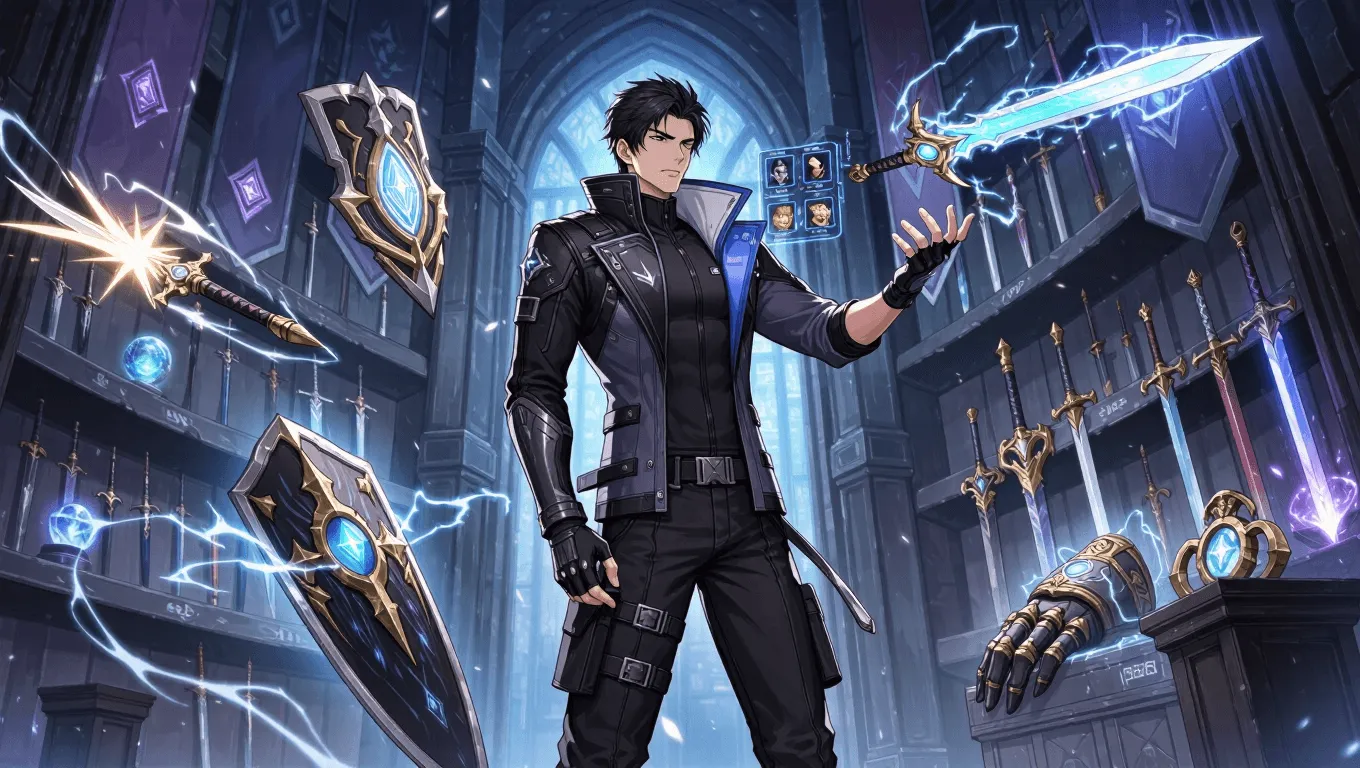
-
Seamless switching between multiple artifacts even mid-attack
-
Deep synergy between different object-based abilities
-
Ability to sense, locate, or awaken dormant relics
-
Potential to modify, repair, or upgrade empowered objects
At this stage, the character’s arsenal is legendary. They may maintain a secret vault of items, a mystical armory, or a digital inventory system. Their combat style becomes highly strategic, with contingency objects prepared for specific threats, from magic-resistant enemies to reality-warping villains.
Limitations of Using the Powers Via Object
For all its strengths, Powers Via Object has notable limitations that keep the character grounded and the story balanced.
-
Dependence on physical items: If the objects are stolen, destroyed, or lost, the user may be left almost powerless.
-
Carrying capacity: A person can only carry so many swords, rings, relics, or gadgets at once, forcing tough choices.
-
Activation requirements: Some objects require spoken phrases, specific gestures, emotional states, or environmental conditions to work.
-
Vulnerability while unarmed: During capture, imprisonment, or stealth missions where gear is restricted, the character may struggle.
-
Maintenance and recharge: Tech-based items can run out of power or ammo, while magical artifacts may need rituals, offerings, or cooldown periods.
These limitations make inventory management and preparation a key part of playing or writing a character with Powers Via Object.
Weakness Against What Other Superpowers
Powers Via Object can be especially vulnerable to certain categories of superpowers and abilities.
-
Telekinesis / Magnetism / Object Control: Enemies who can move or manipulate objects at a distance can disarm the user or turn their own weapons against them.
-
Technopathy and Hacking: For tech-based objects, a technopath can override controls, shut them down, or seize command mid-battle.
-
Power Nullification / Magic Dampening Fields: Areas or powers that shut down magic, technology, or energy sources can render the objects inert.
-
Superspeed and Stealth: Fast or invisible enemies can snatch items before the user has time to activate them.
-
Intangibility / Phasing: Weapons and physical relics may pass harmlessly through a phased foe unless the object specifically counters this trait.
These weaknesses encourage a Powers Via Object user to diversify their arsenal with defensive artifacts, protective wards, or contingency items that resist these counter-powers.
Synergistic Power Combos
Powers Via Object works brilliantly in combination with other superpowers, especially in a team or multi-power build.
-
Teleportation or Portal Creation: Teleporting directly to a hidden armory or summoning objects through portals turns the user into a dynamic battlefield force.
-
Super Intelligence or Gadgeteering: A genius inventor can design, craft, and optimize new items, constantly upgrading the arsenal with stronger or more specialized tools.
-
Precognition or Danger Sense: Foreknowledge of threats helps the user select exactly the right object before a fight begins.
-
Pocket Dimension or Infinite Storage: A separate dimension or spatial pocket solves the carrying capacity issue, letting the user store dozens of relics and weapons.
-
Emotion Control or Aura Powers: Some objects respond to emotional states or energies; partnering with a character who can manage those states can boost their reliability and effectiveness.
For storytellers and game masters, combining Powers Via Object with these synergistic abilities opens up complex, tactical, and highly cinematic encounters. For players designing characters, a quick visit to a random superpower generator can inspire additional combos and secondary powers that complement this object-based superpower.
Known Users
Many iconic heroes and antiheroes in comics, games, and anime showcase versions of Powers Via Object, even if it goes by different names.
-
Green Lantern – Wields a power ring that channels willpower into hard-light constructs, flight, and force fields. The ring is the central object-based power source, recharged via a lantern and limited by the user’s will and imagination. Green Lantern is one of the most famous examples of this archetype.
-
She-Ra – Draws her strength, transformation, and combat skill from a magical sword that channels an ancient power. Without the sword, much of her heroic form is inaccessible.
-
Bearers of the Witchblade – The Witchblade is a semi-sentient artifact that bonds to a host, giving armor, weapons, and supernatural senses while feeding on danger and conflict.
-
Blue Beetle (Jaime Reyes) – Gains armor, weaponry, and flight from an alien scarab that fuses with his spine, acting as a living object-based exosuit.
-
Characters with cursed or blessed weapons – Many fantasy warriors, from demon-slaying swordsmen to holy knights with relic shields, rely on single legendary items that define their entire combat style.
These characters illustrate different expressions of Powers Via Object: some rely on a single iconic artifact, while others manage complex armories or evolving bonds with living relics. Across settings and genres, the superpower remains a versatile, story-rich concept that blends equipment, identity, and power into one compelling package.