
Psionic Energy Manipulation
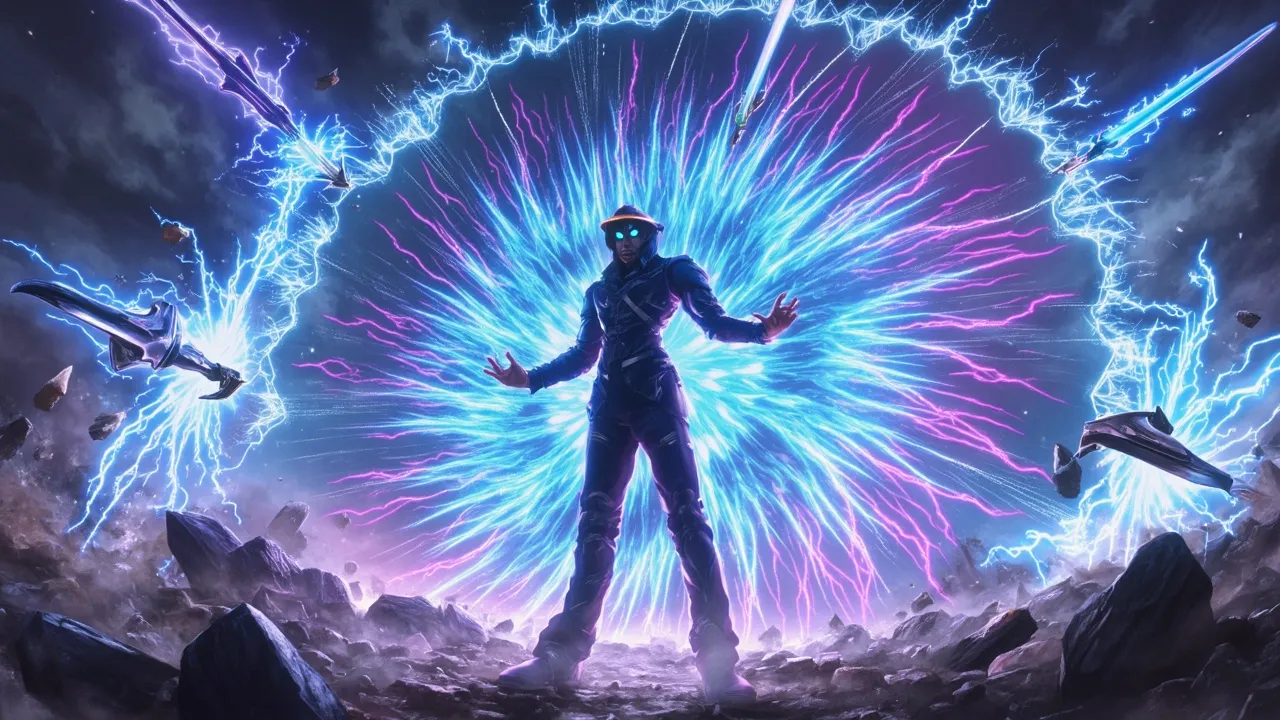
Psionic Energy Manipulation Video Demo 🎬
Table of Contents
- Psionic Energy Manipulation Video Demo 🎬
- What Is Psionic Energy Manipulation
- Core abilities of Psionic Energy Manipulation
- Application / Tactical Advantages in Combat
- Level: Level 1 🏙️, Level 2 🌇, Level 3 🌃
- Limitations of using the Psionic Energy Manipulation
- Weakness against what other superpowers
- Synergistic Power Combos
- Known Users
What Is Psionic Energy Manipulation
Psionic Energy Manipulation is the ability to shape raw psionic power into tangible effects—think mental force given form. A wielder can condense psi energy into offensive blasts, defensive barriers, or precise tools that strike the mind as easily as the body. Unlike standard telepathy (reading thoughts) or telekinesis (moving objects), this power focuses on molding psychic energy itself into usable “constructs” and “bursts,” turning willpower into a flexible weapon system.
In many settings, psionic energy is treated as concentrated mental output: intention, emotion, and focus converted into a controllable field. That makes Psionic Energy Manipulation extremely versatile. It can function like a force field, a stunning shockwave, a blade that disrupts nerves, or a protective aura that dampens hostile psychic influence.
To explore other abilities with similar mental themes, readers can browse the Superpower Wiki list or roll a new concept using the random superpower generator.
Core abilities of Psionic Energy Manipulation
Psionic Energy Manipulation typically includes a toolkit of related techniques. Different characters and worlds rename these moves, but the building blocks stay consistent.
-
Psionic blasts and psi-bolts: Compressed mental force fired as concussive bursts, stunning waves, or piercing beams. These can knock enemies back, scramble senses, or overload concentration.
-
Psionic shields and mental barriers: Semi-solid force fields made of psi energy. They can block projectiles, dampen explosions, or serve as a psychic shield against intrusive mind powers.
-
Psionic constructs: Shaping psi energy into objects—blades, hammers, chains, platforms, cages, or “hard-light”-like tools made from thought rather than photons. Many users form signature weapons such as a psychic knife or psionic katana.
-
Neural disruption and pain induction: Instead of cutting flesh, a psi blade can short-circuit a target’s nervous system, causing paralysis, unconsciousness, vertigo, or intense pain without leaving a visible wound.
-
Aura reinforcement: Wrapping the body in a psionic aura to resist impact, reduce fall damage, stabilize balance, or “brace” against pushes and grabs.
-
Precision psi-threads: Fine strands of psionic energy used to tug triggers, disarm opponents, manipulate locks, or interfere with delicate mechanisms—especially useful when brute telekinesis would be too clumsy.
-
Psionic sensing: Detecting mental signatures, emotional spikes, or active psychic phenomena. In some portrayals this overlaps with empathic perception or short-range clairvoyance.
Application / Tactical Advantages in Combat
Psionic Energy Manipulation shines in fights because it compresses multiple combat roles—striker, defender, controller—into one power set.
-
Instant weapon creation: A psionic construct weapon can appear the moment a fight starts. There is no need to draw steel, reload ammo, or carry gear that can be confiscated.
-
Mixed-target pressure: Psionic attacks can be tuned to hit the body (kinetic force) or the mind (stun, confusion, sensory overload). That flexibility punishes opponents who only trained against one type of threat.
-
Space control: Shields become mobile cover. Platforms become high ground. Cages become temporary prisons. Barriers can split teams or block charging bruisers.
-
Non-lethal dominance: Neural disruption options make it easier to end conflicts without fatal damage—perfect for heroes, security teams, or stealth missions.
-
Defense that travels: Unlike stationary walls, psionic shields can often move with the user, angle into a dome, or flare outward as a shock barrier to break grapples.
-
Anti-combo potential: A quick psi burst can interrupt spellcasting, gadget aiming, or other powers that require focus. Even a small jolt can ruin timing and concentration.
Well-trained manipulators also use feints: projecting a faint construct to bait a dodge, then launching a heavier psi-blast to the opponent’s new position. Because psionic energy can be shaped on the fly, it rewards tactical creativity more than strict “one-attack-only” abilities.
Level: Level 1 🏙️, Level 2 🌇, Level 3 🌃
Level 1 🏙️
At this stage, psionic energy is strong but simple.

-
Short bursts: Basic psi-bolts that stagger or lightly stun.
-
Small shields: A forearm-sized barrier that blocks a few shots or a single melee strike.
-
Simple constructs: A brief psychic knife, baton, or small wedge used for parries and quick strikes.
-
Focus dependency: The user must concentrate hard; distractions quickly break constructs.
Combat style at Level 1 is reactive: block, jab, retreat. The best use is self-defense and skirmishing rather than sustained frontline fighting.
Level 2 🌇
Here the power becomes reliable and tactical.

-
Sustained barriers: A full-body shield bubble for several seconds, or angled cover that can be repositioned.
-
Weapon variety: Blades, chains, spears, or hammer-like constructs; switching forms mid-fight becomes practical.
-
Shockwaves and cones: Area denial pulses that shove enemies back or interrupt charging attacks.
-
Targeted neural disruption: Cleaner stuns and disorientation without needing prolonged contact.
Level 2 users start to control the battlefield. They can protect allies, isolate targets, and win against physically stronger opponents through timing and pressure.
Level 3 🌃
At the highest tier, psionic energy becomes a refined system—offense, defense, mobility, and crowd control working together.

-
Complex constructs: Multi-part weapons, layered shields, floating platforms, moving cages, or rotating barrier “petals” that intercept attacks from different angles.
-
High-intensity cutting force: A psionic katana-like construct that can slice materials when tuned for physical damage, or switch to pure neural shutdown on contact.
-
Multi-target control: Several psi constructs active at once—such as a shield wall protecting allies while a spear pins a threat and a net disrupts a flier.
-
Psychic resistance and counterplay: Stronger defense against mental intrusion, and better ability to “catch” hostile psionic attacks and disperse them.
A Level 3 manipulator can feel like an entire squad: artillery, defender, and controller in one. The biggest limiter becomes stamina and mental stability rather than technique.
Limitations of using the Psionic Energy Manipulation
Even a flexible power has costs. Common limitations include:
-
Mental fatigue: Psionic shaping burns concentration like fuel. Extended battles can cause headaches, tremors, nausea, or collapse.
-
Emotional interference: Fear, rage, grief, or panic can warp constructs—making them unstable, oversized, or mis-aimed.
-
Focus disruption: Flashbangs, sonic attacks, chaotic environments, pain, or multiple enemies can break a shield at the wrong moment.
-
Feedback risk: When a construct is shattered or a psionic clash occurs, the user may experience psychic recoil—brief disorientation or a painful mental “ringing.”
-
Range and precision tradeoff: Strong blasts travel farther, but delicate constructs often require closer range or a clearer mental lock on the target.
-
Ethics and restraint: Mind-affecting techniques can cross lines quickly. Settings that treat psionics seriously often include social, legal, or moral consequences for neural manipulation.
In grounded worlds, psionic output may also be limited by the user’s brain physiology—sleep, hydration, nutrition, and stress management matter more than for purely physical powers.
Weakness against what other superpowers
Psionic Energy Manipulation has identifiable counters, especially from abilities that interfere with focus, perception, or mental integrity.
-
Psychic Shield and anti-psionic barriers: Dedicated mental defenses can blunt neural disruption, resist mind-stuns, and reduce the impact of psionic blasts.
-
Power Nullification or dampening fields: If the setting includes “anti-psi” technology or null zones, constructs may flicker out instantly.
-
Sensory overload powers: Sonic Manipulation, blinding Light Manipulation, or fear-based abilities can disrupt concentration and collapse shields.
-
Mind Control and emotional manipulation: If an opponent can twist the user’s thoughts, they can sabotage constructs from the inside—turning precision into chaos.
-
High-speed melee specialists: Fast attackers can exploit the moment between forming a shield and launching a counterattack, especially if the user relies on reaction timing.
-
Phasing or intangibility: Some constructs are treated like physical force; if an enemy becomes intangible, a purely kinetic psi strike may pass through unless the user can “tune” it to affect the mind directly.
The most consistent weakness is simple: anything that breaks focus breaks the build.
Synergistic Power Combos
Psionic Energy Manipulation becomes even stronger when paired with powers that solve its main limitations—focus, stamina, and information.
-
Telepathy: Perfect for target acquisition and nonverbal coordination. Telepathy helps find hidden enemies, identify intent, and tailor psionic attacks to the opponent’s mental defenses.
-
Telekinesis: Telekinesis handles heavy lifting and wide-area movement while psionic energy focuses on shields, stuns, and precise constructs. Together, they create full-spectrum control.
-
Psychic Shield: Layering a mental barrier under a physical psi-shield reduces feedback and helps maintain concentration under pressure.
-
Energy Absorption: If the user can absorb incoming energy (heat, electricity, radiation), they can keep their psionic shields from being overwhelmed while powering stronger counterbursts.
-
Light Manipulation: Cloaking or blinding creates the calm second needed to build a stronger construct. It also helps hide the angle of a psionic projectile.
-
Gravity Manipulation: Gravity pins enemies in place while psionic constructs restrain or stun them, making escapes far harder.
-
Healing Factor: Rapid recovery offsets psionic fatigue and recoil, allowing more frequent high-output techniques.
-
Technopathy: Tech-based sensory networks can feed the psionic user battlefield data, enabling smarter shields and better threat prediction.
For more combo ideas across different abilities, linking into superpower wiki list keeps builds consistent, and the random superpower generator is a quick way to discover unexpected pairings.
Known Users
Fiction often depicts psionic energy as blades, constructs, or internal furnaces of psychic force.
-
Psylocke (Marvel Comics) – Associated with forming a “psychic knife” and later a telekinetic katana made of raw psionic energy.
-
Betsy Braddock – Noted for manifesting psionic “blade” techniques and defensive applications such as force-field-like bursts.
-
Chamber (Jonothon Starsmore) – Described as having a “furnace of psionic energy” and projecting powerful psionic force blasts.
-
Bunker (Miguel Barragan) – Commonly portrayed creating psionic energy constructs used as protective and offensive shapes.