
Resurrection: The Power to Defy Death

Resurrection Video Demo 🎬
Table of Contents
Resurrection is one of the most legendary and feared abilities in fiction. The power allows a person to return from death or restore life to others who have died. Across mythology, comics, fantasy novels, anime, and video games, Resurrection represents the ultimate defiance of mortality. Characters with this ability can survive fatal injuries, revive fallen allies, or even create endless cycles of rebirth.
As one of the most versatile abilities found on any superpower list, Resurrection can completely reshape battles, wars, and entire civilizations. Some users rely on magical revival rituals, while others possess biological immortality or cosmic restoration powers. In certain universes, Resurrection also grants spiritual regeneration, healing, or soul manipulation.
Because of its incredible potential, Resurrection often comes with severe limitations, dangerous consequences, or powerful counters. Still, it remains one of the most desired abilities imaginable, especially among those searching through a random superpower generator hoping to discover the ultimate power.
What Is Resurrection?
Resurrection is the ability to restore life after death. This can apply to the user themselves, other individuals, or even entire groups of people. Depending on the setting, Resurrection may function through magic, divine energy, advanced technology, spiritual control, or supernatural biology.
The power exists in multiple forms:
- Self-resurrection after death
- Reviving deceased allies
- Temporary resurrection
- Full bodily regeneration
- Soul restoration
- Reincarnation cycles
- Necromantic revival
- Phoenix-style rebirth
Some Resurrection users return instantly after death, while others require rituals, artifacts, sacrifices, or time to regenerate. In many fictional universes, Resurrection is considered forbidden because it disrupts the natural order of life and death.
Core Abilities of Resurrection
Self-Revival
The most common form of Resurrection allows the user to come back after dying. This may happen automatically or require certain conditions.
Examples include:
- Regenerating from fatal wounds
- Rebuilding the body from ashes
- Returning through spiritual possession
- Cloning or consciousness transfer
This form essentially grants immortality unless the user encounters a specific weakness.
Reviving Others
Some Resurrection users can restore life to fallen allies or civilians. This ability is especially valuable in support roles during war or disaster situations.
The revived individual may:
- Return fully healed
- Suffer temporary weakness
- Lose memories
- Experience spiritual corruption
- Gain enhanced powers
The strength of this ability often depends on how long the target has been dead.
Soul Manipulation
Advanced Resurrection powers involve controlling souls directly. Users can retrieve spirits from afterlife dimensions or reconnect them to physical bodies.
This may include:
- Soul restoration
- Spirit anchoring
- Astral revival
- Preventing permanent death
Characters with soul manipulation are often treated like gods or cosmic beings.
Regeneration Through Death
Some users become stronger every time they die and return. This creates a terrifying combat advantage because enemies may unknowingly empower them.
This variation can grant:
- Increased durability
- Adaptation to previous attacks
- Emotional evolution
- Resistance to death itself
Rebirth Transformation
Certain Resurrection powers trigger a transformation after revival. The user may return with upgraded abilities, new forms, or elemental enhancements.
Phoenix-themed Resurrection commonly includes:
- Fire manipulation
- Healing flames
- Flight
- Purification powers
Application / Tactical Advantages in Combat
Resurrection is one of the most strategically valuable powers in combat.
Endless Endurance
A resurrecting fighter can continue battling despite fatal injuries. Opponents may become exhausted or mentally broken trying to defeat someone who cannot stay dead.
This creates a massive psychological advantage.
Battlefield Recovery
Users capable of reviving allies can reverse entire battles. Armies that should have been defeated can instantly recover their numbers.
This makes Resurrection users priority targets during warfare.
Fearless Fighting Style
Since death is less threatening, Resurrection users often fight aggressively and recklessly. They may:
- Sacrifice themselves intentionally
- Absorb fatal attacks
- Trigger explosive suicide abilities
- Protect allies without hesitation
Information Gathering
A resurrecting character can infiltrate dangerous locations without permanent risk. Even if captured or killed, they may return with valuable knowledge.
Attrition Warfare
Over long battles, Resurrection users dominate through persistence. Opponents eventually run out of energy, ammunition, or morale.
Level: Level 1 🏙️, Level 2 🌇, Level 3 🌃
Level 1 🏙️ – Limited Resurrection
At this stage, the user can survive death under specific conditions.
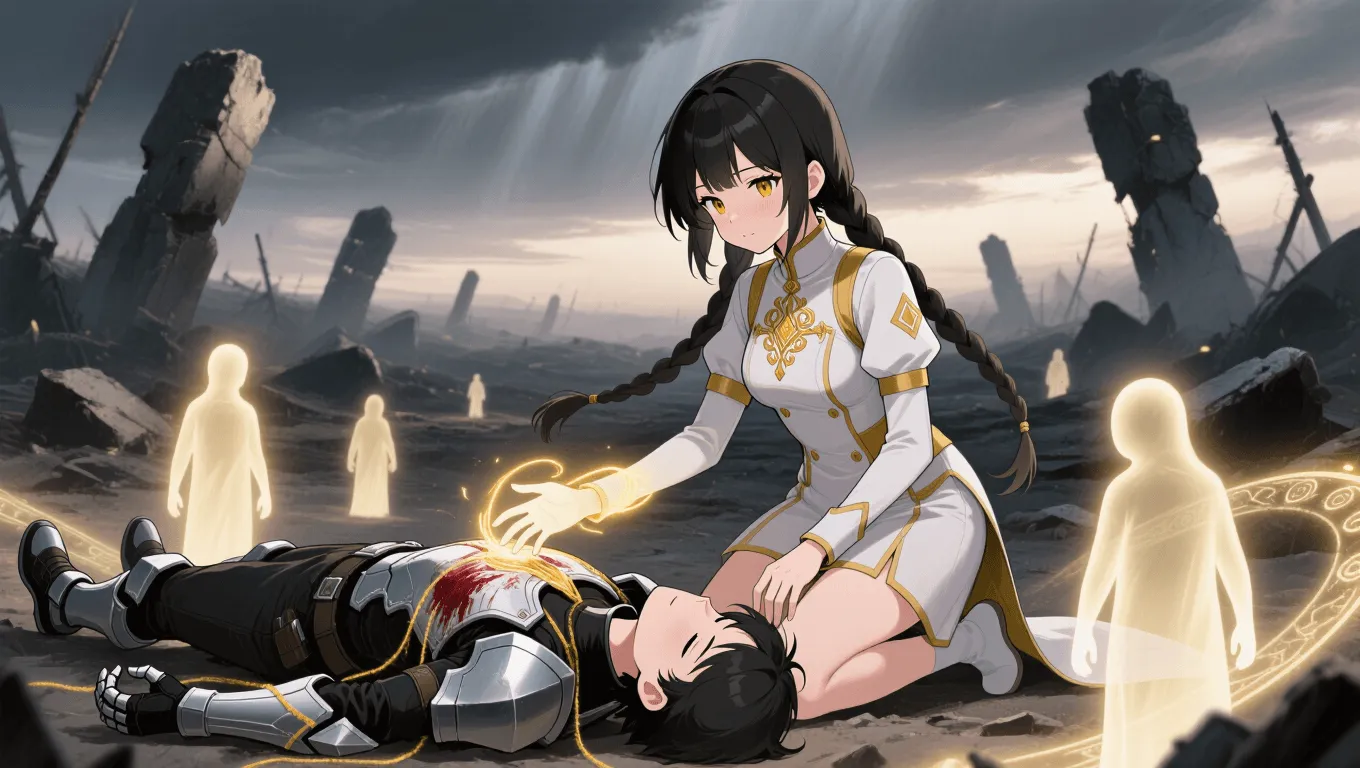
Abilities may include:
- Reviving once per day
- Recovering from non-total destruction
- Healing after near-death experiences
- Reviving recently deceased targets
Weaknesses remain significant, and the process may take hours or days.
Level 2 🌇 – Advanced Resurrection
The user gains powerful restoration abilities and improved immortality.

Capabilities include:
- Instant self-revival
- Reviving multiple people
- Regenerating entire limbs or organs
- Soul recovery
- Resurrection without rituals
At this level, the user becomes extremely difficult to eliminate permanently.
Level 3 🌃 – Absolute Resurrection
At the highest tier, Resurrection approaches divine power.

The user may:
- Ignore death entirely
- Resurrect entire civilizations
- Restore destroyed souls
- Revive after complete annihilation
- Control life-and-death cycles universally
Level 3 users can fundamentally alter reality and may become cosmic entities beyond mortal understanding.
Limitations of Using the Resurrection
Despite its power, Resurrection usually comes with heavy restrictions.
Energy Consumption
Reviving life often requires enormous energy. Frequent Resurrection can exhaust the user physically, mentally, or spiritually.
Time Restrictions
Some abilities only work immediately after death. If too much time passes, revival may become impossible.
Soul Damage
Repeated Resurrection can destabilize the soul. Users may suffer:
- Identity loss
- Emotional numbness
- Madness
- Fragmented memories
Physical Weakness After Revival
Some resurrected individuals return weakened or temporarily vulnerable.
Possible side effects include:
- Fatigue
- Reduced powers
- Disorientation
- Painful regeneration
Dependency on External Sources
Certain Resurrection powers require:
- Sacred artifacts
- Magical rituals
- Special environments
- Blood sacrifices
- Spiritual contracts
Destroying these sources can prevent revival entirely.
Permanent Death Conditions
Many Resurrection users still possess hidden vulnerabilities. Examples include:
- Soul destruction
- Divine weapons
- Reality erasure
- Anti-magic fields
- Decapitation
- Sealing abilities
These conditions maintain tension and balance in fictional stories.
Weakness Against What Other Superpowers
Several abilities naturally counter Resurrection.
Soul Destruction
Powers that erase or consume souls are among the strongest counters. Without a soul, Resurrection may become impossible.
Existence Erasure
Reality-warping powers that completely remove someone from existence can bypass revival entirely.
Time Manipulation
Time controllers may prevent Resurrection by trapping targets in frozen timelines or reversing them before revival occurs.
Power Nullification
Nullification abilities can suppress Resurrection before activation.
Sealing Powers
Instead of killing the user repeatedly, some enemies imprison or seal them away permanently.
Necromancy Control
Dark necromancers may hijack resurrected bodies or interfere with revival rituals.
Synergistic Power Combos
Resurrection becomes even more dangerous when paired with complementary abilities.
Resurrection + Regeneration
This combination creates near-absolute immortality. Even fatal injuries heal rapidly before or after death.
Resurrection + Teleportation
A user can revive safely in hidden locations after being killed on the battlefield.
Resurrection + Healing
Reviving allies alongside healing support turns the user into an unstoppable battlefield medic.
Resurrection + Fire Manipulation
Phoenix-style abilities often combine rebirth with destructive flames and purification energy.
Resurrection + Necromancy
The user gains control over both life and death, reviving allies while commanding undead armies.
Resurrection + Time Manipulation
Time-based revival allows users to undo deaths before they fully occur.
Known Users
Many iconic fictional characters possess Resurrection abilities or rebirth powers.
Jean Grey
Jean Grey’s connection to the Phoenix Force allows repeated death and rebirth cycles. Her Resurrection powers are tied to cosmic fire, evolution, and immense psychic energy.
Learn more about the character on the official Marvel character page.
Ra’s al Ghul
Ra’s al Ghul repeatedly restores himself using the Lazarus Pit, granting extended life and resurrection-like recovery.
Learn more at the official DC profile.
Phoenix Ikki
Phoenix Ikki is famous for constantly returning from death stronger than before, embodying the mythical phoenix rebirth cycle.
Brook
Brook revived after death because of the Yomi Yomi no Mi Devil Fruit, becoming a living skeleton with soul-based powers.
The Doctor
Although technically regeneration rather than true Resurrection, The Doctor repeatedly returns in new forms after fatal damage.
Learn more at the official Doctor Who page.