
Scald Generation: Complete Guide to Boiling Power
Scald Generation Video Demo 🎬
Table of Contents
What Is Scald Generation
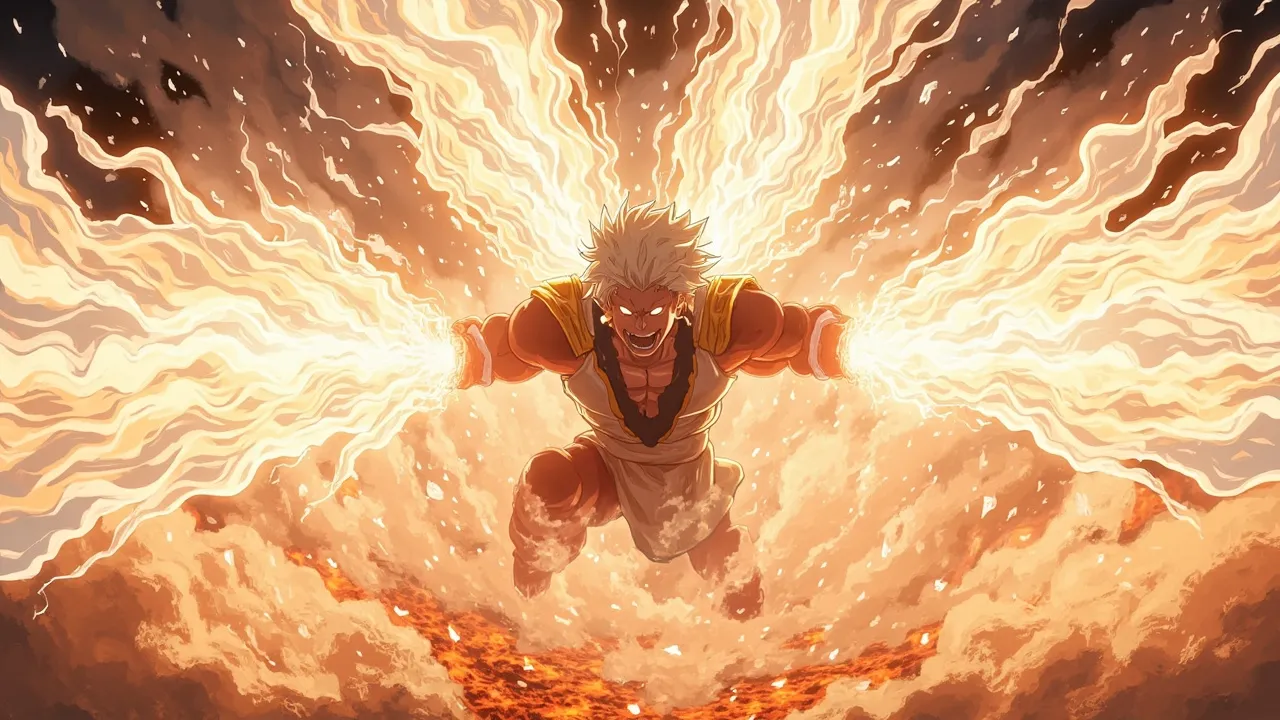
Scald Generation is a destructive and versatile superpower that allows an individual to produce blistering hot liquids or steam capable of inflicting severe burns and environmental damage. This ability focuses on the rapid creation and control of high-temperature water or vapor, turning a common substance into a dangerous offensive and defensive weapon.
Users of Scald Generation can emit boiling water, pressurized steam, or even superheated mist from their bodies or surrounding environment. This power is often associated with thermal manipulation, hydrokinetic abilities, and elemental control, making it highly adaptable in both combat and survival scenarios.
Within the broader catalog of abilities found on the superpower list, Scald Generation stands out for its balance between raw destructive force and tactical flexibility. Whether used to incapacitate enemies or reshape the battlefield, it offers a unique blend of offense and utility.
Core abilities of Scald Generation
Boiling Liquid Creation
At its core, Scald Generation enables the user to produce extremely hot water instantly. This liquid can be projected in streams, waves, or bursts, capable of causing immediate burns upon contact.
Steam Emission
Users can convert water into steam, releasing it as pressurized jets or expanding clouds. Steam can obscure vision, suffocate opponents, or cause widespread thermal damage.
Temperature Control
Advanced users can regulate the intensity of heat, ranging from mildly hot water to superheated steam capable of melting materials or causing explosive pressure shifts.
Area Saturation
Scald Generation allows for environmental manipulation by flooding areas with hot liquid or filling spaces with steam, creating hazardous zones that restrict movement and visibility.
Pressure Manipulation Synergy
By combining heat and pressure, users can generate powerful blasts of steam that function like concussive attacks, pushing enemies back or breaking through barriers.
Application / Tactical Advantages in Combat
Scald Generation excels in combat due to its versatility and ability to control both direct and indirect damage.
Close-Range Combat
In close quarters, boiling water can be used to overwhelm opponents instantly. Even a brief exposure can incapacitate enemies, making it effective for quick takedowns.
Mid-Range Control
Steam jets can be fired with precision, allowing users to strike targets from a distance while maintaining mobility. The pressurized nature of steam enhances both speed and impact.
Area Denial
By filling an area with scalding steam, the user can control enemy movement. This is especially useful in confined spaces, where opponents are forced into disadvantageous positions.
Defensive Utility
Steam clouds can act as a smokescreen, obscuring vision and disrupting enemy targeting. Additionally, the heat can deter incoming attackers.
Environmental Advantage
In humid or water-rich environments, Scald Generation becomes even more powerful. Users can draw from existing moisture, increasing output without exhausting their own energy reserves.
If someone enjoys exploring unpredictable abilities like this, they might find new ideas using the random superpower generator.
Level: Level 1 🏙️, Level 2 🌇, Level 3 🌃
Level 1 🏙️
At this stage, the user can generate small amounts of hot water or steam. The heat is enough to cause discomfort or minor burns, but not severe damage. Control is limited, and range is short.
Level 2 🌇
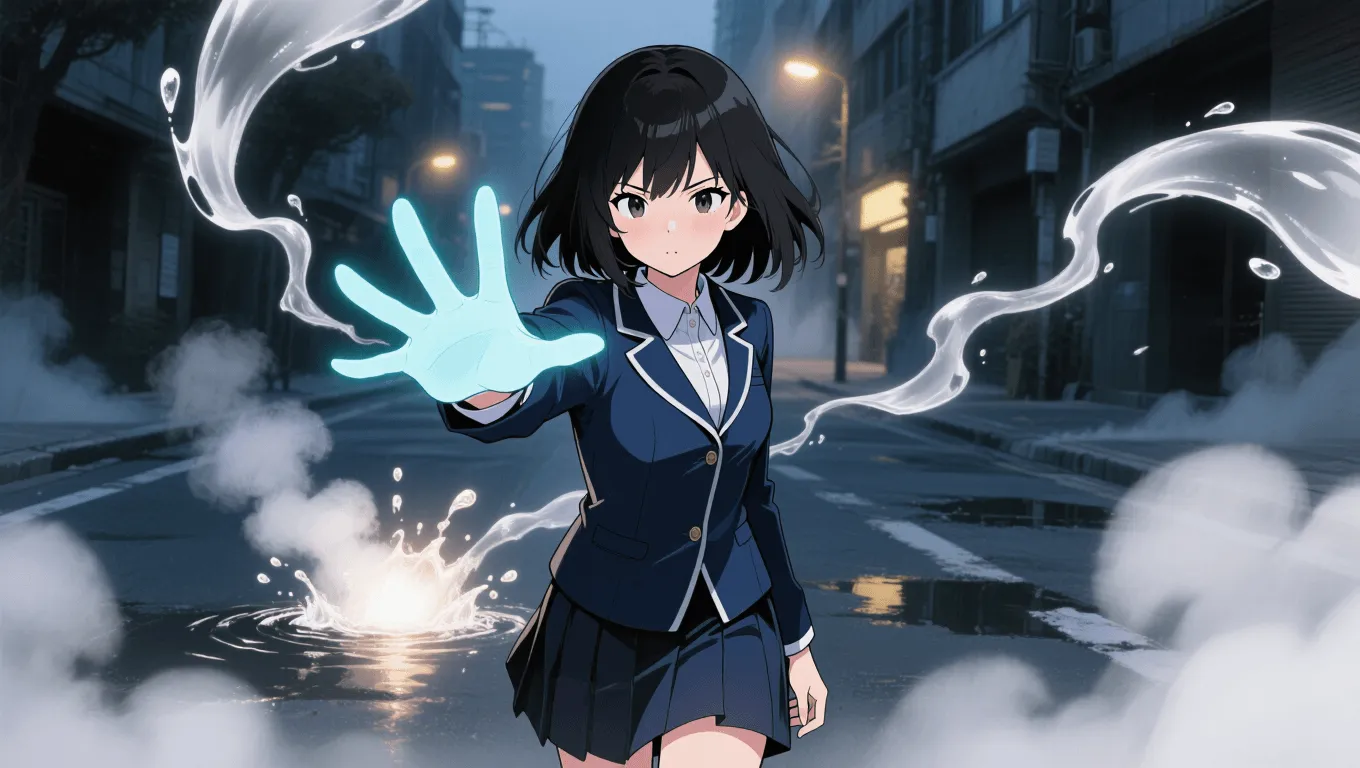
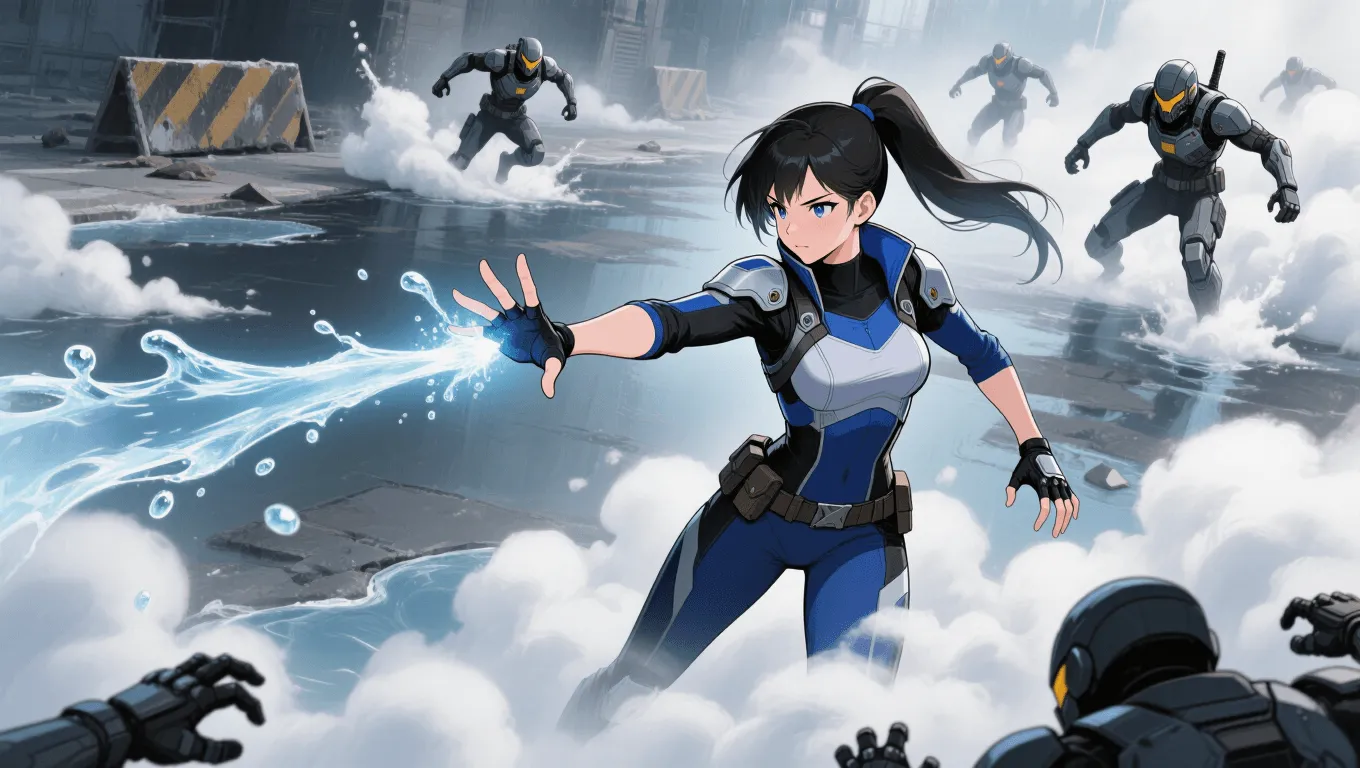
The user gains improved output and control, producing sustained streams of boiling liquid and stronger steam bursts. Combat effectiveness increases significantly, with the ability to affect multiple targets and manipulate small environments.
Level 3 🌃
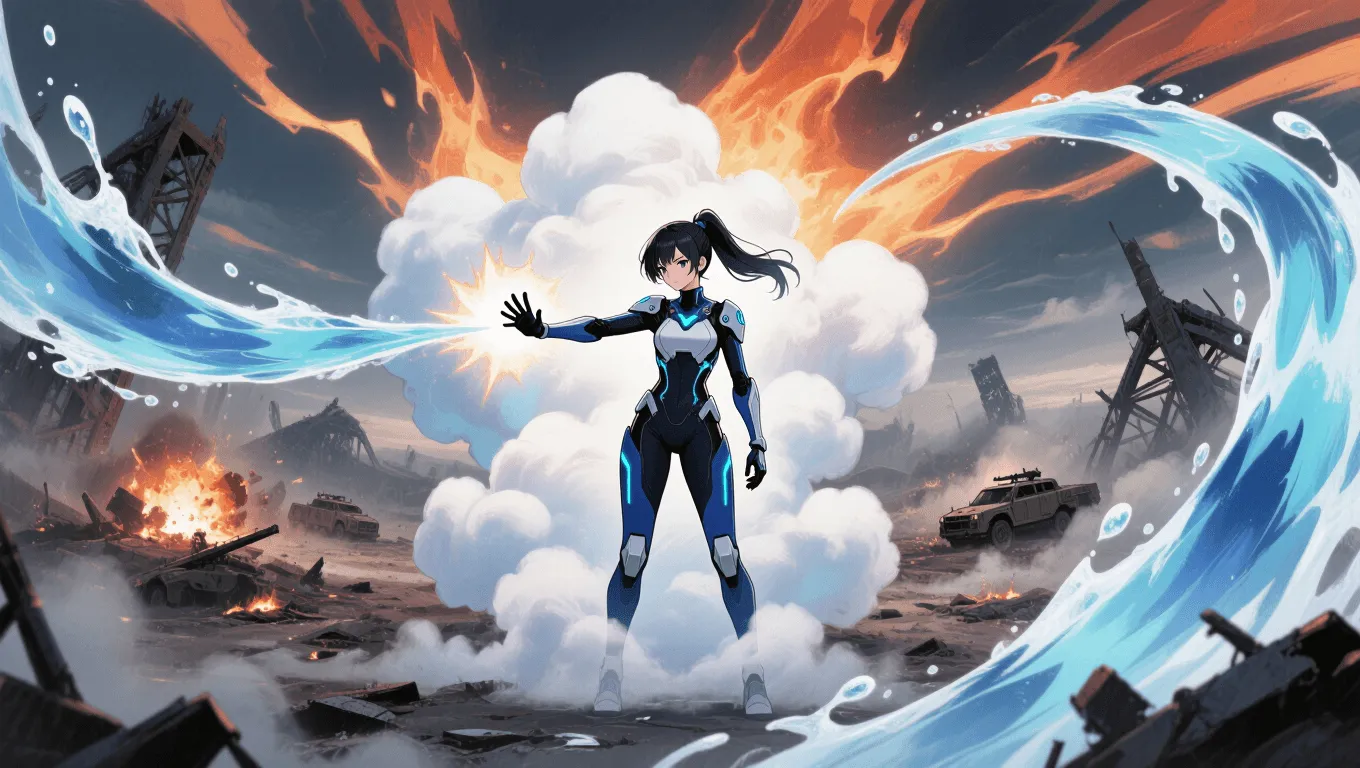
At peak mastery, the user can generate massive volumes of superheated water and steam, capable of reshaping entire battlefields. Steam explosions, large-scale area denial, and extreme temperature control become possible, making the user a formidable force.
Limitations of using the Scald Generation
Despite its power, Scald Generation comes with notable limitations.
Water Dependency
While some users can generate water internally, many rely on existing moisture. In dry environments, their effectiveness may decrease significantly.
Energy Consumption
Producing and maintaining high temperatures requires substantial energy. Overuse can lead to exhaustion or reduced output.
Self-Risk
Improper control can result in self-inflicted burns or overheating. Users must develop resistance or protective adaptations to safely wield this power.
Limited Effect on Heat-Resistant Targets
Enemies with heat resistance or thermal immunity can withstand or negate the effects of scalding attacks.
Environmental Constraints
Cold environments may reduce the effectiveness of steam, causing it to condense rapidly and lose impact.
Weakness against what other superpowers
Scald Generation is powerful, but certain abilities can counter it effectively.
Cryokinesis
Ice-based powers can rapidly cool or freeze hot water and steam, neutralizing attacks and even turning them against the user.
Wind Manipulation
Strong air currents can disperse steam clouds, reducing visibility control and diminishing pressure-based attacks.
Heat Absorption
Characters who can absorb or redirect heat can negate the thermal aspect of Scald Generation entirely.
Barrier Creation
Solid or energy-based barriers can block or redirect boiling liquid and steam, limiting offensive effectiveness.
Water Absorption
Opponents who can absorb or manipulate water may disrupt the user’s ability to generate or control scalding substances.
Synergistic Power Combos
Scald Generation becomes significantly more dangerous when combined with complementary abilities.
Hydrokinetic Control
Combining Scald Generation with water manipulation allows for precise control over both temperature and movement, creating devastating attacks.
Fire Manipulation
Fire powers can increase the temperature of generated steam, pushing it into superheated states that cause explosive damage.
Pressure Manipulation
Enhancing steam pressure amplifies impact force, turning simple bursts into powerful shockwaves.
Weather Manipulation
Creating humid environments ensures a constant supply of water, maximizing the effectiveness of Scald Generation.
Regeneration
A regenerative ability helps offset the physical strain and potential self-damage caused by extreme heat.
Known Users
While Scald Generation is not always explicitly named, similar abilities appear in fiction through characters who manipulate boiling liquids or steam.
A notable example is Endeavor from My Hero Academia, whose intense heat generation can produce effects comparable to superheated steam and boiling attacks. His ability demonstrates how extreme heat can be weaponized in both direct combat and large-scale engagements.
Another comparable figure is Boiler, a lesser-known archetype in comics representing steam-powered fighters who rely on pressure and heat for combat dominance.
These examples highlight how Scald Generation fits within a broader category of thermal and fluid-based powers, showcasing its potential when fully realized.