
Self-replication: The Power to Create Multiple Copies
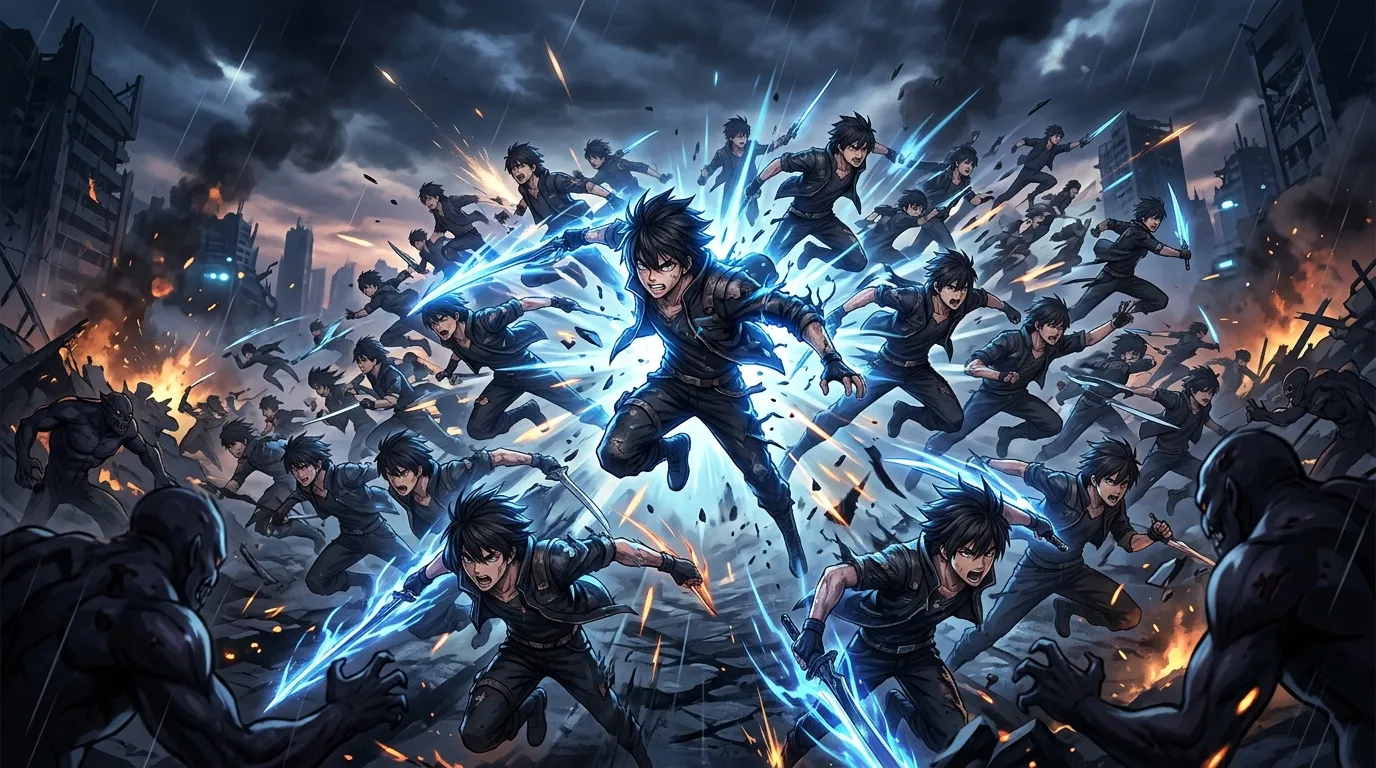
Self-Replication Video Demo 🎬
Table of Contents
Self-replication is one of the most versatile and dangerous abilities in superhero fiction. The power allows a character to create multiple autonomous duplicates of themselves, often called clones, copies, doubles, or replicas. Unlike simple illusions, these duplicates are usually physical beings capable of independent thought, movement, and combat. Depending on the version of the power, each clone may share memories, skills, and even emotions with the original user.
Because of its flexibility, Self-replication appears in comics, anime, games, and science fiction stories as both an offensive and strategic ability. A single individual can instantly become an army, overwhelm enemies through numbers, gather information from several places simultaneously, or complete impossible tasks in seconds. Self-replication is frequently connected to cloning powers, duplication abilities, hive minds, and multi-body consciousness.
Characters with this ability often become extremely difficult to defeat because eliminating one body may not stop the original consciousness. Self-replication also creates interesting psychological and tactical challenges, especially when every copy acts independently.
Fans exploring powerful abilities can also browse the complete superpower list or test random abilities using the random superpower generator.
What Is Self-replication
Self-replication is the supernatural or advanced ability to create one or more copies of oneself. These copies are typically fully functional and possess the same appearance, memories, skills, and powers as the original user.
The clones created through Self-replication may vary depending on the fictional universe:
- Perfect biological duplicates
- Energy-based replicas
- Shadow clones
- Robotic copies
- Alternate-dimensional versions
- Psychic projections with physical form
Some versions of the power allow only temporary duplicates, while others create permanent independent beings. In advanced forms, the user may instantly share information between all copies, effectively becoming a collective intelligence.
Self-replication differs from illusion casting because the duplicates are tangible and capable of affecting the environment. It also differs from shape-shifting because the user creates separate entities rather than changing their own body.
The power is often associated with themes of identity, individuality, teamwork, and immortality.
Core Abilities of Self-replication
Clone Creation
The primary ability is generating physical copies of the user. These clones can appear instantly or gradually depending on the power source.
Some users can create:
- One duplicate
- Dozens of clones
- Thousands of replicas
- Entire armies of themselves
Shared Knowledge
Many Self-replication users maintain a psychic connection with their duplicates. Information gathered by one clone may instantly transfer back to the original.
This allows:
- Rapid learning
- Simultaneous multitasking
- Coordinated strategies
- Instant battlefield communication
Independent Action
Autonomous copies can think and act on their own. Each clone may carry out separate missions without direct supervision.
Examples include:
- Fighting enemies
- Conducting investigations
- Building machinery
- Studying different subjects
- Performing rescue operations
Power Replication
In some fictional settings, every clone possesses the same superhuman abilities as the original.
This means:
- Super strength multiplies
- Energy projection scales massively
- Telepathy becomes overwhelming
- Magic users gain exponential power
Clone Reabsorption
Certain users can absorb their duplicates back into themselves. When this happens, memories and experiences transfer to the original body.
This creates massive advantages:
- Instant skill accumulation
- Accelerated training
- Faster information gathering
- Rapid tactical adaptation
Remote Survival
Some versions of Self-replication allow the original consciousness to survive through remaining copies if the main body is destroyed.
This effectively grants:
- Functional immortality
- Redundant survival systems
- Escape from fatal situations
Application / Tactical Advantages in Combat
Self-replication is among the strongest tactical abilities in combat scenarios because it overwhelms opponents physically, mentally, and strategically.
Numerical Overwhelm
The simplest advantage is sheer numbers. Even powerful enemies struggle against dozens of coordinated attackers.
A Self-replication user can:
- Surround targets instantly
- Attack from multiple angles
- Exhaust opponents
- Control large battlefields
Distraction and Confusion
Enemies may struggle to identify the original body. This creates hesitation and confusion during combat.
Opponents waste energy:
- Targeting fake priorities
- Fighting expendable clones
- Misreading attack patterns
Infinite Training Potential
Users can accelerate skill development by having clones practice independently before reabsorbing them later.
For example:
- One clone studies martial arts
- Another learns engineering
- Another trains endurance
- All knowledge returns to the original
Espionage and Reconnaissance
Self-replication excels in intelligence gathering.
Clones can:
- Infiltrate enemy bases
- Scout dangerous locations
- Monitor multiple targets
- Conduct simultaneous missions
Defensive Sacrifice
Expendable copies can shield the original user from harm.
This creates:
- Human shield tactics
- Risk-free experimentation
- Trap detection
- Survival redundancy
Psychological Warfare
Watching endless copies continue attacking can destroy enemy morale. Opponents may panic after realizing victory seems impossible.
Level: Level 1 🏙️, Level 2 🌇, Level 3 🌃
Level 1 🏙️ — Basic Duplication
At this level, the user can create a small number of copies with limited durability.
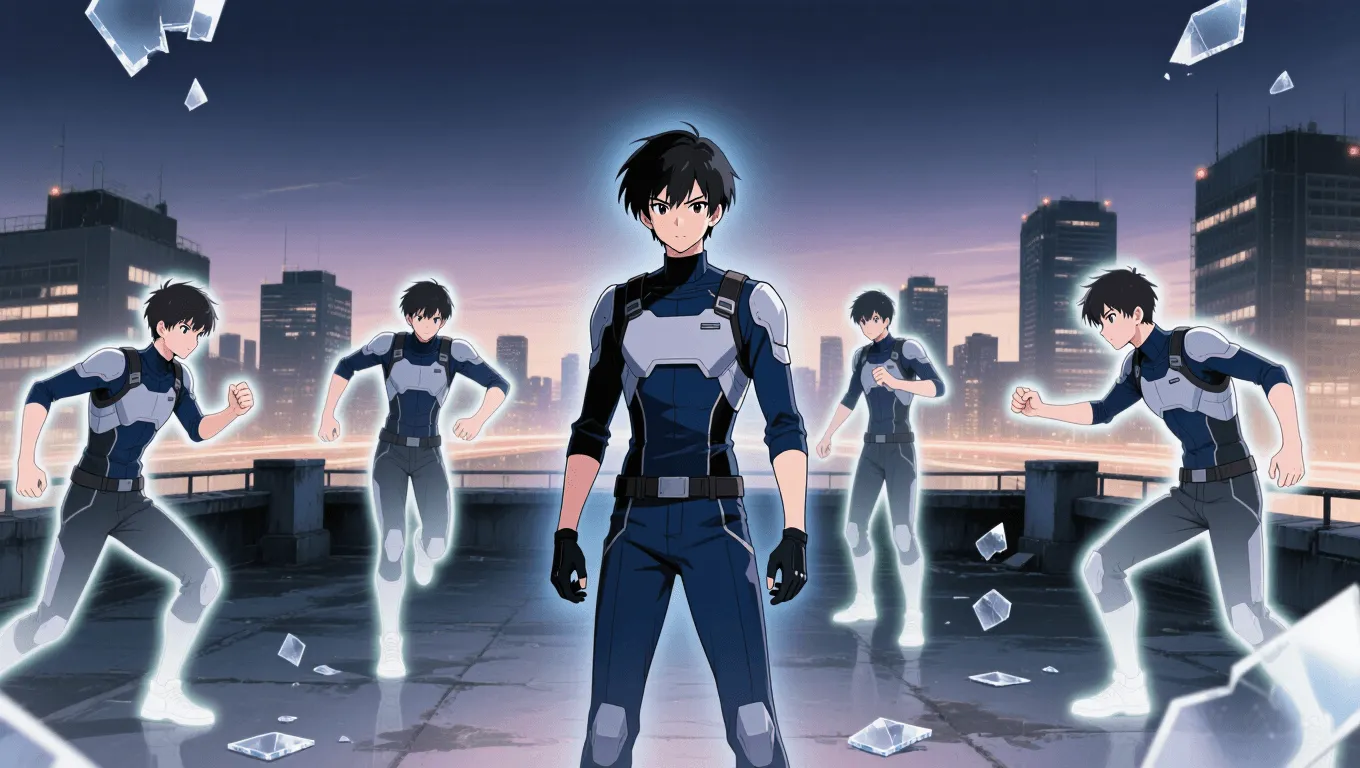
Abilities include:
- Creating 1–5 clones
- Basic coordination
- Short-lived replicas
- Simple multitasking
Weaknesses remain significant because clones may disappear after minor damage.
Level 2 🌇 — Advanced Multi-Body Control
The user gains stronger autonomous duplicates and enhanced mental synchronization.
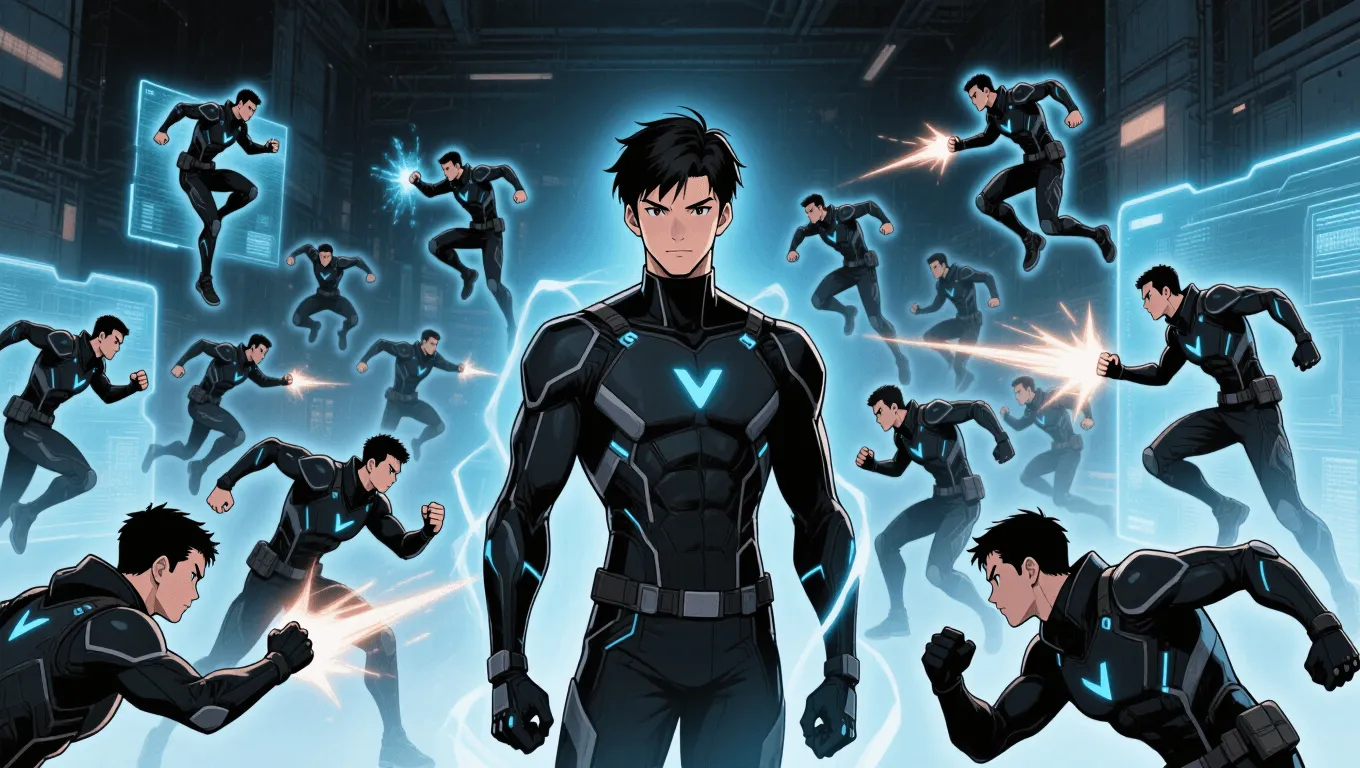
Abilities include:
- Creating dozens of copies
- Shared sensory input
- Combat-capable replicas
- Simultaneous missions
- Clone memory transfer
At this stage, Self-replication becomes highly dangerous for military or espionage purposes.
Level 3 🌃 — Infinite Replication Entity
At the highest level, the user effectively becomes a distributed consciousness capable of near-limitless multiplication.
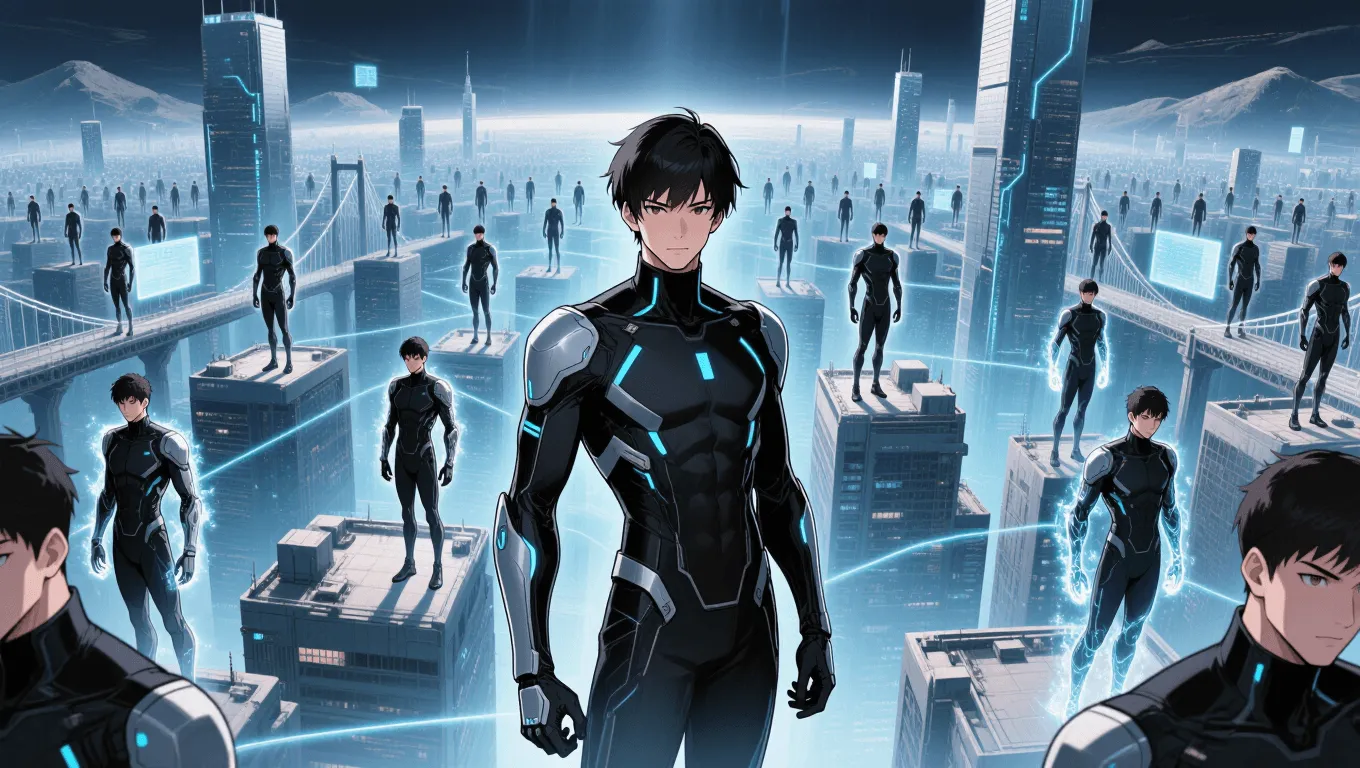
Abilities may include:
- Thousands or millions of clones
- Instant regeneration through surviving copies
- Planet-wide coordination
- Shared hive mind
- Independent evolution among replicas
A Level 3 user can potentially destabilize civilizations through overwhelming numbers alone.
Limitations of Using the Self-replication
Despite its strength, Self-replication often comes with important weaknesses and restrictions.
Energy Consumption
Creating duplicates may require:
- Stamina
- Biological mass
- Psychic energy
- Magical power
Too many clones can exhaust the user rapidly.
Shared Pain
Some versions of the power cause injuries experienced by clones to affect the original body mentally or physically.
This can lead to:
- Overwhelming pain
- Emotional trauma
- Mental instability
Mental Overload
Managing numerous independent bodies can strain concentration and cognition.
Users may suffer:
- Identity confusion
- Memory fragmentation
- Loss of focus
- Personality splitting
Fragile Clones
In some universes, duplicates are weaker than the original.
Weak clones may:
- Vanish after impact
- Possess reduced strength
- Have shortened lifespans
Rebellion Risk
Autonomous clones sometimes develop independent personalities and motivations. This creates the danger of internal conflict.
A duplicate may:
- Betray the original
- Seek individuality
- Refuse reintegration
Detection Problems
Advanced enemies may identify the original through:
- Energy signatures
- Emotional patterns
- Soul detection
- Technological scanning
Weakness against what other superpowers
Self-replication is powerful, but several abilities counter it effectively.
Area-of-Effect Powers
Abilities like:
- Explosion manipulation
- Fire manipulation
- Gravity manipulation
- Energy waves
can eliminate large groups of clones simultaneously.
Telepathy
Psychic users may:
- Detect the original mind
- Disrupt hive coordination
- Cause mental collapse
Reality Manipulation
Reality warpers can simply erase duplicates or prevent replication entirely.
Time Manipulation
Time-based powers may:
- Freeze all clones
- Reverse duplication
- Trap copies in loops
Soul Manipulation
If all duplicates share one soul, spiritual attacks can destroy every clone at once.
Adaptation Powers
Users with reactive evolution abilities can quickly learn the attack patterns of replicated enemies.
Synergistic Power Combos
Self-replication becomes even more terrifying when combined with complementary abilities.
Self-replication + Superhuman Strength
An army of super-strong clones can overpower nearly any conventional force.
Self-replication + Telepathy
A psychic hive mind creates flawless coordination among every duplicate.
Self-replication + Regeneration
Each clone becomes difficult to eliminate permanently.
Self-replication + Elemental Manipulation
Hundreds of copies controlling fire, ice, or lightning can devastate entire battlefields.
Self-replication + Technopathy
Clones operating machines simultaneously can control massive technological networks.
Self-replication + Shape-shifting
Each duplicate could infiltrate different locations using separate identities.
Known Users
Several fictional characters are famous for possessing forms of Self-replication or duplication powers.
Multiple Man
One of the most iconic duplication-based superheroes, Jamie Madrox can create duplicates through physical impact. His clones possess independent personalities and can transfer memories back to him. More about the character can be found on Marvel’s official character page.
Naruto Uzumaki
Naruto’s Shadow Clone Technique creates physical duplicates capable of fighting and gathering experience independently. The technique became one of the most recognizable duplication powers in anime history. Official information is available on Naruto Official Website.
Dupli-Kate
Dupli-Kate generates multiple combat-ready copies of herself for battle and infiltration. Her clones are central to her fighting style throughout the series.
Billy Numerous
A member of the Teen Titans universe, Billy Numerous possesses the ability to create endless duplicates of himself.
Twice
Twice can duplicate himself and others using his Quirk, creating highly dangerous large-scale clone armies. Character details are available on My Hero Academia Official Site.