
Portal Creation Superpower Guide: Instant Gateways Across Space and Planes
Portal Creation Video Demo 🎬
Table of Contents
What Is Portal Creation
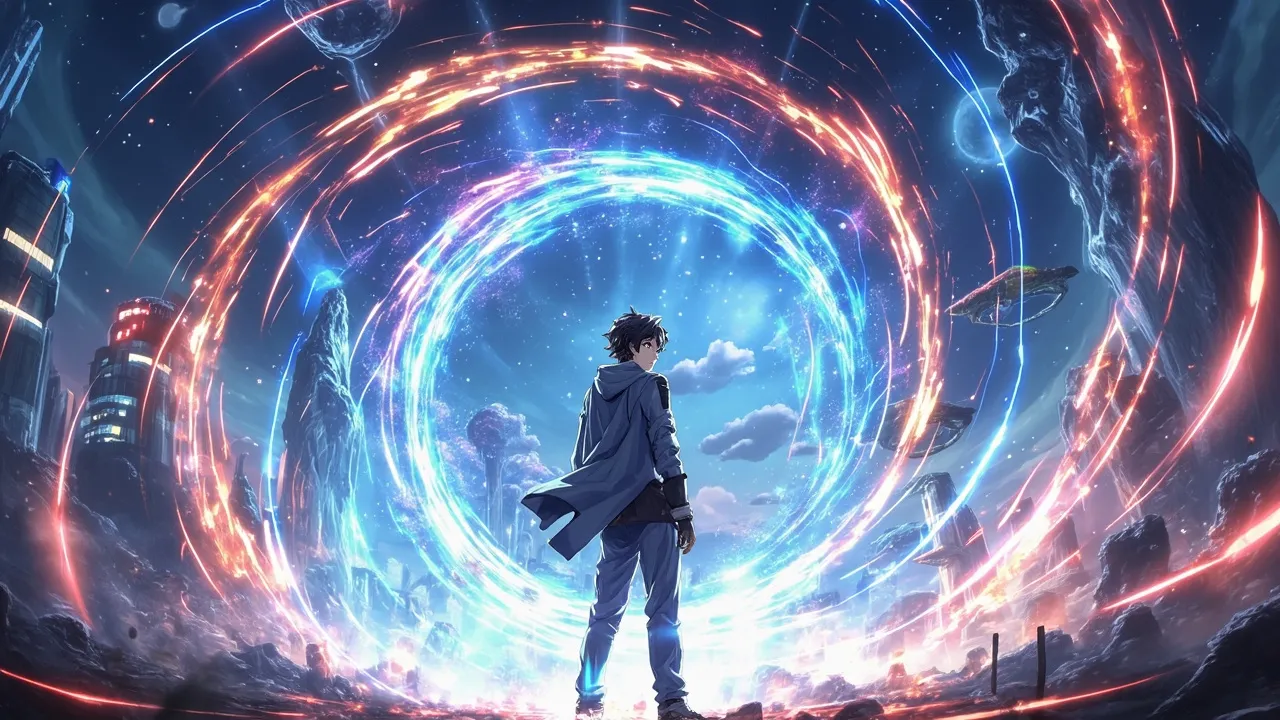
Portal Creation is the power to open gateways that connect two separate points in space, or even two different planes of existence. With a correctly formed portal, a user can step through a doorway and emerge somewhere else instantly—across a city, across a planet, or across realities depending on the setting and the user’s skill.
In stories, Portal Creation is often described as wormhole generation, dimensional gateways, spatial rifts, or portal magic. Regardless of the “flavor,” the core idea stays the same: the user bends distance (and sometimes reality) by creating a stable passage that people, objects, and energy can travel through.
Readers who want to compare Portal Creation with other traversal and battlefield-control abilities can browse the full catalog on the Superpower Wiki. For quick inspiration, the random superpower generator is a fun way to discover related powers like teleportation variants, spatial manipulation, or dimensional travel.
Core abilities of Portal Creation
Portal Creation can look wildly different from one universe to another, but most versions share a common toolkit.
First, the user can open a portal for instant travel. This is the classic “doorway” use: crossing a distance without walking it. Depending on the rules, portals may be two-way (you can go back), one-way (it collapses behind you), or paired (two linked gates that remain open for a set time).
Second, the user can reposition others. That might mean rescuing civilians, extracting teammates, or forcibly displacing enemies. In tactical terms, this is battlefield relocation—moving a target to a worse position without needing to overpower them physically.
Third, the user can redirect motion. A portal can be used like a spatial deflection shield: incoming projectiles, blasts, or charging opponents can be “caught” by one opening and released from another. Some versions even allow momentum to carry through cleanly, meaning a redirected attack can hit just as hard—only now it’s aimed back at the attacker.
Fourth, the user can create interdimensional travel. This expands Portal Creation beyond geography into planar gates: stepping into a pocket realm, crossing into an alternate universe, or opening a passage to a dangerous plane. In settings with multiple dimensions, this is where Portal Creation becomes a plot-changing superpower.
Finally, many users can fine-tune portal properties: size, shape, stability, duration, and anchoring. A small, quick portal might be used like a dodge or peek window. A large, anchored portal could support supply lines, mass evacuation, or a sustained invasion route.
Application / Tactical Advantages in Combat
In combat, Portal Creation is less about running away and more about controlling the map. It turns terrain into a weapon.
Portal-based tactics often include:
- Instant flanking and ambush routes that bypass walls, choke points, and fortifications.
- Emergency exits that prevent a team wipe by extracting allies the moment a fight turns.
- High-ground control by creating a “staircase” of portals to reach rooftops, ledges, or airborne positions.
- Line-of-sight denial by portal-peeking: opening a small gateway to scout without exposing the full body.
- Attack redirection, turning enemy fire into friendly fire by placing an exit behind the attacker.
- Area control by “threat of displacement,” forcing opponents to hesitate because any step forward could become a trap.
- Battlefield splitting, isolating a boss or removing support units by portaling them away from their team.
At higher mastery, Portal Creation can also enable portal traps: opening a gate beneath a target, opening a gate in front of a sprint to steal momentum, or creating a loop that forces repeated repositioning. Even without flashy damage, this power wins fights by denying the opponent stable footing and predictable spacing.
Level: Level 1 🏙️, Level 2 🌇, Level 3 🌃
Level 1 🏙️: Short-range gateways and basic repositioning
At Level 1, Portal Creation is reliable but limited. The user can open small-to-medium portals across short distances, usually within sight or within a familiar area. The portals are brief—often a couple of seconds—and require focus to keep stable.
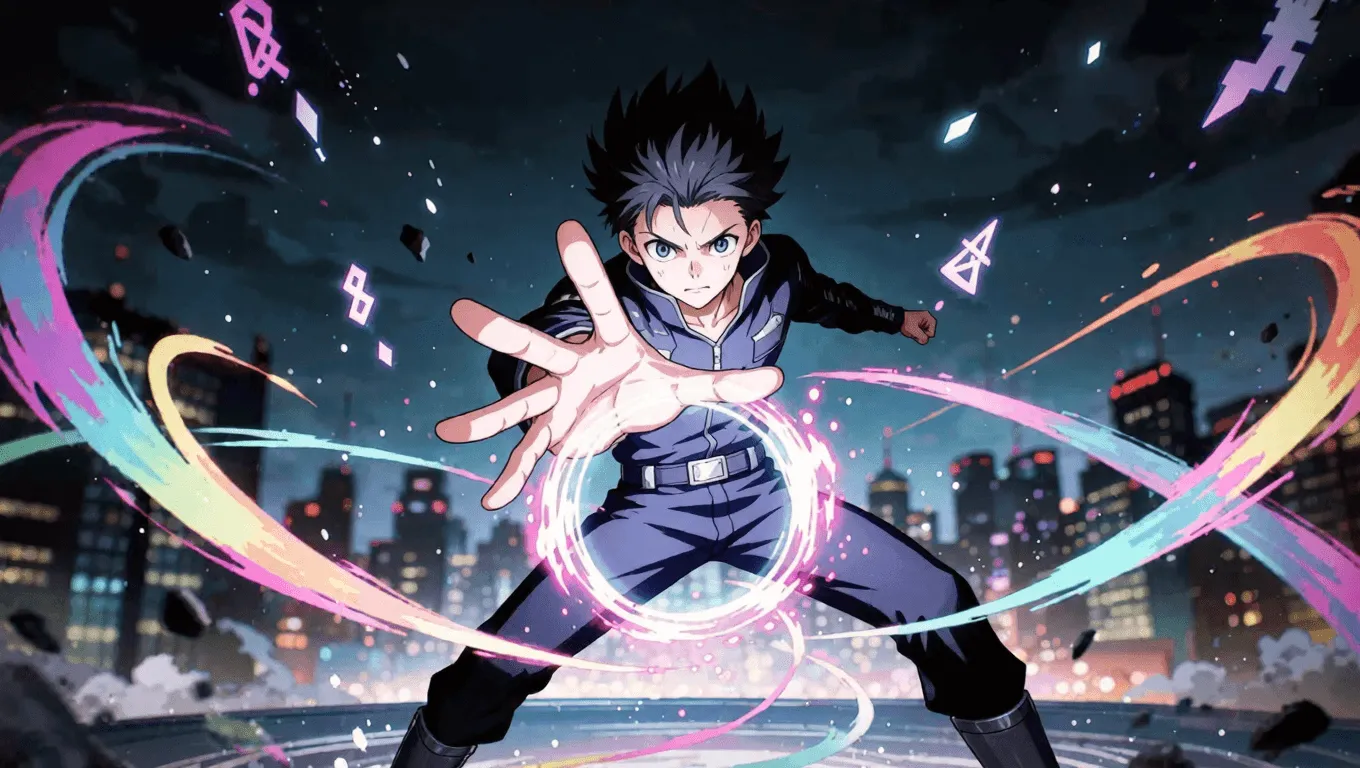
Typical Level 1 feats include:
- Dodging by stepping through a portal to reposition behind cover.
- Moving a teammate out of immediate danger.
- Creating a quick peek portal for scouting.
- Redirecting a single projectile if reaction time is strong.
The biggest strength here is mobility advantage. The biggest weakness is that the portals are “expensive” in attention: if the user is staggered or distracted, the gate collapses.
Level 2 🌇: Mid-range portals, multi-target transport, and redirection control
At Level 2, the user can open portals at greater distances and with more flexible placement. Portals can remain stable longer, may support larger objects, and can be deployed in sequences—creating chained movement and more complex tactics.
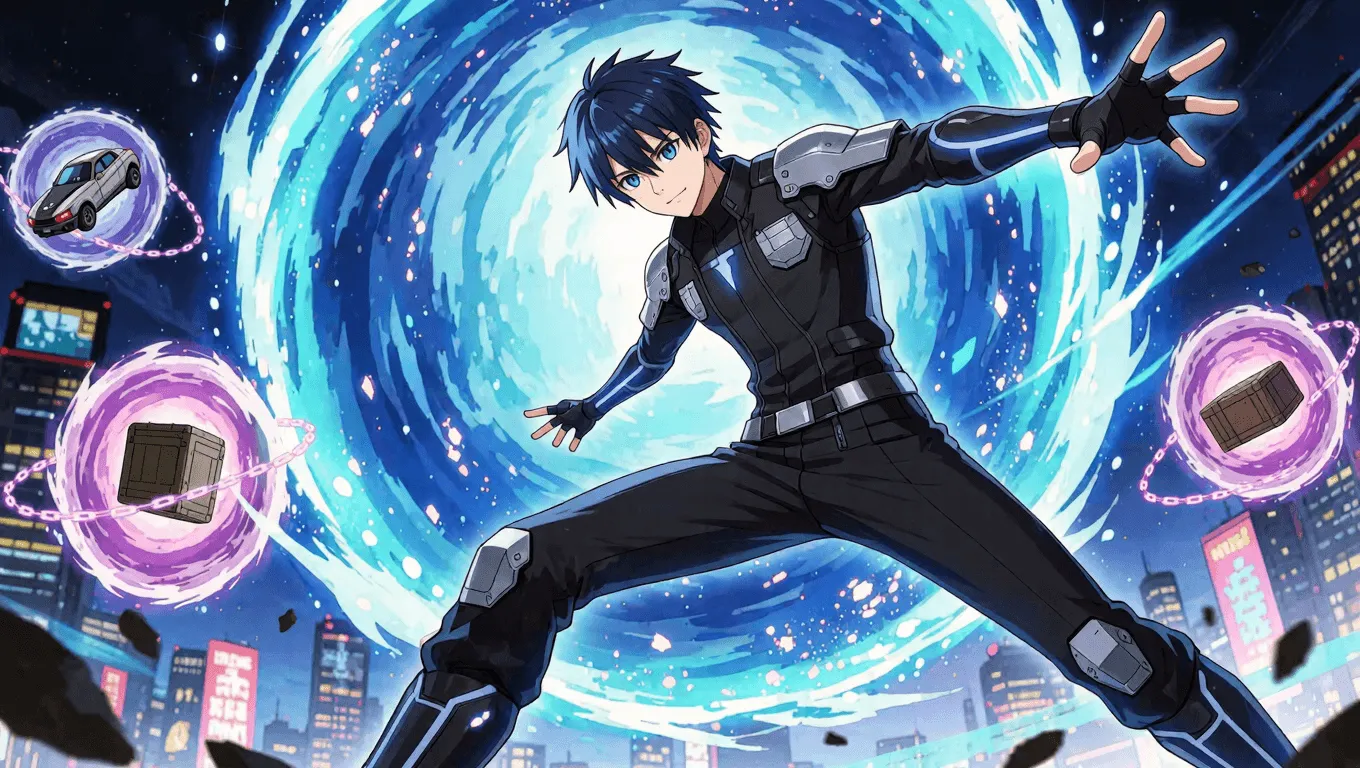
Common Level 2 capabilities:
- Team movement: transporting multiple allies in a coordinated push.
- Controlled redirection: reliably catching incoming fire and releasing it from a chosen angle.
- Forced displacement: sending enemies away (or into containment) if they’re caught off guard.
- Anchor points: creating repeatable exits in pre-marked locations.
This is the stage where Portal Creation becomes a strategic power. The user isn’t just escaping danger—they’re choosing where the fight happens.
Level 3 🌃: Long-range, interdimensional gates, and battlefield domination
At Level 3, Portal Creation is a top-tier spatial manipulation ability. The user can open large, stable gateways across extreme distances and potentially across planes. Portals can be sustained, moved, layered, or combined in ways that reshape an entire battlefield.
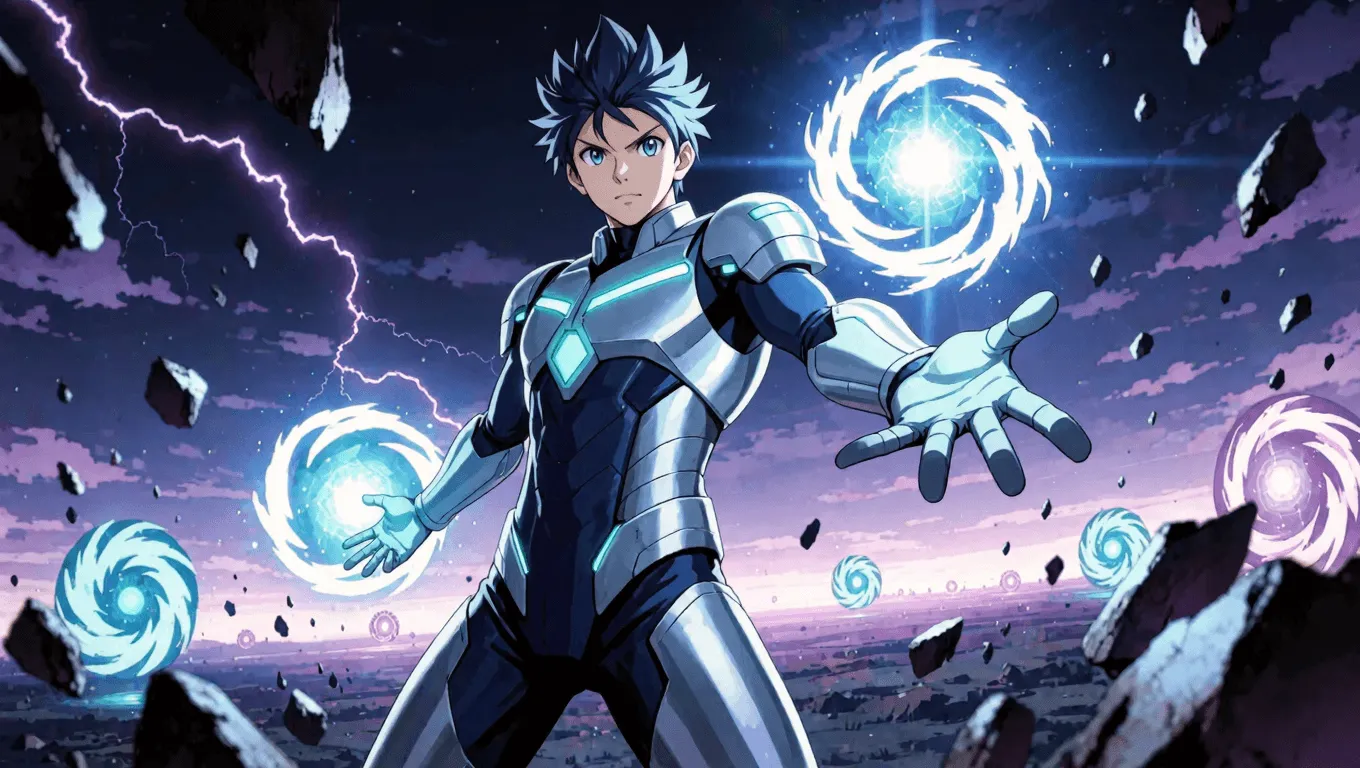
High-level feats may include:
- Mass transit portals for evacuation, logistics, or rapid deployment.
- Dimensional travel through planar gates (with the risks that come with it).
- Multi-portal networks that allow instant repositioning across multiple exits.
- Hard control techniques like portal cages, portal loops, or “no safe lane” zones where every angle can be punished.
At this level, the user’s main limitation is no longer “can they do it,” but “can they do it safely, precisely, and without being countered.”
Limitations of using the Portal Creation
Portal Creation looks unstoppable until the fine print kicks in. Most worlds impose constraints to keep portals from solving every problem instantly.
A common limitation is destination knowledge. Many versions require the user to visualize the location, understand coordinates, or have a “mental lock” on a target point. Unfamiliar destinations may cause misplacement or unstable gates.
Another limitation is anchoring and stability. Portals often need a stable frame—magical focus, technology, a rune circle, or intense concentration. If the environment is chaotic (explosions, storms of energy, reality distortion), portals can wobble, shrink, or collapse.
Energy cost is also a classic constraint. Maintaining a portal is usually more draining than opening one. Large portals, long durations, or interdimensional travel can burn through stamina fast, leaving the user vulnerable after a big play.
Line-of-sight and obstruction rules matter as well. Some settings allow a portal to open anywhere; others restrict portals to surfaces, open air, or within a certain range. Anti-teleport fields, dimensional barriers, or warded areas can prevent portal placement entirely.
Finally, there’s the safety problem. Portal Creation can introduce hazards like spatial shear, disorientation, or “portal sickness” (nausea, dizziness, sensory lag). Even if the user is immune, teammates and civilians might not be. Precision becomes a moral and practical requirement.
Weakness against what other superpowers
Portal Creation is powerful, but it’s not invincible—especially against abilities that interfere with space, perception, or the user’s focus.
Portal Creation tends to struggle against:
- Power nullification and suppression abilities that shut powers off mid-cast.
- Spatial lockdown and dimensional anchoring that prevents gateways from forming.
- Reality warping that reshapes the rules of distance or makes locations “not match” their intended coordinates.
- Time manipulation that stops the user before the portal fully stabilizes.
- Gravity manipulation or singularity effects that destabilize the portal boundary and make exits unsafe.
- Anti-magic fields or tech-disruption auras (depending on whether the portals are magical or technological).
- Illusion and perception manipulation that causes mis-aimed portals, wrong exits, or “bait” destinations.
- Precognition and enhanced awareness powers that reduce ambush value by predicting portal entry points.
In short, Portal Creation wins by controlling positioning. Anything that denies positioning control—or corrupts the user’s accuracy—can flip the matchup.
Synergistic Power Combos
Portal Creation becomes even more dangerous when paired with complementary abilities. The best combos either improve accuracy and planning, enhance survivability during casting, or exploit the portals for offense and control.
Notable synergistic pairings include:
- Enhanced Wits: rapid calculation, route planning, and predictive tactics make portal placement smarter and safer.
- Divination: glimpses of likely outcomes help avoid opening a gate into a trap or hazard.
- Psychic Shield: protects the user’s concentration from telepathic disruption and panic effects.
- Concussion Beams: portals turn linear blasts into unpredictable angles, enabling safe fire from cover or surprise strikes.
- Twilight Manipulation: conceal portal openings, hide exit points, and create confusing visibility that amplifies ambush potential.
- Environmental Adaptation: reduces the risk of opening portals into extreme conditions and improves survivability after crossing.
- Order Manipulation: stabilizes chaotic portal physics, reinforces anchoring, and reduces misfire chances in reality-warping zones.
- Enhanced Stamina: supports sustained portal networks, repeated team repositioning, and long-duration evacuation routes.
The strongest Portal Creation users rarely rely on portals alone. They build a kit that keeps the gateways accurate, protected, and tactically decisive.
Known Users
Portal-style powers appear across comics in many forms—mystic gateways, mutant warps, living portals, and dimensional punches. Below are well-known examples.
- Doctor Strange — Uses magical techniques and tools to open portals for rapid travel and access to other realms. (Profile: Marvel)
- Magik — Creates stepping discs, circular gateways used for teleportation and dimension-linked travel. (Profile: Marvel)
- Blink — Generates teleportation warp portals with high finesse, often used for rescue and combat repositioning. (Profile: Marvel)
- Spot — A living conduit of portals, using “spots” as movable gateways for attacks and traversal. (Profile: Marvel)
- America Chavez — Known for creating star-shaped portals that allow interdimensional travel. (Profile: Marvel)