
Thoughtography
Thoughtography Video Demo 🎬
Table of Contents
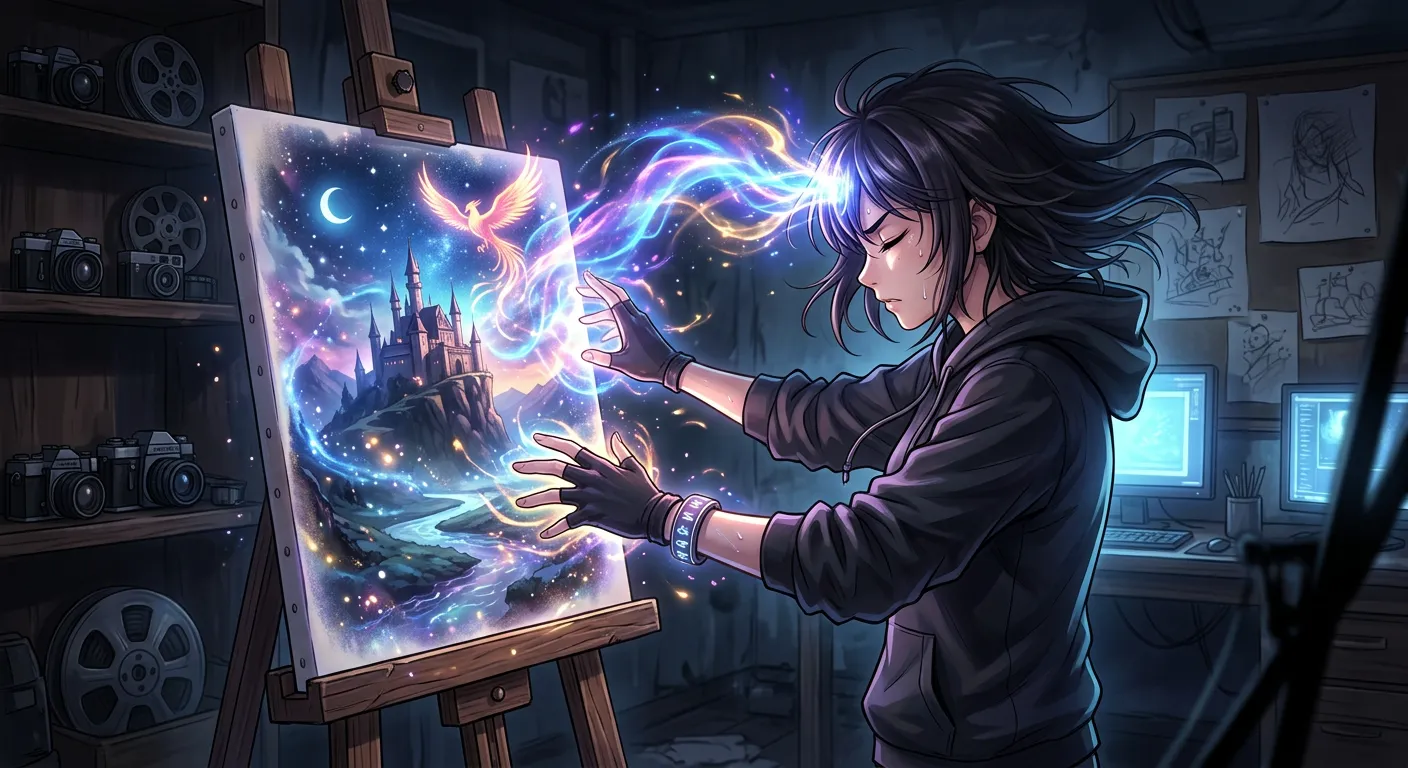
Thoughtography is a fascinating psychic ability that allows a person to project mental images onto physical surfaces such as film, paper, walls, or digital media. Often connected to psychic photography, mind projection, and paranormal imprinting, Thoughtography blurs the line between imagination and reality. A user can essentially “print” thoughts, memories, visions, or hallucinations into visible form without traditional artistic tools.
This power has appeared in supernatural fiction, psychic investigations, horror stories, and science fiction. Some versions portray Thoughtography as a subtle extrasensory phenomenon, while others transform it into a powerful weapon capable of exposing secrets, creating illusions, or influencing minds. Among the many abilities listed in our superpower database, Thoughtography stands out because it combines psychic energy, visual manifestation, and information manipulation into one unique talent. Fans searching for unusual psychic powers can also explore more abilities using the random superpower generator.
What Is Thoughtography
Thoughtography is the psychic ability to transfer mental imagery into physical form. Instead of drawing or digitally editing an image, the user mentally projects thoughts directly onto a medium. The resulting image may appear as a photograph, spectral imprint, moving vision, or symbolic artwork.
The power is commonly associated with:
- Psychic photography
- Mind manifestation
- Mental projection
- Psionic imaging
- Paranormal imprinting
- Telepathic visualization
A Thoughtography user might create exact reproductions of memories, future visions, dreams, or subconscious fears. Depending on the strength of the ability, these images may be temporary illusions or permanent physical records.
In some fictional settings, Thoughtography works through psychic wavelengths interacting with light-sensitive materials. In others, it is treated as a supernatural phenomenon tied to spirits, astral energy, or telepathy.
Core Abilities of Thoughtography
Mental Image Projection
The primary ability is projecting thoughts into visible images. A user can focus on a memory or imagined scene and cause it to appear on paper, film, screens, or nearby surfaces.
Highly skilled users can create extremely detailed images, including:
- Faces
- Landscapes
- Symbols
- Hidden memories
- Alternate realities
- Future events
Psychic Photography
Thoughtography users often manipulate cameras or photographs psychically. Images may appear on undeveloped film without exposure to light, or existing photos may change based on the user’s thoughts.
This ability can reveal:
- Hidden entities
- Invisible objects
- Emotional energy
- Past events
- Supernatural beings
Memory Visualization
The user can externalize memories for others to see. Instead of verbally explaining an event, they can project it visually.
This makes Thoughtography useful for:
- Investigations
- Interrogations
- Historical reconstruction
- Training
- Therapy
Illusion Creation
Advanced users can project temporary images into the environment itself. These may appear as ghostly apparitions, fake objects, or realistic visual distractions.
Although these illusions are often intangible, they can confuse enemies and manipulate perception.
Dream Imprinting
Some versions of Thoughtography allow users to capture dreams and nightmares onto physical media. This ability can expose subconscious fears or hidden desires.
Dream imprinting is especially common in horror and psychological fiction.
Emotional Residue Detection
By touching objects or entering emotionally charged locations, the user may psychically record lingering emotions as visible images. A traumatic event could leave behind visual echoes that only the Thoughtography user can perceive and capture.
Application / Tactical Advantages in Combat
Thoughtography is not always a destructive power, but it can become highly effective in tactical and psychological warfare.
Psychological Manipulation
The user can force enemies to confront disturbing memories or terrifying visions. By projecting emotional imagery, they can weaken morale and destabilize opponents mentally.
This is particularly effective against:
- Fearful enemies
- Traumatized targets
- Weak-minded opponents
- Psychic-sensitive individuals
Battlefield Deception
Illusory Thoughtography projections can create false enemies, fake terrain, or phantom hazards. Opponents may waste attacks on nonexistent targets while the user escapes or counterattacks.
Examples include:
- Fake explosions
- Phantom soldiers
- Illusory walls
- False exits
Intelligence Gathering
Thoughtography users can expose hidden information by psychically reconstructing crime scenes or secret meetings. In espionage scenarios, this becomes an incredibly valuable reconnaissance ability.
Communication Without Language
Mental images transcend spoken language barriers. Teams can exchange complex visual information instantly without verbal communication.
This makes the power useful during stealth missions or operations involving alien species and unknown languages.
Evidence Creation
A user can create visual proof of events others did not witness. This can expose lies, conspiracies, or supernatural incidents.
In some settings, governments and organizations actively hunt Thoughtography users because of this capability.
Level: Level 1 🏙️, Level 2 🌇, Level 3 🌃
Level 1 🏙️ – Basic Mental Imprinting
At this stage, the user can project simple images onto paper or photographs with intense concentration.
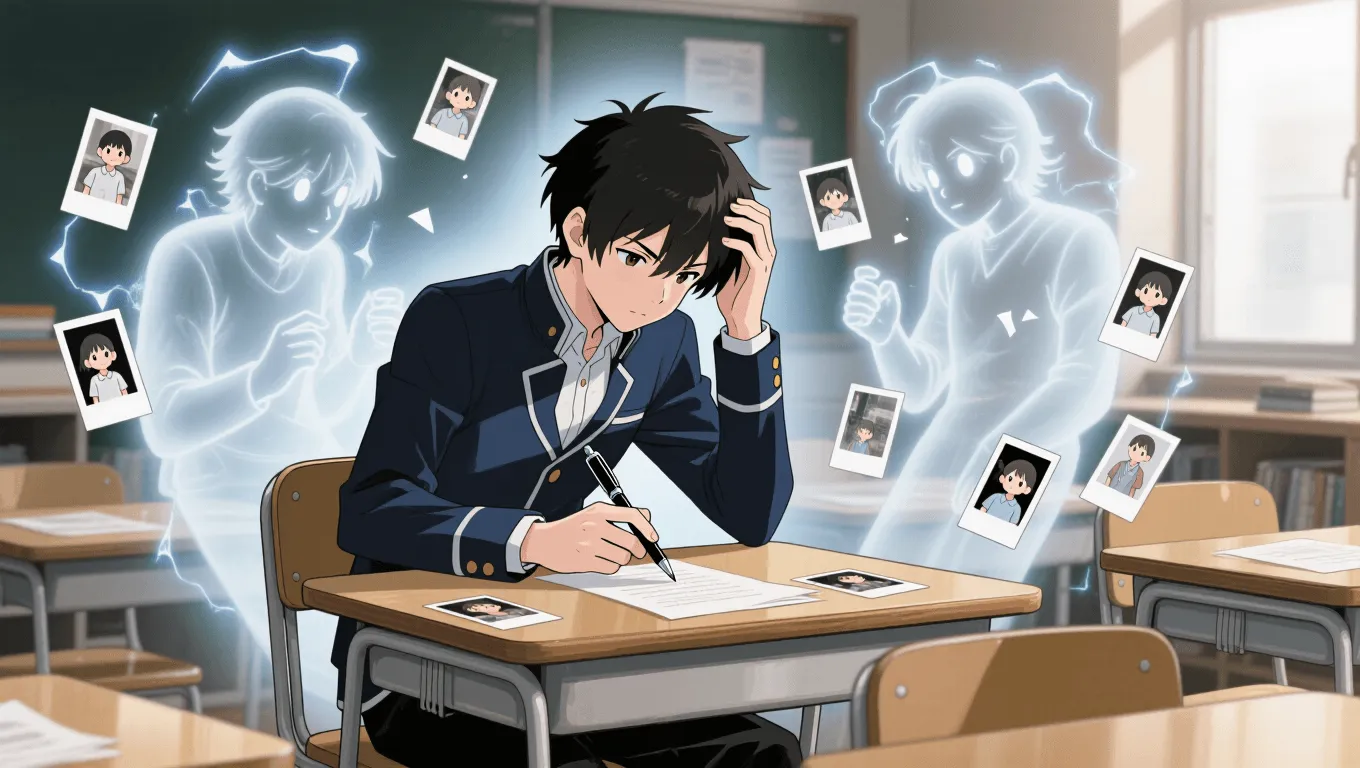
Abilities include:
- Creating blurry psychic images
- Imprinting emotions onto photos
- Revealing faint memories
- Producing static visual projections
Limitations remain significant, and the images are often unstable or unclear.
Level 2 🌇 – Advanced Psychic Projection
The user gains stronger control and precision over their projections.
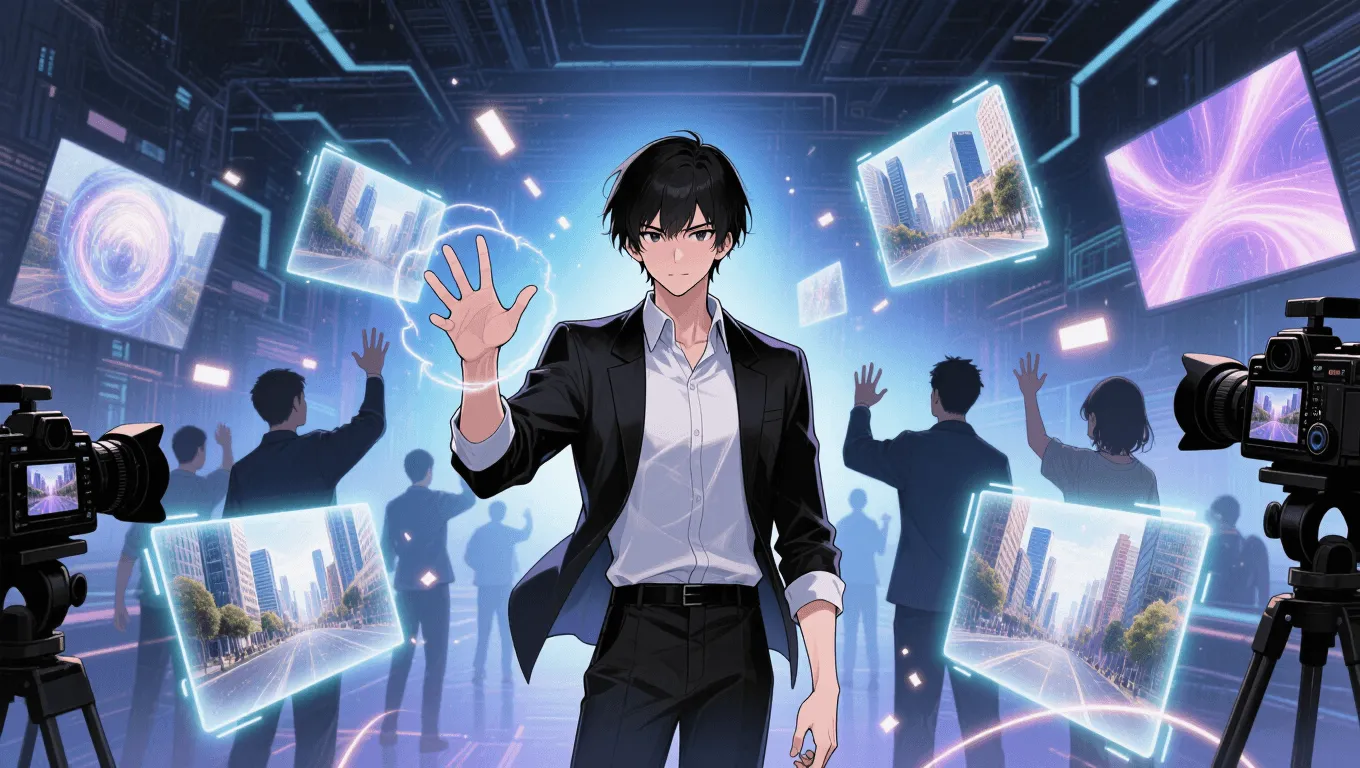
New capabilities include:
- Realistic visual recreations
- Temporary environmental illusions
- Memory extraction imagery
- Psychic interaction with cameras and screens
- Group hallucination effects
The user can influence multiple people simultaneously and maintain projections for longer durations.
Level 3 🌃 – Reality-Scale Thought Manifestation
At maximum power, Thoughtography becomes nearly reality-altering.

The user may:
- Create city-wide illusions
- Materialize semi-solid psychic constructs
- Permanently alter visual records
- Project future possibilities
- Rewrite perceived reality
- Trap targets inside psychic image worlds
At this level, distinguishing illusion from reality becomes nearly impossible.
Limitations of Using the Thoughtography
Despite its versatility, Thoughtography has several important weaknesses.
Requires Mental Focus
The user must maintain concentration to create stable projections. Distractions, fear, or exhaustion can distort the images.
Emotional Instability
Strong emotions may unintentionally affect the projections. Anger could create violent imagery, while fear might produce uncontrollable nightmares.
Limited Physical Damage
Most Thoughtography constructs are visual rather than physical. Against purely physical attackers, the power may struggle without support abilities.
Vulnerability to Blindness or Darkness
Some versions rely heavily on visual media or light-sensitive surfaces. Complete darkness or sensory disruption may weaken the ability.
Psychic Feedback
Projecting traumatic memories repeatedly can psychologically damage the user. Overuse may blur the boundary between imagination and reality.
Technology Interference
Electronic noise, anti-psychic fields, or electromagnetic disruption may distort projected images.
Weakness Against What Other Superpowers
Thoughtography performs poorly against certain powers that counter mental or visual manipulation.
Telepathy
Telepaths can recognize false projections and resist mental deception.
Superhuman Senses
Enhanced sensory users may detect inconsistencies in psychic illusions.
Reality Warping
Reality manipulators can overwrite or negate projected imagery entirely.
Mental Immunity
Characters with psychic shielding or mind resistance are difficult to influence.
Darkness Manipulation
If Thoughtography depends on visible projection surfaces, darkness-based abilities may suppress the power’s effectiveness.
Electromagnetic Manipulation
Strong electromagnetic interference can disrupt cameras, projection media, and psychic frequencies.
Powers like Telepathy, Illusion Manipulation, and Reality Warping are particularly dangerous counters to Thoughtography users.
Synergistic Power Combos
Thoughtography becomes dramatically stronger when combined with complementary psychic or illusion-based abilities.
Thoughtography + Telepathy
The user can read minds and instantly project those thoughts into visible form.
This combination enables:
- Memory extraction
- Public exposure of secrets
- Shared hallucinations
- Psychological interrogation
Thoughtography + Illusion Manipulation
Thoughtography supplies realism while illusion powers add sensory depth. Together, they create near-perfect false realities.
Thoughtography + Precognition
Future visions can be visually recorded and shared with allies.
This is useful for:
- Disaster prevention
- Tactical planning
- Predictive warfare
Thoughtography + Astral Projection
The user can capture visions from spiritual or alternate planes and materialize them physically.
Thoughtography + Technopathy
Digital systems become psychic canvases. The user may alter screens, broadcasts, or surveillance feeds remotely.
Known Users
Thoughtography is relatively rare in mainstream fiction, but similar powers appear across paranormal media, comics, and supernatural stories.
Mysterio
While not a traditional psychic, Mysterio uses advanced illusion projection techniques that resemble high-tech Thoughtography concepts. His visual manipulations create believable false realities.
Learn more at Marvel Official Website
Psylocke
Psylocke’s psychic projections and telepathic visualizations share similarities with Thoughtography, particularly in how mental imagery affects others.
Learn more at Marvel Official Website
Ted Serios
Ted Serios became famous in paranormal history for alleged psychic photography experiments during the 1960s. His claims heavily influenced modern fictional interpretations of Thoughtography.
Learn more at Wikipedia - Ted Serios