
Inorganic
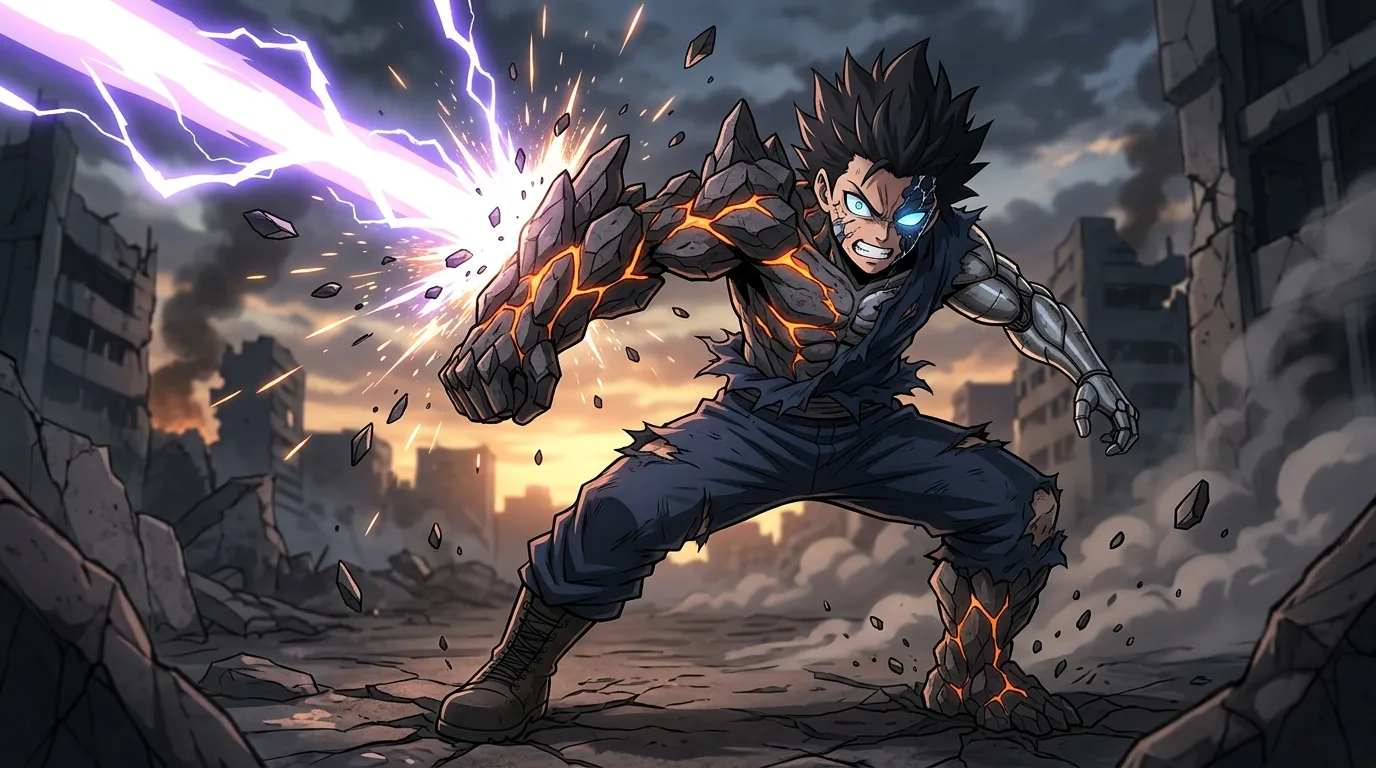
Inorganic Video Demo 🎬
Table of Contents
The Inorganic superpower allows a being to transform their entire body into an inorganic substance while remaining fully alive and conscious. Unlike ordinary shape-shifting or armor generation, Inorganic transformation fundamentally changes the user’s biological composition into non-living materials such as stone, crystal, metal, glass, sand, or even rare minerals. This ability grants immense durability, environmental resistance, and unique combat advantages that make it one of the most versatile transformation powers in fiction.
Characters with Inorganic abilities often become nearly indestructible while transformed. Depending on the material used, they may gain enhanced strength, immunity to pain, elemental resistance, or specialized abilities linked to their chosen substance. Many users can freely switch between organic and inorganic forms, allowing them to adapt to battlefields, survive extreme environments, and perform feats impossible for normal living organisms.
This power is frequently connected to other abilities found on our superpower list, especially transformation-based powers, durability enhancement, and elemental manipulation. Some universes portray Inorganic transformation as a scientific mutation, while others explain it through magic, alien physiology, or advanced technology. For users who enjoy discovering unpredictable powers, the random superpower generator can reveal many similar abilities.
What Is Inorganic
Inorganic is the ability to convert a living biological body into non-organic matter without dying. Normally, living creatures depend on organic cells and biological systems to function. With this power, the user bypasses those limitations and becomes a living inorganic entity.
The transformed material can vary greatly depending on the character or setting. Common inorganic forms include:
- Stone
- Steel
- Crystal
- Diamond
- Sand
- Glass
- Ice
- Concrete
- Mercury
- Salt
- Obsidian
Unlike standard armor creation, the user themselves becomes the substance. Their muscles, skin, bones, and organs no longer function biologically during transformation. Despite this, the user can still think, move, and survive.
Some Inorganic users maintain a humanoid appearance, while others become monstrous or abstract forms. Advanced users may partially transform only specific body parts, such as turning arms into steel weapons or converting skin into diamond armor.
Core Abilities of Inorganic
Full Body Material Transformation
The defining trait of Inorganic is total conversion into inorganic matter. The body ceases functioning as flesh and instead acts according to the physical properties of the selected material.
A stone form becomes massively durable. A metal form becomes resistant to blades and bullets. A crystal form may reflect energy attacks.
Enhanced Durability
Most inorganic substances are naturally harder than human flesh. This grants users enormous resistance against:
- Gunfire
- Blunt trauma
- Explosions
- Fire
- Extreme temperatures
- Poison
- Disease
Some users become nearly indestructible depending on their material density.
Immortality-Like Survival
Because the user no longer depends on biological systems, they may survive conditions impossible for normal organisms, including:
- Vacuum exposure
- Deep underwater pressure
- Toxic atmospheres
- Radiation
- Starvation
- Suffocation
As long as the inorganic structure remains intact enough to function, the user survives.
Material-Based Powers
Different substances provide specialized traits.
Metal Forms
- Increased strength
- Conductivity
- Weapon generation
- Magnetic interaction
Stone Forms
- Massive defense
- Earth resistance
- Shock absorption
Crystal Forms
- Light refraction
- Energy amplification
- Sharp projectile creation
Sand Forms
- Dispersal abilities
- Shape manipulation
- Damage evasion
Body Reshaping
Many Inorganic users can reshape their transformed bodies into tools or weapons. Arms may become blades, hammers, spikes, shields, or projectile launchers.
Some can alter density to become heavier or lighter depending on tactical needs.
Regeneration Through Reconstruction
Advanced users can rebuild damaged portions of their bodies using surrounding inorganic matter. A shattered stone arm might reform using nearby rock fragments.
Application / Tactical Advantages in Combat
Inorganic is exceptionally powerful in combat because it combines offense, defense, and adaptability.
Frontline Tanking
Users transformed into dense substances can absorb massive punishment and protect allies. They often function as living shields capable of holding defensive positions.
Environmental Superiority
Different materials dominate different environments.
- Stone excels underground
- Ice thrives in frozen climates
- Metal performs well in industrial settings
- Sand gains advantages in deserts
The right form can turn terrain into an advantage.
Immunity to Biological Warfare
Poisons, toxins, viruses, and chemical attacks usually fail against inorganic bodies. This makes the user highly effective against enemies who rely on biological manipulation.
Heavy Impact Combat
Dense forms increase striking force dramatically. A punch from a living steel body carries far more momentum than ordinary flesh.
Shape-Based Offense
The ability to create spikes, blades, or crushing limbs makes the user unpredictable in close combat.
Defensive Adaptation
Advanced users can rapidly switch materials to counter threats. They may become rubber-like against electricity or diamond-hard against physical attacks.
Level: Level 1 🏙️, Level 2 🌇, Level 3 🌃
Level 1 🏙️
At the beginner stage, the user can transform into a single inorganic material for short periods.

Abilities include:
- Basic durability enhancement
- Limited resistance to damage
- Partial body transformation
- Slow movement in transformed state
Weaknesses are still significant, and maintaining the form may cause exhaustion.
Level 2 🌇
Intermediate users gain greater control and tactical flexibility.

Abilities include:
- Full-body transformation
- Multiple material options
- Improved strength
- Material reshaping
- Environmental resistance
- Partial regeneration
At this stage, the user becomes highly dangerous in conventional combat.
Level 3 🌃
Master-level Inorganic users achieve near-complete material mastery.
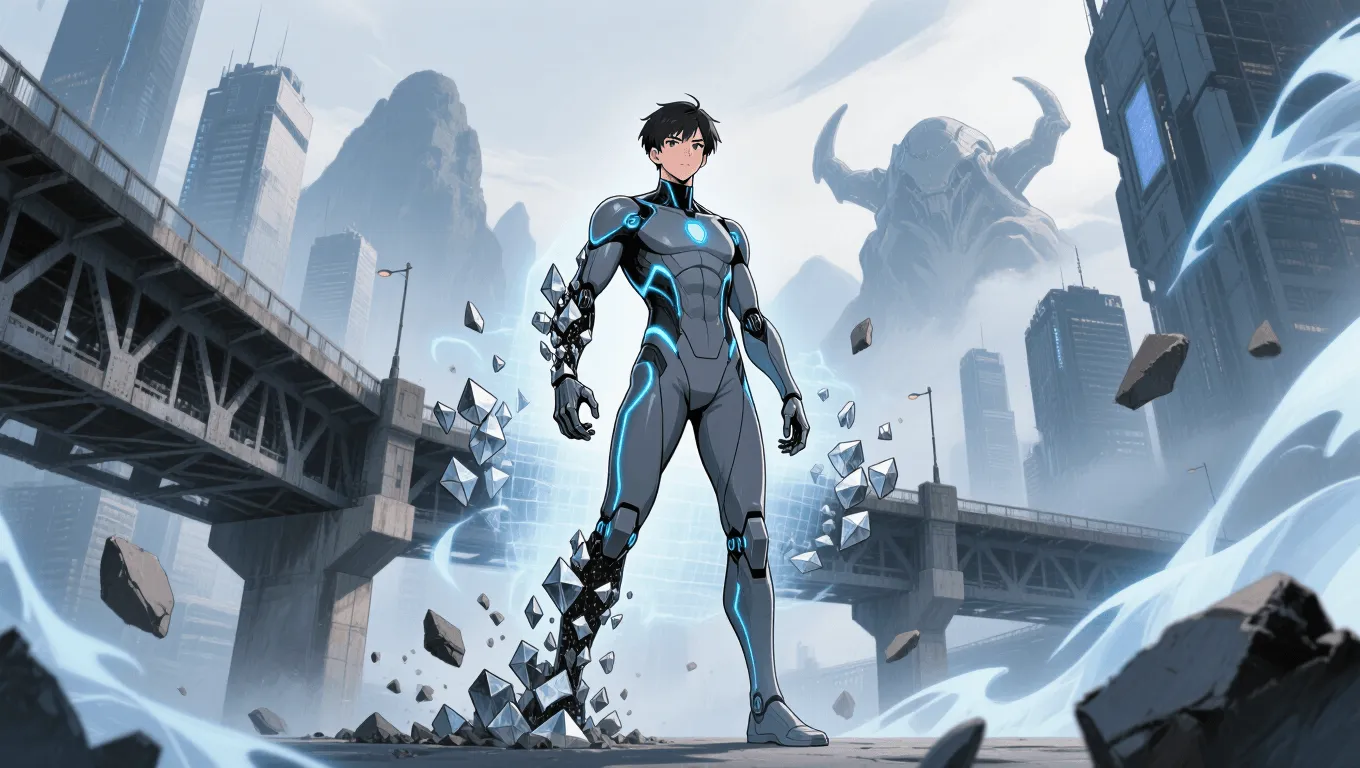
Abilities include:
- Instant transformation
- Molecular restructuring
- Massive size alteration
- Adaptive density control
- Near-indestructibility
- Regeneration from fragments
- Fusion with surrounding inorganic matter
Some elite users can merge with buildings, mountains, or metallic structures to become colossal entities.
Limitations of Using the Inorganic
Despite its immense defensive potential, Inorganic has important limitations.
Material Weaknesses
Every inorganic substance has vulnerabilities.
- Glass shatters
- Metal melts
- Stone cracks
- Ice melts
- Crystal fractures
Enemies who understand the material can exploit its weaknesses.
Reduced Mobility
Heavy forms may become slow or cumbersome. Dense materials can reduce agility and reaction speed.
Energy Consumption
Maintaining full transformation may require immense stamina or energy. Extended battles can exhaust the user.
Fragmentation Risk
If enough of the body is destroyed simultaneously, regeneration may become impossible.
Electrical or Magnetic Vulnerability
Certain metallic forms are vulnerable to magnetism or electricity.
Emotional or Mental Disconnect
Some fictional versions portray users gradually losing emotional sensation while transformed, becoming psychologically detached from humanity.
Weakness Against What Other Superpowers
Inorganic can be countered effectively by several other superpowers.
Molecular Manipulation
Users who alter matter at the molecular level can destabilize inorganic structures entirely.
Heat Manipulation
Extreme heat can melt metals, crack stone, or vaporize minerals.
Vibration Manipulation
Resonance frequencies can shatter crystal or brittle forms with devastating efficiency.
Corrosion Powers
Acid generation and decay-based abilities can dissolve inorganic bodies.
Telekinesis
Powerful telekinetics may crush, scatter, or dismantle inorganic structures remotely.
Magnetism Manipulation
Metallic users are especially vulnerable to magnetic control.
Intangibility
Phasing opponents can bypass dense defenses and attack weak internal points.
Synergistic Power Combos
Inorganic becomes even more dangerous when combined with complementary superpowers.
Inorganic + Density Manipulation
This combination allows the user to alter both material type and physical density for maximum versatility.
Inorganic + Regeneration
Regeneration compensates for fragmentation weaknesses and enables near-immortality.
Inorganic + Elemental Manipulation
A stone-based user with earth manipulation or a metal user with magnetic powers becomes dramatically stronger.
Inorganic + Super Strength
The increased durability prevents self-damage from overwhelming physical force.
Inorganic + Size Manipulation
Gigantic inorganic forms become walking fortresses capable of destroying cities.
Inorganic + Shapeshifting
Combining living matter transformation with inorganic conversion grants unmatched adaptability.
Known Users
Several fictional characters demonstrate powers closely related to Inorganic transformation.
The Thing
One of the most famous inorganic-like heroes, The Thing possesses a rocky body with immense durability and strength. Although permanently transformed, his stone physiology embodies many traits associated with Inorganic powers.
Learn more at Marvel’s official The Thing page
Colossus
Colossus transforms his body into organic steel, granting superhuman durability, strength, and resistance to extreme conditions.
Learn more at Marvel’s official Colossus page
Sandman
Sandman can transform into living sand, reshape his body, regenerate from fragments, and disperse himself to avoid damage.
Learn more at Marvel’s official Sandman page
Diamondhead
Diamondhead transforms into a crystalline alien capable of generating sharp crystal weapons and resisting tremendous damage.
Learn more at Ben 10 Wiki - Diamondhead