
Neurocognitive Deficit
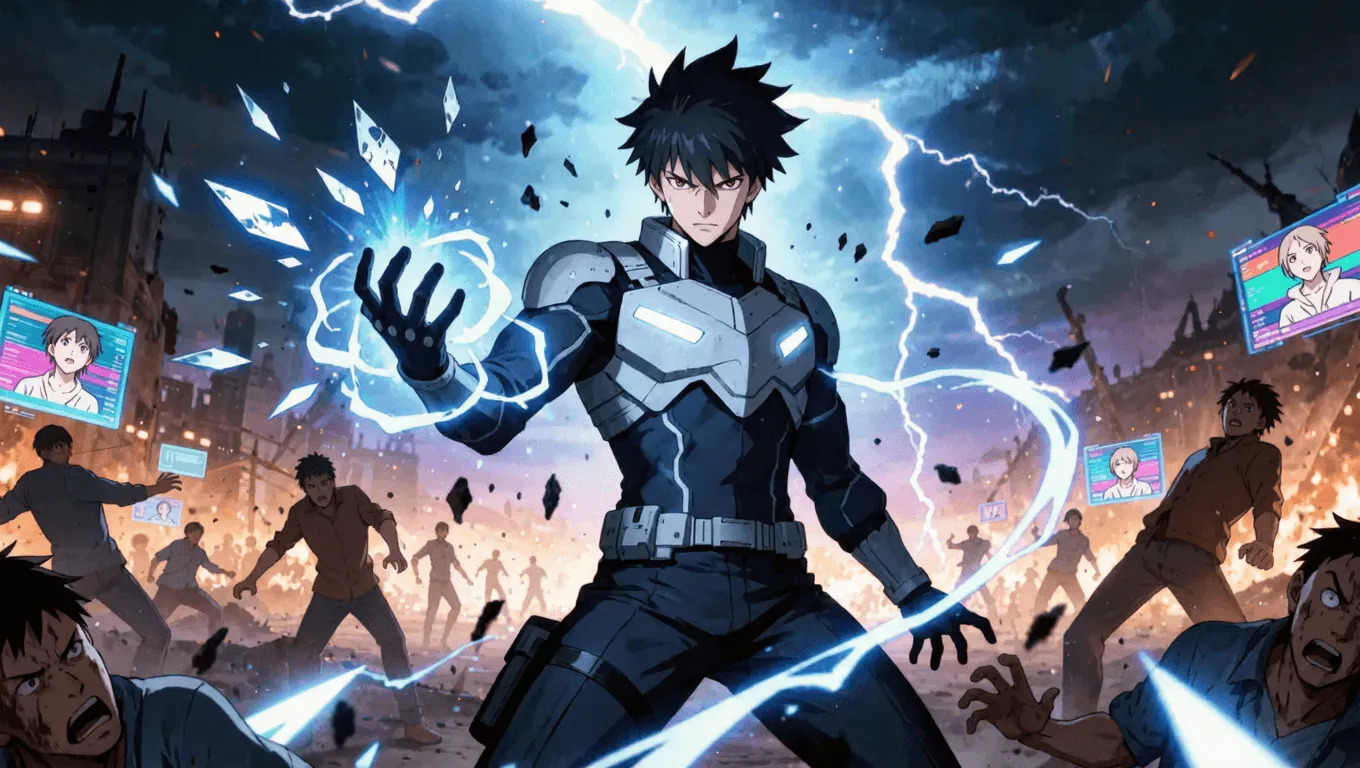
Neurocognitive Deficit Video Demo 🎬
Table of Contents
- Neurocognitive Deficit Video Demo 🎬
- What Is Neurocognitive Deficit
- Core abilities of Neurocognitive Deficit
- Application / Tactical Advantages in Combat
- Level: Level 1 🏙️, Level 2 🌇, Level 3 🌃
- Limitations of using the Neurocognitive Deficit
- Weakness against what other superpowers
- Synergistic Power Combos
- Known Users
What Is Neurocognitive Deficit
Neurocognitive Deficit is a superpower that induces mental fog, confusion, and memory loss in a chosen target. Within the first moments of exposure, the affected mind can feel “clouded,” as if thoughts are moving through thick mist. The result is a practical, combat-ready form of cognitive impairment: slower reactions, broken focus, missed details, and unreliable recall of what just happened.
Unlike flashy abilities that rely on brute force, Neurocognitive Deficit functions like a mental debuff. It sabotages the target’s ability to process information, make decisions, and maintain situational awareness. Depending on the user’s mastery, it can range from mild brain fog induction (enough to disrupt aim and timing) to severe amnesia induction (enough to erase short-term memories, scramble plans, and make an enemy forget why they entered the fight at all).
In most power systems, this ability is categorized alongside memory suppression, mind haze effects, neural disruption, and perception interference. It may be delivered as a directed “mental pulse,” an aura-like field, a gaze-triggered effect, a spoken trigger, or a touch-based neural inhibition—each delivery method shaping how it’s used tactically.
For readers who enjoy comparing mind-based powers to other abilities, browsing a broader catalog on the Superpower Wiki can help frame where Neurocognitive Deficit sits among perception, psionics, and status-effect powers. For quick inspiration, the Random Superpower Generator can also surface unexpected pairings and counters.
Core abilities of Neurocognitive Deficit
Neurocognitive Deficit typically expresses as a toolkit of related effects rather than a single on/off switch. Common core abilities include:
- Mental fog induction: The target experiences slowed thinking, poor concentration, and difficulty holding a plan in mind. This often looks like hesitation, misreads, and delayed reactions.
- Working-memory interference: Recent information “falls out” of the target’s mind—positions, instructions, codes, names, or the last few seconds of action.
- Short-term memory loss: The target forgets what just occurred, sometimes repeating actions or asking the same questions, creating exploitable loops.
- Attention disruption: The target becomes distractible and loses the ability to track multiple threats, making feints and decoys unusually effective.
- Executive dysfunction: Decision-making breaks down. The target struggles to prioritize, adapt, or commit to a response.
- Confusion and misassociation: The mind connects the wrong dots, interpreting allies as threats, misjudging distance, or misunderstanding spoken commands.
- Recall suppression: Even if the target “knows” something, retrieving it becomes difficult (passwords, tactics, enemy profiles, escape routes).
At higher levels, users may gain finer control, such as selective memory editing (removing a specific moment), timed “gaps” (erasing only the last 10 seconds repeatedly), or layered haze effects (stacking fog plus recall suppression). In settings with a psionic or magical framework, the effect may resemble psychic interference or a spell-like mind wipe. In settings with biotech or neuro-energy rules, it may read as synaptic scrambling or targeted neural noise.
Application / Tactical Advantages in Combat
Neurocognitive Deficit is most dangerous when used proactively. Rather than “winning” by overpowering a foe, it makes the foe incapable of fighting well.
Key combat advantages include:
- Initiative theft: A brief mental fog at the start of an engagement can steal the target’s opening move, causing them to pause at exactly the wrong time.
- Aim and timing disruption: Even elite marksmen and melee specialists rely on micro-timing and prediction. Brain fog blunts both, turning clean strikes into near-misses.
- Formation collapse: Teams depend on coordination. Memory loss can make a target forget callouts, routes, signals, or the plan’s current phase.
- Anti-strategy pressure: Tactical thinkers are especially vulnerable if the power targets working memory. The best plan in the world fails if the planner cannot hold the steps.
- Stealth amplification: If a guard cannot remember seeing a suspicious figure, a slip-up becomes a non-event. Short-term amnesia creates “soft resets” in security.
- Interrogation and escape: Confusion and recall suppression can derail questioning, erase recognition of the user, or make the target forget where they hid something minutes ago.
- Non-lethal shutdown: In many narratives, Neurocognitive Deficit is a cleaner alternative to lethal force, disabling opponents without breaking bones—though it can still be ethically troubling and psychologically damaging.
Used with discipline, the power can function like crowd control: applying mild fog to many targets to slow them, while applying deeper memory suppression to the most dangerous opponent. It also synergizes with battlefield misdirection; enemies who cannot trust their own recall become easy to herd.
Level: Level 1 🏙️, Level 2 🌇, Level 3 🌃
Level 1 🏙️: Distraction-grade fog

At this level, Neurocognitive Deficit creates noticeable brain fog but rarely full memory wipes. Targets may:
- lose focus for a few seconds,
- forget a single detail (a door code, a face, the last instruction),
- hesitate under pressure,
- misjudge spacing or timing.
This level is ideal for duels, quick escapes, and subtle manipulation. The user can “tilt” a fight without making it obvious that a power is involved.
Level 2 🌇: Tactical memory loss and decision collapse
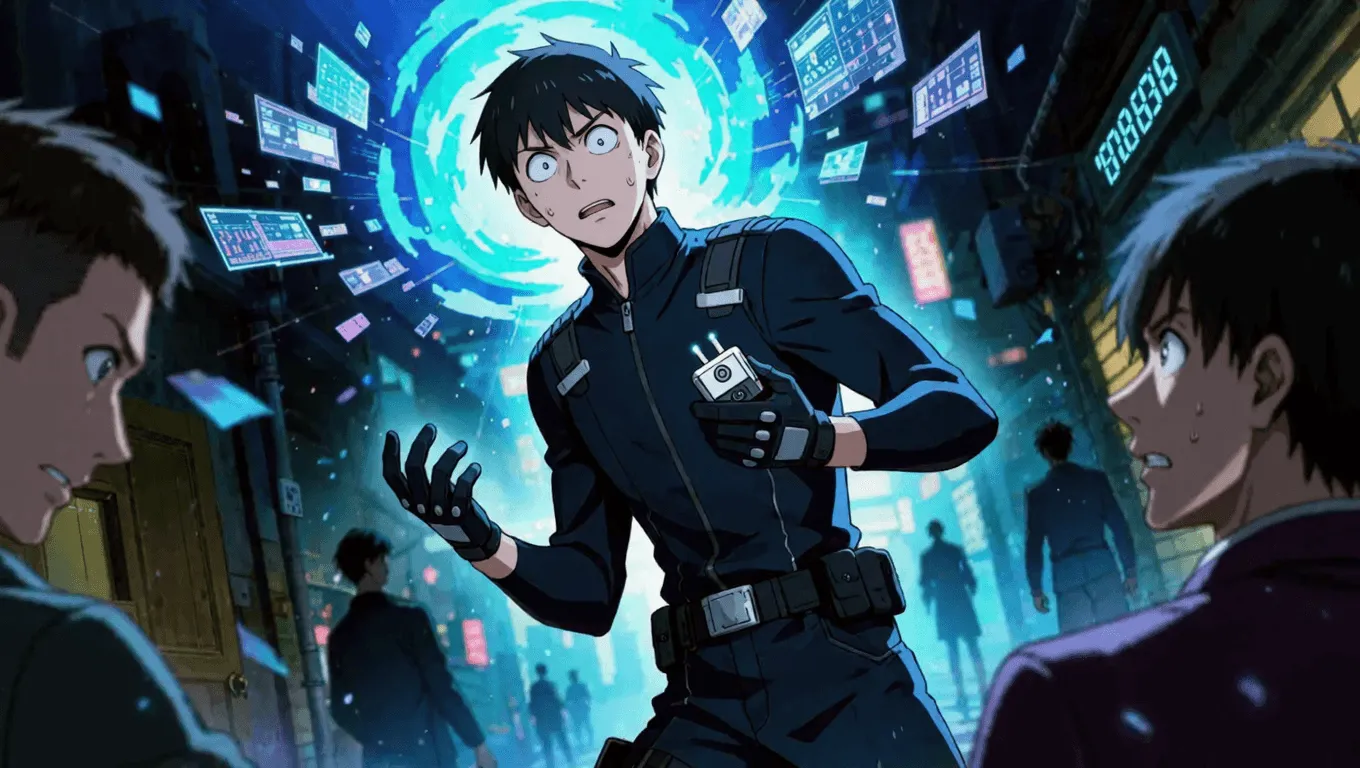
Here, the user can reliably disrupt working memory and short-term recall. Targets may:
- forget the last 10–60 seconds,
- lose track of multiple enemies,
- fail to execute complex combos,
- repeatedly re-check gear, doors, or corners as if stuck in a loop.
Level 2 turns organized squads into disorganized individuals. It’s also where selective effects become possible—fogging only the target’s ability to track one person, or erasing a specific exchange.
Level 3 🌃: Severe amnesia and targeted cognitive shutdown

At the highest tier, Neurocognitive Deficit becomes a battlefield-ending control power. Targets may:
- lose critical memories (mission objectives, ally identities, learned counters),
- suffer cascading confusion that prevents coherent action,
- experience “blank stretches” that remove entire chunks of the fight,
- become unable to form new short-term memories for a limited time (effectively resetting every few seconds).
Level 3 users can “unmake” an enemy’s competence without touching their body. In story terms, this is where consequences matter most: careless use can cause lasting trauma, identity disruption, or unintended collateral effects on bystanders.
Limitations of using the Neurocognitive Deficit
Neurocognitive Deficit is powerful, but it is rarely free.
- Range and delivery constraints: Many versions require line-of-sight, proximity, touch, or sustained focus. If the user loses contact, the effect may weaken quickly.
- Cognitive load and fatigue: Projecting neural disruption can strain the user—headaches, sensory overload, nosebleeds, or mental exhaustion are common narrative costs.
- Diminishing returns: Repeated use on the same target may become less effective as the brain adapts or the target learns coping strategies.
- Collateral risk: Area-based fog can affect allies, civilians, or the user themselves if the effect rebounds or spreads unpredictably.
- Ethical and legal consequences: Memory manipulation is often treated as a severe violation in-world. Even “non-lethal” mind wipes can be framed as assault, coercion, or identity harm.
- Unstable outcomes: Removing memory does not always remove emotion. A target might forget why they fear someone but still feel fear, creating paranoia and unpredictable aggression.
- Persistence is not guaranteed: Some settings treat memory loss as temporary unless reinforced. Once the fog clears, fragments can return—especially under triggers like pain, strong emotion, or familiar locations.
In practical combat terms, the user must choose: quick, light fog that is safer and harder to detect, or deeper memory suppression that is stronger but riskier and more traceable.
Weakness against what other superpowers
Neurocognitive Deficit struggles against powers that defend, clarify, or bypass the mind.
- Psychic Shield: Strong mental barriers can block the intrusion, absorb the “noise,” or reflect it back. This is the cleanest direct counter because it targets the same domain.
- Enhanced Wits: Superhuman processing speed and disciplined cognition can brute-force through mild fog, re-derive lost steps, and rebuild plans on the fly.
- Higher Consciousness: Expanded awareness can reduce the impact of confusion by anchoring perception beyond ordinary thought patterns, making the “fog layer” easier to notice and resist.
- Emotion Manipulation: If a defender can stabilize panic and force calm, they may maintain focus long enough to fight through brain fog. Conversely, inducing controlled adrenaline can sharpen attention briefly (though it can also worsen confusion if misused).
- Digital Vision or external cognition: A fighter who offloads memory to devices, HUDs, or recorded feeds can compensate for recall suppression—re-checking objective markers instead of trusting the mind.
- Reactive Adaptation: If the setting allows biological adaptation, the target may quickly develop resistance to the specific neural pattern used, forcing the user to vary techniques.
- Environmental Adaptation and sensory powers: If the user relies on a specific delivery method (gaze, sound, proximity), opponents who counter that channel—blinding, muting, isolating, or disrupting line-of-sight—reduce effectiveness.
A subtler weakness is time pressure: Neurocognitive Deficit often needs a moment to “take hold,” especially for deeper memory loss. Blitz-style opponents who strike instantly can prevent the user from establishing control.
Synergistic Power Combos
Neurocognitive Deficit becomes terrifying when paired with abilities that exploit confusion, limit escape options, or punish hesitation.
- Siren Song: Hypnotic tones layered over brain fog can create a double-lock—targets both struggle to think and feel compelled to comply. Fog lowers resistance to suggestion.
- Concussion Beams: Knocking enemies back while their coordination is compromised increases falls, collisions, and friendly-fire mistakes. Confused targets also fail to brace properly.
- Merging Vision: If the user can visually blend into surroundings, memory loss makes pursuit nearly impossible. Targets forget the last seen position and lose track of movement cues.
- Ink Manipulation: Fogged opponents struggle to recognize traps, animated constructs, or hidden bindings until it’s too late.
- Twilight Manipulation: Obscured lighting plus mental haze creates a “soft blindness” effect—targets cannot parse silhouettes, distances, or motion reliably.
- Enhanced Stamina: A user who can outlast opponents can apply repeated fog pulses over time, gradually wearing down even resistant minds.
- Divination: Predicting the enemy’s next decision point allows perfectly timed fog strikes, sabotaging the exact moment they would pivot to a winning move.
In team tactics, Neurocognitive Deficit pairs well with a dedicated finisher. The fog user creates openings; the finisher ends the fight before resistance builds.
Known Users
Neurocognitive Deficit is a common concept in comics, usually expressed as telepathy, magic, or specialized mind manipulation. A few well-known examples include:
- Professor X is frequently depicted as a powerful telepath capable of manipulating perception and causing loss of particular memories or even total amnesia, depending on the story.
- Zatanna has storylines involving magical mindwipes, where memories are erased or altered as part of major ethical conflicts among heroes.
- Marvel and DC both feature recurring variations of memory erasure, confusion spells, and psionic interference across many characters and arcs, reflecting how potent a “mind debuff” is in narrative combat.