
Psionic Imprinting
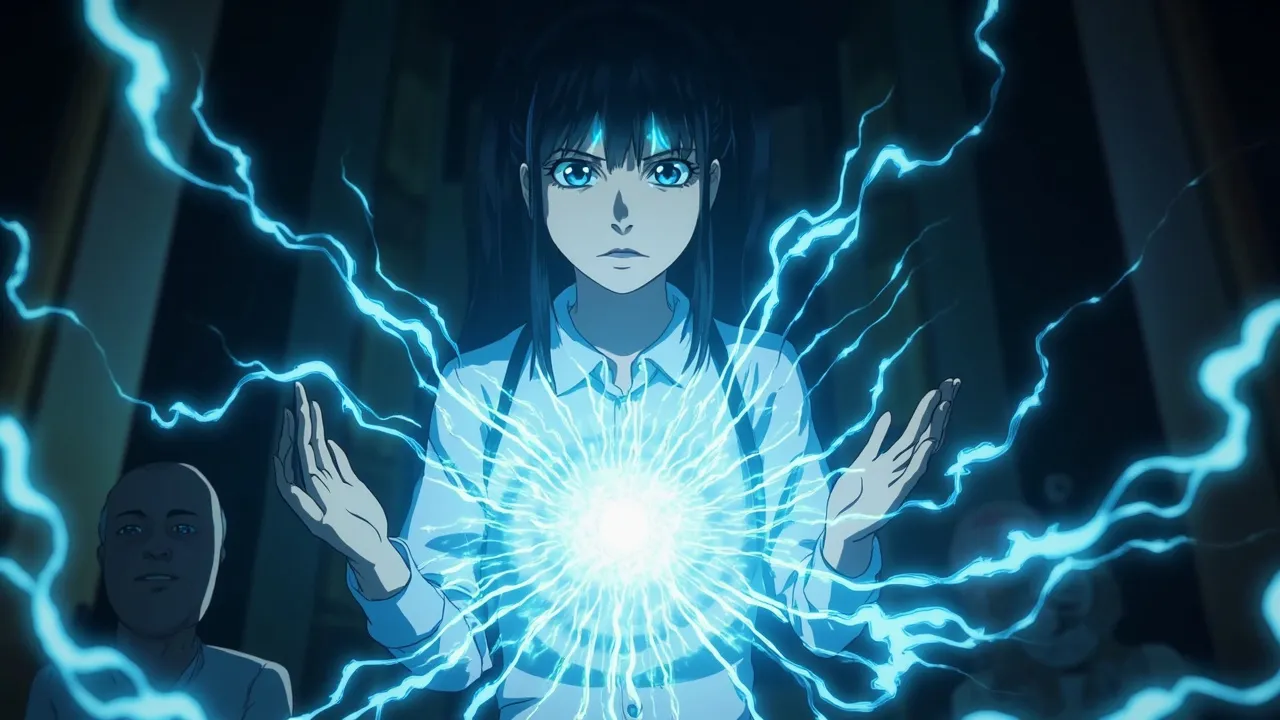
Psionic Imprinting Video Demo 🎬
Table of Contents
What Is Psionic Imprinting
Psionic Imprinting is the ability to embed thoughts, memories, or emotions into another mind like a living mental watermark. Instead of merely reading someone’s surface thoughts, a psionic imprinter writes information into the target’s inner experience. That “imprint” can be as small as a fleeting feeling of unease or as complex as a vivid memory packet complete with sights, sounds, and emotional weight.
In practical terms, this superpower sits at the crossroads of telepathy, memory manipulation, and emotional influence. It can act like a gentle nudge (planting a calming reassurance), a covert hack (inserting a false recollection), or a tactical weapon (locking a target in panic or confusion). Because the main keyword Psionic Imprinting relates to writing into the mind, many stories describe it as thought insertion, memory implantation, emotional imprinting, or mental programming.
For readers building worlds or comparing abilities, it helps to explore similar mind-based powers in a broader directory like the superpower listing hub, or to spark ideas via a random superpower generator.
Core abilities of Psionic Imprinting
Psionic Imprinting typically includes several “write” functions that can be mixed and matched depending on skill level and the target’s mental defenses.
- Thought embedding
The user inserts a single idea, phrase, or conclusion into the target’s stream of thinking. This is often subtle, showing up as “their own” thought. - Memory implantation
The user inserts a crafted recollection. It may be a short scene (a quick flashback) or an extended timeline that reshapes what the target believes happened. - Emotional imprinting
The user stamps a feeling onto the target: fear, trust, nostalgia, guilt, confidence, attachment, or even dread. This can change decisions without changing facts. - Association linking
The user binds a trigger to a response, like “when you hear this code word, you feel safe,” or “when you see that symbol, you hesitate.” This overlaps with post-hypnotic suggestion. - Engram-style “memory writing”
Some portrayals treat memories as stored patterns (engrams) that can be strengthened, overwritten, or scrambled. In neuroscience, “engram cells” are often discussed as key components of memory traces, which makes the metaphor of imprinting especially popular in fiction. - Consent-based sharing
Not all uses are invasive. A disciplined user can “gift” a memory to an ally for training, coordination, or empathy-building, functioning like instant experience transfer.
Application / Tactical Advantages in Combat
In combat and high-stakes missions, Psionic Imprinting is less about raw damage and more about control of tempo, choices, and perception. It is a tactical advantage engine.
Disruption and openings
A split-second emotional spike (surprise, nausea, dread) can interrupt timing. Even a brief flash of a fabricated memory can cause a target to hesitate, miss a cue, or misread a threat.
Soft crowd control
Instead of full mind control, the user can seed mild confusion across multiple opponents: misplaced certainty, the sense that an ally is behind them, or a sudden urge to retreat. This can break formations without obvious psychic “tells.”
Interrogation and intelligence
A skilled imprinter can plant a feeling of safety and cooperation, making a target volunteer information. Alternatively, they can insert a decoy memory to protect secrets (“I already told you everything”), buying time.
Stealth and misdirection
If the target “remembers” seeing the user elsewhere, security checks, eyewitness accounts, and even pursuit decisions become unreliable. This is especially strong when paired with disguise or illusion tactics.
Ally coordination
Imprinting a shared mental map, mission priority, or emotional steadiness into teammates can reduce panic and improve precision under pressure. In some settings, it becomes a silent command network.
Psychological finishing moves
Instead of physical knockout, a user can imprint a cascade: intense guilt, overwhelming grief, or paralyzing fear. This can end fights quickly, but it carries moral weight and can backfire against resilient minds.
Level 1 🏙️
At Level 1, Psionic Imprinting is short-range and simple.

Common capabilities
- Insert a single thought or emotion (worry, calm, doubt).
- Create a brief “memory flicker” that feels like déjà vu.
- Add mild suggestion such as “look left” or “stand down.”
Combat profile
- Best used for 1v1 disruption, escapes, or creating openings for a physical teammate.
- Works well on distracted targets, but struggles against trained discipline.
Risks
- Obvious strain: headaches, nosebleeds, mental fatigue.
- Imprints fade quickly unless reinforced.
Level 2 🌇
At Level 2, the user can craft richer and longer-lasting imprints.

Common capabilities
- Implant detailed memories with sensory detail and emotion.
- Layer emotion + thought: “this hallway is unsafe” plus a gut-level fear response.
- Set conditional triggers (post-hypnotic suggestion light).
Combat profile
- Strong for infiltration, hostage scenarios, and turning fights without visible violence.
- Can neutralize key opponents by rewriting priorities or confidence.
Risks
- Complex imprints require focus; interruptions can distort the “write.”
- Greater ethical and strategic consequences: the target may later notice inconsistencies.
Level 3 🌃
At Level 3, Psionic Imprinting becomes a battlefield-scale influence tool.

Common capabilities
- Multi-target imprinting (a small group or crowd) with consistent effects.
- Deep “identity-adjacent” edits: shifting loyalties, rewriting personal narratives, or planting long-term emotional anchors.
- Defensive counter-writing: detecting foreign imprints and overwriting them.
Combat profile
- Can collapse enemy morale, redirect mass movement, or protect entire teams from panic.
- Makes deception operations extraordinarily effective.
Risks
- Massive cognitive load and potential backlash (feedback from multiple minds).
- High chance of attracting specialized counters: psychic hunters, mental shielders, anti-psionic null fields.
Limitations of using the Psionic Imprinting
Even with immense potential, Psionic Imprinting has hard constraints that keep it from being an automatic win button.
Mental resistance and compatibility
Some minds are naturally resistant: disciplined soldiers, meditative monks, psionic species, or anyone with psychic shielding. Others may be chaotic or fragmented, making them difficult to “write” cleanly.
Precision requires understanding
The best imprints fit the target’s worldview. If the implanted memory contradicts too much of their real life, it can unravel. The mind may reject it like a mismatched transplant.
Time and attention cost
Complex memory implantation often takes longer than a quick emotion jab. Under fire, the user may only manage small edits unless protected.
Backlash and psychic residue
Many settings treat imprinting as a two-way link. A target in extreme pain, rage, or terror can push that feeling back, causing panic attacks or emotional contamination in the user.
Diminishing returns
Repeated use on the same target can create “psychic calluses.” The target grows suspicious, learns grounding techniques, or develops mental antibodies that erode future imprints.
Ethical and social consequences
This power is invasive by nature. In many worlds, it is feared more than destructive powers because it threatens identity and consent. That can create legal, political, and personal fallout for the user.
Weakness against what other superpowers
Psionic Imprinting is strongest against unprotected minds and weakest against powers that block, cleanse, or punish mental contact.
Psychic Shielding / Mind Blank
Direct mental defenses can prevent the imprint from taking hold or force it to stay superficial.
Psychic Immunity
Some characters or species are simply unreachable mentally, turning imprint attempts into wasted effort.
Memory Erasure / Memory Restoration
If an opponent can delete foreign memories or restore originals, imprinting becomes temporary at best.
Emotion Nullification
If feelings cannot be manipulated, emotional imprinting loses one of its fastest combat applications.
Pain Reflection / Empathic Feedback
Powers that reflect mental influence can cause the user to suffer the target’s distress, interrupting focus.
Reality Anchoring / Anti-Magic / Nullification Fields
Settings often include “reality-stabilizing” or power-nullifying effects that disrupt psionic interference altogether.
Technological countermeasures
Neural dampeners, psychic scramblers, or sensory overload tools can make it harder to maintain the focus needed for accurate imprinting.
Synergistic Power Combos
Psionic Imprinting becomes terrifyingly effective when paired with powers that cover its weaknesses or amplify its strengths.
**Emotion Manipulation**
Emotion Manipulation can set the emotional “canvas,” while Psionic Imprinting writes the narrative. Together they can produce instant trust, fear-based retreats, or bonded loyalty.
**Enhanced Wits**
Superhuman strategy and processing speed helps the user craft believable, low-contradiction imprints on the fly, even mid-fight.
**Illusionary Magic**
Illusions provide external proof for the implanted memory. If the target sees what the mind “remembers,” the imprint feels real and locks in faster.
**Darkness Mimicry**
Living shadow stealth pairs well with imprint-based misdirection: the target “remembers” checking a corridor, while the user slips past unseen.
**Enhanced Visibility**
Spotting micro-expressions and stress tells helps tailor imprints precisely, choosing whether to push comfort, confusion, or intimidation.
Concussion Beams (team synergy)
A teammate with concussive force can exploit the half-second hesitation created by an imprint. Psionic Imprinting creates the opening; the blaster ends the engagement.
Known Users
Because Psionic Imprinting overlaps with telepathy and memory alteration, it appears in many comic universes as a specialized application of psychic power.
- Professor X – Depicted with vast psionic abilities that include manipulating minds and causing loss of particular memories or even total amnesia. (Profile: Wikipedia)
- Emma Frost – Often described as capable of altering perceptions and memories as part of high-level telepathy, making her a strong example of memory-and-thought imprinting in practice.
- Jean Grey – Stories describe her telepathy being used to alter what people remember, including situations where others believe a different personal history than the truth.
- Martian Manhunter – Commonly presented as an elite telepath, with portrayals emphasizing broad mind influence that can include reprogramming beliefs or installing suggestions.