
Fire Breath Superpower Guide
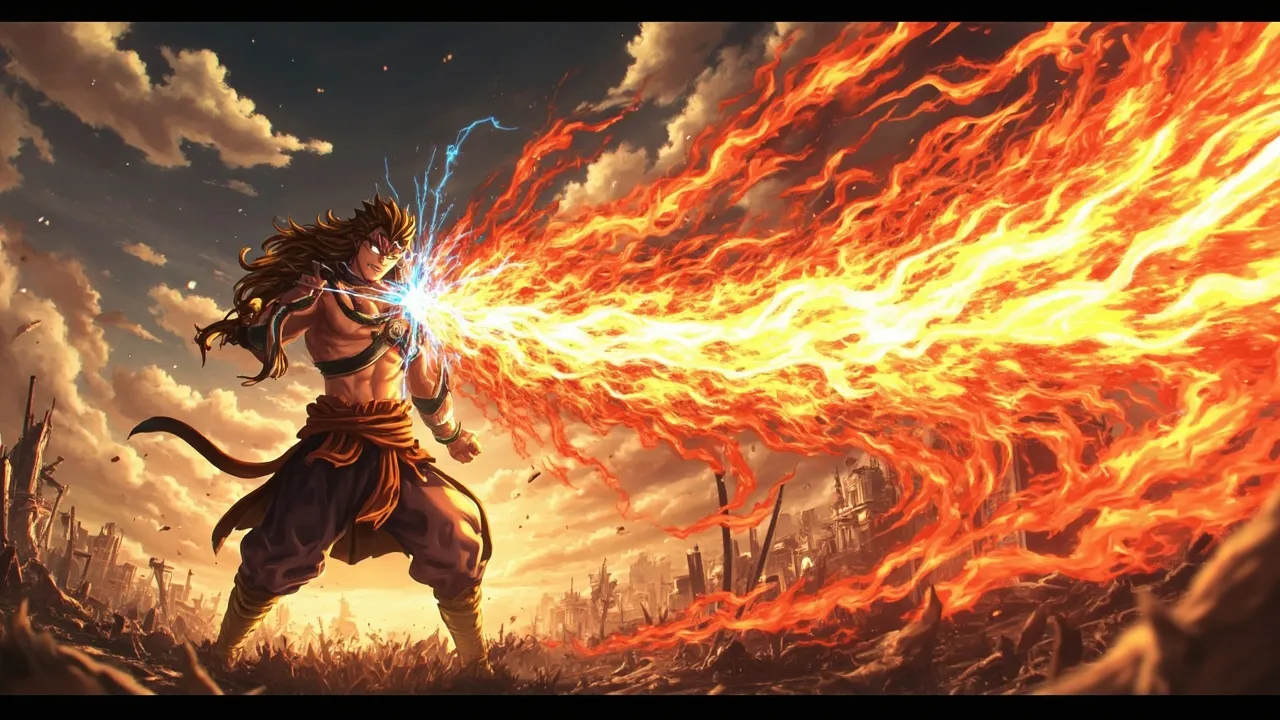
Fire Breath Video Demo 🎬
Table of Contents
What Is Fire Breath
Fire Breath is a superpower that lets a character exhale searing flames as an offensive blast. Instead of generating fire from the hands or the environment, Fire Breath focuses heat and combustion through the mouth and throat, producing anything from a quick burst to a sustained flamethrower-like stream. In stories and RPG settings, it often appears as dragon breath, hellfire breath, or an incendiary cone that forces enemies to retreat, break formations, or abandon cover.
Fire Breath is popular because it is simple, dramatic, and tactical. It turns a normal action like breathing into a weapon, and it can be biological (a specialized organ), magical (infernal flame), or tech-based (internal igniters and fuel chambers). For readers who want to explore similar abilities, the broader catalog on the Superpower Wiki list offers plenty of related powers, and the random superpower generator is a fast way to spark character ideas.
Core abilities of Fire Breath
Fire Breath usually includes several interlocking capabilities, even when the description sounds straightforward.
- Flame projection and shaping
The user can exhale fire as a cone, jet, stream, burst, or wave. Some versions allow tighter shaping, such as a focused line for range, a wide fan for crowd control, or a pulsing blast for stagger and knockback. - Heat intensity control
Many users can vary the temperature, from scorching heat that chars armor to white-hot flame that can weaken metal over time. This includes switching between short, high-heat bursts and longer, lower-heat streams. - Area denial and pressure
Fire Breath can create an instant “no-go zone.” Even if the flames do not directly hit a target, the heat and fear of ignition can force movement, slow advances, and limit counterattacks. - Secondary effects
Depending on the setting, Fire Breath can ignite flammable objects, create smoke screens, consume oxygen in enclosed spaces, or leave lingering embers that punish anyone who follows through the same route. - Delivery variants
Fire Breath is not always ordinary fire. Some worlds use magical hellfire, plasma breath, napalm-like sticky flame, or chemically fueled combustion. These variants change how the power interacts with defenses like water barriers or energy shields.
Application / Tactical Advantages in Combat
Fire Breath is at its best when it is treated like a battlefield tool rather than a simple damage button.
Opening pressure and tempo control
A sudden blast can seize initiative. Opponents often react defensively, raising guards, dodging backward, or breaking line cohesion. That split-second hesitation is valuable for forcing mistakes or setting up a follow-up strike.
Anti-swarm and crowd management
Wide cones and sweeping arcs are ideal for fighting multiple enemies. Fire Breath can punish tight groups, scatter minions, and stop rush tactics that rely on closing distance.
Cover denial and zone clearing
Enemies behind wooden barricades, brush, curtains, or cluttered terrain lose their advantage quickly. Fire Breath can ignite cover, flush out hidden targets, and make chokepoints dangerous to hold.
Air and intimidation advantage
The visual and psychological impact matters. Even durable targets may avoid direct contact, giving the user space. Against creatures with pain response, heat and smoke can create panic.
Combo enabling
Fire Breath pairs naturally with powers that amplify airflow, trap enemies, or increase heat tolerance. In team fights, it also works as a “set play” tool: one ally forces a dodge path, and the Fire Breath user blankets that route.
Fire Breath Power Levels
Level 1 🏙️
At Level 1, Fire Breath is a short-range, moderate heat exhale that works best in quick bursts.
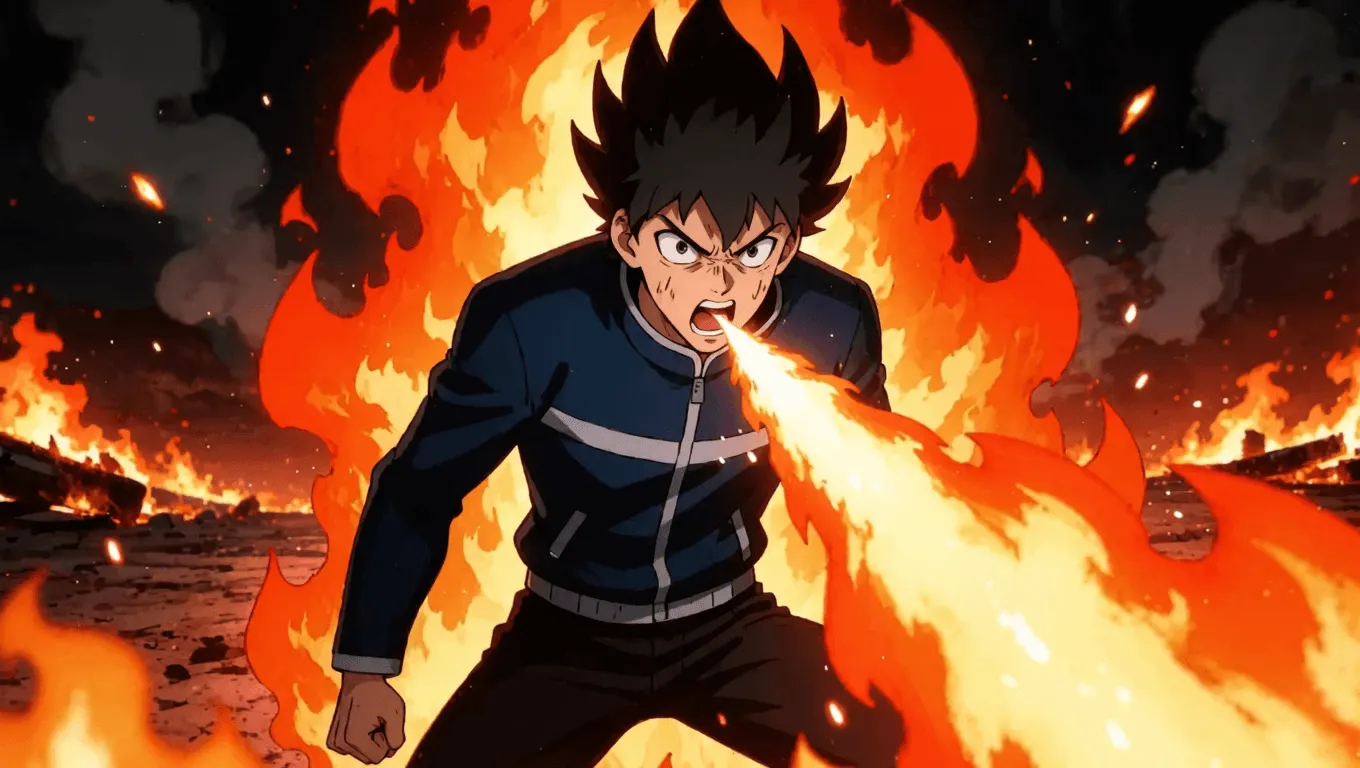
Typical features:
- Short cone or narrow jet, limited range
- Reliable ignition of flammable materials
- Best used for surprise, intimidation, or finishing blows
- Requires noticeable recovery time between blasts
Combat identity:
A skirmisher tool. It punishes careless approaches and can interrupt attacks, but it is not sustained long enough to dominate a battlefield.
Level 2 🌇
At Level 2, Fire Breath becomes a consistent combat staple with better control, longer reach, and higher temperatures.
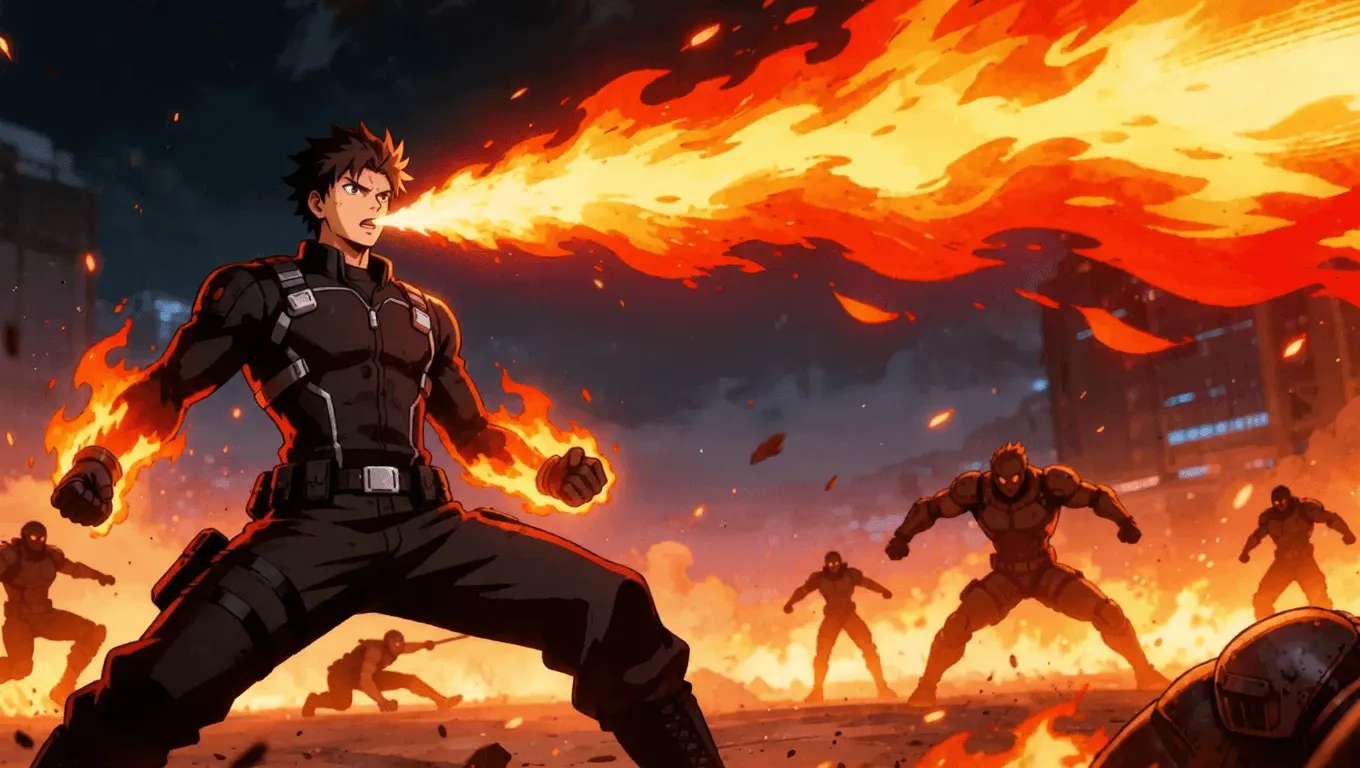
Typical features:
- Wider cone options or longer stream duration
- Better precision to avoid allies and protect objectives
- Strong area denial and crowd control
- Can heat armor, weaken weapons, and force repositioning
Combat identity:
A frontline controller. The user can shape how the fight flows, block lanes, and punish clustered enemies while staying effective across multiple exchanges.
Level 3 🌃
At Level 3, Fire Breath reaches “signature weapon” status: extreme heat, large coverage, and specialized flame types.
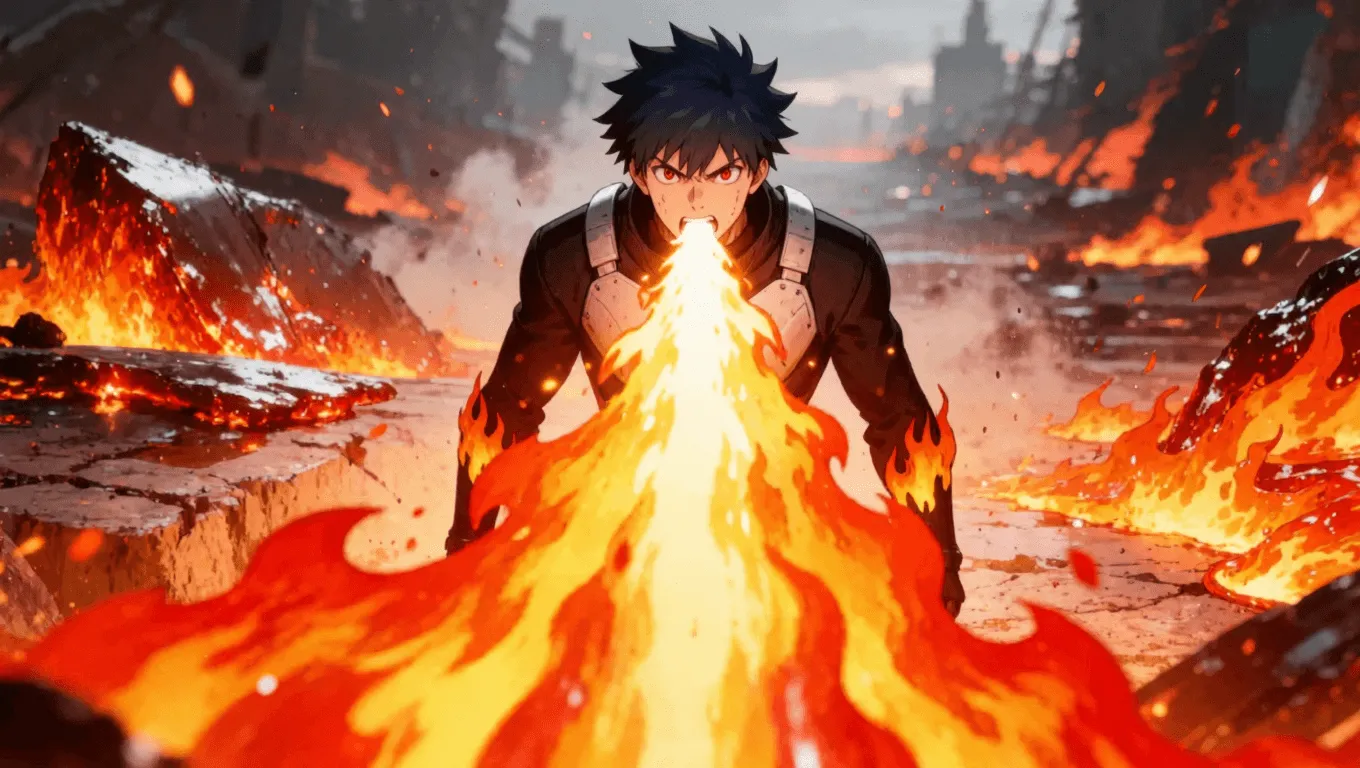
Typical features:
- High-temperature flame capable of melting, vitrifying, or superheating surfaces (setting-dependent)
- Long sustained output with minimal downtime
- Variant breath forms: hellfire, plasma breath, or sticky incendiary breath
- Advanced tactics: layered heat waves, delayed ignition, or alternating pulse patterns
Combat identity:
A battlefield threat. The user can reshape terrain, break defensive lines, and force hard counters. At this level, the biggest challenge is not producing flame, but controlling collateral damage and endurance.
Limitations of using the Fire Breath
Fire Breath is powerful, but it is rarely “free.” Good worldbuilding gives it clear boundaries.
Fuel and stamina costs
Biological versions may require stored fuel (fat reserves, special glands, methane-like byproducts, or magical “charge”). Even magical flame often drains stamina, mana, or willpower. Long streams are especially taxing.
Oxygen and environment constraints
Fire needs oxygen. Underwater combat, vacuum conditions, thin air, or sealed environments can reduce effectiveness. Enclosed spaces may also backfire by filling the area with heat and smoke, harming allies or the user.
Heat management and self-protection
If the user is not heat-resistant, the mouth, lungs, and skin can be damaged by repeated use. Many settings solve this with internal heat shielding, magic wards, or partial fire immunity, but those protections can fail under strain.
Wind and blowback risk
Strong crosswinds can redirect flames. Sudden gusts may blow fire back toward the user or allies, especially with wide cones.
Predictability and telegraphing
Fire Breath typically has a visible wind-up: inhalation, throat glow, sparks, or a posture shift. Skilled opponents learn to read the cue and pre-dodge.
Collateral damage
Fire spreads. In urban zones, forests, ships, or anywhere with civilians and infrastructure, Fire Breath can be a liability. This limitation can become a major story constraint: the user must hold back, aim carefully, or accept consequences.
Weakness against what other superpowers
Fire Breath has natural counters, especially from powers that remove heat, deny oxygen, or redirect the blast.
Water Manipulation and Liquid Control
Water barriers, pressurized jets, and flooding can smother flames and cool the environment. Even if the fire persists, water can reduce temperature and limit spread.
**Ice Manipulation and Cryokinesis**
Cold fields and rapid freezing can counter heat output, harden surfaces against burning, and reduce the user’s ability to ignite targets.
Wind Manipulation and Airflow Control
Air control can disperse flames, push them off-target, or create sudden blowback. It can also strip away hot air layers, reducing the “pressure” effect of the breath.
Vacuum Creation and Oxygen Removal
Any ability that removes oxygen, creates localized vacuum, or seals the air around the user can shut Fire Breath down immediately or make it dangerously unstable.
Smoke Manipulation and Vision Disruption
If the Fire Breath user relies on sight, thick smoke, darkness fields, or illusionary cover can force wasted blasts and reduce accuracy. Smoke also irritates breathing and can limit the user’s own output.
Heat Absorption and Energy Consumption
Some powers can “drink” thermal energy, convert it into strength, or store it for retaliation. Against these opponents, Fire Breath becomes fuel for the enemy.
Reflective Shields and Force Barriers
Hardlight walls, mirror-like energy fields, or repulsion barriers can bounce heat back or block the cone. Even without reflection, a barrier can turn Fire Breath into wasted stamina.
Synergistic Power Combos
Fire Breath becomes nastier and more versatile when paired with complementary abilities. Here are synergy patterns that show up often in RPG builds and superhero teams.
Wind Vision or Wind Manipulation
Directing airflow can extend range, widen coverage, or curve the flame around obstacles. It also helps prevent blowback and keeps allies safe.
Heat Resistance or Fire Immunity
A classic pairing that solves the biggest drawback: self-damage and environmental heat. With proper resistance, the user can fight in their own heat zone and use sustained output without fear.
Enhanced Stamina and Enhanced Condition
Fire Breath scales well with endurance. Higher stamina means longer streams, more frequent bursts, and fewer “cooldown” windows for enemies to exploit.
Smoke Generation or Darkness Mimicry
Smoke and shadow turn Fire Breath into a trapping tool. The user forces movement with flame while enemies lose vision, making follow-up attacks harder to dodge.
Concussion Beams or Kinetic Blasts
A knockback power can push enemies into the breath cone or keep them pinned in an ignition zone. The combo is brutal at chokepoints.
Plant Mimicry or Nature Control (situational)
In wild environments, Fire Breath can clear paths or create defensive firebreaks. Used carefully, it can also eliminate enemy vines, spores, or wooden constructs.
**Illusionary Magic**
Illusions can bait dodges into the wrong direction, making enemies step into a real flame sweep. It also helps conceal the breath wind-up.
Known Users
Across comics, Fire Breath often shows up as hellfire projection or dragon-like flame breath. Notable examples include Etrigan the Demon, Dragon Man, and Fin Fang Foom.
- Etrigan the Demon (DC Comics) – Frequently depicted with hellfire projection and flame breath as part of his demonic power set.
- Dragon Man (Marvel Comics) – An artificial dragon-like character who has been shown using fire breath in Marvel stories.
- Fin Fang Foom (Marvel Comics) – A Makluan dragon known for expelling dangerous breath attacks, including fire breath depictions in character profiles.